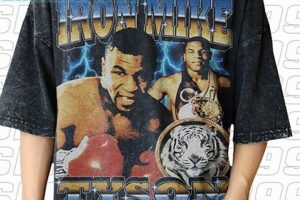
Apparel featuring printed designs from previous eras, specifically tailored for women, represents a distinct segment of the fashion market. These garments often showcase imagery, slogans, or artistic renderings characteristic of past decades. Examples include tops displaying band logos from the 1970s or those adorned with stylized advertisements from the 1980s.
The appeal of such items lies in their ability to evoke nostalgia and project individuality. These garments offer a tangible connection to bygone eras, providing wearers with a means of self-expression that diverges from contemporary fashion trends. Historically, these items were often associated with specific subcultures or movements, further enhancing their symbolic value and desirability.
The following sections will delve into the factors contributing to the enduring popularity of these garments, exploring aspects such as sourcing, preservation, and styling considerations. These elements are critical to understanding the sustained interest in this particular category of clothing.
Acquiring and Maintaining Garments of a Bygone Era
The following guidelines offer practical advice for locating, preserving, and integrating these garments into a modern wardrobe.
Tip 1: Authenticity Verification: Prior to purchase, scrutinize the garment’s construction, fabric composition, and printing techniques. Genuine examples often exhibit characteristics indicative of their era, such as single-stitch seams or specific fabric blends prevalent at the time.
Tip 2: Condition Assessment: Thoroughly inspect for signs of wear and tear, including fading, staining, and seam separation. While minor imperfections can contribute to a garment’s character, significant damage may compromise its structural integrity and long-term viability.
Tip 3: Sizing Considerations: Note that sizing conventions varied across different decades. Consult size charts specific to the garment’s era or, ideally, take precise measurements to ensure a comfortable and accurate fit.
Tip 4: Washing Protocol: Employ gentle washing methods to preserve the integrity of the fabric and printing. Hand washing or using a delicate cycle with cold water and mild detergent is recommended. Avoid harsh chemicals and high heat drying.
Tip 5: Storage Practices: Store garments in a cool, dry place away from direct sunlight to prevent fading and discoloration. Consider using acid-free tissue paper to protect delicate prints and prevent creasing.
Tip 6: Repair and Restoration: Seek professional assistance for significant repairs or alterations. A skilled tailor can often restore damaged areas or modify the garment to improve its fit while preserving its original aesthetic.
Adhering to these principles promotes responsible acquisition and prolonged enjoyment of these vintage apparel pieces. Proper care ensures the longevity and enduring appeal of these distinctive articles of clothing.
The subsequent section will address popular styling techniques, illustrating how these unique pieces can be seamlessly integrated into contemporary ensembles.
1. Authenticity

The authenticity of apparel featuring printed designs from previous eras directly influences its value and collectibility. Genuine examples represent verifiable artifacts of a specific time and culture, while reproductions lack this inherent historical connection. Establishing authenticity requires careful examination of several factors, including fabric composition, printing techniques, construction methods, and the presence of original labeling or tags. For instance, a purported 1980s concert tee exhibiting modern screen-printing techniques or contemporary fabric blends would raise immediate concerns regarding its authenticity. This determination affects perceived value and desirability.
The challenge in verifying genuineness often lies in the sophistication of contemporary reproduction methods. Counterfeiters may attempt to replicate vintage characteristics, such as distressed prints or aged fabric, to deceive potential buyers. However, subtle inconsistencies, such as incorrect font styles, variations in color palettes, or deviations from standard manufacturing practices of the period, can often reveal fraudulent items. Careful comparison with documented examples and expert consultation are frequently necessary to confirm the true origin and age of the garment. A clear example is found within a faded, heavily worn 1970s ‘Rolling Stones’ tee; upon close inspection, the stitching is unlike anything from that era. This key element establishes the garment as unauthentic.
In conclusion, establishing the authenticity of garments from the past serves not only to protect against fraud but also to preserve the historical and cultural significance of these items. Authentic apparel offers a tangible link to the past, providing insight into the fashion trends, artistic expressions, and societal values of a specific era. By meticulously evaluating the various elements that define authenticity, collectors and enthusiasts can ensure they are acquiring genuine pieces of history, rather than modern imitations. Understanding the true origin of each piece ultimately enriches the experience and appreciation of its unique story.
2. Era Identification

Era identification is paramount when evaluating apparel featuring printed designs from previous periods. Correctly pinpointing a garment’s origin dictates its historical context, value, and appropriate care. Misidentification can lead to inflated pricing, improper preservation techniques, and a distorted understanding of its cultural significance. A tee incorrectly attributed to the 1960s, when it is actually from the 1970s, diminishes its perceived value due to differences in cultural relevance and material quality across the two decades. The ability to accurately place a tee within its specific historical timeframe is therefore crucial. This impacts both the garment’s perceived worth and how it should be properly cared for.
Achieving accurate era identification requires a multi-faceted approach. Examination of manufacturing characteristics (such as seam construction and fabric composition), the style and subject matter of the graphic design, and the presence of union labels or copyright dates provides valuable clues. Styles popular in the 1980s frequently employed neon colors and geometric patterns, while those from the 1970s often featured earth tones and band logos. These visual cues, when coupled with an understanding of prevailing manufacturing practices of each era, greatly enhance the precision of the identification process. For instance, shirts that are single-stitched are often associated with 1970s and early 1980s manufacturing, while double-stitched shirts are more commonly observed in later periods. This is a small element, but when placed with other cues, helps the buyer make a correct decision.
In summary, accurate era identification forms the cornerstone of responsible acquisition and appreciation of apparel with printed designs from past decades. It ensures that garments are properly valued, preserved, and understood within their appropriate historical and cultural frameworks. While challenges exist in distinguishing subtle nuances between eras, a combination of meticulous observation, historical knowledge, and access to reliable resources greatly enhances the accuracy of the identification process. Ultimately, correct identification serves to preserve the integrity of these pieces as artifacts of the past, rather than mere fashion items.
3. Graphic Significance
The printed imagery featured on apparel from previous eras represents more than mere decoration; it encapsulates the zeitgeist of its time, mirroring prevailing social attitudes, cultural trends, and artistic expressions. The meaning conveyed through these designs is integral to the value and appeal of these items.
- Cultural Commentary
The graphics often act as a visual record of significant cultural moments or movements. A tee displaying a feminist slogan from the 1970s, for example, serves as a tangible representation of the era’s social and political discourse. These designs offer insight into the evolving roles and perspectives of women. Furthermore, such items connect wearers to the past.
- Brand Identity and Advertising
Many examples feature logos or promotional images from defunct businesses or iconic brands. These graphics offer a nostalgic glimpse into the commercial landscape of previous decades. Apparel adorned with the branding of vintage soda companies or record labels evokes a sense of familiarity and connection to bygone consumer experiences. They showcase the evolution of design strategies and the marketing techniques of the past.
- Musical Affiliation
Designs associated with musical artists or bands represent a powerful form of self-expression and group identification. Tees featuring band logos, album art, or tour dates serve as visual declarations of musical taste and allegiance. Garments bearing the likeness of influential female musicians, in particular, hold special significance, celebrating their contributions to the music industry and inspiring future generations.
- Artistic Expression and Design Trends
The aesthetic qualities of graphics reflect the design trends and artistic styles prevalent during their respective eras. Examples showcasing bold geometric patterns from the 1980s or psychedelic imagery from the 1960s offer insight into the evolving visual language of each decade. Apparel incorporating artwork from female artists or designers provides a platform for celebrating their creative contributions and challenging traditional artistic norms.
These facets underscore the profound significance of the graphics featured on these vintage apparel pieces. They serve as tangible links to the past, reflecting the cultural, commercial, musical, and artistic landscapes of their respective eras. By understanding the nuances of these designs, collectors and enthusiasts can gain a deeper appreciation for their historical and cultural value. The importance of the graphics extend beyond pure aesthetics. They make clear the social climate and values of past times.
4. Fabric Composition
The material makeup of apparel featuring printed designs from previous decades is a defining characteristic, significantly impacting garment durability, comfort, and authenticity. Examination of fabric composition offers insights into manufacturing practices and textile technologies prevalent during specific eras. Its influence extends to how well the design holds up over the decades. Fabric choice, in turn, impacts the tee shirt’s future market value.
- Fiber Type
Common fiber types encountered in garments from the past include cotton, polyester, and blends thereof. Earlier examples frequently feature 100% cotton construction, while later decades saw increased use of synthetic fibers to enhance durability and reduce production costs. The type of fiber dictates the feel and longevity of the garment. For instance, tees from the 1970s often display a softer, more breathable texture due to the prevalence of natural cotton, while 1980s and 1990s pieces exhibit a more resilient, synthetic feel due to polyester blends.
- Weave and Knit
The weave or knit structure impacts the drape, texture, and overall appearance. Jersey knit is commonly found in tees due to its comfort and flexibility. Other structures, such as rib knit, may be utilized for collars or cuffs. The tightness of the knit impacts the shirt’s breathability. Additionally, the weave may dictate how well the printed graphic is maintained. Looser weaves may lead to accelerated graphic degradation.
- Dyeing and Finishing Processes
The methods used to dye and finish fabrics influence the colorfastness and texture. Vintage garments may exhibit unique dyeing techniques or finishing treatments that are no longer commonly employed. For example, tie-dyeing was prominent during the 1960s and 1970s. The color intensity may impact the overall aesthetic. Similarly, vintage tees might showcase a faded or distressed appearance due to natural wear and washing, adding to their vintage charm and authenticity. Such fading should not be confused with damage or degradation; it is a natural element of a garment’s life cycle.
- Labeling and Identification
Information regarding the fabric composition is typically found on garment labels. Labels provide critical details regarding fiber content, care instructions, and country of origin. The presence and legibility of original labels contribute to the garment’s authenticity and value. Absence of a label may suggest a replica. However, labels degrade, or may be removed; a missing label does not automatically mean a tee is not authentic.
These elements collectively illuminate the integral role of fabric composition in defining garments with printed designs from past decades. An understanding of these aspects aids in the proper evaluation, preservation, and appreciation of these items. Fabric composition not only influences physical characteristics but also provides valuable insights into the manufacturing practices and cultural trends of each era. Furthermore, by analyzing fabric content, both buyers and sellers come away with more informed transactions.
5. Condition Assessment
The evaluation of garments featuring printed designs from previous eras is critically dependent on a thorough assessment of their physical state. The observable state directly influences value, wearability, and the longevity of such pieces. Pre-existing damage, material degradation, and the degree of wear significantly affect the garment’s desirability. Apparel exhibiting severe staining, extensive fabric tears, or significant graphic fading may be deemed unsuitable for wear or collection, diminishing its monetary and aesthetic value. For instance, a tee from the 1970s displaying a highly sought-after graphic but marred by irreparable holes and discoloration would command a substantially lower price than a similar item in excellent condition.
Several factors contribute to the deterioration of these garments over time. Exposure to ultraviolet radiation, improper storage conditions, and frequent washing with harsh detergents accelerate fabric degradation and graphic fading. The delicate nature of vintage printing techniques often makes them susceptible to cracking or peeling, particularly when subjected to repeated stress or abrasion. Therefore, a meticulous inspection of the fabric, seams, and printed design is paramount when evaluating the condition. Special attention should be paid to areas prone to wear, such as the neckline, armpits, and hem. Furthermore, the presence of any repairs or alterations must be carefully assessed, as they may affect the garment’s originality and collectibility. For example, repairs done poorly may degrade the tee’s value.
In summary, an accurate condition assessment serves as a fundamental component in the valuation and preservation of apparel with printed designs from past decades. A comprehensive understanding of potential damage factors and the ability to identify signs of wear enable informed purchasing decisions and the implementation of appropriate care measures. By meticulously evaluating the physical state, collectors and enthusiasts can ensure the longevity and continued enjoyment of these unique pieces, while also protecting their investment. This element is a cornerstone in the acquisition of historical pieces of apparel.
6. Styling Versatility
The adaptability of apparel featuring printed designs from prior eras directly impacts its appeal and integration into contemporary wardrobes. This inherent versatility stems from the garments’ ability to complement diverse styles, ranging from casual to more refined ensembles. Garments of this type may be paired with denim for a relaxed aesthetic or juxtaposed with tailored skirts or blazers for a more sophisticated presentation. This capacity to seamlessly blend with varying stylistic preferences contributes significantly to their enduring popularity.
The enduring appeal is further amplified by the opportunity for individualized expression. Such apparel provides a canvas for projecting personal taste and celebrating specific subcultures or artistic movements. For example, a band tee from the 1970s paired with modern high-waisted trousers and minimalist accessories communicates a curated blend of vintage and contemporary aesthetics. This personalized approach transforms a potentially dated garment into a current and relevant fashion statement. This promotes self-expression and uniqueness.
Ultimately, this adaptability serves as a key element in the continued relevance and demand for these items. The ability to effortlessly incorporate these garments into diverse stylistic contexts ensures their continued presence in modern fashion. As consumers increasingly seek individuality and sustainability in their wardrobes, this versatile nature reinforces their position as a valuable and enduring component of personal style. Without such broad adaptability, they would have long ago faded out of relevance.
7. Cultural Impact
The prevalence of apparel featuring printed designs from bygone eras, particularly those marketed towards women, extends beyond mere fashion trends; it reflects a complex interplay of historical memory, social identity, and artistic expression. These garments serve as tangible links to past decades, embodying the cultural values, socio-political movements, and aesthetic sensibilities of their respective eras. Their significance lies in their ability to both reflect and influence societal norms, making them potent artifacts of cultural history. A tee emblazoned with a feminist slogan from the 1970s, for instance, not only signifies the wearer’s affinity with the feminist movement but also serves as a visual reminder of the ongoing struggle for gender equality. The revival of such designs reinforces the enduring relevance of these issues.
The re-emergence of specific designs often correlates with contemporary social movements or cultural shifts. The renewed interest in graphic tees featuring imagery associated with the Riot Grrrl movement of the 1990s, for example, reflects a resurgence of feminist activism and a desire to reclaim female agency within the punk rock subculture. Moreover, these garments facilitate intergenerational dialogue, enabling wearers to connect with the past and share their perspectives with younger generations. Apparel featuring designs inspired by the Civil Rights Movement or other pivotal moments in history carries similar weight, serving as a reminder of past struggles and inspiring continued efforts towards social justice. These shirts bring memories of decades past to light, and have the potential to be a learning tool.
Ultimately, the sustained popularity and cultural impact of apparel featuring printed designs from previous eras, specifically those targeting women, underscores their capacity to transcend fleeting fashion trends. These garments function as mobile archives of cultural history, embodying the values, struggles, and artistic expressions of their respective eras. By understanding the cultural significance embedded within these designs, wearers and collectors can engage with the past in a meaningful way, fostering a deeper appreciation for the complexities of social change and the enduring power of visual communication. The act of donning such a garment becomes an act of remembering, of solidarity, and of self-expression within a broader historical context.
Frequently Asked Questions
The following addresses common inquiries regarding the acquisition, preservation, and historical context of apparel with printed designs from previous eras, tailored for women.
Question 1: How can authenticity of such apparel be definitively verified?
Authenticity verification involves careful examination of fabric composition, stitching techniques, printing methods, and the presence of original tags or labels. Comparison with documented examples from the suspected era is recommended. Expert consultation may be necessary in cases of uncertainty.
Question 2: What are the primary indicators of a tee’s era of origin?
Key indicators include manufacturing characteristics (single vs. double stitching), graphic design styles (font choices, color palettes), and the presence of union labels or copyright dates. Knowledge of prevalent trends from each decade is crucial for accurate assessment.
Question 3: How should apparel with vintage graphics be properly laundered to minimize damage?
Gentle hand washing or machine washing on a delicate cycle with cold water and mild detergent is recommended. Avoid harsh chemicals, bleach, and high-heat drying. Air drying is preferable to machine drying.
Question 4: What storage practices are most effective in preventing fabric degradation and graphic fading?
Store garments in a cool, dry place away from direct sunlight. Acid-free tissue paper can be used to protect delicate prints and prevent creasing. Avoid storing apparel in plastic bags, as they can trap moisture and promote mildew growth.
Question 5: How does condition affect the value of apparel?
Condition is a primary determinant of value. Garments exhibiting significant damage (staining, tears, graphic fading) command substantially lower prices than those in excellent or near-mint condition. Minor imperfections may add character, but severe flaws diminish desirability.
Question 6: What factors contribute to the cultural significance of these clothing items?
The graphics often represent cultural movements, social attitudes, or historical events. Garments featuring brand logos, musical artists, or political slogans serve as tangible reminders of the past. These visual elements provide insight into past eras.
Understanding these answers is vital for buyers and sellers. It prevents fraud, encourages responsible shopping, and ensures enjoyment of valuable materials.
The next section provides sourcing guidance on purchasing and selling vintage apparel.
Conclusion
This exploration has addressed significant facets of acquiring and appreciating apparel featuring printed designs from previous decades for women. Key areas covered include authenticity verification, era identification, graphic significance, fabric composition, condition assessment, styling versatility, and cultural impact. These factors collectively define the value, wearability, and historical context of these items.
The continued interest in garments of this type reflects a broader cultural trend towards sustainability, individuality, and historical awareness. Prudent acquisition and responsible preservation are encouraged to maintain the integrity and value of these pieces for future generations. The ongoing appeal of women’s vintage graphic t shirts suggests a continued appreciation for clothing as a medium of personal expression and cultural memory.