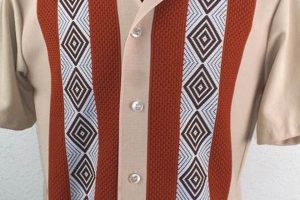
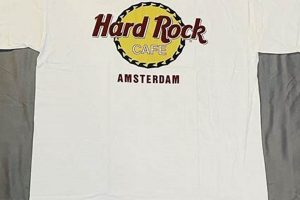
Apparel featuring printed designs or imagery, originating from earlier decades, constitutes a specific segment of the clothing market. These items often showcase popular cultural icons, slogans, or artistic styles characteristic of their respective eras. Examples include band tees from the 1970s, advertising apparel from the 1980s, or shirts displaying iconic imagery from the 1960s.
The value of such garments extends beyond their functional purpose. They provide tangible connections to past eras, reflecting shifts in social attitudes, popular culture, and design trends. This category of clothing serves as a historical artifact, allowing wearers and collectors to express individuality and appreciation for earlier aesthetic sensibilities. The limited availability and unique designs often contribute to increased desirability and potential investment value.
The following sections will explore the factors that influence the valuation of these garments, methods for authenticating them, and sustainable approaches to incorporating them into contemporary wardrobes.
Tips for Acquiring and Maintaining Collectible Printed Apparel from Previous Eras
The following guidelines provide crucial information for individuals interested in purchasing, preserving, and appreciating collectible apparel featuring printed designs from earlier periods.
Tip 1: Authenticate the Garment. Thoroughly examine the label, stitching, and fabric composition. Research common manufacturing techniques and materials used during the purported era of the item. Discrepancies in these details may indicate a reproduction.
Tip 2: Assess Condition Carefully. Damage, staining, and excessive wear significantly impact value. Minor imperfections may be acceptable, but significant flaws should be carefully considered in relation to the item’s rarity and desirability.
Tip 3: Verify Print Accuracy. Compare the graphic design to known examples from the period. Distortions, color inaccuracies, or alterations to the original artwork can reduce authenticity and value.
Tip 4: Consider Rarity and Demand. Items with limited production runs, unique designs, or association with significant cultural events often command higher prices. Research market trends to gauge the current desirability of specific pieces.
Tip 5: Store Properly to Preserve Condition. Keep garments away from direct sunlight, moisture, and extreme temperatures. Acid-free storage materials are recommended to prevent degradation of the fabric and printed design.
Tip 6: Clean with Care. Hand washing with gentle detergents is preferable to machine washing, which can damage delicate fabrics and prints. Avoid harsh chemicals and high heat during cleaning.
Tip 7: Document Your Collection. Maintain detailed records of each item, including provenance, condition, and acquisition cost. This documentation is essential for insurance purposes and potential future sale.
Adhering to these tips enables informed purchasing decisions and maximizes the longevity and value of collectible printed apparel.
The subsequent sections will delve into the ethical considerations surrounding the acquisition and trade of these items, as well as the future prospects for this niche market.
1. Era Identification

Precise Era Identification is fundamental to evaluating apparel featuring printed designs from earlier decades. Establishing the correct era provides a framework for assessing authenticity, manufacturing techniques, and cultural context. Without accurate dating, determining the item’s genuine historical value becomes significantly compromised.
- Label Characteristics
The design, materials, and manufacturing information presented on garment labels offer critical clues. Labels from different periods employed distinct fonts, logos, and regulatory disclosures. Researching label conventions associated with particular eras can significantly aid in narrowing down the production timeframe. For example, union labels in apparel indicate production within a specific historical window when such affiliations were prevalent. Absence or presence of particular fiber content declarations, based on legislative changes, also contributes to era determination.
- Fabric Composition and Weave
The types of fabrics commonly used in apparel production varied across different eras. Natural fibers such as cotton and wool were dominant in earlier periods, while synthetic fabrics like polyester and nylon gained prominence later. Examining the fabric composition and weave structure can offer insights into the potential age of the garment. Identifying the presence of specific synthetic blends introduced during particular decades allows for a more accurate estimation of the production period. Early synthetics often exhibit distinct characteristics compared to modern iterations.
- Print Technology and Ink Types
The methods used to apply graphic designs to apparel have evolved significantly over time. Screen printing, heat transfers, and direct-to-garment printing are associated with different eras. Analyzing the characteristics of the print, such as ink type, color saturation, and edge definition, can provide valuable clues. Early screen-printed designs often exhibit a thicker ink layer and less precise registration compared to modern digital prints. Understanding the evolution of print technologies is crucial for accurately dating the apparel.
- Design Motifs and Cultural References
Graphic designs frequently reflect prevailing cultural trends, artistic styles, and social attitudes of their respective eras. Identifying design motifs, slogans, or imagery that align with specific historical periods can help determine the garment’s likely origin. Examples include tie-dye patterns associated with the 1960s counterculture, neon colors prevalent in the 1980s, or grunge-inspired graphics of the 1990s. Recognizing these cultural signifiers strengthens the case for accurate era identification.
The convergence of label analysis, fabric assessment, print technology examination, and cultural motif recognition enables a more precise determination of the apparel’s era. Each facet contributes unique insights, and their collective interpretation provides a robust framework for understanding the garment’s historical context and authenticity. Proper era identification is a prerequisite for informed evaluation and appreciation.
2. Print Condition

The state of the graphic on apparel featuring designs from previous decades directly influences its value and collectibility. Deterioration of the print, such as cracking, fading, or peeling, diminishes both the aesthetic appeal and the historical integrity of the item. The extent of damage serves as a primary indicator of past care and wear, reflecting the garment’s history and influencing its desirability among collectors. For instance, a band tee from the 1970s with a vibrant, intact graphic commands a significantly higher price than an equivalent tee with a heavily distressed or incomplete print. Therefore, careful assessment of the print’s condition is critical in determining its worth and authenticity.
Various factors contribute to the degradation of printed graphics on these garments. Exposure to sunlight, improper washing techniques, and the use of harsh detergents accelerate the breakdown of inks and bonding agents. Additionally, physical stress from stretching and abrasion during wear can lead to cracking and loss of detail. Consider a specific example: a commemorative shirt from a sporting event in the 1980s. If the print exhibits significant fading due to prolonged sun exposure, the item’s value decreases, regardless of the rarity of the event or the shirt itself. Conversely, a well-preserved print on a less rare item may still hold considerable value due to its superior condition.
Understanding the relationship between print condition and the overall value of apparel featuring printed designs from prior eras is essential for both buyers and sellers. While minor imperfections may be acceptable, depending on the garment’s age and rarity, significant damage invariably reduces its appeal and market price. Moreover, recognizing the factors that contribute to print degradation allows for informed decisions regarding care and storage, ultimately extending the lifespan and maintaining the value of these collectibles. Accurate assessment of print condition is therefore a fundamental aspect of appreciating and preserving clothing from bygone eras.
3. Fabric Integrity

The structural soundness of the material composing apparel featuring printed designs from earlier decades significantly influences its value, longevity, and authenticity. The fabric’s condition reflects its history, previous care, and inherent resistance to degradation. Assessing material integrity is critical for evaluating collectible printed shirts from previous eras, as it directly affects both their preservation and their market value.
- Fiber Type and Degradation
The original fiber composition directly impacts the garment’s resistance to wear and environmental factors. Natural fibers, such as cotton, linen, and wool, degrade differently than synthetic fibers like polyester and rayon. Cotton, prevalent in many older shirts, is susceptible to acid damage, mildew, and weakening from UV exposure. Identifying the fiber type and assessing signs of degradation, like brittleness, discoloration, or fiber loss, is crucial for determining the garment’s structural integrity and remaining lifespan. The presence of specific degradation patterns can also aid in authenticating the shirt, as certain fiber types were more commonly used in specific periods.
- Weave Structure and Strength
The weave pattern impacts the fabric’s durability and resistance to tearing or stretching. Tightly woven fabrics, such as twill or canvas, generally exhibit greater strength compared to loosely woven fabrics like jersey knit. Examining the weave structure for signs of stress, distortion, or unraveling provides insights into the fabric’s overall condition. Areas of high stress, such as seams or underarms, are particularly prone to damage. Evaluating the weave’s integrity helps determine the garment’s ability to withstand wear and laundering.
- Presence of Damage and Repairs
Tears, holes, stains, and previous repairs significantly affect the garment’s structural integrity and value. The location, size, and nature of the damage offer clues about the garment’s history and usage. Carefully assessing the quality and appropriateness of any repairs is also essential. Incongruous repairs using modern materials or techniques can detract from the shirt’s authenticity. The presence of extensive damage often necessitates professional restoration or renders the item unsuitable for wear, impacting its collectibility.
- Dye Stability and Colorfastness
The dye’s ability to resist fading or bleeding during laundering and exposure to light directly relates to the fabric’s overall integrity. Poorly dyed fabrics are prone to color loss, which detracts from the graphic design and diminishes the garment’s aesthetic appeal. Evaluating the dye’s colorfastness through visual inspection and, when possible, gentle testing is important. The type of dye used also provides clues about the garment’s age, as synthetic dyes became more prevalent during specific periods. The absence of significant fading or bleeding indicates superior dye quality and contributes to the fabric’s long-term preservation.
The interconnectedness of fiber type, weave structure, damage assessment, and dye stability collectively defines the fabric’s integrity. A shirt from an earlier period exhibiting robust fabric integritycharacterized by strong fibers, intact weave, minimal damage, and colorfast dyesrepresents a more valuable and desirable collectible. Conversely, degradation in any of these facets reduces the shirt’s overall worth and underscores the importance of careful evaluation and preservation strategies. Appreciating these factors allows collectors and enthusiasts to make informed decisions and contribute to the continued survival of these tangible artifacts of popular culture.
4. Label Accuracy
In the context of apparel featuring printed designs from prior decades, the precision of the affixed label serves as a key indicator of authenticity and era determination. Discrepancies between the label’s characteristics and established manufacturing standards for the purported time period raise immediate concerns regarding the item’s origin and potential forgeries. The information contained within the label, encompassing brand identity, fabric composition, care instructions, and country of origin, provides a tangible link to the manufacturer and intended market. Anachronisms within the label, such as the presence of a trademark symbol not yet in use or a fabric blend developed after the garment’s supposed production date, signify potential inauthenticity. Therefore, meticulous examination of the label is paramount when evaluating apparel featuring printed designs from earlier decades.
Consider a specific example: a supposed concert tee from the 1970s featuring a contemporary care instruction symbol not standardized until the 1990s. The presence of this symbol directly contradicts the garment’s claimed origin, suggesting it is a modern reproduction marketed as something older. Similarly, inconsistencies in the label’s typeface, stitching, or material compared to known standards for the alleged brand during the period raise serious concerns. Label accuracy extends beyond simple factual correctness; it involves a nuanced understanding of manufacturing conventions, legal requirements, and stylistic trends prevalent during specific eras. The absence of a required fiber content declaration, for instance, may indicate production prior to the enactment of labeling laws, while its presence must align with the specific regulations in force at the time.
In summary, the precision of the label serves as a foundational element in determining the legitimacy and historical value of apparel featuring printed designs from prior decades. Inaccuracies or anachronisms within the label undermine confidence in the garment’s authenticity and demand further scrutiny. A thorough understanding of label evolution and manufacturing practices related to the particular period is essential for collectors and enthusiasts seeking to acquire genuine pieces and avoid potentially costly misrepresentations. The label, therefore, is not merely an incidental attachment but an integral component in the assessment and appreciation of these garments.
5. Seam Construction

The manner in which a garment is assembled, specifically the methods used to join fabric pieces, provides crucial insight into its age, manufacturing origin, and overall quality. In the context of apparel featuring printed designs from previous decades, examination of the stitching techniques, seam types, and thread composition offers invaluable data for authentication and assessment.
- Stitch Type and Density
The specific type of stitch employed, such as a single-needle lockstitch, overlock stitch, or chain stitch, is indicative of both the manufacturing era and the intended purpose of the garment. Early manufacturing processes frequently relied on simpler stitch types and lower stitch densities. A high stitch count per inch generally suggests more modern and robust construction. Distortions, inconsistencies, or irregularities in the stitching pattern may reveal evidence of repairs or alterations, affecting the garment’s integrity and value. For example, finding a serged overlock stitch in a garment purported to be from the 1950s would immediately raise suspicion, as this technique became widespread later in the 20th century.
- Seam Type and Finish
The configuration of the seam itself, including whether it is a plain seam, flat-felled seam, or bound seam, reveals information about the garment’s intended durability and aesthetic. Flat-felled seams, often found in workwear or higher-quality garments, provide increased strength and prevent fraying. The finishing techniques applied to the seam edges, such as serging, binding, or pinking, further contribute to its longevity. Raw, unfinished edges may suggest earlier manufacturing practices or cost-cutting measures. Identifying the seam type and assessing the quality of the finish offer valuable clues regarding the garment’s original production standards and potential alterations.
- Thread Composition and Color
The material used to create the seams, whether cotton, polyester, or a blend, and its color relative to the garment fabric provides insights into the manufacturing era and potential repairs. Early garments typically employed cotton thread, which is susceptible to degradation over time. Synthetic threads, introduced later, offer greater strength and resistance to deterioration. Discrepancies in thread color or composition compared to the original fabric may indicate repairs or alterations performed using non-original materials. Identifying the thread type and evaluating its condition helps assess the seam’s integrity and the garment’s overall authenticity.
- Presence of Reinforcements
The strategic placement of reinforcements, such as bartacks or additional stitching at stress points like armholes or necklines, indicates attention to durability and quality. Early garments may lack these reinforcements, while later iterations often incorporated them to enhance longevity. Examining the presence, location, and quality of these reinforcements helps assess the garment’s original construction standards and potential for wear and tear. For example, the absence of bartacks at the corners of pockets or plackets in a supposed vintage shirt may suggest lower-quality manufacturing or earlier production techniques.
Collectively, these facets of seam construction provide a robust framework for evaluating apparel featuring printed designs from previous decades. Discrepancies or inconsistencies in stitching techniques, seam types, thread composition, or reinforcement methods can raise concerns about authenticity or reveal evidence of alterations, impacting the garment’s value and collectibility. Therefore, thorough examination of seam construction is paramount for informed purchasing decisions and proper preservation of these tangible artifacts of popular culture.
6. Licensing Verification
The presence of official licensing marks on apparel featuring printed designs from prior decades provides a crucial indicator of authenticity and legal production. Such marks, typically including copyright symbols, trademark registrations, or licensing agreements between the brand and the copyright holder, serve as evidence that the design was used with permission and that the garment was manufactured under authorized conditions. The absence of such indicators, particularly on designs featuring copyrighted characters, logos, or artwork, raises significant concerns about the garment’s legitimacy and potential infringement. Therefore, scrutinizing for licensing verification is paramount when evaluating vintage graphic t-shirts to ascertain their provenance and value. For example, a vintage Star Wars t-shirt lacking the official Lucasfilm copyright notice suggests unauthorized production, thus diminishing its collectibility and potentially implicating the seller in the distribution of counterfeit merchandise.
The process of licensing verification involves comparing the purported licensing marks on the garment with established databases of trademarks and copyrights. Resources such as the United States Patent and Trademark Office (USPTO) and the Copyright Office offer searchable records that can confirm the validity and ownership of intellectual property. Furthermore, consulting vintage clothing experts and collectors knowledgeable about specific brands and licensing agreements is invaluable in identifying subtle inconsistencies or red flags that may indicate forgery. The practical application of licensing verification extends beyond simple authentication; it also ensures that collectors are not inadvertently supporting illicit activities. By prioritizing licensed vintage graphic t-shirts, buyers contribute to the protection of intellectual property rights and promote ethical consumption practices. Documented instances exist of legal action taken against individuals and businesses involved in the sale of counterfeit vintage apparel, underscoring the importance of due diligence.
In summary, licensing verification stands as a cornerstone of authentication for vintage graphic t-shirts, safeguarding against the acquisition of counterfeit goods and promoting respect for intellectual property rights. While challenges may arise due to the degradation of licensing marks over time or the difficulty of accessing comprehensive historical records, the principles of careful scrutiny and informed evaluation remain essential. Embracing these principles fosters a responsible and sustainable approach to collecting vintage apparel, ensuring the preservation of authentic pieces and discouraging the proliferation of unauthorized reproductions.
7. Cultural Significance
Apparel featuring printed designs from prior decades often functions as tangible artifacts of specific cultural movements, historical events, and artistic trends. Garments produced during periods of significant social change, such as the civil rights era or the rise of punk rock, frequently embody the ideologies, aesthetics, and values of those movements through their imagery and messaging. The presence of specific cultural symbols, slogans, or iconic figures directly reflects the prevailing sentiments and collective identities of the time. For instance, a t-shirt promoting a specific political campaign from the 1960s provides a visual representation of the era’s political landscape and the mobilization of public opinion. The ability of these garments to encapsulate and transmit cultural narratives contributes significantly to their historical value and appeal to collectors. The demand for such pieces stems not only from their aesthetic qualities but also from their capacity to serve as direct links to the past, offering insights into the social and political forces that shaped previous generations.
The cultural relevance also affects the market valuation of this apparel. Pieces connected to pivotal moments or influential figures tend to command higher prices due to their increased desirability among collectors and enthusiasts. A vintage band t-shirt from a groundbreaking concert or a garment featuring artwork by a renowned artist becomes imbued with a significance that transcends its functional purpose as clothing. The scarcity of these items further amplifies their value, particularly when they represent cultural touchstones that resonate with contemporary audiences. The reemergence of vintage styles in contemporary fashion further underscores the ongoing influence of past cultural movements and the enduring appeal of these garments as symbols of individuality and self-expression. Practical implications of recognizing cultural significance include the careful preservation of these items as historical documents, ensuring their accessibility for future generations to study and appreciate. Museums, archives, and private collections play a vital role in safeguarding these cultural artifacts, protecting them from degradation and making them available for educational purposes.
In summary, the connection between cultural significance and clothing featuring printed designs from prior eras is profound and multifaceted. These garments serve as visual records of past social, political, and artistic movements, offering tangible connections to history and embodying the values and identities of previous generations. Recognizing and preserving this cultural significance is crucial for maintaining a comprehensive understanding of the past and ensuring that these artifacts continue to inform and inspire future generations. Challenges remain in accurately interpreting the meaning and context of these garments, requiring careful research and attention to detail. However, the effort is justified by the unique insights these items provide into the human experience and the evolution of culture over time.
Frequently Asked Questions
The following section addresses common inquiries concerning apparel featuring printed designs from prior decades. The objective is to provide clarity on key aspects such as authentication, valuation, and preservation.
Question 1: What are the primary indicators of authenticity in vintage graphic t-shirts?
Key identifiers include the label characteristics, fabric composition, print technology, and seam construction techniques. Discrepancies between these elements and established manufacturing standards for the purported era may indicate a reproduction.
Question 2: How does print condition affect the value of apparel featuring printed designs from prior decades?
The state of the graphic directly influences the item’s value. Significant damage, such as cracking, fading, or peeling, diminishes both the aesthetic appeal and the historical integrity, leading to a lower valuation.
Question 3: What storage practices are recommended for preserving apparel featuring printed designs from earlier eras?
Garments should be stored away from direct sunlight, moisture, and extreme temperatures. Acid-free storage materials are recommended to prevent degradation of the fabric and printed design. Laying flat is preferable to hanging, preventing stretching and distortion.
Question 4: How can the fabric composition of a vintage graphic t-shirt aid in its authentication?
The types of fabrics commonly used in apparel production varied across different eras. Natural fibers were dominant in earlier periods, while synthetic fabrics gained prominence later. Identifying the fabric composition can provide insights into the potential age of the garment.
Question 5: What is the significance of licensing marks in determining the legitimacy of a vintage graphic t-shirt?
The presence of official licensing marks, such as copyright symbols or trademark registrations, serves as evidence that the design was used with permission and that the garment was manufactured under authorized conditions. Their absence raises concerns about potential infringement.
Question 6: How does cultural relevance influence the market value of apparel featuring printed designs from previous decades?
Pieces connected to pivotal historical moments or influential cultural figures command higher prices due to their increased desirability among collectors. These garments function as tangible artifacts of specific cultural movements.
In summary, careful attention to factors such as authenticity indicators, print condition, storage practices, fabric composition, licensing verification, and cultural relevance is crucial for informed purchasing decisions and proper preservation of apparel featuring printed designs from prior decades.
The following section will delve into ethical considerations related to the acquisition and trade of these items.
graphic t shirts vintage
This exploration has addressed essential aspects of apparel featuring printed designs from prior decades. Key considerations have encompassed authentication methodologies, the evaluation of condition, and the recognition of cultural significance. The analysis of fabric composition, manufacturing techniques, and licensing verification further contributes to a comprehensive understanding of these items. This detailed examination serves as a practical guide for collectors, enthusiasts, and professionals engaged in the acquisition, preservation, and trade of such garments.
The continued appreciation of graphic t shirts vintage necessitates a commitment to ethical sourcing, informed evaluation, and responsible stewardship. By adhering to rigorous standards of authentication and acknowledging the cultural narratives embedded within these garments, individuals contribute to the preservation of tangible historical artifacts. The legacy of graphic apparel extends beyond mere fashion; it embodies a connection to the past, warranting careful consideration and respect.