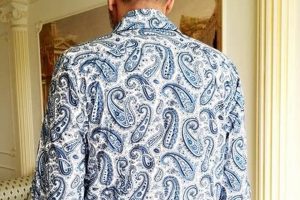
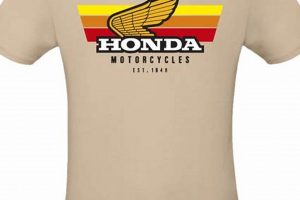
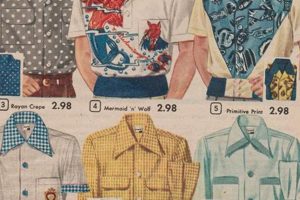
Apparel of a bygone era, specifically upper-body garments designed for women and exhibiting characteristics of past decades, constitutes a distinct category within the broader clothing market. These items often feature unique designs, fabrics, and construction techniques reflecting the trends and styles of their respective periods. A common example might include a fitted 1950s top with a novelty print or a loose-fitting 1970s garment featuring bold geometric patterns.
The appeal of acquiring these articles lies in several factors. They offer a connection to history, allowing individuals to express personal style through unique and often rare pieces. Furthermore, the production standards of previous eras often resulted in durable, high-quality garments that can withstand the test of time. The resurgence of interest in sustainability also contributes to the desirability of pre-owned clothing, offering an alternative to mass-produced contemporary items. Historically, the availability of such apparel has been limited to thrift stores and estate sales, but the rise of online marketplaces has significantly increased accessibility.
The subsequent sections will delve into identifying authentic examples, assessing condition and value, exploring popular styles from various decades, and providing guidance on incorporating these garments into a contemporary wardrobe.
Guidance on Acquiring and Maintaining Apparel from Past Eras
The following recommendations offer practical advice for individuals interested in purchasing and preserving authentic examples of clothing from previous decades. Adherence to these guidelines can help ensure satisfaction and longevity of these unique garments.
Tip 1: Authenticate Fabric and Construction. Scrutinize the garment’s fabric composition and construction techniques. Common materials used in earlier eras, such as natural fibers like cotton or linen, and techniques like hand-stitching or unique seam finishes can indicate authenticity. Investigate potential reproduction garments, which may employ modern materials and methods.
Tip 2: Assess Condition Critically. Examine the garment for signs of wear, including stains, tears, fading, and alterations. Understand that minor imperfections are common in older clothing, but significant damage may affect value and usability. Request detailed photographs or in-person inspections before purchase when possible.
Tip 3: Verify Sizing and Fit. Sizing standards have evolved over time. Relying solely on labeled size is unreliable. Obtain precise measurements of the garment, comparing them to personal measurements to ensure a proper fit. Consider potential alterations required for desired fit and aesthetic.
Tip 4: Research Specific Era Details. Familiarize oneself with the design characteristics, popular brands, and common motifs of the desired era. Knowledge will assist in verifying the authenticity and identifying potentially valuable or rare pieces.
Tip 5: Implement Proper Storage Techniques. To preserve clothing, use padded hangers for support and store garments in a cool, dry, and dark environment. Acid-free tissue paper can provide protection from creases and prevent color transfer between items.
Tip 6: Practice Gentle Cleaning Methods. Consult fabric care guides for recommended cleaning methods. Hand-washing or professional dry-cleaning is often preferred to machine-washing, which can be abrasive to older fabrics and delicate construction.
Tip 7: Seek Expert Appraisals When Necessary. If the garment is believed to be particularly rare or valuable, consult a professional appraiser. Appraisals provide documentation of authenticity and condition for insurance or resale purposes.
Adhering to these tips facilitates informed decision-making when acquiring, preserving, and appreciating apparel. Implementing these measures helps safeguard investment and ensures the continued enjoyment of these historical articles.
The subsequent sections will provide detailed information on identifying the best era for individual needs and exploring styling options for integrating these into a modern setting.
1. Era Identification

The identification of a garment’s originating era is fundamental to understanding its design, materials, and overall value. This process involves recognizing stylistic trends, manufacturing techniques, and prevalent themes associated with specific historical periods.
- Silhouette and Cut
Distinct silhouettes define different eras. For instance, fitted shapes were prevalent in the 1950s, while looser, boxier cuts were more common in the 1980s. The cut of the sleeves, neckline, and overall body of the garment can provide significant clues about its age. A T-shirt with cap sleeves and a nipped-in waist suggests an earlier era, whereas an oversized, drop-shoulder style points to a later period.
- Fabric and Material Composition
The types of fabrics used in construction evolved over time. Natural fibers like cotton were common throughout the 20th century, but the introduction of synthetic blends like polyester and rayon gained prominence in the mid-20th century. The texture, weight, and drape of the fabric can indicate its composition and, therefore, its likely era. A garment made of a heavy, slub cotton might suggest a pre-1970s origin, while a lightweight, stretchy polyester blend is more likely from the 1980s or later.
- Print and Graphic Styles
Print designs and graphic motifs reflect the cultural and artistic trends of their time. Screen printing techniques became increasingly sophisticated throughout the 20th century, allowing for more intricate and colorful designs. The subject matter of the print, such as political slogans, band names, or pop culture references, can also provide valuable information about the garment’s era. For instance, a garment featuring a hand-drawn illustration and limited color palette is likely from the 1960s or 1970s, whereas a garment with a digitally printed, photo-realistic image suggests a more recent origin.
- Labeling and Branding
Labels and branding practices varied significantly over time. The presence or absence of a union label, the style of the brand logo, and the care instructions provided can all offer clues about the garment’s age. Researching the history of specific brands and their labeling practices can be particularly helpful in era identification. A garment with a simple, minimalist label printed directly onto the fabric might be from the 1970s, while a garment with a detailed, woven label is more likely from an earlier period.
Determining the era of ladies’ garments often involves a multi-faceted approach, considering silhouette, fabric, graphics, and labeling. Applying this knowledge enables informed purchasing decisions, ensuring authenticity and reflecting intended style.
2. Fabric Composition

The fabric composition of ladies vintage garments directly impacts the garment’s durability, drape, and overall aesthetic, functioning as a primary indicator of the era in which it was produced. The availability and utilization of specific fibers and textile manufacturing processes have shifted significantly throughout the 20th century and beyond. For example, a garment created prior to the widespread adoption of synthetic fibers would almost certainly be composed of natural materials such as cotton, linen, or silk. The characteristics of these natural fibers, including their breathability and tendency to wrinkle, provide clues about the item’s age and intended use. Conversely, the presence of polyester or rayon suggests a later production date, reflecting advancements in textile technology and the increasing demand for wrinkle-resistant and easily maintained clothing. The interplay of these materials defines both the visual and tactile properties of the garment.
Assessing the fabric composition is critical for determining authenticity and proper care. Identifying the specific blend of fibers helps guide cleaning and preservation methods. For instance, delicate natural fibers may require hand washing or professional dry cleaning, while more resilient synthetic blends can often withstand machine washing. Furthermore, a knowledgeable assessment of the fabric can reveal whether a garment has been accurately represented. A piece advertised as a 1940s garment constructed of pure cotton but found to contain polyester would raise concerns regarding its authenticity. Similarly, understanding the weave and knit structure is essential. A fine lawn cotton, common in early 20th-century blouses, differs significantly from the jersey knit frequently found in garments dating from the 1970s and onwards.
In conclusion, a thorough comprehension of the fabric composition provides essential insight into the origin, care requirements, and value of pre-owned garments. The ability to distinguish between various fibers and their associated characteristics allows collectors and enthusiasts to make informed decisions, ensuring the preservation and appreciation of apparel as historical artifacts. However, relying solely on fabric composition is insufficient; consideration of design elements and construction techniques is crucial to achieve an accurate assessment.
3. Print Graphics

Print graphics are intrinsic to the identity and historical context of apparel. The designs emblazoned upon garments from past eras serve as visual records of cultural trends, societal values, and technological advancements. The selection of a graphic design can strongly influence the perception and desirability of a ladies item. For instance, a design featuring a 1960s psychedelic motif immediately places the item within that specific historical timeframe, appealing to consumers interested in the aesthetics and symbolism associated with that period. The use of specific inks, printing techniques, and graphic styles are strong indicators of era. The evolution of printing methods, from hand-painted designs to sophisticated screen-printing, significantly affected the complexity and durability of graphics.
The condition and originality of print graphics are key factors in determining value. A garment featuring a well-preserved, iconic graphic from a significant cultural event commands a higher price than an item with a faded or damaged print. The authenticity of the graphic design is equally important. Reproductions and unauthorized copies lack the historical significance and collectibility of the originals. Collectors often seek garments with unique or limited-edition prints, further enhancing their value. The rise of the online resale market has amplified the importance of detailed photographs and descriptions of print graphics, enabling potential buyers to assess the condition and authenticity from a distance. Specific artists or designers are also highly valued. Identifying a print made by a well-known artist increases the market price.
In summation, print graphics are indispensable for understanding and appreciating ladies garments. The style, subject matter, and condition of these graphics provide valuable insights into the garment’s historical context, cultural significance, and monetary worth. The ability to accurately assess the originality and condition of print graphics empowers collectors and consumers to make informed decisions, preserving the cultural heritage embedded within these garments.
4. Construction Quality
Construction quality is a paramount determinant of the longevity, fit, and overall value of ladies garments. The methods and materials employed in manufacturing these items, significantly impacting their resistance to wear and tear, also provide insight into the era of production and the garment’s intended use.
- Seam Construction and Durability
Seam construction dictates the garment’s ability to withstand stress and repeated wear. Flat-felled seams, often found in high-quality vintage garments, offer superior strength compared to overlocked or serged seams, common in more recent mass-produced items. Examining the stitching density, thread type (e.g., cotton vs. synthetic), and seam finishes reveals the level of care and craftsmanship invested in the garment’s construction. A tightly stitched, reinforced seam is indicative of superior quality and extended lifespan.
- Fabric Integrity and Fiber Strength
The inherent strength and durability of the fabric directly influence the garment’s resistance to abrasion, stretching, and tearing. Natural fibers like tightly woven cotton or linen often exhibit greater resilience than loosely knit synthetics. Assessing the fabric’s weight, weave structure, and resistance to pilling or snagging provides insight into its overall quality. Higher quality fabrics not only withstand wear more effectively but also retain their shape and appearance over time.
- Hardware and Fastener Quality
The quality of zippers, buttons, snaps, and other fasteners contributes significantly to the garment’s functionality and aesthetic appeal. Vintage garments featuring metal zippers or meticulously crafted buttons often possess a level of durability and visual interest absent in contemporary mass-produced items. Examining the material, construction, and attachment method of these components reveals the attention to detail and overall quality of the garment. Sturdy, well-attached hardware ensures ease of use and enhances the garment’s lifespan.
- Lining and Interfacing
The presence and quality of linings and interfacing provide structural support and enhance the garment’s drape and shape retention. Well-constructed linings, typically made of breathable and durable fabrics, prevent stretching and add a layer of protection against wear and tear. Interfacing, used to reinforce collars, cuffs, and other areas, maintains the garment’s shape and prevents sagging. A garment with a carefully constructed lining and appropriately applied interfacing is indicative of superior construction quality.
In summary, the construction quality of ladies vintage garments encompasses numerous interconnected factors, including seam construction, fabric integrity, hardware quality, and the presence of linings and interfacing. These elements collectively determine the garment’s durability, fit, and overall value, providing valuable insight into its origin and manufacturing standards.
5. Condition Assessment
Condition assessment plays a crucial role in evaluating vintage garments, directly impacting their value and usability. The state of preservation of a ladies item significantly affects its desirability among collectors and consumers. Defects such as stains, tears, fading, and alterations diminish the garment’s appeal and may render it unsuitable for wear or display. Conversely, well-preserved apparel commands higher prices and offers a more authentic representation of its original design. A significant tear on the front of a valuable 1970s concert tee, for example, drastically reduces its market value compared to a similar garment in pristine condition. Therefore, a thorough condition assessment is essential prior to purchase or sale.
Effective assessment involves careful inspection for various types of damage. Stains, particularly those caused by age or improper storage, can be difficult or impossible to remove without damaging the fabric. Tears, holes, and fraying indicate structural weakness and may require professional repair. Fading, often caused by exposure to sunlight, alters the original color and vibrancy of the garment. Alterations, while sometimes necessary for fit, can detract from the garment’s historical accuracy and collectibility. For instance, the addition of shoulder pads to an authentic item reduces value to purists, even if well-done. An assessment considers these factors, providing a comprehensive overview of the item’s current state. It is necessary to account for the inherent fragility of vintage fabrics, where signs of age do not necessarily detract from value, but outright damage will.
Ultimately, the understanding derived from condition assessment informs decisions regarding purchase, restoration, and preservation. Accurately evaluating the state of an item enables informed negotiations, appropriate cleaning and repair methods, and proper storage techniques. It enables realistic expectations about long-term viability. The connection between condition and value underscores the importance of thorough inspection and accurate reporting. Such attentiveness enhances consumer confidence and facilitates the responsible handling of ladies garments.
6. Market Value

The market value of ladies vintage garments is significantly influenced by a complex interplay of factors, including scarcity, condition, historical significance, brand recognition, and prevailing fashion trends. High demand for specific styles or eras, coupled with limited availability, directly elevates market prices. Garments associated with iconic designers, influential cultural movements, or significant historical events typically command a premium. For example, a garment featuring an original design connected with a well-known artist tends to exhibit enhanced value. The overall condition of the item directly affects its worth, with pieces in excellent or near-mint condition fetching substantially higher prices than those exhibiting damage or wear. As vintage fashion cycles, fluctuations in demand create volatile market conditions. When there is public awareness from media, it creates an immediate boost to value.
Practical applications of understanding market dynamics enable informed decision-making for both buyers and sellers. Sellers can leverage knowledge of current trends and scarcity to optimize pricing strategies, maximizing potential profits. Conversely, buyers can identify undervalued items and negotiate favorable prices by recognizing factors that may detract from market value, such as minor imperfections or less desirable design elements. Knowledge of authentication techniques and historical context mitigates the risk of purchasing misrepresented or counterfeit items. The identification of niche markets for specialized garments facilitates targeted marketing and acquisition strategies.
In summary, market value serves as a crucial indicator of worth and desirability within the sphere of vintage apparel. Awareness of underlying factors that drive market prices empowers stakeholders to navigate this complex landscape effectively. Despite challenges posed by fluctuating trends and the inherent subjectivity of vintage fashion, a comprehensive understanding of market dynamics remains essential for informed participation in this sector.
Frequently Asked Questions
The subsequent questions address common inquiries regarding apparel from past eras, providing clarification on pertinent aspects of authenticity, care, and value.
Question 1: How can authenticity of these items be reliably verified?
Authenticity verification necessitates a comprehensive evaluation of various factors, including fabric composition, construction techniques, labeling, and print graphics. Discrepancies between these elements and the known characteristics of the purported era of origin may indicate inauthenticity.
Question 2: What are the recommended cleaning methods for apparel?
Recommended cleaning methods vary based on fabric type and garment construction. Delicate natural fibers, such as silk or linen, typically require hand-washing or professional dry cleaning. Durable synthetic blends may withstand gentle machine washing, though caution is advised.
Question 3: How does condition impact the value of ladies items?
Condition is a primary determinant of value. Items in excellent or near-mint condition command significantly higher prices than those exhibiting damage, wear, or alterations. Minor imperfections may be acceptable, but significant flaws detract from the item’s worth.
Question 4: What factors contribute to the scarcity of particular garments?
Scarcity arises from a combination of limited production runs, the passage of time, and preservation rates. Items produced in small quantities or those associated with specific cultural events often become increasingly rare as time elapses.
Question 5: How can ladies garments be properly stored to prevent damage?
Proper storage involves using padded hangers to maintain shape, storing items in a cool, dry, and dark environment, and employing acid-free tissue paper to prevent creases and color transfer. Avoid storing garments in direct sunlight or humid conditions.
Question 6: Are alterations to apparel acceptable, and how do they affect value?
Alterations can diminish the value, particularly if they deviate significantly from the original design. While minor repairs may be necessary to maintain usability, extensive alterations compromise the garment’s historical accuracy and collectibility.
These answers provide insights into key considerations when acquiring and preserving apparel. Understanding these concepts contributes to informed decision-making and responsible handling of these historical garments.
The subsequent sections will explore styling options and provide examples of iconic designs from various eras.
In Conclusion
This analysis has elucidated fundamental aspects of ladies vintage t shirts, encompassing identification, condition assessment, and market value determinants. Understanding fabric composition, print graphics, and construction quality is crucial for informed acquisition and preservation. The impact of condition on value underscores the need for meticulous inspection. The interplay of scarcity, historical significance, and contemporary trends shapes the market value.
As interest in sustainable fashion and historical appreciation grows, ladies vintage t shirts will maintain their relevance. Continued education and rigorous authentication practices are essential to safeguard the integrity of this market. The preservation of these garments ensures the continued availability of tangible artifacts reflecting past eras.