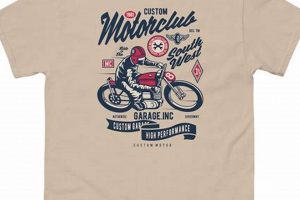
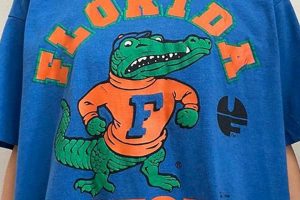
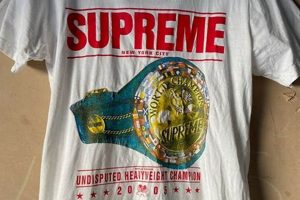
Apparel featuring musical artists, bands, or related imagery from previous eras represents a distinct segment of the clothing market. These items, often screen-printed on cotton or similar fabrics, evoke a sense of nostalgia and connection to specific periods in music history. A classic example is a faded tee displaying the logo of a popular rock band from the 1970s, acquired from a thrift store or estate sale.
The significance of such garments extends beyond mere functionality. They serve as tangible artifacts of cultural moments, reflecting evolving musical tastes and fashion trends. Their desirability stems from a combination of factors: rarity, design aesthetics characteristic of their time, and the enduring appeal of the musical acts they represent. Owning one connects the wearer to a particular subculture or historical period, offering a unique form of self-expression and identification. These items also hold potential investment value, with certain designs and bands commanding substantial prices in collector’s markets.
The following discussion will delve into the characteristics that define desirable pieces, the nuances of identifying authentic examples versus reproductions, and the best practices for preserving these historical artifacts for future generations.
Essential Considerations for Acquiring Authentic Garments
The acquisition of authentic apparel from previous eras requires careful consideration to ensure value and historical accuracy. Diligence in research and examination is paramount.
Tip 1: Assess Fabric Integrity: Examine the fabric composition and condition. Original garments from the 1970s, for example, will likely exhibit wear consistent with age and may be composed of single-stitch construction. Modern reproductions often utilize different materials and stitching techniques.
Tip 2: Scrutinize Graphic Quality: Evaluate the print quality and ink type. Original screen prints often exhibit a degree of cracking or fading due to age. Modern printing methods produce a sharper, more consistent image that may lack the characteristic imperfections of older prints.
Tip 3: Verify Tag Authenticity: Research the tag style and manufacturer associated with the era. Vintage tags contain specific brand names, logos, and sizing conventions that can be cross-referenced with online databases and collector communities. Inconsistencies may indicate a reproduction.
Tip 4: Investigate Licensing Information: Confirm the presence of copyright or licensing information related to the musical artist or band. Unauthorized reproductions often lack these details or feature inaccurate representations.
Tip 5: Consider Provenance: Whenever possible, gather information about the garment’s history and ownership. Provenance can add significant value and authenticity, particularly if documented through photographs, receipts, or personal accounts.
Tip 6: Compare Against Known Examples: Consult with established collectors and online resources to compare the garment against authenticated examples. This comparative analysis can reveal discrepancies in design, construction, or materials.
Tip 7: Understand Pricing Fluctuations: Research the market value of comparable garments to avoid overpayment. Rarity, condition, and band popularity influence pricing; however, be wary of inflated prices for pieces of questionable authenticity.
Careful assessment of fabric, graphics, tags, licensing, provenance, and market value is crucial. Combining these considerations increases the likelihood of acquiring an authentic and valuable piece.
With a solid understanding of the key considerations, the next section will explore cleaning and preservation methods to maintain the garment’s integrity.
1. Fabric composition

The textile composition of apparel from past eras is a crucial indicator of its age and authenticity. The fabrics employed in manufacturing “music t shirts vintage” directly reflect the available materials and production technologies of the time. Earlier examples, particularly those from the 1960s and 1970s, often feature single-knit cotton, sometimes blended with polyester. These fabrics possess a distinct texture and weight compared to the more refined, pre-shrunk cotton blends commonly used in contemporary manufacturing. The presence of specific fabric blends can serve as a primary identifier, differentiating a genuine article from a modern reproduction. For instance, a tee advertised as being from the early 1970s that is made entirely of modern ring-spun cotton is immediately suspect.
Furthermore, the degradation patterns exhibited by the fabric over time provide valuable clues. Original vintage pieces may display fading, staining, or small imperfections attributable to years of wear and washing. The way these imperfections manifest is dependent on the fabric composition. A cotton/polyester blend will fade and wear differently than 100% cotton. These nuanced variations are difficult to replicate convincingly in reproductions. Consider the characteristic “cracking” of a screen print on a well-worn, single-knit cotton tee from the 1970s; the underlying fabric structure influences how that cracking develops, creating a unique and practically impossible-to-duplicate effect.
In summary, fabric composition is not merely a material detail; it’s a critical data point in evaluating the authenticity and historical value of musical apparel. Understanding the fabric types prevalent during different periods allows collectors and enthusiasts to make informed assessments. While pinpointing exact fabric blends can be challenging without laboratory analysis, knowledge of general trends in textile manufacturing provides a solid foundation for distinguishing genuine vintage pieces from contemporary imitations, contributing significantly to the preservation of musical heritage.
2. Print degradation

Print degradation, the deterioration of graphic elements on apparel from past eras, represents a significant factor in assessing authenticity and value. The specific patterns and characteristics of this degradation serve as indicators of age, wear, and originality within the vintage clothing market.
- Ink Cracking and Crazing
Over time, the inks used in screen printing become brittle, leading to cracking and crazing a network of fine lines across the printed surface. The nature of this cracking is dependent on the ink type, the fabric on which it was printed, and the environmental conditions to which the garment was exposed. Genuine vintage apparel often exhibits a specific type of cracking that is difficult to replicate convincingly, involving deep fissures and a weathered appearance. Modern reproductions often feature a more uniform and less textured cracking pattern.
- Color Fading and Bleeding
Exposure to sunlight, washing, and general wear can cause the colors in printed graphics to fade or bleed. The rate and extent of this fading are influenced by the original dye quality and the garment’s care history. In authentic cases, colors may exhibit a subtle, uneven fading that contributes to the vintage aesthetic. Modern printing techniques often produce more durable and fade-resistant colors, making significant fading a potential red flag when evaluating vintage authenticity.
- Print Texture and Hand Feel
The “hand feel” of a printed graphic, or its texture when touched, changes over time. Original screen prints often develop a raised, slightly stiff texture that softens with repeated washing. The print may also become more integrated with the fabric as the ink settles and adheres over years. Modern printing methods often produce a smoother, more pliable print that lacks the characteristic stiffness and integration found in authentic vintage examples.
- Image Distortion and Misregistration
Minor image distortion or misregistration, where different colors or layers of the print are slightly out of alignment, can occur during the original printing process or as the garment ages. These imperfections, while seemingly minor, can be indicative of vintage production techniques and contribute to the unique character of the apparel. Perfectly aligned and flawlessly printed graphics are more characteristic of modern, mass-produced items.
In conclusion, the specific characteristics of print degradation, including ink cracking, color fading, texture changes, and image imperfections, provide valuable insights into the age and authenticity of garments. Collectors and enthusiasts utilize these indicators to differentiate genuine pieces from reproductions, contributing to the preservation of musical heritage by valuing items with the unique characteristics associated with age and wear.
3. Tag characteristics

The identification tags affixed to garments from previous eras provide critical data points for determining authenticity and establishing provenance. Tag characteristics, including material composition, design elements, manufacturer details, and sizing conventions, serve as indicators of age and origin for apparel, particularly within the market for music-related pieces.
- Material and Weave:
Vintage tags exhibit a range of materials and weave patterns reflective of textile manufacturing practices during their respective periods. Earlier tags were often constructed from woven cotton or rayon, displaying a distinctive texture and weight. The type of weave, such as plain weave or satin weave, can further indicate the tag’s age. Modern reproductions often utilize synthetic materials or different weaving techniques, resulting in a markedly different feel and appearance. For example, a tag claiming to be from the 1970s but made from a synthetic microfiber is likely a reproduction.
- Font and Typography:
The fonts and typography employed on tags offer subtle clues about the era of production. Vintage tags frequently feature specific font styles, such as block lettering, script fonts, or serif fonts, that were popular during certain periods. The kerning, leading, and overall layout of the text are also characteristic of the printing technologies available at the time. Comparing the font styles and typography on a tag with known examples from reputable sources can help determine its authenticity. Anachronistic font choices are a potential sign of inauthenticity.
- Manufacturer and Branding:
The manufacturer’s name, logo, and branding elements on a tag provide valuable information about the garment’s origin. Vintage tags often display the names of specific clothing manufacturers or distributors that were prominent during certain eras. Researching these manufacturers and their branding practices can help verify the tag’s authenticity. The presence of outdated logos, defunct company names, or inconsistencies in branding can indicate a reproduction. Some tags also feature union labels, which can be cross-referenced to determine the period of production based on union membership records.
- Sizing and Care Instructions:
Sizing conventions and care instructions printed on tags vary across different eras. Vintage tags may use outdated sizing terminology, such as “Small,” “Medium,” “Large,” or numerical sizing systems that differ from contemporary standards. The care instructions, including washing and drying recommendations, also reflect the laundry practices of the time. The absence of modern care symbols or the use of sizing terminology that is inconsistent with historical practices can suggest a reproduction. For example, a vintage tag with washing instructions including modern “tumble dry low” symbology warrants further scrutiny.
In summary, careful examination of tag material, font, manufacturer information, sizing, and care instructions provides essential insights into the age and authenticity of garments. Evaluating these elements collectively enhances the ability to distinguish genuine pieces from modern reproductions, contributing to the accurate identification and preservation of musical apparel.
4. Licensing validation

Licensing validation serves as a critical component in determining the authenticity and legal status of “music t shirts vintage”. The practice involves verifying that the manufacturer of the apparel possessed the requisite permissions from the musical artist, band, or their representatives to utilize their likeness, logos, or copyrighted artwork. This validation process is essential due to the prevalence of unauthorized merchandise in the vintage market. The absence of proper licensing can denote a counterfeit item, significantly diminishing its value and potentially exposing the seller or owner to legal ramifications. For instance, a garment purportedly from a 1980s concert tour that lacks any visible copyright notice or licensing information from the band’s management would warrant further investigation.
The process of licensing validation involves several approaches. Firstly, examining the garment for copyright symbols (), trademark symbols (), or specific licensing agreements printed on the tag or fabric. Secondly, researching the manufacturer and comparing their licensing history with that of the artist or band. Publicly available databases and resources maintained by intellectual property organizations can assist in this investigation. Thirdly, consulting with established collectors or experts in music memorabilia, who often possess extensive knowledge of licensing practices during different eras. A practical example is the verification of a Grateful Dead tee from the early 1970s, where the presence of a specific Warner Bros. licensing notation on the tag confirms its official status and increases its collectibility.
In conclusion, licensing validation is paramount for establishing the legitimacy and value of “music t shirts vintage”. The challenges associated with identifying unauthorized merchandise underscore the importance of meticulous examination and research. Understanding licensing practices protects buyers from acquiring counterfeit items and ensures that ownership aligns with legal and ethical considerations within the broader context of musical heritage preservation.
5. Artist popularity
The degree to which a musical artist resonates with the public directly influences the desirability and value of apparel featuring their likeness or associated imagery. Higher artist recognition correlates with increased demand, driving up the market price for vintage items. This relationship is causal; sustained or resurgent prominence translates to heightened collectibility. Garments associated with universally recognized acts, such as The Beatles or The Rolling Stones, command significantly higher prices than those linked to lesser-known, albeit potentially influential, artists from the same era. The enduring appeal of these icons ensures a consistent market for related merchandise, effectively establishing a baseline value that surpasses that of their less celebrated contemporaries.
This dynamic extends beyond simple name recognition. Periods of peak creative output, significant cultural impact, or historical events associated with an artist further amplify demand. For example, apparel from a band’s most successful album tour or a festival appearance often becomes highly sought after, particularly if those events were pivotal moments in the artist’s career. Similarly, designs commemorating specific anniversaries or achievements can gain considerable value. The practical significance of understanding this connection lies in informing acquisition and appraisal strategies. Collectors and dealers must consider not only the garment’s condition and age but also the artist’s historical trajectory and cultural standing when assessing its potential worth.
In summary, artist popularity functions as a key determinant of value. Successful apparel investment relies on understanding which artists have maintained or increased their appeal over time, and which specific garments connect with pivotal moments in their careers. Market fluctuations, revival trends, and newly emerging fanbases can all impact an artist’s collectibility. However, the foundational principle remains: increased artist recognition translates directly into greater value for apparel bearing their image or brand. Navigating these nuances requires a continuous awareness of music history, cultural trends, and shifts in consumer preferences, representing an ongoing challenge for those involved in the vintage apparel market.
Frequently Asked Questions
The following section addresses common inquiries and clarifies prevalent misconceptions surrounding apparel featuring musical artists from previous periods. Emphasis is placed on factual accuracy and objective analysis.
Question 1: How can one differentiate between an authentic vintage piece and a modern reproduction?
Authenticity verification requires careful examination of fabric composition, print quality, tag characteristics, and licensing information. Vintage fabrics, printing techniques, and tag designs differ markedly from modern counterparts. Discrepancies in these elements suggest a reproduction.
Question 2: What factors contribute to the value of such a garment?
Value is determined by a combination of rarity, condition, artist popularity, historical significance, and provenance. Scarce designs, well-preserved items, and associations with iconic artists or pivotal events command higher prices.
Question 3: How should such items be properly cared for to preserve their condition?
Preservation requires gentle handling, careful washing in cold water with mild detergents, and air-drying away from direct sunlight. Professional cleaning may be advisable for delicate or heavily soiled items. Archival storage in acid-free materials is recommended.
Question 4: Are garments featuring lesser-known artists devoid of value?
Not necessarily. While artist popularity influences market price, garments featuring obscure or cult artists can possess significant appeal to niche collectors and enthusiasts, especially if the design is rare or aesthetically unique.
Question 5: What recourse does a buyer have if they purchase a misrepresented or counterfeit item?
Recourse depends on the seller’s policies and applicable consumer protection laws. Documentation of the misrepresentation, such as photographs and expert opinions, is crucial. Disputes may be resolved through mediation, arbitration, or legal action.
Question 6: Do garments damaged or heavily worn possess any value?
Even damaged pieces can retain some value, particularly if the design is extremely rare or historically significant. Collectors may be interested in acquiring them for restoration purposes or as examples of wear and tear.
In conclusion, the acquisition, preservation, and valuation of apparel from past eras requires diligent research, careful examination, and a nuanced understanding of market dynamics. Understanding these factors is essential for both collectors and sellers.
The subsequent discussion will explore ethical considerations surrounding the acquisition and resale of these artifacts.
Conclusion
This exploration has elucidated critical facets concerning apparel featuring musical artists and related imagery from prior eras. Key determinants of authenticity and value, encompassing fabric composition, print degradation, tag characteristics, licensing validation, and artist popularity, have been thoroughly examined. Best practices for acquisition, preservation, and care have also been addressed, offering a comprehensive understanding of this specialized segment of the apparel market.
The enduring appeal of “music t shirts vintage” lies not only in their aesthetic qualities but also in their capacity to serve as tangible links to cultural history. Continued diligence in authentication and ethical practices in acquisition will ensure that these artifacts are preserved for future generations, maintaining their value as both collector’s items and historical documents.