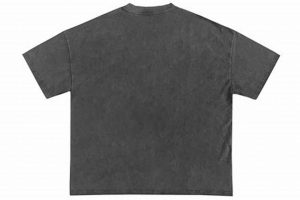
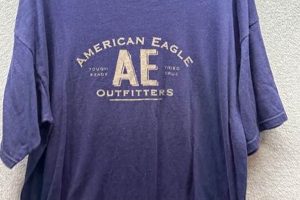
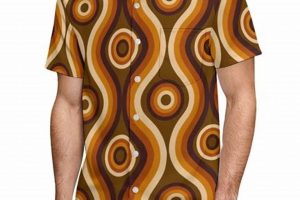
Apparel commonly associated with establishments serving alcoholic beverages from past eras, these garments represent a unique intersection of fashion and bar culture. These items may feature logos, graphics, or designs reminiscent of particular time periods and breweries or distilleries. As examples, consider a 1970s t-shirt promoting a now-defunct brewery or a bowling shirt adorned with the name of a long-gone local tavern.
These garments offer insight into the history of drinking culture and the evolution of graphic design. Their appeal stems from a combination of nostalgia, rarity, and distinctive aesthetic qualities. They are collected for their historical significance, worn as a statement of personal style, and appreciated for their unique character that mass-produced clothing lacks. Furthermore, they can reflect the branding and marketing strategies employed by alcohol producers and bars throughout history.
The following sections will explore various facets of this clothing category, including identifying characteristics, factors influencing value, preservation techniques, and notable examples from different historical periods, providing a detailed overview of this niche market.
Tips for Acquiring and Maintaining Vintage Bar Shirts
Acquiring and preserving clothing associated with bars from past eras necessitates a discerning approach. These items often require specialized care and assessment. The following guidelines offer practical advice for individuals interested in collecting or maintaining these unique garments.
Tip 1: Authentication is Paramount: Before purchase, meticulously examine the garment for indicators of authenticity. Research labels, printing techniques, and fabric composition appropriate for the purported era. Consult with experienced collectors or appraisers when uncertainty exists.
Tip 2: Assess Condition Critically: Evaluate the condition of the garment, noting any stains, tears, fading, or structural weaknesses. Factor the condition into the purchase price and anticipated restoration costs. Photographs can often hide flaws, so in-person inspection is preferable.
Tip 3: Prioritize Proper Storage: Store these garments in a cool, dry environment away from direct sunlight and extreme temperature fluctuations. Use acid-free tissue paper for padding and avoid hanging delicate items, opting instead for flat storage.
Tip 4: Implement Gentle Cleaning Methods: When cleaning is necessary, opt for hand-washing with a mild detergent specifically designed for delicate fabrics. Avoid harsh chemicals, bleach, and machine drying. Consider professional cleaning for valuable or fragile items.
Tip 5: Research Historical Context: Understanding the history of the establishment or brand represented on the garment enhances its value and personal appreciation. Investigate the brewery, distillery, or bar’s history, its significance within its community, and its relevance to popular culture.
Tip 6: Consider Professional Restoration: For garments exhibiting significant damage, professional restoration may be advisable. Seek out specialists with experience in preserving vintage textiles. Weigh the cost of restoration against the potential increase in value and the garment’s sentimental significance.
Adhering to these guidelines helps ensure the longevity and value of these distinctive items. Diligent authentication, careful preservation, and historical research are all integral components of responsible ownership.
The subsequent sections will further elaborate on specific examples of vintage apparel and delve into the intricacies of valuing these artifacts.
1. Era Identification

Determining the era of origin for clothing is crucial when assessing such garments. This process significantly impacts its value, collectibility, and historical context.
- Fabric Analysis
Fabric types provide initial clues about a garment’s age. Natural fibers such as cotton, linen, and wool were prevalent in earlier periods. The introduction and widespread adoption of synthetic materials like polyester and rayon occurred later. The specific weave, texture, and composition of the fabric can narrow down the potential era of production. For example, a shirt made entirely of rayon is unlikely to predate the 1930s.
- Label Examination
Labels often contain information about the manufacturer, fabric content, care instructions, and sizing. Changes in label design, typography, and the inclusion of union labels provide valuable clues. Analyzing the label’s presence, absence, and specific characteristics can help pinpoint the garment’s era. A label with a zip code, for instance, indicates production after 1963.
- Construction Techniques
Sewing techniques and construction methods evolved over time. Examining the type of stitching, seam finishes, and hardware (buttons, zippers, snaps) can offer insight into the garment’s age. For instance, serged seams are a relatively modern development. Hand-stitched elements typically indicate older garments.
- Graphic Style and Design
The graphic elements printed on or embroidered onto a shirt often reflect the aesthetic trends of a particular era. Font choices, color palettes, and imagery can be indicative of specific decades. A shirt featuring a bold, geometric design with vibrant colors is likely from the 1970s. Logos and branding elements also change over time, providing further clues.
These elements collectively contribute to accurate era identification. Correctly dating a garment is essential for assessing its historical significance and placing it within the broader context of bar culture and fashion trends. Inaccuracies in era identification can significantly affect the perceived value and collectibility.
2. Fabric Composition

The material construction of vintage garments directly informs their durability, appearance, and historical placement. The fabric used significantly impacts the item’s aesthetic appeal, longevity, and care requirements. Early examples frequently employed natural fibers like cotton, linen, and wool due to their availability. These materials offered varying degrees of comfort and breathability, but were often less durable than later synthetic alternatives. A pre-1950s promotional shirt for a brewery might feature a lightweight cotton broadcloth, reflecting the prevalent textile technology of the time.
As synthetic textiles emerged, manufacturers incorporated rayon, acetate, and later, polyester and blends, into their apparel. This shift influenced not only the feel and drape of the garments but also their printing capabilities. The introduction of polyester, for example, allowed for more vibrant and durable graphic designs. A 1970s bar shirt featuring a bold, screen-printed logo might utilize a polyester blend for increased colorfastness and resistance to wrinkles. The use of specific materials, or the blend of materials, can also serve as an indicator of the time period when the shirt was produced.
Understanding fabric composition is crucial for proper identification and care. Improper cleaning or storage can lead to irreversible damage. Moreover, the fabric itself contributes to the garment’s authenticity and value. Collectors often seek out items made from specific materials that are representative of a particular era. The composition ultimately intertwines with the shirt’s overall story, adding a layer of tangible history to the garment, and determining the methods required to maintain its legacy.
3. Graphic Integrity
The visual elements on such garments contribute significantly to their value and historical importance. “Graphic Integrity” refers to the condition and authenticity of these designs, logos, and text, and their preservation is crucial for accurate representation and valuation. Deterioration, fading, or alterations impact the garment’s ability to accurately reflect its era and associated brand. For example, a vintage t-shirt from a defunct brewery featuring a crisp, vibrant logo offers a clearer depiction of the company’s branding than a similar shirt with a heavily faded or cracked design. The integrity of the graphic directly influences its desirability among collectors and historians.
Examining screen-printing techniques, color accuracy, and the presence of any unauthorized modifications is essential when assessing graphic integrity. Original screen prints often display specific characteristics related to the inks and application methods used during their time of production. Inconsistencies or variations can indicate reproduction or later alterations. Furthermore, assessing the accuracy of the colors relative to documented brand guidelines from the era helps determine the authenticity of the graphics. Cases involving altered graphics can significantly devalue the item, transforming an authentic vintage piece into a misrepresented or even fraudulent product. The practical significance lies in the ability to accurately assess these visuals, ensuring the item’s historical context and associated market value are correctly understood.
The preservation of such images presents a challenge, particularly with garments subjected to frequent wear and washing. Protecting the graphic elements from excessive sunlight exposure, harsh detergents, and abrasive contact is vital for maintaining its integrity. Furthermore, documenting the original graphic design details through photography and archival research contributes to its long-term preservation. Ultimately, maintaining graphic integrity ensures the garments continue to serve as valuable historical artifacts, accurately representing the visual culture of the time.
4. Brand Association

The connection between brands and garments constitutes a significant aspect of their historical and commercial value. These affiliations reflect marketing strategies, consumer preferences, and the overall cultural landscape of the time. Recognizing the brand associated with a shirt is vital for determining its authenticity, rarity, and potential market value.
- Historical Context of Brand
Understanding the history of the brand featured on a garment provides insight into its significance. A shirt bearing the logo of a long-defunct regional brewery offers a glimpse into local industry and consumer culture. Investigating the brand’s history, its market position, and its advertising campaigns contributes to a more complete understanding of the garment’s value as a historical artifact.
- Licensing and Merchandising
Agreements between bars, breweries, distilleries, and apparel manufacturers determine which designs appeared on the shirts. Identifying if a garment was an officially licensed product versus a local bar’s in-house design impacts its collectibility and historical authenticity. Licensed merchandise often reflects established branding guidelines and production standards, while local designs may exhibit unique characteristics and limited distribution.
- Logo Evolution
Brands often evolve their logos and visual identities over time. Recognizing the specific logo style displayed on a shirt helps pinpoint its era of production. Comparing the logo to established brand archives and historical documentation verifies its authenticity and provides crucial dating information. This logo recognition directly influences the perceived value.
- Consumer Perception and Nostalgia
Certain brands evoke strong emotional connections and nostalgia. These associations drive consumer demand and increase the value of related vintage apparel. Shirts featuring brands associated with positive experiences, cultural trends, or personal memories often command higher prices in the vintage market.
Brand associations represent a critical aspect of these vintage items, influencing their historical significance, market value, and appeal to collectors. A thorough understanding of these associations is crucial for accurate identification, valuation, and appreciation of these garments.
5. Condition Assessment
The evaluation of a vintage garment’s physical state is paramount to determining its authenticity, value, and suitability for collection or wear. For apparel associated with bars of previous eras, this assessment requires careful attention to various factors that distinguish a well-preserved specimen from one diminished by time and use. Understanding these elements ensures informed decisions regarding acquisition, restoration, and long-term preservation.
- Fabric Integrity
The strength and consistency of the material form the foundation of the condition assessment. Degradation, manifested as thinning, weakening, or disintegration of fibers, signals reduced structural integrity. Examples include dry rot in cotton shirts stored in damp environments or the shattering of rayon due to age and exposure to light. Extensive fabric damage compromises the garment’s ability to withstand wear and reduces its value significantly.
- Stain and Discoloration Analysis
The presence, nature, and extent of stains and discoloration are crucial indicators of the shirt’s history and care. Stains from spills, perspiration, or improper cleaning affect aesthetic appeal and potentially weaken fibers. Yellowing or fading due to sunlight exposure similarly degrades the shirt’s visual presentation. Severe or irreversible staining detracts from the garment’s value and desirability.
- Graphic Print Evaluation
The quality of the graphic elements, including screen prints, embroidery, and appliques, greatly impacts the overall condition. Cracking, peeling, fading, or distortion of the design diminishes its visual impact and historical accuracy. Examination under magnification reveals subtle details such as ink adherence and fiber interaction. A well-preserved graphic significantly enhances the shirt’s collectability and value.
- Structural Component Examination
Buttons, seams, collars, and cuffs represent critical structural elements requiring thorough inspection. Missing buttons, frayed seams, torn collars, and worn cuffs indicate areas of stress and potential failure. The presence of original components versus replacements or repairs also influences the garment’s authenticity and value. Well-maintained structural components contribute to the shirt’s overall longevity and wearability.
These facets of condition assessment collectively inform the overall evaluation of a particular garment. A vintage beer-branded shirt exhibiting minimal fabric damage, intact graphics, and original structural components represents a highly desirable item for collectors. Conversely, a shirt with extensive stains, faded graphics, and weakened fabric requires significant restoration or may be deemed unsuitable for preservation. Ultimately, a comprehensive condition assessment is essential for making informed decisions about these historical artifacts.
6. Rarity Factor
The scarcity of specific shirts directly influences their value and desirability. Several factors contribute to the classification of a “vintage bar shirt” as rare, including limited production runs, specific promotional events, or regional distribution. A shirt commemorating a one-time anniversary of a local tavern, for instance, would inherently possess a higher “Rarity Factor” compared to a mass-produced item available nationwide. Furthermore, garments associated with establishments that have since closed or brands that are no longer in production often become more valuable due to their increasing scarcity. The “Rarity Factor” is, therefore, a critical element in determining the potential market value of these artifacts.
The impact of the “Rarity Factor” is further amplified by the garment’s condition and historical significance. Even a rare shirt in poor condition may command a premium price, but a pristine example of a limited-edition item can achieve significantly higher valuations. For example, a perfectly preserved t-shirt promoting a limited-release beer from a microbrewery in the 1980s, of which only a few hundred were ever printed, could be highly sought after by collectors. Understanding the “Rarity Factor” requires meticulous research into the history of the shirt’s associated brand or establishment, production numbers, and survival rates.
Assessing “Rarity Factor” presents certain challenges, as accurate production data and distribution records are often unavailable. Collectors and appraisers rely on a combination of historical research, anecdotal evidence, and market trends to estimate the scarcity of a particular item. While pinpointing the precise “Rarity Factor” may be difficult, recognizing the factors that contribute to scarcity is essential for both collectors and sellers navigating the vintage apparel market. The rarity of a shirt ultimately reinforces its uniqueness and contributes to its appeal as a tangible piece of cultural history.
Frequently Asked Questions
The following addresses common inquiries regarding the acquisition, preservation, and valuation of these shirts. The answers provided aim to offer clarity and informed guidance within this specialized field.
Question 1: What defines a shirt as “vintage” in the context of bar-related apparel?
Generally, items exceeding 20 years in age are considered vintage. However, collectibility and historical significance also play a role. A shirt from 2005 may not be deemed as valuable as one from 1975, depending on its design, brand association, and overall rarity.
Question 2: How can one authenticate a vintage bar shirt?
Authentication involves examining several key features, including fabric composition, label details, stitching techniques, and graphic design characteristics. Researching the brand’s history and comparing the shirt to known examples are crucial steps.
Question 3: What factors most influence the value of these vintage garments?
Rarity, condition, brand association, historical significance, and aesthetic appeal are all pivotal. A shirt promoting a short-lived brewery in pristine condition will generally command a higher price than a common design with significant wear.
Question 4: How should these vintage shirts be properly stored to prevent damage?
Ideal storage involves a cool, dry environment away from direct sunlight. Acid-free tissue paper should be used for padding, and delicate items should be stored flat rather than hung to prevent stretching.
Question 5: What are the risks associated with laundering these garments?
Machine washing and harsh detergents can damage delicate fabrics and fade graphic designs. Hand-washing with a mild detergent specifically designed for vintage textiles is generally recommended. Professional cleaning may be necessary for valuable or fragile items.
Question 6: Where can one typically acquire these vintage shirts?
Sources include vintage clothing stores, online auction sites, estate sales, and specialized collector communities. Thorough research and careful inspection are crucial before making a purchase.
These FAQs offer a foundational understanding of this nuanced market. Further exploration into specific brands, eras, and design trends will enhance expertise in the field.
The next section will delve into case studies of notable vintage bar apparel, providing real-world examples of the principles discussed.
Conclusion
This exploration has demonstrated that vintage bar shirts represent more than mere articles of clothing. They serve as tangible artifacts of cultural and commercial history, reflecting evolving marketing strategies, consumer preferences, and societal trends related to the alcohol and hospitality industries. The value of these items hinges upon a complex interplay of factors including era, fabric, graphic integrity, brand affiliation, condition, and scarcity, requiring diligent assessment and specialized knowledge for proper evaluation.
Continued research and meticulous preservation efforts are essential to ensuring that these garments remain accessible resources for understanding the past. By recognizing the historical significance and inherent value of vintage bar shirts, collectors, historians, and enthusiasts can contribute to the preservation of a unique and often overlooked aspect of cultural heritage. The meticulous study of these artifacts enriches our understanding of design evolution, branding strategies, and the societal contexts in which they emerged.