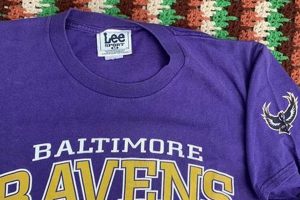
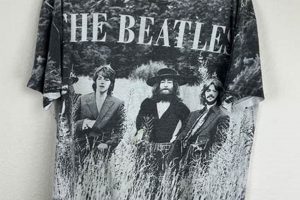
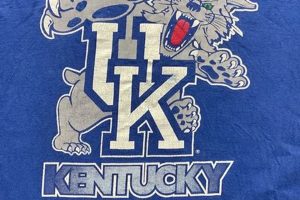
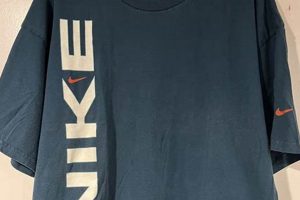
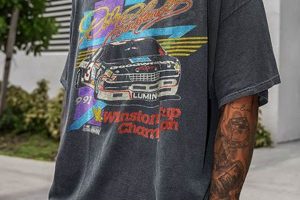
Garments originating from the 1980s, characterized by designs, fabrics, and construction techniques typical of that decade, hold a unique appeal. These items, often made of cotton or cotton blends and featuring screen-printed graphics, represent a specific era in fashion and popular culture. Examples include band tees, promotional shirts for movies or brands, and athletic wear.
The value lies in their rarity, connection to past trends, and ability to evoke nostalgia. Acquiring such items provides a tangible link to a significant period in history, offering a glimpse into the styles, music, and cultural movements that defined the time. Furthermore, these articles of clothing often possess superior construction and unique designs that differentiate them from contemporary mass-produced goods. They represent a sustainable alternative to modern fashion, promoting recycling and reducing environmental impact.
The following sections will delve into identifying authentic examples, assessing their condition and value, and exploring effective methods for their preservation and integration into a contemporary wardrobe.
Guidance on Acquiring Authentic Examples
The pursuit of genuine garments from the 1980s requires diligence and a discerning eye. Scrutinizing construction, graphics, and labels is crucial for identifying valuable pieces and avoiding reproductions.
Tip 1: Assess Fabric Composition: Authentic examples often utilize single-stitch construction and may feature thinner, softer cotton compared to modern garments. Examine the fabric blend and texture for indicators of vintage authenticity.
Tip 2: Investigate Graphics and Printing Techniques: Screen printing was prevalent in the 1980s. Examine the print quality; genuine examples often exhibit subtle cracking or fading due to age and wear. Avoid items with excessively vibrant, flawless prints, which may indicate modern reproduction.
Tip 3: Examine the Labeling: Vintage labels contain specific information regarding the manufacturer, fabric composition, and origin. Research common label designs and manufacturers from the 1980s to verify the legitimacy of the garment.
Tip 4: Evaluate the Condition: While minor wear and tear are expected, excessive damage, such as large tears or significant staining, can diminish the value. Assess the overall condition and factor in restoration costs.
Tip 5: Consider the Design and Rarity: Items featuring unique designs, limited edition prints, or affiliations with popular bands or cultural events often command higher prices. Research the historical context and rarity of the design.
Tip 6: Consult Reputable Sources: Seek guidance from established vintage clothing dealers or online communities specializing in garments from the 1980s. Their expertise can assist in verifying authenticity and assessing value.
Tip 7: Compare Prices and Market Trends: Research current market values for similar items to ensure fair pricing. Online auction sites and vintage marketplaces provide valuable data for price comparison.
Careful examination of these elements provides a higher probability of acquiring a genuine and valuable item representative of the era.
The concluding sections will address the preservation and styling of these unique garments.
1. Iconic graphic designs

The graphic designs found on garments from the 1980s are integral to their identity and value. These visuals encapsulate the decade’s cultural and artistic trends, distinguishing them from contemporary apparel.
- Bold Color Palettes and Typography
The 1980s favored vibrant, often neon, color palettes and distinctive typography. These elements were employed in designs for band merchandise, movie promotions, and brand advertising, creating visually arresting graphics that reflect the era’s energetic spirit. The frequent use of geometric shapes and angular fonts further contributes to their unique aesthetic appeal.
- Pop Culture References
Many garments featured references to popular movies, music, and television shows of the time. Screen-printed images of iconic characters, album art, or catchphrases served as visual shorthand for shared cultural experiences, making these items desirable for collectors seeking tangible links to the past. These references can increase the item’s value and appeal.
- Screen Printing Techniques
Screen printing was the dominant method for applying graphics to clothing during the 1980s. This technique allowed for the reproduction of intricate designs with relative ease, resulting in widespread availability of graphically-driven garments. The quality and durability of the screen print can influence the garment’s longevity and value. Slight cracking or fading of the print is considered a sign of authenticity, whereas pristine, flawless prints may indicate a reproduction.
- Brand Logos and Slogans
The 1980s saw a rise in logo-driven fashion. Many featured prominent brand logos and slogans, reflecting the growing influence of consumerism and advertising. These items serve as artifacts of the decade’s commercial landscape and can provide insights into the marketing strategies of the time. The visibility and recognition of the brand can affect the garment’s desirability and market value.
The prevalence and diversity of iconic graphic designs played a significant role in shaping the aesthetic landscape of garments from the 1980s. These visuals not only adorned apparel but also served as powerful expressions of individual identity and cultural affiliation, solidifying their place in fashion history.
2. Specific Fabric Blends

The composition of textiles significantly influences the characteristics, durability, and aesthetic qualities of apparel. Garments from the 1980s often feature specific fabric blends that distinguish them from contemporary clothing. These blends reflect the manufacturing practices, material availability, and desired performance attributes prevalent during that era.
- Cotton-Polyester Mixes
A common blend involved combining cotton with polyester fibers. This combination provided enhanced durability, reduced shrinkage, and improved wrinkle resistance compared to pure cotton. The ratio of cotton to polyester could vary, affecting the garment’s texture and breathability. For instance, a 50/50 blend offered a balance of comfort and durability, while a higher polyester content might have been used in athletic wear for moisture-wicking properties. These blends impacted the garment’s longevity and ease of care.
- Ring-Spun Cotton
Ring-spun cotton, known for its softness and strength, was frequently employed in the manufacture of garments. This process involves twisting and thinning the cotton strands to produce a finer, stronger yarn. Ring-spun cotton yielded a smoother fabric surface, enhancing print quality and overall comfort. Articles made from ring-spun cotton are often perceived as higher quality and tend to withstand repeated washing cycles better than those made from conventionally spun cotton.
- Jersey Knit Fabrics
Jersey knit, a versatile and widely used fabric, was common. This knit construction created a stretchy and comfortable material suitable for various applications, including apparel. Jersey knit garments from the 1980s often display a distinctive drape and softness due to the specific yarn types and knitting techniques employed. Its breathability and flexibility made it popular for everyday wear.
- Tri-Blends (Cotton/Polyester/Rayon)
The utilization of tri-blends, incorporating cotton, polyester, and rayon, gained traction. This combination offered a balance of comfort, durability, and drape. Rayon contributed to the fabric’s softness and enhanced its ability to absorb dyes, resulting in vibrant and long-lasting colors. Tri-blend garments frequently possessed a distinctive heathered appearance due to the varying fiber characteristics, contributing to their unique visual appeal.
The selection and utilization of specific fabric blends played a crucial role in shaping the performance characteristics and aesthetic qualities of articles of clothing. Understanding these fabric compositions is essential for identifying authentic garments, assessing their condition, and appreciating their historical context. The unique properties conferred by these blends contributed to their desirability and longevity.
3. Unique Construction Details

The construction methods employed in the manufacture of garments from the 1980s differ noticeably from contemporary mass production techniques. These variations, often subtle, serve as key indicators of authenticity and contribute significantly to the perceived value and durability of items from this era. Specifically, the presence or absence of certain stitching styles and seam finishes distinguishes genuine examples from reproductions.
Single-stitch construction, wherein a single line of stitching secures the seams, is a hallmark of many garments manufactured prior to the widespread adoption of overlock machines. This technique, while less efficient than modern methods, results in a flatter seam with a unique visual aesthetic. The presence of single-stitch construction on the sleeves, hem, or side seams is a strong indication of vintage origin. Conversely, the presence of serged or overlocked edges, which create a more complex and durable seam, suggests a more recent manufacture date. The use of chain stitching, another distinctive characteristic, further reinforces the age and construction style of the article of clothing. For example, a band displaying single-stitch construction and a faded screen print is more likely to be authentic and command a higher value among collectors than an equivalent made with contemporary techniques.
Understanding these unique construction details is crucial for accurately identifying authentic garments, assessing their condition, and appreciating their historical context. The methods not only reflect the manufacturing capabilities of the time but also influence the garment’s overall durability and aesthetic appeal. Recognizing these nuances allows both casual enthusiasts and serious collectors to make informed decisions when acquiring these culturally significant pieces. These seemingly minor details serve as silent testaments to the production standards and techniques of the past.
4. Brand and artist association

The presence of brand names and affiliations with musicians or visual artists on articles of clothing from the 1980s significantly enhances their cultural and collectible value. These associations reflect the marketing strategies of the era and the increasing convergence of commercial entities with artistic expression, factors that contribute to an item’s desirability and historical significance.
- Band Merchandise as Cultural Artifacts
Band merchandise was a prominent feature of the 1980s, serving as a tangible symbol of musical allegiance and cultural identity. Concert tours, album releases, and artist endorsements generated demand for branded apparel, often featuring iconic album art, band logos, or tour dates. Examples include garments promoting bands such as The Cure, Metallica, and Run-DMC. These items serve as artifacts documenting the music scene and fan culture of the decade, making them sought-after collectibles.
- Promotional Apparel for Brands and Products
Commercial entities utilized apparel as a promotional tool, distributing branded garments to consumers and employees. These items, often featuring corporate logos, slogans, or product imagery, served as walking advertisements, increasing brand visibility and fostering consumer loyalty. Examples include garments promoting brands such as Coca-Cola, Nike, and Apple. Such items offer insights into the marketing strategies of the time and the growing importance of brand recognition.
- Artist-Designed and Limited Edition Collaborations
The 1980s witnessed the emergence of collaborations between visual artists and brands, resulting in limited-edition apparel featuring original artwork or designs. These collaborations blurred the boundaries between fine art and commercial products, appealing to collectors and fashion enthusiasts alike. Examples include collaborations between artists such as Keith Haring and Jean-Michel Basquiat with fashion labels. These garments represent a unique fusion of art and commerce, enhancing their rarity and value.
- Endorsements and Sponsorships
Athletes and celebrities frequently endorsed brands, appearing in advertisements and wearing branded apparel. These endorsements leveraged the celebrity’s image and popularity to promote the brand’s products, influencing consumer purchasing decisions. Garments featuring celebrity endorsements or sponsorships represent a snapshot of popular culture and marketing trends, increasing their collectibility. The presence of a well-known celebrity or athlete can significantly enhance an item’s desirability.
The association with notable brands and artists transforms garments from the 1980s into valuable cultural artifacts, reflecting the intersection of music, art, and commerce during that era. These connections not only enhance the item’s market value but also provide insights into the cultural landscape and marketing strategies of the decade. The presence of a recognizable brand logo, band name, or artist affiliation serves as a powerful indicator of an item’s authenticity, collectibility, and historical significance.
5. Cultural movement representation
Garments from the 1980s frequently served as potent vehicles for expressing affiliation with various cultural movements. These articles of clothing, often adorned with symbolic imagery and slogans, transcended mere functional apparel, becoming statements of personal identity and allegiance to specific subcultures or ideologies. Their prevalence provides insights into the socio-political climate of the decade and the diverse range of movements that shaped it.
- Music Subcultures and Garment Expression
Musical genres such as punk, new wave, heavy metal, and hip-hop exerted a considerable influence on fashion trends. Garments affiliated with these subcultures often displayed band logos, album art, or lyrics, functioning as visual markers of musical preference and countercultural identity. For example, a torn and safety-pinned punk featuring a band patch indicated alignment with the anti-establishment ethos of the punk movement, while a brightly colored promoting synth-pop band communicated affinity with the new wave aesthetic. These garments represented not merely fandom but active participation in distinct musical communities.
- Political Activism and Ideological Statements
Garments were utilized to express political views and support various social causes. Featuring slogans promoting environmentalism, anti-war sentiment, or LGBTQ+ rights, these articles of clothing served as a form of visual protest and advocacy. An featuring the ACT UP logo, for instance, signified solidarity with the AIDS activism movement, raising awareness and challenging societal norms. The visual impact conveyed the wearer’s stance on critical social issues.
- Skateboarding and Street Culture Influence
Skateboarding and street culture exerted a significant influence on fashion trends. Featuring brand logos associated with skateboarding companies, graffiti-inspired art, or designs reflecting urban aesthetics, these garments embodied the rebellious spirit and DIY ethos of street culture. A featuring the logo of a skateboarding company communicated affiliation with this subculture and its values of independence and self-expression. Such items reflected the growing influence of urban lifestyles and youth culture on mainstream fashion.
- Pop Art and Artistic Expression
Garments incorporating elements of pop art and other artistic movements conveyed a sense of creativity and individuality. Featuring bold graphics, vibrant colors, and references to iconic artworks, these articles of clothing blurred the lines between fashion and art. A Warhol-inspired design, for example, demonstrated an appreciation for contemporary art and a desire to express oneself through visual means. This style served as a canvas for artistic expression and a means of challenging conventional fashion norms.
The prevalence of these garments within the 1980s highlights the potent role of fashion as a form of communication and cultural expression. The specific designs, slogans, and affiliations found on vintage provide valuable insights into the diverse range of cultural movements that shaped the decade. These are not merely relics of past trends but tangible representations of social and political ideologies.
Frequently Asked Questions
This section addresses common inquiries regarding garments originating from the 1980s, providing essential information for collectors and enthusiasts.
Question 1: How can authenticity of an 80’s garment be verified?
Authenticity can be verified through several factors: single-stitch construction, specific fabric blends (often cotton or cotton-polyester), screen-printed graphics (may exhibit cracking), and vintage label designs. Comparison with established vintage references aids in confirmation.
Question 2: What constitutes “good” condition for a garment of this age?
Acceptable condition allows for minor wear, such as slight fading or small imperfections. Significant damage, including large tears, excessive staining, or compromised structural integrity, diminishes value.
Question 3: How should 80’s garments be properly stored to prevent damage?
Proper storage involves storing garments flat or folded in acid-free tissue paper within a climate-controlled environment. Direct sunlight and excessive humidity should be avoided to prevent fading and degradation of the fabric.
Question 4: Can stains or damage on 80’s be repaired, and if so, how?
Minor stains may be carefully treated with gentle detergents designed for delicate fabrics. Professional restoration services should be consulted for significant damage to ensure preservation of the garment’s integrity and value. DIY stain removal is discouraged.
Question 5: What factors determine the market value of a garment from the 1980s?
Market value is influenced by factors such as rarity, condition, graphic design, band or brand affiliation, and overall demand. Garments associated with iconic bands or brands, or featuring limited-edition designs, typically command higher prices.
Question 6: Where are reputable sources for acquiring authentic 80’s garments?
Reputable sources include established vintage clothing stores, specialized online marketplaces, and auction houses with expertise in vintage apparel. Thorough research and verification are essential prior to purchase.
Understanding these key points is crucial for making informed decisions regarding the acquisition, preservation, and appreciation of authentic examples.
The following section explores the integration of these garments into modern wardrobes.
80’s Vintage T Shirts
This exploration has underscored the importance of understanding several key aspects. Authenticity verification, condition assessment, appropriate preservation techniques, and the factors influencing market value have been addressed. Recognizing the unique construction details, fabric compositions, graphic designs, and brand or artist associations inherent in these garments is essential for responsible acquisition and appreciation. Considerations for integration into modern wardrobes, balancing historical reverence with contemporary styling, have been outlined.
The information presented facilitates informed decision-making for collectors, enthusiasts, and those seeking to engage with this specific segment of fashion history. Continued diligence in researching provenance and adherence to best practices in preservation will ensure the longevity and continued cultural relevance. Understanding their history allows them to serve as tangible links to the past.