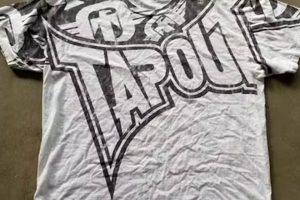
Apparel featuring designs and imagery related to rock and roll music from past eras, typically dating from the 1950s through the 1980s, are commonly sought after. These garments often showcase band names, album artwork, or concert tour dates. An example would be a shirt displaying the iconic tongue and lips logo of the Rolling Stones from their 1978 US tour.
These items hold significance due to their representation of musical and cultural history. They serve as tangible artifacts of a specific time and artistic movement, evoking nostalgia and a connection to past musical experiences. The scarcity of certain designs, coupled with their cultural relevance, contributes to their desirability and potential value as collectibles.
The following sections will delve into the factors influencing the collectibility of these garments, methods for authenticating their age and origin, and considerations for their proper care and preservation.
Collecting Rock Music Apparel
The acquisition of rock music apparel from past eras requires careful consideration. Authenticity, condition, and historical context are crucial factors in determining value and long-term preservation.
Tip 1: Authenticate Age and Origin. Examine the garment’s construction, fabric, and printing techniques. Screen-printed designs from the 1970s, for instance, will exhibit different characteristics than those from more recent decades. Researching vintage manufacturing processes can aid in verification.
Tip 2: Assess Condition Carefully. Examine for damage, including holes, tears, stains, and fading. The condition significantly impacts value. Minor flaws may be acceptable, but substantial damage diminishes collectibility. Document any flaws with photographs.
Tip 3: Research Band and Tour Information. Knowledge of the band’s history, specific tours, and associated merchandise enhances decision-making. Verify that tour dates printed on the garment align with the band’s actual performance schedule.
Tip 4: Consider Rarity and Desirability. Limited-edition designs or those associated with iconic events are typically more valuable. Evaluate the design’s aesthetics and its appeal to collectors within the rock music community.
Tip 5: Inquire About Provenance. If possible, obtain information about the garment’s history and ownership. Provenance can enhance value and provide reassurance regarding authenticity.
Tip 6: Inspect the Tag. Vintage tags offer vital clues. Research different manufacturers and their eras of operation. Check if the tags style and information align with the garment’s presumed age.
Tip 7: Check Stitching and Seams. Vintage shirts frequently feature single-stitch construction at the hem and sleeves. This is a strong indicator of age, as modern shirts predominantly use double-stitch methods.
Diligence in evaluating the authenticity, condition, and historical significance of vintage rock music apparel is paramount. This ensures a more informed and rewarding collecting experience.
The following section will address preservation and care strategies for maintaining the integrity of these valued items.
1. Authenticity

The authenticity of garments from past eras directly correlates with their value and historical significance. A verifiable origin assures collectors and enthusiasts that the item accurately represents a specific band, tour, or musical period. Without authentication, the item’s connection to rock and roll history is questionable, diminishing its desirability and collectibility. For example, a shirt claiming to be from a 1977 Sex Pistols tour but lacking the characteristics of garments manufactured during that period, or bearing a modern tag, would be deemed inauthentic and of significantly lower value.
Determining authenticity involves scrutinizing manufacturing details, design elements, and available historical records. Vintage examples often feature single-stitch construction, specific fabric blends, and screen-printing techniques distinct from modern methods. Examination of the tag, if present, can provide vital clues, as many vintage manufacturers used distinct tag styles that are datable. Moreover, corroborating the design with known tour merchandise or album artwork is crucial. The practical application of these authentication methods enables collectors to make informed purchasing decisions and avoid counterfeit items.
The challenge of verifying authenticity underscores the importance of research and diligent examination. While methods such as carbon dating are available, they are often cost-prohibitive for garments. Therefore, reliance on expert knowledge and established authentication techniques remains paramount. Ultimately, the perceived value of a item is contingent on its demonstrable connection to a tangible historical event, which can only be validated through a rigorous assessment of its authenticity.
2. Condition

The condition of garments significantly influences their value and desirability among collectors. Flaws such as tears, stains, fading, and holes diminish the garment’s appeal and potentially reduce its historical significance. A pristine example from a sought-after tour will command a significantly higher price compared to the same design exhibiting substantial wear. For instance, a 1970s Led Zeppelin shirt in mint condition, free from damage and retaining vibrant colors, might fetch hundreds or even thousands of dollars, whereas a heavily faded and torn version might be worth only a fraction of that amount.
The effect of condition extends beyond monetary value; it also impacts the garment’s ability to represent its historical context accurately. A severely damaged shirt may obscure key details of the design or make it difficult to authenticate. Furthermore, the type and location of damage matter. A small, barely noticeable stain on the back might have minimal impact, while a large tear across the band’s logo would be considered a major defect. Practical application of condition assessment involves a thorough inspection under good lighting, noting any imperfections and considering their impact on the overall integrity of the piece. Techniques for careful cleaning and preservation can mitigate further deterioration, but irreversible damage always affects the garment’s long-term value and historical representation.
Ultimately, understanding the critical role of condition is essential for collectors and enthusiasts. It dictates not only the monetary worth but also the ability of the garment to serve as a tangible link to rock and roll history. While some degree of wear is expected in items from past eras, significant damage detracts from both the aesthetic appeal and historical authenticity. Therefore, diligent assessment of condition is a crucial aspect of acquiring and preserving vintage rock music apparel.
3. Rarity
Rarity exerts a significant influence on the valuation of vintage garments featuring rock and roll imagery. The scarcity of a particular design, print, or band-specific item frequently correlates directly with its perceived value and desirability among collectors. This scarcity can arise from various factors, including limited production runs, specific tour dates, or promotional events that generated exclusive merchandise. For example, a shirt produced solely for the crew of a particular tour, rather than being available for public purchase, inherently possesses greater rarity due to its limited quantity. This relative scarcity, in turn, elevates its desirability among collectors seeking unique and hard-to-find items. The causal relationship between limited availability and heightened demand is a primary driver in the vintage garment market.
The practical significance of understanding rarity extends to both collectors and sellers. For collectors, recognizing the factors contributing to scarcity allows for informed purchasing decisions and the potential acquisition of investment-grade items. Researching production runs, identifying limited-edition designs, and authenticating the garment’s origin are essential steps in assessing its rarity. Conversely, sellers can leverage the rarity of a particular item to justify a higher price point, provided they can substantiate its limited availability with verifiable evidence. The identification of features such as misprints, or the inclusion of rare back prints, could impact the garments worth.
The challenge in assessing rarity lies in the often-limited historical documentation surrounding the production and distribution of garments. The absence of precise records necessitates meticulous research and reliance on expert knowledge within the collecting community. Ultimately, the perceived rarity of a item, supported by evidence and expert consensus, significantly contributes to its value and its status as a desirable artifact within the broader context of rock and roll history.
4. Design

The design of vintage rock and roll tee shirts is a critical component influencing their desirability and historical significance. Designs often encapsulate the aesthetic sensibilities of specific eras, reflecting artistic movements, cultural trends, and the distinctive styles of individual bands. The visual elements, including band logos, album artwork, tour imagery, and typography, serve as visual markers of a particular time and musical genre. For instance, a shirt featuring a psychedelic design associated with the Grateful Dead from the late 1960s immediately evokes a specific cultural context and resonates with collectors interested in that era. A well-executed design enhances the garment’s appeal and acts as a tangible representation of a band’s identity or a particular musical movement.
The practical significance of understanding design lies in its role in authentication and valuation. Skilled collectors and dealers can analyze design elements, such as screen-printing techniques, color palettes, and font styles, to determine the authenticity and approximate age of a shirt. Furthermore, the design’s rarity and aesthetic appeal directly influence its market value. A design considered iconic or visually striking, and associated with a highly regarded band or album, will command a higher price than a less memorable or common design. For instance, the “Destroy” tee, associated with the Sex Pistols designed by Vivienne Westwood and Malcolm McLaren, holds a very iconic design element.
The correlation between design and these garments extends beyond mere aesthetics. It is a crucial element in preserving rock and roll history. Each design encapsulates a specific moment in time, a band’s artistic expression, and the cultural landscape in which it emerged. Recognizing and appreciating the design’s significance allows enthusiasts to connect with the music and cultural impact of these bands on a deeper level. Ultimately, the design of these garments serves as a potent form of visual communication, conveying the spirit and legacy of rock and roll to future generations.
5. Fabric
The fabric composition and construction of garments produced in past eras are critical factors in determining their authenticity, durability, and overall value. The textile characteristics often serve as indicators of age, manufacturing techniques, and intended use, providing valuable insights for collectors and historians.
- Fiber Composition
Vintage shirts frequently utilized cotton or cotton blends. The specific type of cotton, such as ring-spun or open-end, can provide clues about the manufacturing period. Polyester blends became more common in later decades. A shirt advertised as 100% cotton but exhibiting synthetic fibers under microscopic examination would raise concerns about authenticity. For example, pre-1960s shirts were almost exclusively cotton, with blends gaining popularity afterwards.
- Weave and Knit
The weave or knit structure influences the fabric’s drape, durability, and printability. Jersey knits are a common feature, but variations in the knit density and stitch pattern can distinguish shirts from different eras. Heavier weight cottons were more common in older shirts, while lighter weight materials are prevalent in contemporary production. Observing the weave under magnification allows for comparisons to known vintage textiles.
- Dyeing and Printing
The dyes and printing methods used on vintage shirts are distinct from modern techniques. Older dyes may exhibit a specific fading pattern or color cast over time. Screen-printing inks were often thicker and more durable, resulting in prints that exhibit less cracking or peeling. Examining the ink’s texture and adhesion to the fabric is crucial for determining originality and evaluating the shirt’s condition. Consider a shirt using a printing method such as heat transfer which wouldn’t indicate the shirt being of a certain age.
- Manufacturing Origin and Quality
Garment manufacturing practices and labeling requirements varied significantly across different countries and time periods. The presence or absence of specific labels, care instructions, or union markings can provide valuable clues about the shirt’s origin and manufacturing era. Higher quality manufacturing, such as reinforced seams, suggests a more durable and potentially valuable piece.
Analyzing the fabric characteristics allows for a more nuanced understanding of vintage rock music apparel. Consideration of fiber composition, weave, dyeing techniques, and manufacturing details enhances the accuracy of authentication efforts, informs preservation strategies, and contributes to a more comprehensive appreciation of these culturally significant artifacts.
6. Provenance
The provenance of garments purporting to be artifacts from rock and roll history significantly influences their authenticity, value, and appeal to collectors. Traceable history, linking the item to a band, tour, or individual associated with rock music, establishes credibility and enhances desirability. A shirt directly sourced from a band member’s estate, for example, carries a verifiable connection that elevates it above similar items lacking such documentation. The absence of provenance introduces uncertainty, potentially casting doubt on the garment’s legitimacy and diminishing its market value. This demonstrates a clear cause-and-effect relationship: established history leads to increased value, while a lack of it leads to diminished value. Consider an example where a vintage shirt is accompanied by a letter of authentication from the artist to the original owner, along with photographs taken on the actual night. Provenance is the key indicator of value here.
The practical significance of considering provenance involves scrutinizing supporting documentation and historical records. Letters of authentication, photographs depicting the shirt being worn at a concert, or verifiable purchase receipts from official merchandise outlets provide tangible evidence of the garment’s history. Oral histories, while potentially valuable, require corroboration with other sources to establish credibility. Collectors and dealers often employ expert appraisers or historical researchers to assess the validity of claims regarding a garment’s provenance, acknowledging the potential for fraudulent or misleading information. Additionally, shirts purchased at a garage sale with no documented origin would be much more difficult to give its Provenance than one originating from the record label.
In summary, provenance is a critical determinant of value and authenticity within the market for vintage rock music apparel. The challenges associated with verifying a garment’s history underscore the importance of thorough research, meticulous documentation, and reliance on expert knowledge. Established origin enhances the garment’s historical significance and overall appeal, ensuring its status as a valuable and collectible artifact. The verifiable connection between the item and a tangible historical event, confirmed through established provenance, is fundamental to its perceived value.
Frequently Asked Questions
The following addresses commonly asked questions regarding the authentication, valuation, and care of apparel showcasing rock music imagery from past decades.
Question 1: What are the primary indicators of authenticity in vintage garments featuring rock bands?
Authentication hinges on several factors: tag style and manufacturer, stitch construction (single vs. double stitching), fabric composition, and screen-printing techniques. Researching known characteristics of garments produced during specific eras is crucial for verification.
Question 2: How does condition affect the value of these items?
Condition is a significant determinant of value. Pristine examples with minimal wear command higher prices than those with significant damage, such as tears, stains, or fading. Collectors generally prioritize well-preserved items.
Question 3: What contributes to the rarity of specific shirt designs?
Rarity arises from limited production runs, tour-exclusive designs, promotional items, and misprints. Documented scarcity significantly increases value and desirability among collectors.
Question 4: How can provenance be established for a vintage garment?
Provenance is established through documentation such as letters of authentication, photographs depicting the shirt being worn, purchase receipts, or verifiable records from band archives. A clear chain of ownership strengthens the garment’s credibility.
Question 5: What are the recommended methods for preserving vintage rock music apparel?
Preservation techniques include gentle hand-washing or professional dry cleaning, storing shirts flat in acid-free archival boxes, and avoiding direct sunlight or excessive humidity. Proper care helps prevent deterioration and maintain value.
Question 6: Are reproduction garments considered collectible?
While reproductions may hold some appeal for enthusiasts seeking affordable alternatives, they generally lack the historical significance and investment potential of authentic vintage items. Clear differentiation between originals and reproductions is essential for ethical collecting practices.
In conclusion, assessing authenticity, condition, rarity, and provenance is crucial for informed acquisition and preservation. Proper care ensures the longevity and continued appreciation of these cultural artifacts.
The next section will delve into resources for further research and networking within the collector community.
Vintage Rock and Roll Tee Shirts
This examination of vintage rock and roll tee shirts has underscored the critical factors that contribute to their value, authenticity, and historical significance. Elements such as fabric, design, provenance, and condition all play a crucial role in determining the worth and desirability of these items among collectors and enthusiasts. Scrutinizing manufacturing details, verifying provenance through documentation, and understanding the cultural context associated with specific designs are essential steps in acquiring and preserving garments that accurately represent rock music’s past.
As interest in music history and vintage culture continues to grow, the demand for authentic rock and roll tee shirts from past eras is likely to persist. Diligent research, careful evaluation, and responsible preservation practices are paramount for both collectors and custodians of these artifacts, ensuring that future generations can appreciate their enduring legacy.