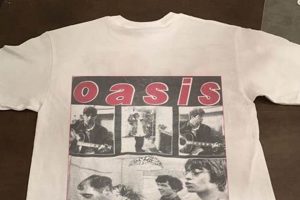
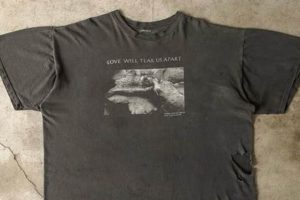
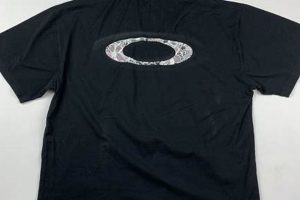
Apparel featuring the thrash metal band Megadeth, produced in earlier decades, holds significant appeal for collectors and enthusiasts. These items often showcase original album artwork, tour dates, or band logos from specific periods in the group’s history. A genuine item of this nature exhibits characteristics reflecting its age, such as fading, cracking of the print, or a specific type of fabric common during its production era.
The value lies in their connection to the band’s legacy and the cultural context of the era in which they were created. They serve as tangible pieces of music history, representing a specific time in the band’s career and the broader heavy metal scene. Owning one connects individuals to the music and the experiences associated with it, providing a unique form of self-expression and a conversation starter among like-minded fans.
The subsequent sections will delve into specific aspects of collecting these items, methods for identifying authenticity, and the factors that contribute to their collectibility and market value.
Collecting Authentic Megadeth Band Shirts
Acquiring genuine vintage band merchandise requires careful consideration and attention to detail. This section provides guidance on identifying authentic pieces and avoiding reproductions.
Tip 1: Examine the Fabric: Older shirts typically utilized different fabric blends than modern reproductions. Seek out single-stitch seams, common in older manufacturing processes. The feel of the fabric should correspond to the likely era of production, considering materials available at the time.
Tip 2: Assess the Print Quality: Screen-printing techniques have evolved over time. Original shirts often exhibit a specific texture and level of wear on the print. Examine the ink for cracking, fading, and a slightly raised texture, indicative of age.
Tip 3: Inspect the Tag: The tag provides valuable information regarding the manufacturer and era of the shirt. Research common tag styles and brands prevalent during the band’s early years. Note that tagless shirts were not common practice until later years. Check tag for trademark.
Tip 4: Scrutinize the Artwork: Compare the print on the item to known authentic designs from the period. Variations or inaccuracies can be signs of a reproduction. Consult reliable sources, such as band fan sites and vintage clothing experts, to verify the design’s authenticity.
Tip 5: Consider the Condition: While some wear is expected in vintage items, excessive damage can devalue a shirt. Look for flaws such as stains, tears, or holes, and assess their impact on the overall condition. Minor imperfections, however, can add character and authenticity.
Tip 6: Consult Expert Resources: Before making a significant purchase, seek advice from knowledgeable collectors or dealers specializing in vintage band merchandise. Their expertise can help you assess the item’s authenticity and value.
Tip 7: Document Purchases: Keep detailed records of all acquisitions, including photos, purchase receipts, and any relevant information about the item’s history. This documentation can be helpful for insurance purposes and future resale.
By applying these guidelines, collectors can increase their chances of acquiring genuine vintage band shirts, preserving a piece of music history and potentially making a sound investment. This ensures the integrity of collections and supports the legacy of the band.
The subsequent section will explore the value assessment and trading strategies within the collectible market.
1. Original Artwork

The correlation between original artwork and vintage Megadeth shirts is paramount in determining their desirability and market value. The presence of iconic album artwork, tour-specific designs, or rare promotional graphics from the band’s early years significantly elevates a shirt’s status among collectors. This is because the artwork serves as a direct visual representation of a specific era or album, instantly connecting the item to a tangible piece of Megadeth’s history. For example, shirts featuring the “Rust in Peace” album cover, especially those dating back to the album’s release year, command higher prices due to the album’s enduring popularity and the shirt’s perceived authenticity.
The original artwork’s impact extends beyond mere aesthetics. It provides a verifiable link to a specific period in the band’s career, making it a key element in authenticating vintage pieces. Collectors meticulously compare the artwork on a shirt to known designs from official sources to identify potential reproductions. Discrepancies in color, detail, or overall design are often indicative of a counterfeit item. In practical terms, understanding the nuances of original Megadeth artwork enables collectors to make informed purchasing decisions, minimizing the risk of acquiring inauthentic merchandise.
In summary, original artwork is not merely a decorative element on vintage Megadeth shirts; it is a critical component that drives collectibility and authenticity. Accurately identifying and verifying original artwork presents challenges, given the proliferation of reproductions in the market. However, by developing a keen eye for detail and consulting reliable resources, collectors can successfully navigate this market and acquire genuinely valuable pieces of Megadeth history.
2. Fabric Authenticity

Fabric authenticity represents a crucial determinant in establishing the value and genuineness of apparel associated with the band Megadeth’s earlier eras. The composition, weave, and manufacturing processes employed in the production of textiles during the 1980s and 1990s differ significantly from those utilized in contemporary manufacturing. Consequently, an evaluation of the fabric provides substantial clues regarding a shirt’s age and potential origin. A shirt purported to be from the “Peace Sells… but Who’s Buying?” era, for example, should ideally exhibit characteristics consistent with fabrics commonly available during that period, such as specific cotton blends or single-stitch construction, which was prevalent before the widespread adoption of overlock stitching. Identifying inconsistencies, such as modern fabric blends or double-stitched seams on a shirt claimed to be from the early 1980s, raises significant questions regarding its authenticity.
The significance of fabric authenticity extends beyond mere age verification. It also impacts the overall feel, drape, and durability of the garment. Older fabrics, particularly those used in band merchandise, often possess a unique texture and weight that contribute to their collectibility. For instance, a vintage shirt made from a lightweight, breathable cotton blend may be more desirable than a modern reproduction constructed from a heavier, less comfortable material. Furthermore, the fabric’s integrity can provide insights into the shirt’s history and use. Fading, subtle wear, or the presence of specific types of stains or damage can corroborate its vintage status and add to its character, assuming that the wear is congruent to the fabric.
Determining fabric authenticity requires a combination of knowledge, experience, and careful observation. Collectors often rely on reference guides, online forums, and the expertise of vintage clothing specialists to identify specific fabric types and manufacturing techniques associated with particular eras. While fabric analysis alone cannot definitively prove a shirt’s authenticity, it serves as a critical piece of evidence in the broader authentication process. Understanding the nuances of fabric authenticity empowers collectors to make informed decisions, minimizing the risk of acquiring reproductions and preserving the value of genuine vintage Megadeth merchandise. This intersection ensures that legitimate historical pieces are identified and valued appropriately.
3. Print Condition
The print condition of a vintage Megadeth shirt directly influences its collectibility and monetary value. Degradation of the printed design, whether through cracking, fading, or ink bleeding, detracts from its aesthetic appeal and historical significance. The quality of the print serves as a visual testament to the shirt’s age and use, with pristine prints indicating either limited wear or skillful preservation. For example, a “Rust in Peace” era shirt with minimal cracking on the album artwork retains substantially more value than a comparable shirt where the print is severely damaged or illegible. Therefore, collectors prioritize items where the print remains relatively intact, as it enhances the visual impact and allows for easier identification of the design.
The type of printing technique employed during the shirt’s production also factors into the evaluation of its condition. Screen-printed designs, common in vintage band merchandise, exhibit unique characteristics of wear. Minor cracking can be considered an indicator of age and authenticity, provided it aligns with the overall wear patterns of the garment. Conversely, excessive or unnatural cracking, peeling, or flaking might suggest improper storage, harsh washing techniques, or even the possibility of a reproduction. Distinguishing between genuine wear and artificial aging requires careful scrutiny and familiarity with vintage printing processes. This means a collector must have understanding of different printing techniques and the effects of those printing on the aging shirt.
In conclusion, the print condition functions as a critical barometer of a vintage Megadeth shirt’s value and authenticity. Assessing the integrity of the print requires a comprehensive understanding of printing techniques, wear patterns, and historical context. Challenges arise in differentiating authentic wear from artificial aging. Despite these challenges, meticulous evaluation of the print remains essential for collectors seeking to acquire genuinely valuable and historically significant pieces of Megadeth memorabilia, reinforcing the need to carefully scrutinize each garment’s design and overall state.
4. Tag Details

Examining the tags affixed to vintage Megadeth shirts offers critical insights into their provenance and authenticity. The tag serves as a primary identifier, providing information about the manufacturer, fabric composition, and, in some cases, the year of production. These details are instrumental in verifying a shirt’s age and determining whether it is a genuine article or a reproduction.
- Manufacturer Identification
Tags display the name or logo of the apparel manufacturer. Certain brands, such as Brockum, Hanes, or Screen Stars, were prevalent during specific periods in the band’s history. Identifying the manufacturer can help narrow down the shirt’s potential production timeframe. For instance, a shirt bearing a tag from a manufacturer that ceased operations before a particular album’s release would raise concerns about its authenticity.
- Fabric Composition Information
The tag often specifies the fabric composition, indicating the percentage of cotton, polyester, or other materials. This information can be compared to typical fabric blends used during different eras. A shirt claiming to be from the 1980s but featuring a fabric composition not commonly available until the 1990s would be considered suspect.
- Country of Origin
The tag denotes the country where the shirt was manufactured. Changes in manufacturing locations over time can provide clues about a shirt’s age. For instance, a shift from US-made to overseas production occurred for many brands during the 1990s. This detail can corroborate or contradict claims about a shirt’s vintage.
- Trademark and Copyright Symbols
The presence or absence of trademark () or copyright () symbols, along with the registration dates, can offer additional clues. Changes in trademark law and registration practices over time can help establish a shirt’s approximate age. The location of where it’s placed and its size can provide clues about its vintage nature.
These facets, while seemingly minor, collectively contribute to a comprehensive assessment of a vintage Megadeth shirt’s authenticity. The tag serves as a crucial piece of evidence, enabling collectors to make informed decisions and minimize the risk of acquiring reproductions. Understanding the nuances of tag details is essential for anyone seeking to collect genuine memorabilia from the band’s history.
5. Year of Production

The year of production holds paramount importance in determining the value and authenticity of vintage apparel associated with Megadeth. It establishes a direct link to specific albums, tours, and promotional campaigns, enabling collectors to contextualize the garment within the band’s historical timeline. A shirt produced during the release of “Peace Sells… But Who’s Buying?” in 1986, for example, carries greater historical significance than a later reprint, reflecting its connection to a pivotal moment in Megadeth’s career. Discrepancies between the claimed production year and the shirt’s design, fabric, or tag details invariably raise concerns about its authenticity.
Pinpointing the exact year of production often requires careful analysis of several factors. While some shirts may feature copyright dates on the artwork or tags, these dates may not always correspond to the actual year of manufacture. Collectors often rely on circumstantial evidence, such as tour dates printed on the shirt, design elements specific to a particular album cycle, or the presence of manufacturer tags known to have been used only during a limited timeframe. Knowledge of printing techniques prevalent during certain years can also aid in dating a shirt. By cross-referencing these clues, collectors can develop a more accurate estimate of the shirt’s production year, thus increasing its value if corroborated with the era it’s claimed from.
Ultimately, the year of production is more than just a number; it is a critical component that grounds a vintage Megadeth shirt in its historical context. While definitively establishing the year can pose challenges, the insights gained from careful analysis significantly enhance the value and collectibility of these items. This understanding is essential for collectors seeking to acquire genuine artifacts of Megadeth’s legacy and avoid reproductions that lack the historical significance of original pieces. Failure to verify the year of production results in the risk of purchasing an inauthentic, modern reprint of a vintage garment.
6. Rarity Factor
The rarity factor significantly influences the valuation of vintage Megadeth shirts. Limited production runs, exclusive designs, or shirts associated with specific, less common events directly correlate with heightened collector interest and, consequently, inflated market prices. A shirt commemorating a single show on a tour, or a promotional item exclusively distributed to crew members, exemplifies this principle. The limited availability establishes an immediate demand that escalates its value within the collectors’ market. This scarcity contrasts sharply with mass-produced merchandise available readily, and therefore possesses limited appreciation in value. The practical impact of this is that collectors actively seek to identify and acquire those items exhibiting the lowest production numbers, driving up the prices considerably.
Analyzing the contributing elements to the rarity factor becomes crucial in determining the worth of a vintage Megadeth shirt. The shirt’s association with a limited-edition album release, a specific geographic location, or a canceled tour amplifies its unique value. The shirts condition plays a huge role as well as availability of the item. If there are only a few item but damaged, its value may be lower than few items in good condition. This understanding of contributing factors is essential for collectors who aspire to identify and secure high-value shirts, distinguishing them from more common variants.
Understanding the role of rarity presents certain challenges, primarily regarding verification and authentication. Documentation proving limited production is not always readily available, prompting collectors to rely on expert opinions, historical analysis, and comparative assessments to determine a shirt’s true scarcity. While the precise number of any specific run will be difficult to determine, relying on the shirts condition, age and artwork is extremely important and very vital. Overcoming these hurdles allows collectors to make better purchasing choices in a world with fake prints. Overall, the influence of rarity on the world of vintage band shirts highlights the dynamic interplay between supply, demand, and historical significance.
Frequently Asked Questions Regarding Vintage Megadeth Apparel
The following section addresses common inquiries and misconceptions concerning the acquisition, authentication, and valuation of vintage Megadeth shirts.
Question 1: What constitutes a “vintage” Megadeth shirt?
Generally, items produced at least two decades prior to the present date are considered vintage. However, items from the 1980s and 1990s, particularly those associated with specific album releases or tours, are highly sought after by collectors.
Question 2: How can authenticity be verified?
Verification involves careful examination of the fabric, stitching, print quality, and tag details. Comparing the design to known authentic examples and consulting with experienced collectors are also advisable.
Question 3: What factors influence the value of a vintage shirt?
Value depends on factors such as the shirt’s age, condition, rarity, the significance of the artwork or design, and the demand among collectors. Shirts associated with iconic albums or limited-edition tours command higher prices.
Question 4: Are reprints and reproductions common?
Yes, the market is saturated with reproductions. Collectors should exercise caution and thoroughly research any prospective purchase to avoid acquiring inauthentic items.
Question 5: Where are vintage Megadeth shirts typically found?
These items can be found at vintage clothing stores, online auction sites, collector marketplaces, and through private sales. Due diligence is essential regardless of the source.
Question 6: Is professional appraisal recommended before purchasing an expensive vintage shirt?
Yes, a professional appraisal provides an objective assessment of the item’s authenticity and value, minimizing the risk of overpayment or acquiring a reproduction.
In conclusion, acquiring vintage Megadeth apparel requires a combination of knowledge, research, and careful assessment. Understanding the factors that influence authenticity and value is crucial for making informed purchasing decisions.
The subsequent section will delve into the care and preservation of vintage band shirts, ensuring their longevity and maintaining their value over time.
Conclusion
“Megadeth t shirts vintage” represent more than mere garments; they are tangible artifacts of music history. The preceding exploration has illuminated the critical factorsartwork, fabric, print, tags, production year, and raritythat define their authenticity and value. Collectors navigate a complex landscape where discernment and diligence are essential to distinguish genuine relics from reproductions. Successful acquisition and preservation require a commitment to research, authentication, and careful handling.
The enduring appeal of these items reflects a continued interest in Megadeth’s legacy and the cultural context of their music. As such, the responsible collection and preservation of “megadeth t shirts vintage” contributes to the safeguarding of music history for future generations. Continued scrutiny and informed decision-making are paramount to ensuring the integrity and longevity of these valuable pieces of memorabilia.