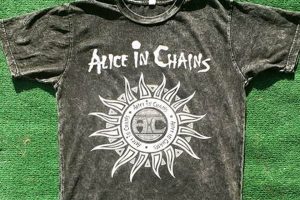
Apparel from a bygone era, specifically garments adorned with imagery and text related to rock and roll music from past decades, constitutes a distinct category of collectible merchandise. Examples include band logos, album artwork, or tour dates printed on cotton shirts dating back to the 1960s, 70s, and 80s.
These items offer a tangible connection to music history and cultural movements. Their value derives from their rarity, design, condition, and the significance of the represented artist or event. They embody a specific period of musical expression and often serve as artifacts of popular culture, connecting wearers and collectors to that era. Authenticity and provenance significantly impact their collectibility.
The subsequent discussion will delve into aspects such as identifying authentic items, understanding market value fluctuations, and exploring care and preservation techniques to safeguard their longevity.
Tips for Acquiring Authentic Rock Memorabilia
The following guidelines provide a framework for assessing the authenticity and value of vintage music-related apparel. Adherence to these principles can assist in making informed purchasing decisions.
Tip 1: Examine the Fabric: Original garments from the 1960s and 70s typically feature thinner cotton material compared to modern reproductions. Investigate the fabric’s texture and weight to ascertain its age.
Tip 2: Scrutinize the Stitching: Single-stitch construction on the hem and sleeves is indicative of older manufacturing processes. Double-stitched garments are generally of more recent origin.
Tip 3: Assess the Print Quality: Vintage screen prints often exhibit a degree of cracking or fading due to age and wear. Sharp, pristine prints are often a sign of reproduction.
Tip 4: Research the Label: Original manufacturer labels can provide valuable information regarding the garment’s era and origin. Compare the label to known vintage label databases.
Tip 5: Verify Licensing Information: Official merchandise typically includes copyright or licensing information from the band or record label. The presence or absence of this information can be a crucial indicator.
Tip 6: Consider the Garment’s Condition: While some wear is expected, excessive damage, such as large tears or significant staining, can drastically reduce the item’s value.
Tip 7: Consult Expert Opinions: When in doubt, seek the guidance of reputable vintage clothing dealers or appraisers who possess specialized knowledge in this field.
By carefully considering these factors, collectors can enhance their ability to identify and acquire authentic pieces, mitigating the risk of purchasing reproductions or misrepresented items.
The subsequent sections will explore strategies for preserving the condition of acquired vintage apparel and maximizing its long-term value.
1. Authenticity

The authenticity of garments significantly influences their valuation and desirability among collectors. True “vintage rock and roll t shirts” originate from the time period they represent, often mirroring specific tours, album releases, or promotional events. Authenticity serves as a direct link to music history, distinguishing genuine artifacts from contemporary reproductions. For example, an original Led Zeppelin 1975 tour garment, verified through its fabric, stitching, and label, possesses significantly greater value and historical relevance compared to a modern reprint.
The determination of authenticity often involves careful examination of manufacturing details, print quality, and the presence of verifiable licensing information. Original labels, such as those from specific garment manufacturers prevalent during the 1970s and 1980s, can provide crucial evidence. Furthermore, discrepancies in design or print quality, when compared to documented originals, frequently indicate inauthenticity. A garment claiming to be from a specific era but utilizing printing techniques not available at that time would be considered suspect. The absence of a copyright notice for album artwork or band logos also casts doubt on its genuine status.
In conclusion, establishing authenticity is paramount when evaluating “vintage rock and roll t shirts”. The garment’s material, construction, printing methods, and labeling must align with the characteristics of its purported era and origins. Successfully verifying authenticity ensures the item’s historical significance is maintained, and its value is accurately assessed. The challenge lies in diligently scrutinizing all available details and consulting expert opinions to navigate the complexities of vintage garment identification.
2. Rarity
The scarcity of a particular garment profoundly affects its value and collectibility. Limited production runs, exclusive designs for specific events, or items associated with lesser-known bands contribute to rarity. High demand coupled with low availability creates a competitive market among collectors, driving up prices and increasing the garment’s investment potential. For example, a concert tee from a small, now-defunct venue featuring a popular bands early performance commands a premium precisely because of its limited distribution and historical significance.
Several factors contribute to the rarity of a given example. Tour shirts from bands that experienced short-lived success or garments produced in limited quantities for promotional purposes are inherently scarce. The physical condition of surviving pieces further influences rarity. Garments that have been well-preserved over time are less common than those exhibiting wear and tear. Moreover, shirts featuring designs that were later withdrawn or altered due to copyright issues become rare artifacts, sought after for their unique history and association with legal disputes. The “Butthole Surfers Pee-wee Herman Shirt” pulled from shelves quickly due to its controversial imagery become one such an example.
Understanding the dynamics of rarity is essential for collectors seeking to acquire valuable and historically significant pieces. Evaluating production numbers, design alterations, and the band’s overall popularity provides insights into the potential scarcity of a given garment. Recognizing the interplay between limited availability and collector demand allows for informed purchasing decisions and contributes to the preservation of music history through the appreciation and safeguarding of rare apparel. Collectors should also be aware of counterfeit items that attempt to capitalize on the high value of rare pieces. Authentication and verifying the origin of a garment is paramount.
3. Condition

The physical condition of a vintage rock and roll t shirt significantly impacts its value, collectibility, and historical representation. Degradation over time is inevitable, but the extent of wear and damage directly influences its market worth and how effectively it embodies its era.
- Fabric Integrity
The degree to which the original fabric remains intact is paramount. Tears, holes, and excessive thinning diminish value. A shirt with minimal fabric damage retains a higher value, preserving the original texture and feel indicative of its manufacturing period. For instance, a garment from the 1970s with intact cotton fibers holds more significance than one where the fabric has deteriorated substantially.
- Print Quality
The vibrancy and clarity of the printed graphics are critical. Fading, cracking, or significant loss of the original design detract from the item’s appeal. A well-preserved print showcases the artwork as it was originally intended, conveying the cultural and artistic expression of the time. A screen print showing minimal cracking on a concert tee increases its desirability to collectors.
- Staining and Discoloration
The presence of stains or discoloration affects both the aesthetic appeal and the perceived value. Stains, particularly those that are difficult to remove, can permanently damage the fabric and diminish the shirt’s market value. Discoloration, often resulting from prolonged exposure to light or improper storage, alters the original color palette and reduces its collectibility. A perfectly preserved shirt with no such visible imperfections commands a premium.
- Structural Integrity
The overall structural soundness of the shirt, including seams, collar, and sleeves, is essential. Compromised seams, stretched collars, or damaged sleeves indicate significant wear and tear, reducing the garment’s integrity. A structurally sound shirt maintains its original shape and fit, providing a more accurate representation of its original form. Loose threads or tears in the seams lessen its value and appeal.
These facets of condition collectively dictate the desirability and value of vintage rock and roll t shirts. While some degree of wear is expected and can even add to its character, significant damage severely diminishes its status as a collectible artifact. Understanding the nuances of condition allows collectors to assess the garment’s historical representation accurately and preserve these cultural items appropriately.
4. Graphics

Imagery printed on vintage rock and roll t shirts constitutes a critical component of their appeal and value. These graphics serve as visual representations of musical artists, albums, and cultural movements, often encapsulating the ethos of an era. Their artistic merit, historical accuracy, and condition significantly affect the desirability of these items.
- Band Logos and Imagery
Band logos, album artwork, and iconic photographs of musicians are frequently featured. The precise rendition of these images, aligning with their original appearance and reflecting the band’s aesthetic, contributes to the shirt’s authenticity and cultural relevance. For example, a perfectly replicated “Rolling Stones” tongue logo from their 1970s tour holds significant historical and monetary value.
- Tour Dates and Locations
The inclusion of tour dates and locations provides a tangible link to specific performances and eras. These details offer concrete information about the garment’s origin and its association with particular events in music history. For instance, a t-shirt listing dates from “The Who’s” 1982 farewell tour marks a specific period and becomes a collectible artifact for fans and historians.
- Typography and Slogans
The typeface used and any accompanying slogans are crucial visual elements. The style and execution of the typography should align with the prevailing design trends of the period. Slogans, often reflecting the band’s ethos or the sentiments of the time, contribute to the garment’s cultural context. The bold lettering and counterculture slogans on “Sex Pistols” shirts from the late 1970s typify this element.
- Screen Printing Techniques
The specific screen printing techniques employed reflect the technology available during the garment’s creation. Variations in ink type, layering, and color application contribute to the unique characteristics of vintage prints. Single-layer prints, often exhibiting a degree of cracking due to age, are common in older shirts. The distinctive texture and appearance of vintage screen printing add to the garment’s aesthetic appeal and authenticity.
The graphical elements of pieces function as visual markers of time, representing specific bands, eras, and cultural moments. Their preservation and authenticity determine the value and historical importance of these pieces within the market of vintage apparel. Therefore, careful evaluation of graphics is essential for collectors and enthusiasts seeking to acquire meaningful artifacts of rock and roll history.
5. Licensing
Licensing plays a critical role in determining the authenticity and value of vintage rock and roll t shirts. Officially licensed garments indicate that the manufacturer secured permission from the band, record label, or copyright holder to reproduce specific imagery, logos, or lyrics. The presence of licensing informationtypically a copyright notice or trademark symbolon the garment serves as evidence of its legitimate origin. Conversely, the absence of such marks often suggests an unlicensed, potentially counterfeit item. For example, a 1970s “The Who” concert tee featuring a clearly visible copyright notice from the band’s management company lends credence to its authenticity and increases its desirability among collectors.
The importance of licensing extends beyond mere authentication; it also reflects the historical context of the garment. During the early days of rock and roll merchandising, licensing practices were less standardized. As a result, some vintage shirts might lack formal licensing marks despite being genuine promotional items. Collectors must, therefore, consider the evolution of licensing practices over time. Real-world cases, such as disputes over the unauthorized use of band logos on apparel, underscore the legal and economic ramifications of licensing. Court cases involving prominent rock bands highlight the enforcement of copyright laws and the protection of intellectual property. Awareness of these legal precedents aids in understanding the significance of licensing in the context of vintage apparel.
In summary, licensing serves as a vital criterion in assessing the authenticity, value, and historical context of vintage rock and roll t shirts. Recognizing the presence or absence of licensing information, understanding its evolution, and appreciating its legal implications are essential for collectors, historians, and enthusiasts seeking to acquire and preserve these artifacts of popular culture. The complexities of licensing demand careful scrutiny and a nuanced approach to authentication, ensuring that the historical narrative remains accurate and the value of legitimate vintage items is maintained.
6. Fabric
The fabric composition of authentic artifacts from the rock and roll era holds considerable importance. The textiles used in vintage rock and roll t-shirts are indicative of manufacturing practices and material availability during specific decades. Examining the fabric’s fiber content, weave, and weight provides crucial clues to its age and authenticity. Typically, shirts produced in the 1960s and 1970s employed lightweight, single-knit cotton, characterized by a softer texture compared to modern, mass-produced apparel. The presence of synthetic fibers, such as polyester, often suggests a later production date. The feel and drape of the material significantly contribute to the overall vintage aesthetic and collector appeal.
Differences in fabric types also influence the durability and longevity of vintage garments. The thin cotton common in early pieces makes them more susceptible to wear and tear. Collectors often seek shirts in exceptional condition, considering fabric integrity a primary factor. For example, a rare 1969 Rolling Stones tour tee made from a fine cotton knit, exhibiting minimal damage, represents a highly valued item due to its original fabric quality and preservation. Conversely, shirts made from blends, though potentially more durable, might lack the sought-after texture and breathability associated with pure cotton vintage apparel. Furthermore, the unique dyeing techniques employed at the time resulted in distinct color palettes and fading patterns not easily replicated today.
Fabric serves as a tangible link to the past, providing vital authentication clues. Identifying the fiber content, construction, and aging characteristics of textiles enhances a collectors ability to distinguish authentic vintage rock and roll t-shirts from reproductions. While identifying fiber composition and construction techniques is a crucial facet of evaluating vintage garments. Knowledge of period-specific fabrics contributes to a comprehensive understanding of the garments’ authenticity and value within the collector’s market.
7. Provenance
Provenance, the documented history of ownership and origin, plays a pivotal role in authenticating and valuing vintage rock and roll t shirts. Tracing a garment’s lineage establishes its credibility, confirming its connection to a specific band, event, or time period.
- Original Purchase Documentation
Receipts, concert tickets, or letters from the original owner serve as direct evidence of the garment’s initial acquisition. These documents offer tangible proof of its origin and establish a verifiable timeline. A t-shirt accompanied by a ticket stub from the concert where it was purchased carries significantly more weight than one lacking such corroboration.
- Previous Ownership History
Information regarding previous owners, especially if they are notable figures within the music industry or have a documented connection to the band, enhances the garment’s historical significance and collector appeal. A shirt once owned by a band member or roadie, for example, gains substantial value due to its close association with the artist.
- Exhibition or Publication Records
If a t-shirt has been featured in a museum exhibition, documentary, or published in a reputable vintage clothing guide, its provenance is further substantiated. These appearances demonstrate its recognized historical importance and validate its authenticity. Documentation of its display or publication adds credibility and increases its market value.
- Auction House or Dealer Certification
Authentication by reputable auction houses or vintage clothing dealers adds a layer of expert validation to the garment’s provenance. Their assessments often involve thorough examinations of fabric, printing techniques, and historical context, providing collectors with confidence in the item’s authenticity. A certificate of authenticity from a trusted source significantly enhances the garment’s marketability and perceived value.
The impact of a well-documented provenance on pieces cannot be overstated. It not only validates the garment’s authenticity but also enhances its historical narrative, transforming it from a mere piece of clothing into a tangible artifact of rock and roll history. Collectors prioritize items with verifiable origins, recognizing that provenance significantly influences their value, desirability, and long-term investment potential.
Frequently Asked Questions
The following addresses common inquiries regarding the identification, valuation, and preservation of vintage rock and roll t shirts. This information aims to provide clarity on key aspects of collecting these items.
Question 1: What are the primary indicators of authenticity in vintage rock and roll t shirts?
Key indicators include the fabric composition (typically lightweight cotton for older garments), single-stitch construction, print quality (characterized by some fading or cracking), the presence of a period-appropriate manufacturer’s label, and licensing information (copyright notices). Discrepancies in these areas may suggest a reproduction.
Question 2: How does condition impact the value of vintage rock and roll t shirts?
Condition significantly affects value. Garments with minimal fabric damage, intact prints, and no significant staining command higher prices. Excessive wear, tears, or severe discoloration diminish value considerably. While some wear is expected, well-preserved items are more desirable to collectors.
Question 3: Where can one reliably purchase authentic vintage rock and roll t shirts?
Reputable sources include established vintage clothing stores, specialized online marketplaces (with strong authentication protocols), and reputable auction houses. Thoroughly vet the seller’s reputation and authentication process before committing to a purchase.
Question 4: How should one properly care for and store vintage rock and roll t shirts?
Gentle hand washing in cold water with a mild detergent is recommended. Avoid machine washing and drying. Store shirts flat in acid-free tissue paper in a cool, dark, and dry environment to prevent fading and fabric degradation.
Question 5: What factors determine the rarity of these garments?
Rarity is influenced by limited production runs (e.g., tour shirts from smaller venues), exclusive designs (promotional items), and historical events (shirts withdrawn due to controversy). Garments in exceptional condition further enhance rarity.
Question 6: How can I determine the market value of a vintage rock and roll t shirt I own?
Consult reputable vintage clothing appraisers, research recent sales data from auction houses and online marketplaces, and seek expert opinions from knowledgeable collectors. Factors such as authenticity, condition, rarity, and historical significance will influence the assessed value.
This FAQ provides foundational knowledge for navigating the world of vintage rock and roll t shirts. Further research and expert consultation are advisable for complex authentication or valuation scenarios.
The next section delves into the ethical considerations surrounding the collection and preservation of these historical artifacts.
Vintage Rock and Roll T Shirts
The preceding exploration has elucidated several facets of vintage rock and roll t shirts, underscoring their significance as tangible artifacts of music history and popular culture. Authentication, condition, rarity, and provenance have been identified as critical determinants of value and collectibility. Further, understanding the nuances of fabric composition, printing techniques, and licensing practices is essential for informed acquisition and preservation.
The diligent study and respectful handling of vintage rock and roll t shirts preserves not only the physical items themselves, but also the cultural narratives they embody. Continuing research and ethical collecting practices safeguard this legacy for future generations, ensuring its accessibility and enduring impact. Careful stewardship of these artifacts becomes a responsibility for collectors, historians, and enthusiasts alike.