Items of patio, garden, or deck dcor from previous eras available for purchase represent a niche market appealing to consumers seeking unique and often well-constructed pieces. These furnishings, typically dating from the mid-20th century or earlier, offer an alternative to contemporary mass-produced options. Examples include wrought iron seating sets from the 1950s, handcrafted wooden benches, and repurposed metal tables designed for alfresco use.
The allure of acquiring these pre-owned exterior adornments lies in their potential for adding character, durability, and a sense of historical continuity to outdoor spaces. Purchasing such items can also contribute to sustainable practices by extending the lifespan of existing goods, thereby reducing the demand for new manufacturing. Furthermore, many of these older pieces were created with superior materials and craftsmanship, offering longevity that surpasses some modern equivalents. They provide an aesthetic link to past design trends, offering a distinct alternative to current styles.
Considerations for buyers include assessing the condition of pieces, understanding their provenance, and evaluating their suitability for specific outdoor environments. The article will further examine factors influencing value, popular styles, and strategies for sourcing and maintaining such furnishings.
Tips for Acquiring Vintage Outdoor Furnishings
Careful consideration is required when investing in pre-owned patio and garden furnishings. Several factors impact value, longevity, and overall satisfaction with the purchase.
Tip 1: Assess Material Integrity. Examine items closely for signs of rust, rot, or structural weakness. Wrought iron should be inspected for deep corrosion, while wooden pieces should be checked for insect damage and water damage. Replacement or repair costs should be factored into the purchase price.
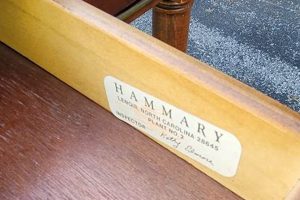
Tip 2: Verify Authenticity. Research manufacturers’ marks and design characteristics associated with specific periods. Reputable dealers can often provide documentation or attestation of an item’s age and origin. Be cautious of reproductions or items misrepresented as authentic.
Tip 3: Evaluate Comfort and Ergonomics. Prioritize comfort and functionality. Sit in chairs, test table heights, and ensure adequate space for movement. Cushions and upholstery may require replacement, so budget accordingly.
Tip 4: Consider Style and Compatibility. Select items that complement existing architectural features and landscaping. A cohesive outdoor design enhances the overall aesthetic appeal and property value. Mismatched styles can detract from the intended ambiance.
Tip 5: Research Pricing and Availability. Compare prices from multiple sources, including antique shops, online marketplaces, and estate sales. Factor in shipping costs, restoration expenses, and potential price fluctuations based on rarity and demand. A realistic budget is essential.
Tip 6: Negotiate Strategically. Be prepared to negotiate prices, particularly for items requiring restoration. Highlight any defects or imperfections to justify a lower offer. Knowledge of market values strengthens negotiating position.
Tip 7: Understand Restoration Requirements. Assess the level of restoration needed. Minor repairs, such as cleaning and painting, can be relatively straightforward. However, structural repairs or reupholstering may necessitate professional assistance.
The successful acquisition of period-specific outdoor furniture demands diligence, research, and a discerning eye. By following these recommendations, buyers can maximize their chances of securing lasting and aesthetically pleasing additions to their outdoor living spaces.
The following sections will delve into the most popular styles and where to find such unique pieces.
1. Material Durability

The longevity of vintage outdoor furniture is directly correlated with the inherent durability of its constituent materials. Exposure to the elements necessitates resistance to moisture, temperature fluctuations, and ultraviolet radiation. Original material selection and subsequent maintenance practices significantly influence a piece’s current condition and remaining lifespan. For instance, a cast iron bench from the late 19th century, properly maintained to prevent rust, may exhibit superior structural integrity compared to a contemporary aluminum chair that has suffered corrosion due to prolonged exposure to saltwater. Similarly, teak furniture, renowned for its natural oils and resistance to decay, often retains its structural soundness for decades, even under harsh outdoor conditions.
The importance of material durability cannot be overstated when considering an acquisition. Repairing or restoring extensively damaged vintage furniture can be a costly endeavor, potentially exceeding the value of the item. A wrought iron table exhibiting severe rust may require sandblasting, welding, and powder coating, processes necessitating specialized skills and equipment. Identifying durable materials like wrought iron, teak, redwood, and certain types of treated hardwoods is therefore a crucial step in the selection process. Examination for signs of material degradation, such as rot, corrosion, or cracking, is paramount. An informed assessment of material condition can prevent unforeseen expenses and ensure the long-term usability of the furniture.
In summary, material durability forms a cornerstone of value and practicality in vintage outdoor furnishings. Careful assessment of material type and current condition is essential for making informed purchasing decisions. Neglecting this aspect risks acquiring items that require extensive and costly repairs or possess a limited remaining lifespan. A focus on inherently durable materials, combined with meticulous inspection, ensures that the acquired furniture provides enduring beauty and functionality.
2. Style Authenticity

Style authenticity in the context of previously owned outdoor furnishings signifies the degree to which a piece accurately represents its purported historical period and design movement. This aspect is vital because it directly impacts both the aesthetic value and monetary worth of the item. Authenticity confirms that the item truly embodies the design principles, construction techniques, and material choices characteristic of its alleged era. For example, a claimed Art Deco wrought iron chair should exhibit the geometric patterns, streamlined forms, and meticulous craftsmanship that defined that style. If discrepancies exist between these expected features and the actual attributes of the furniture, its authenticity is questionable.
The assessment of style authenticity often involves examining details such as the presence of specific hallmarks or manufacturers’ marks, the types of joinery used, and the consistency of materials with those historically prevalent during the period. The absence of expected markings, or the presence of anachronistic construction techniques, raise red flags. For instance, a piece purported to be from the Victorian era but utilizing modern welding techniques would be demonstrably inauthentic. Furthermore, assessing the provenance of the item, or its documented history of ownership, can contribute to establishing its authenticity. A clear and unbroken chain of ownership adds credibility, while a lack of verifiable history diminishes confidence in the item’s origins.
Style authenticity serves as a critical factor in determining the collectibility and investment potential of period patio and garden dcor. Items confirmed to be genuine examples of their respective styles command higher prices and hold greater appeal for discerning collectors. Conversely, reproductions or pieces misrepresented as authentic possess diminished value and may not meet the expectations of buyers seeking historically accurate representations. Therefore, careful scrutiny of style authenticity is essential to ensure the acquisition of truly significant and valuable items. Overlooking this element can lead to misinformed purchases and a failure to appreciate the unique historical significance that genuine vintage pieces possess.
3. Structural Integrity

Structural integrity, in the context of period-specific patio and garden furnishings, refers to the capacity of an item to withstand intended loads and environmental stresses without deformation, fracture, or collapse. It is a fundamental attribute that directly impacts the safety, usability, and longevity of such pieces. Pre-owned furniture, by virtue of its age and prior usage, is inherently susceptible to structural degradation. Causes may include material fatigue, corrosion, wood rot, insect infestation, or accumulated stress from prolonged exposure to the elements. The absence of adequate structural integrity renders furniture unsafe for use and necessitates costly repairs or complete replacement. Consider a wrought iron table from the 1930s: if its legs exhibit significant rust-induced weakening, placing objects upon the tabletop could cause catastrophic failure, resulting in injury or property damage. Similarly, a wooden bench with advanced wood rot is likely to collapse under the weight of occupants.
The presence of sound structural integrity is a primary determinant of value in the marketplace. Buyers are willing to pay a premium for pieces that are demonstrably stable, secure, and capable of fulfilling their intended function without risk. Conversely, items with compromised structures are typically priced lower to reflect the cost of restoration or are deemed unsuitable for purchase. Detecting structural weaknesses requires careful inspection. This includes visually assessing for signs of rust, rot, cracks, or bends; physically testing joints and connections for looseness or play; and, if possible, load-testing the item to observe its behavior under stress. For instance, when evaluating a vintage glider, one should check for excessive play in the gliding mechanism, as well as inspect the frame for signs of fatigue or weld failure. Addressing identified structural deficiencies can involve welding, replacing deteriorated components, reinforcing weakened areas, or, in some cases, completely rebuilding the item. Understanding the importance of structural integrity and employing thorough inspection techniques are therefore critical for both buyers and sellers involved in trading outdoor furnishings.
In summary, structural integrity is a non-negotiable aspect of item condition. Its presence ensures safety, usability, and lasting value, while its absence signals potential hazards and costly repairs. The assessment of structural integrity demands a keen eye, a knowledge of materials and construction techniques, and, in some cases, professional expertise. Buyers must prioritize structural soundness when selecting their furniture and sellers should accurately represent the structural condition of items offered. By recognizing and addressing structural concerns, both parties contribute to a safer, more transparent, and ultimately more satisfying exchange of products.
4. Rarity Valuation

Rarity valuation, as applied to older patio and garden furnishings available for acquisition, significantly influences pricing and collectibility. The scarcity of a particular design, manufacturer, or material directly affects its market desirability and perceived worth. Understanding the factors contributing to rarity is crucial for both buyers and sellers to accurately assess the investment potential and negotiate fair market prices.
- Limited Production Runs
Items produced in deliberately small quantities, or those with verifiable historical documentation of limited availability, command premium prices. For instance, a limited edition cast iron bench from a renowned foundry, where only a handful were ever created, will be valued higher than mass-produced items from the same era. Verification of limited production typically requires access to archival records or expert authentication.
- Discontinued Designs
Furnishings featuring designs that were only produced for a short period or subsequently discontinued gain value due to their uniqueness and limited availability. A specific pattern of wicker seating from the 1920s, if no longer in production and difficult to source, would be considered rarer than commonly available designs. Collectors actively seek discontinued patterns and styles to complete collections or acquire distinctive pieces.
- Material Scarcity
The use of now-scarce materials in the construction of older furniture elevates its rarity and market value. For example, pieces crafted from old-growth redwood, which is now subject to stringent harvesting regulations, are highly sought after due to their inherent durability and limited availability. The presence of rare or exotic woods, metals, or fabrics significantly increases the perceived value of such furnishings.
- Exceptional Condition
Even commonly produced pieces can achieve rarity status if they exist in exceptional, original condition. Items that have been meticulously preserved and exhibit minimal wear and tear are highly desirable. A mass-produced metal glider from the 1950s, if fully restored to factory condition with original paint and upholstery, would be more valuable than similar gliders in average or poor condition. Preserving original finishes and components enhances rarity valuation.
The interplay of these factors significantly shapes the rarity valuation of period exterior dcor. Accurately assessing these elements necessitates thorough research, expert consultation, and a nuanced understanding of the historical context in which these furnishings were created. Items deemed genuinely rare command higher prices and offer strong investment potential for discerning collectors and enthusiasts. Therefore, a focus on determining scarcity contributes to informed purchasing decisions and successful transactions within the market.
5. Restoration Potential
Restoration potential represents a critical consideration when evaluating the acquisition of period-specific outdoor furnishings. The degree to which a piece can be returned to its original condition, or a structurally sound and aesthetically pleasing state, significantly influences its value and long-term usability. Assessing the feasibility and cost-effectiveness of restoration is therefore an integral part of the purchasing process.
- Surface Refinishing
The ability to restore original finishes or apply new, durable coatings is paramount. Peeling paint, rust, or faded varnish detract from aesthetic appeal and compromise material integrity. Wrought iron pieces may require sandblasting and powder coating, while wooden furniture may benefit from stripping, sanding, and application of appropriate stains and sealants. The ease and cost of these processes directly impact an item’s value.
- Structural Repair
Assessing the extent of structural damage is crucial. Broken welds, cracked frames, or rotted wood compromise safety and functionality. Repairing structural issues may involve welding, wood replacement, or reinforcement techniques. The availability of replacement parts, or the feasibility of fabricating custom components, influences the restorability and overall cost.
- Upholstery and Cushion Replacement
Worn or damaged upholstery and cushions detract from comfort and appearance. The ability to replace or reupholster these elements significantly enhances a piece’s appeal and usability. Sourcing appropriate fabrics and materials, or replicating original patterns, contributes to authentic restoration. Consider the condition of springs, webbing, and padding, as these may require replacement as well.
- Hardware Replacement
Missing or damaged hardware detracts from the overall aesthetic and functionality. The availability of replacement hardware, either original or reproduction, is a key factor. Sourcing matching screws, bolts, hinges, and decorative elements can significantly improve the appearance and value of an item. Pay close attention to the condition of latches, locks, and other functional hardware components.
The feasibility of successful restoration hinges on the extent of damage, the availability of replacement parts and skilled craftspeople, and the overall cost-effectiveness of the undertaking. While some items may require minimal effort to restore, others may necessitate extensive and costly work. A thorough assessment of restoration potential is therefore essential for informed purchasing decisions and maximizing the long-term value and enjoyment of pre-owned outdoor furniture.
6. Ergonomic Comfort

The intersection of ergonomic comfort and antique or period-specific patio and garden furniture presents a unique challenge. Historically, design priorities often emphasized aesthetics and material durability over the physical well-being of the user. Consequently, many items available in the sector designated “vintage outdoor furniture for sale” may not conform to contemporary standards of ergonomic design. This discrepancy necessitates careful evaluation prior to acquisition. Discomfort arising from prolonged use of poorly designed furniture can negate the aesthetic benefits and render the items impractical for regular use. An example might include a wrought iron chair from the Victorian era, aesthetically pleasing with intricate details, but lacking adequate lumbar support or seat depth, leading to discomfort and potential musculoskeletal strain. Thus, while visual appeal is a primary driver for purchasing this type of item, ignoring comfort considerations undermines its overall value proposition.
Addressing the ergonomic limitations of vintage outdoor furniture often involves modification or augmentation. Cushions and padding can improve seat comfort and provide additional support. However, alterations should be carefully considered to preserve the historical integrity of the piece. Adaptive measures might also include the addition of footrests or adjustable back supports. The choice of material for cushions is critical; it should be both durable enough for outdoor use and sympathetic to the original design aesthetic. Furthermore, prospective buyers should consider the typical use case for the furniture. Items intended for short-term seating, such as decorative benches, may require less ergonomic consideration than those designed for prolonged relaxation, such as lounge chairs or dining sets. The overall layout of the outdoor space should also be evaluated to ensure that the selected furniture promotes comfortable interaction and movement.
In conclusion, although the allure of period-specific patio and garden furniture lies primarily in its aesthetic charm, ignoring ergonomic comfort can lead to dissatisfaction and limited use. While inherent design constraints may pose challenges, proactive adaptation and careful selection can bridge the gap between historical authenticity and modern-day comfort expectations. Striking a balance between preserving the aesthetic integrity of these pieces and ensuring their usability is critical to maximizing their long-term value and enjoyment. This requires careful consideration of intended use, potential modifications, and the overall design of the outdoor space.
7. Seller Reputation

The acquisition of period patio and garden furnishings inherently involves a heightened degree of risk relative to purchasing new items. The value of “vintage outdoor furniture for sale” is significantly influenced by factors such as authenticity, condition, and rarity, each of which are subject to interpretation and potential misrepresentation. Consequently, the reputation of the seller becomes a paramount consideration in mitigating these risks. A seller with a proven track record of accurate descriptions, transparent business practices, and demonstrable expertise in the field offers assurance regarding the legitimacy and quality of the items offered. For instance, an established antique dealer specializing in mid-century modern furniture, with documented provenance for their pieces and positive customer reviews, provides a greater level of confidence than an anonymous online vendor with limited history. The vendor’s reputation acts as a proxy for the verifiable qualities of the merchandise itself.
Indicators of a reputable seller include membership in recognized antique or collectible associations, adherence to established codes of ethics, and the provision of detailed condition reports with high-resolution photographs. A willingness to provide documentation verifying the age, origin, and restoration history of items further reinforces trustworthiness. In contrast, red flags include vague descriptions, refusal to answer specific questions, and pressure tactics aimed at hastening a sale. Consider the hypothetical scenario of two sellers offering seemingly identical wrought iron benches. One seller provides verifiable provenance, detailed condition reports, and offers a satisfaction guarantee, while the other provides minimal information and refuses independent inspection. The disparate levels of transparency directly reflect the respective seller’s commitment to ethical business practices and accurate representation of their merchandise. Choosing the former minimizes the risk of acquiring a misrepresented or structurally unsound item.
Ultimately, seller reputation constitutes an intangible yet invaluable component of vintage outdoor furniture transactions. It provides a critical safeguard against fraud, misrepresentation, and unforeseen complications. Diligence in researching and vetting potential sellers is therefore a prudent investment that can significantly enhance the buyer’s confidence and ensure a more rewarding experience. While the allure of acquiring unique and historically significant outdoor furnishings is undeniable, prioritizing the reputation of the seller is essential for translating that aspiration into a successful and satisfying outcome.
Frequently Asked Questions
The following questions address common concerns and misconceptions associated with the acquisition of previously owned patio and garden furniture.
Question 1: How can the age of an item listed as “vintage outdoor furniture for sale” be reliably determined?
Age determination typically involves a combination of factors, including manufacturers’ marks, design characteristics specific to certain periods, and material analysis. Expert appraisal may be necessary for accurate dating, particularly for items lacking clear identifying features. Documentation or provenance records, if available, provide valuable corroboration.
Question 2: What are the primary risks associated with purchasing used outdoor furniture?
Potential risks include undisclosed structural damage, material degradation from exposure to the elements, and misrepresentation of authenticity. Thorough inspection and vetting of the seller are crucial to mitigate these risks. Requesting detailed condition reports and professional inspections can provide valuable insights.
Question 3: How does one assess the structural integrity of vintage metal furniture?
Assessment involves careful examination for rust, corrosion, and weld failures. Tapping the metal can reveal hidden weaknesses. Load testing, where appropriate, can identify structural instability. Consultation with a metalworking professional may be necessary for comprehensive evaluation.
Question 4: What are the best practices for cleaning and maintaining these types of items to preserve its condition?
Cleaning methods vary depending on the material. Gentle cleaning solutions are generally recommended to avoid damaging finishes. Regular maintenance, such as applying protective coatings, is essential to prevent deterioration from exposure to the elements. Consult specialized guides for specific materials.
Question 5: What are the key differences between “vintage” and “antique” designations in relation to exterior furnishings?
While definitions can vary, “antique” generally refers to items at least 100 years old, while “vintage” typically denotes items from a more recent era, often between 20 and 99 years old. These designations impact value and collectibility.
Question 6: How can one ascertain the fair market value of period outdoor furnishings?
Valuation requires researching comparable sales, considering condition and rarity, and potentially seeking appraisal from a qualified expert. Online price guides and auction records provide useful data points. Understanding market trends and demand for specific styles is crucial.
The answers to these frequently asked questions provide a foundation for informed decision-making when considering the purchase of previously owned patio and garden pieces.
The following sections will cover the legal aspects and where to find good pieces for purchase.
Conclusion
This exploration of sourcing previously owned patio and garden decor has underscored essential considerations for prospective buyers and sellers. Authenticity verification, structural integrity assessment, and the impact of rarity on valuation represent critical aspects demanding careful attention. Understanding restoration potential, prioritizing ergonomic comfort, and scrutinizing seller reputation are equally important for successful transactions involving “vintage outdoor furniture for sale”.
In a market where both aesthetic appeal and historical significance drive value, a comprehensive understanding of these factors is paramount. Continued diligence in research, informed decision-making, and a commitment to ethical business practices will ensure that the legacy of these unique pieces continues to be appreciated and preserved for future generations.