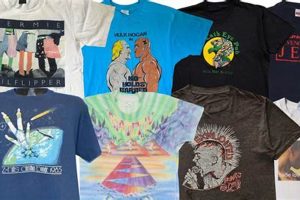
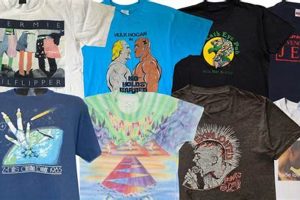
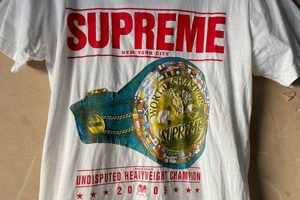
Apparel produced for men during a specific decade, roughly seventy years prior to the present day, and possessing qualities indicative of that era’s style and manufacturing techniques. These garments often exhibit features such as wider collars, boxy cuts, rayon or gabardine fabrics, and distinctive patterns like plaids, stripes, or novelty prints.
Items from this period offer a tangible connection to mid-century culture, reflecting societal shifts in fashion, leisure, and manufacturing. They represent a time when quality construction and distinctive design were highly valued, offering collectors and enthusiasts durable and aesthetically unique pieces. Acquiring them can be an investment in preserving fashion history and a statement of individual style, distinguishing the wearer from contemporary trends.
Understanding the key characteristics, materials, and prevalent styles of this era is crucial for identifying authentic pieces and appreciating their significance. The subsequent sections will delve into specific aspects, including fabric types, collar variations, common patterns, and care considerations for preserving these historical articles of clothing.
Essential Guidance for Appreciating Apparel from the Mid-20th Century
The following recommendations are designed to assist in identifying, preserving, and understanding items produced approximately seven decades ago for the male population. These tips will allow you to select vintage clothing that aligns with your preferences, while also gaining a more profound respect for sartorial heritage.
Tip 1: Authenticate Fabric Composition: Prioritize the verification of original fabric content. Fabrics commonly employed included rayon, gabardine, cotton blends, and occasionally wool. Examining the material closely, or referring to period-specific textile guides, can reveal whether the garment is genuinely vintage.
Tip 2: Scrutinize Construction Details: Authentic garments often feature details absent in contemporary replicas. Check for single-needle stitching, which signifies a slower, more meticulous manufacturing process. The presence of union labels, dating the garment to a specific era of production, should also be noted.
Tip 3: Assess Collar Styles: Collar designs from this era often differ significantly from contemporary styles. Look for wider, more pronounced collars, such as the spearpoint or loop collar, that were hallmarks of that period’s fashion. Compare to known examples from catalogs or advertisements to confirm authenticity.
Tip 4: Evaluate Pattern and Print Quality: Patterns and prints from the time possessed a distinct aesthetic. Geometric designs, plaids, stripes, and novelty prints featuring themes like cars, music, or travel were prevalent. Examining the sharpness and color saturation of the print can indicate its age and authenticity.
Tip 5: Account for Expected Wear and Tear: Authentic garments will likely exhibit signs of wear commensurate with their age. Fading, small repairs, or minor imperfections should be viewed as part of the garment’s history, rather than as defects. However, excessive damage should be considered carefully.
Tip 6: Investigate Label Information: Examine the label closely for information about the manufacturer, sizing, and care instructions. Research the brand name and any accompanying logos to determine the garment’s approximate age and origin.
Tip 7: Verify Button and Fastener Material: Buttons and fasteners from this era were often crafted from materials such as Bakelite, mother-of-pearl, or early plastics. Examining the material and design of these components can offer clues about the garment’s age and authenticity.
Applying these guidelines enables a more informed approach to acquiring mid-20th-century male apparel. This knowledge enhances the appreciation of fashion history and safeguards against the acquisition of inauthentic items.
With a firm foundation in identification and preservation techniques established, the following sections will explore specific styles and design elements in greater detail, aiding in curating a vintage wardrobe that is both historically accurate and personally expressive.
1. Collar Styles

The design of collars on male apparel from the mid-20th century is a significant indicator of the period’s fashion trends and the garment’s authenticity. Specific collar styles were prevalent and help define the aesthetic of that era.
- Spearpoint Collar
Characterized by its long, pointed extensions, the spearpoint collar was a defining feature. Often worn with a collar bar or pin, it projected a formal and sophisticated image. Its presence on a garment strongly suggests a manufacturing date within that decade, particularly the earlier years.
- Camp Collar (also known as Cuban Collar)
This open-neck collar, with its relaxed and casual style, became increasingly popular. Featuring a one-piece construction that lays flat against the chest, it embodied the more leisure-oriented fashion trends. The camp collar’s prevalence signals a garment intended for informal settings and aligns with the period’s evolving social norms.
- Button-Down Collar
Originating in sportswear, the button-down collar transitioned into mainstream fashion. This design, with its points secured to the garment with buttons, provided a practical and stylish option for everyday wear. Its inclusion on a garment from that decade indicates a blend of functionality and evolving fashion sensibilities.
- Loop Collar
A variation on the camp collar, the loop collar incorporates a small loop and button closure at the neck. This detail added a touch of formality while maintaining the relaxed open neck style. Its presence, though less common than other styles, represents a specific design trend within the overall context of mid-century male attire.
These specific collar styles reflect the diverse influences shaping fashion at the time. Each design caters to different social settings and personal preferences. Examining the collar is a crucial step in assessing the age and authenticity of items from this era.
2. Fabric Composition

The materials used in constructing male apparel during the middle of the 20th century are a key indicator of age, quality, and intended use. Understanding the common textiles employed in this era is crucial for identifying authentic garments and appreciating their unique characteristics.
- Rayon (Viscose)
Rayon, often marketed as a synthetic alternative to silk, was widely favored. It offered a smooth drape, vibrant color retention, and affordability. Garments made from rayon are common, reflecting its popularity as a versatile textile for diverse styles, from casual open-collar articles to more formal dress options.
- Gabardine
A tightly woven twill fabric, gabardine provided durability and resistance to wrinkles. Often composed of wool or a wool blend, it was utilized for higher-quality items. The presence of gabardine in a garment indicates a focus on longevity and a more tailored aesthetic, often found in work wear or dress pieces.
- Cotton and Cotton Blends
Cotton, in various weaves and weights, was a staple material. Blends with synthetic fibers such as Dacron (polyester) improved wrinkle resistance and ease of care. The utilization of cotton or cotton blends reflects the garment’s intended use for everyday wear, where comfort and practicality were prioritized.
- Acetate
Less common than rayon but still prevalent, acetate offered a silky feel and was often used in blends. It was less durable than rayon and more susceptible to damage from heat and solvents. Its presence can indicate a garment designed for occasional wear, where visual appeal was prioritized over long-term durability.
These prevalent fabrics highlight the textile landscape of the time. Recognizing these materials and their properties is essential for evaluating authentic garments and understanding their historical significance. Assessing fabric composition is critical for preservation, as different fibers require specific care to maintain their integrity over time.
3. Pattern Variety

The extensive array of patterns found on male apparel from the middle of the 20th century is a defining characteristic. It provides significant insight into the era’s aesthetic preferences, textile manufacturing capabilities, and the evolving social norms influencing men’s fashion. The variety is not merely decorative; it reflects a confluence of cultural influences and technological advancements, making pattern a critical element in assessing authenticity and understanding the historical context of these garments. The increased accessibility of vibrant dyes and improved printing techniques resulted in bolder and more diverse patterns than in previous decades. Examples range from geometric designs and abstract motifs to representational prints depicting tropical scenes, automobiles, or musical instruments.
The specific patterns employed often correlate with the intended use and target demographic for the article of clothing. Workwear pieces may feature subtle plaids or stripes, offering a touch of style within a utilitarian context. Leisure wear, conversely, exhibited louder, more expressive designs. Hawaiian shirts, with their vibrant floral prints and depictions of island life, epitomize this trend. The practical significance of understanding pattern variety lies in the ability to accurately date and categorize garments. Distinguishing between authentic patterns and later reproductions or interpretations requires careful study of period catalogs, advertisements, and textile samples. Furthermore, analyzing the pattern repeat, printing technique, and color palette provides valuable clues about the garment’s origin and quality.
In conclusion, the broad spectrum of patterns represents an essential element. This is crucial for both authentication and appreciation. Challenges in identifying original patterns stem from the fading of dyes over time and the subsequent reproduction of popular designs. A thorough knowledge of pattern trends, manufacturing processes, and cultural influences is essential for navigating these complexities. Further investigation into specific pattern types and their historical significance will continue to enhance the understanding of items and their place in fashion history.
4. Construction Quality

The construction quality of male apparel produced in the mid-20th century is a crucial factor in determining authenticity, durability, and overall value. Garments from this era often exhibit manufacturing techniques and standards that differ significantly from contemporary practices, rendering construction a key area of focus for collectors and enthusiasts.
- Single-Needle Stitching
A hallmark of well-made pieces, single-needle stitching involves the use of one needle to create a clean, precise seam. This technique, more time-consuming and costly than modern multi-needle methods, produces a tighter, more durable seam. Its presence often indicates a higher level of craftsmanship and attention to detail, commonly found in quality clothing from that decade.
- Reinforced Seams and Stress Points
Garments designed for longevity frequently feature reinforced seams at stress points such as the collar, cuffs, and shoulder areas. These reinforcements, often implemented through extra stitching or the addition of fabric tape, enhanced durability and prevented premature wear. Evidence of reinforced construction is indicative of garments built to withstand regular use and maintain their structure over time.
- Button Attachment Techniques
The method of button attachment provides insights into manufacturing practices. Securely fastened buttons, often sewn with a distinctive cross-stitch pattern or reinforced with a backing button, suggest a focus on quality and durability. The material of the buttons themselves, whether mother-of-pearl, early plastics, or metal, also contributes to the overall assessment of construction standards.
- Collar Interlining and Shaping
The construction of the collar, particularly its interlining and shaping, is a significant indicator of quality. Well-constructed collars maintain their shape and structure, even after repeated washings and wear. The use of high-quality interlining materials and precise shaping techniques contributes to a collar that sits properly and enhances the overall appearance of the garment.
These construction details collectively contribute to the enduring appeal of garments. The emphasis on quality materials and meticulous manufacturing processes resulted in clothing that could withstand the test of time. By examining these aspects, collectors and enthusiasts can gain a deeper appreciation for the craftsmanship and historical value inherent in these vintage pieces. Understanding construction quality aids in identifying authentic garments, assessing their condition, and ensuring their proper preservation for future generations.
5. Button Materials

The materials used for buttons on male apparel from the middle of the 20th century offer a tangible link to the manufacturing practices and aesthetic preferences of the era. The composition of these fasteners provides valuable clues about the garment’s age, intended use, and overall quality.
- Mother-of-Pearl
Buttons crafted from mother-of-pearl were a common feature on higher-end pieces. Their iridescent sheen and natural variations in color added a touch of elegance. Their presence on a garment suggests a commitment to quality and a higher price point, reflecting the garment’s intended market. Examples include dress shirts and tailored pieces where a refined aesthetic was paramount.
- Bakelite and Early Plastics
Bakelite and other early plastics, such as urea-formaldehyde, were utilized extensively. These materials offered durability, affordability, and the ability to be molded into various shapes and colors. The presence of Bakelite buttons, often in geometric designs or imitation horn, indicates a mid-century origin. Common examples include work wear and casual garments where practicality and cost-effectiveness were key considerations.
- Metal Buttons
Metal buttons, typically made of brass, steel, or aluminum, were frequently found on work shirts and military-inspired garments. Their durability and utilitarian appeal made them suitable for clothing intended for rugged use. Examples include work shirts, jackets, and outerwear where functionality outweighed aesthetic considerations.
- Vegetable Ivory (Tagua Nut)
Buttons derived from vegetable ivory, a natural material harvested from the tagua nut, offered a sustainable and aesthetically pleasing alternative to animal-based ivory. Their use reflects an appreciation for natural materials and a commitment to ethical sourcing. While less common than other materials, vegetable ivory buttons can be found on high-quality garments where craftsmanship and sustainability were valued.
These diverse button materials serve as a microcosm of the broader material culture of the era. By examining the composition, design, and method of attachment, valuable insights into the garment’s history and intended use can be gained. The selection of button material often reflects a balance between cost, durability, aesthetics, and ethical considerations, making it a significant element in assessing items from that period.
6. Color Palettes
The color palettes prevalent in male apparel from the 1950s provide a direct reflection of the era’s cultural climate, technological advancements in textile dyeing, and evolving aesthetic preferences. The availability of new synthetic dyes resulted in a broader spectrum of colors than in previous decades, influencing the styles and visual appeal of garments. Pastel shades, such as pale blues, pinks, and greens, were widely adopted, reflecting a sense of optimism and post-war prosperity. Earth tones, including browns, tans, and olives, remained popular, particularly for workwear and casual attire. The combination of these palettes created a distinctive visual signature associated with the time.
Understanding the significance of these colors is crucial for identifying authentic vintage garments. The specific hues and saturations employed in the 1950s often differ from contemporary reproductions or interpretations. For example, a genuine Hawaiian has very vibrant colors, reflecting the culture and the advancements in the Dye business in 1950s. Colors were achieved by newly created colors and materials. Subtle variations in tone or the presence of certain pigments can indicate the garment’s age and origin. Knowledge of these color palettes also facilitates accurate dating and categorization of vintage clothing, enabling collectors and historians to distinguish between different production periods and stylistic trends. The use of color in clothing also reveals societal norms of the time, with brighter shades becoming more acceptable for casual wear, while more subdued tones remained standard for formal occasions.
In summary, the color palettes of the 1950s represent an integral element. They influence the aesthetic of the time. Accurately identifying and interpreting these colors presents a significant challenge. The effects of age, fading, and variations in lighting conditions complicate the process of authentication. However, a thorough understanding of the dyeing techniques, cultural influences, and prevalent color schemes of the era is essential for appreciating the historical and artistic value of garments from that period, thus helping assess authentic clothing from similar styles.
7. Brand Recognition
The identification of manufacturers associated with apparel produced for men during the middle of the 20th century is paramount for accurately assessing authenticity, provenance, and market value. Brand recognition allows for the contextualization of the garment within the broader landscape of fashion and commerce during that era.
- Dating and Authentication
Prominent labels, such as Arrow, Manhattan, McGregor, and Van Heusen, offer critical clues for establishing a garment’s age. By researching the history of these brands, including logo variations, manufacturing locations, and advertising campaigns, collectors can more accurately date and authenticate vintage pieces. The presence of a known brand mark significantly increases the likelihood that an item is genuine.
- Assessment of Quality and Materials
Certain brands were recognized for their commitment to quality craftsmanship and the use of premium materials. Identifying a garment as having been produced by a reputable manufacturer serves as an indication of the materials and construction techniques employed. For instance, a “Manhattan” garment signals a focus on tailored fit and durable fabric, while a “McGregor” article suggests a blend of sporty style and resilient construction.
- Understanding Target Markets
Brand recognition allows for the assessment of the garment’s intended audience and positioning within the market. Certain manufacturers catered to specific demographics or social groups, influencing the styling, pricing, and distribution of their products. A label like “Levi’s” indicates a focus on workwear and durable clothing for a working-class demographic, while labels targeting a more affluent clientele might exhibit finer fabrics and more sophisticated styling.
- Influence of Advertising and Marketing
The advertising and marketing campaigns employed by clothing manufacturers shaped consumer perceptions and preferences. Recognizing brands that were heavily promoted in magazines, newspapers, and television programs provides insight into the cultural landscape and fashion trends of the time. Examining advertisements from the era allows for a better understanding of how these labels influenced sartorial choices and defined the image of the modern man.
Ultimately, brand recognition is an indispensable tool for evaluating garments produced for men during the mid-20th century. By considering the history, reputation, and marketing strategies associated with particular labels, collectors and enthusiasts can more fully appreciate the cultural significance and historical value of these vintage pieces.
Frequently Asked Questions
The following section addresses commonly asked questions regarding apparel produced for men during the middle of the 20th century. These questions aim to provide clarification on identification, care, and historical significance.
Question 1: How is an authentic article differentiated from a modern reproduction?
Authentic examples often exhibit construction techniques and materials that differ from modern reproductions. Single-needle stitching, unique collar styles, and specific fabric compositions (e.g., rayon, gabardine) are characteristic features. Examination of the label, button materials, and pattern quality provides additional indicators.
Question 2: What are the primary fabrics used in manufacturing these types of items?
The prevalent fabrics include rayon (viscose), gabardine (often wool or a wool blend), cotton, and acetate. These materials contributed to the distinctive drape, durability, and visual aesthetic of the era.
Question 3: How should clothing from this time be properly cared for to ensure longevity?
Due to the delicate nature of some fabrics (e.g., rayon), hand washing or gentle machine washing with cold water is recommended. Air drying is preferable to machine drying. Storage in a cool, dry place away from direct sunlight helps to prevent fading and degradation.
Question 4: What are some of the most recognizable brands associated with the mid-20th century?
Notable labels from this era include Arrow, Manhattan, McGregor, Van Heusen, and Levi’s. Researching these brands’ histories and identifying their trademarks aids in assessing authenticity.
Question 5: How can a vintage item’s condition affect its overall value?
The condition significantly influences value. Mint condition pieces are highly prized. However, minor imperfections, such as fading or small repairs, can be acceptable, provided they do not detract significantly from the garment’s overall appearance. Excessive damage or alterations typically diminish value.
Question 6: What are some of the defining pattern types of that time?
Common patterns include plaids, stripes, geometric designs, Hawaiian prints, and novelty prints (e.g., depicting cars, music, or travel). The specific style, color palette, and printing technique contribute to the garment’s overall authenticity and historical context.
Understanding these frequently asked questions provides a foundation for identifying, caring for, and appreciating apparel produced for men during the middle of the 20th century. This knowledge enables informed decisions regarding acquisition, preservation, and historical interpretation.
With a solid understanding of these foundational aspects established, the following sections delve into specific resources and further reading for those seeking a more in-depth exploration of items produced for men in the 1950s.
Conclusion
This exploration of vintage mens shirts 1950s has examined key characteristics, including fabric composition, collar styles, pattern variety, construction quality, button materials, color palettes, and brand recognition. Analysis of these elements facilitates authentication, appreciation, and informed decision-making regarding acquisition and preservation.
Continued research and preservation efforts are essential to safeguard these tangible representations of mid-20th century fashion and culture. Further investigation into specific styles, manufacturing techniques, and societal influences will ensure the continued appreciation of vintage mens shirts 1950s as significant artifacts of sartorial history.