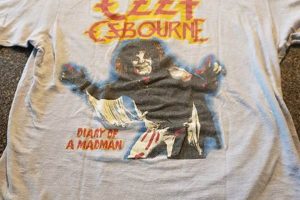
Items of clothing bearing the name of or imagery associated with the band Steely Dan, produced in an earlier era, represent a specific category of merchandise. These shirts, often screen-printed with album art, tour dates, or stylized band logos, are sought after by collectors and fans of the musical group.
The appeal of these garments stems from several factors. They provide a tangible connection to a particular time in the band’s history, serving as a memento of concerts attended or albums enjoyed upon their initial release. Moreover, their scarcity, resulting from limited production runs and the passage of time, contributes to their desirability and perceived value within niche markets.
The following sections will delve into specific aspects of these collectibles, including identifying characteristics, valuation factors, and avenues for acquisition.
Essential Considerations for Appraising Collectible Band Apparel
The acquisition of a garment associated with Steely Dan necessitates careful evaluation to ensure authenticity and fair market value. Consideration of several factors is paramount before purchase.
Tip 1: Assess Fabric and Construction: Examination of the fabric’s composition and the garment’s construction is essential. Older shirts typically exhibit single-stitch seams and may feature a thinner, more worn fabric compared to modern reproductions.
Tip 2: Verify Print Quality and Detail: Inspect the screen print for signs of degradation or inconsistencies. Original prints generally display a certain level of wear commensurate with age, but the image should remain relatively clear and retain its original details. Fuzzy or pixelated imagery may indicate a replica.
Tip 3: Scrutinize Tag Information: The presence and condition of the manufacturer’s tag are critical. Research known tag styles associated with the garment’s purported era. Discrepancies in the tag’s font, material, or manufacturing details should raise suspicion.
Tip 4: Research Specific Album Artwork and Tour Dates: Compare the printed design with officially released album artwork and tour schedules. Inaccuracies or anachronisms in the design are indicative of inauthenticity.
Tip 5: Investigate Seller Reputation and Provenance: Prior to purchase, thoroughly research the seller’s reputation and seek documented provenance for the item. Reputable dealers should be able to provide information regarding the shirt’s history and origin.
Tip 6: Compare Prices Across Multiple Sources: Evaluate pricing across various online marketplaces and auction sites to determine a fair market value. Consider factors such as condition, rarity, and demand when assessing the price.
Tip 7: Seek Expert Opinion When Necessary: When uncertainty persists regarding authenticity or valuation, consulting with an expert in vintage apparel or music memorabilia is recommended. Professional appraisals can provide valuable insights and reduce the risk of fraudulent purchases.
Adherence to these guidelines can mitigate the risks associated with acquiring band-related collectibles and improve the likelihood of securing a genuine and valuable item.
The next section will explore common pitfalls encountered in the search for these items and strategies for avoiding them.
1. Authenticity Markers

The validation of garments associated with Steely Dan hinges on the identification of specific markers that distinguish original items from contemporary reproductions or counterfeits. These markers offer tangible evidence of an item’s age, origin, and compliance with manufacturing standards prevalent during the band’s active touring and recording years.
- Single-Stitch Seams
A common characteristic of vintage t-shirts, including those related to Steely Dan, is the presence of single-stitch seams on the sleeves and hem. This construction method, where a single line of stitching secures the fabric, was widely used prior to the adoption of overlock or double-stitch techniques. The absence of single-stitch seams on a shirt purportedly from the 1970s or 1980s is a strong indicator of inauthenticity.
- Fabric Composition and Weight
The composition of the fabric provides another clue. Older shirts often feature 100% cotton, with a specific weight and weave discernible to experienced collectors. Modern reproductions may utilize different cotton blends or lighter-weight fabrics that do not match the characteristics of textiles used during the band’s prime. Examining the fabric’s texture and drape can help to determine its vintage.
- Tag Styles and Markings
Manufacturer tags sewn into the collar or side seam offer valuable information. Vintage t-shirts bear tags from defunct companies or feature specific tag designs used only during certain periods. Researching known tag styles associated with specific manufacturers popular during the relevant era (e.g., Hanes, Screen Stars) is crucial. Variations in font, logo design, or tag material can indicate a reproduction.
- Print Characteristics and Wear Patterns
The quality and nature of the screen print itself provide further evidence. Vintage prints often exhibit a certain level of cracking or fading due to age and wear. The type of ink used, the thickness of the print, and the presence of specific wear patterns consistent with age can differentiate an original shirt from a newly printed copy. Furthermore, the specific colors and design details must align with officially released album artwork or tour promotional materials.
These authenticity markers, when evaluated collectively, provide a framework for assessing the likelihood that a garment is a genuine representation of Steely Dan merchandise from its original period. Discrepancies in any of these areas should prompt further investigation and caution before purchase.
2. Fabric Age
The age of the fabric constituting apparel associated with Steely Dan holds considerable significance in determining its authenticity and collectibility. The materials and manufacturing processes employed during the band’s active years differ substantively from those used in contemporary garment production. Consequently, the discernible characteristics of aging in vintage textiles serve as an important indicator of an item’s origin and potential value. For example, a shirt purportedly originating from the 1977 “Aja” tour should exhibit a natural level of wear and fading consistent with a cotton fabric exposed to laundering and environmental factors over four decades. The absence of such age-related characteristics casts doubt on the garment’s purported vintage status.
The effects of time manifest in several ways within the fabric. Cotton fibers degrade, leading to a softening of the material and a gradual loss of tensile strength. Dyes fade and shift in tone, resulting in a characteristic patina. Furthermore, repeated washing cycles cause the fabric to shrink and distort slightly. Observing these nuances allows for the differentiation between a genuinely old garment and a modern reproduction designed to mimic the appearance of age. Consider a scenario where two shirts bear identical Steely Dan graphics. If one exhibits a subtle yellowing of the white fabric and a gentle cracking of the printed design, while the other appears pristine and vibrant, the former is more likely to be a genuine vintage item.
In summary, the study of fabric age provides a crucial lens through which to evaluate the authenticity of apparel linked to Steely Dan. The inherent properties of aging in textiles, influenced by environmental exposure and laundering practices, leave behind discernible markers that can be analyzed to distinguish original garments from their modern counterparts. While assessing fabric age is not a foolproof method, it is a valuable tool in the arsenal of any collector seeking to acquire authentic pieces of band history. Misinterpreting these signs could lead to overpaying for items of lower value, or even accidentally purchasing a counterfeit product.
3. Print Quality
Print quality serves as a critical determinant in assessing the value and authenticity of apparel linked to Steely Dan. The methods and materials employed in printing these garments, typically screen printing, evolved significantly over time. Therefore, evaluating the characteristics of the print provides valuable insights into the item’s likely era of production and legitimacy.
- Ink Type and Texture
Vintage prints often utilize plastisol inks, known for their durability and slightly raised texture. Modern reproductions may employ different ink types, such as water-based inks, which result in a softer, less pronounced feel. The tactile quality of the print, therefore, can serve as an initial indicator of age. For example, a shirt featuring artwork from the “Royal Scam” era should ideally exhibit the characteristic thickness and slightly rubbery texture associated with plastisol inks of that period.
- Screen Resolution and Detail
The resolution of the screen print directly impacts the level of detail captured in the design. Earlier printing techniques often resulted in slightly less sharp images compared to modern high-resolution methods. Examining fine details, such as intricate linework or subtle shading within the Steely Dan logo or album artwork, can reveal differences between vintage prints and contemporary reproductions. Fuzziness or a lack of clarity in these details may suggest a modern reproduction.
- Cracking and Fading Patterns
The effects of age and wear manifest in predictable patterns within the print. Cracking, a common occurrence in vintage screen prints, results from the gradual breakdown of the ink film due to repeated washing and stretching. Fading, caused by exposure to sunlight and detergents, alters the color intensity and vibrancy of the print. Analyzing the nature and extent of cracking and fading can help to determine if the wear patterns are consistent with the garment’s purported age. Artificial distressing techniques, often used to mimic these effects in reproductions, tend to produce less natural and less nuanced wear patterns.
- Color Saturation and Accuracy
The color saturation and accuracy of the print must align with the original album artwork or promotional materials. Discrepancies in color palettes, such as muted tones or inaccurate color matching, can indicate a reproduction. Furthermore, the consistency of color saturation across the printed area is important. Vintage prints may exhibit slight variations in color density due to the manual nature of the screen-printing process, while modern reproductions often achieve a more uniform and consistent color saturation.
These facets of print quality, when considered collectively, offer a robust framework for evaluating apparel associated with Steely Dan. Discrepancies in ink type, resolution, wear patterns, or color accuracy should prompt further scrutiny and investigation. By carefully examining these details, collectors can improve their ability to identify authentic vintage pieces and avoid potentially fraudulent purchases.
4. Tag Details

Manufacturer’s tags, integral components of apparel, provide crucial authentication markers for garments associated with Steely Dan produced in earlier eras. These tags, affixed to the inner collar or side seam, contain information that, when scrutinized, can reveal an item’s origin, era of production, and potentially expose reproductions or counterfeit items.
- Brand Identification
Specific brands, such as Hanes, Screen Stars, and Champion, were prevalent during the period when Steely Dan achieved peak popularity. The presence of a known vintage brand tag increases the likelihood of the garment’s authenticity. The tag’s font style, logo design, and overall layout must correspond to the design characteristics associated with that brand during the purported era of production. A tag bearing a contemporary brand logo on a shirt claimed to be from the 1970s would be a clear indication of inauthenticity.
- Fabric Composition
Tags often specify the fabric composition of the garment, typically 100% cotton or a cotton blend. Examining the stated fabric composition can help verify the garment’s vintage, as certain fabric blends were introduced at specific times. For instance, the presence of polyester in a garment claimed to be from the early 1970s would warrant further investigation, as 100% cotton was the more common material during that period.
- Country of Origin
The tag typically indicates the country of origin, such as “Made in USA” or “Made in Mexico.” Examining the country of origin can provide clues about the garment’s authenticity. For example, a garment claimed to be from the 1980s with a tag stating “Made in China” might raise suspicion, as manufacturing practices shifted geographically over time.
- Care Instructions
Care instructions printed on the tag can also offer valuable information. Vintage tags often feature simpler care instructions compared to modern tags, reflecting the laundry practices and detergent formulations of the time. The presence of elaborate or highly specific care instructions on a tag claimed to be from an earlier era might indicate a more recent reproduction.
In summation, meticulous examination of the manufacturer’s tag is an indispensable step in authenticating garments associated with Steely Dan. The tag’s brand identification, fabric composition, country of origin, and care instructions collectively provide a wealth of information that can help distinguish genuine vintage items from modern reproductions or counterfeit products. Neglecting to scrutinize these details increases the risk of acquiring an item of questionable origin and potentially overpaying for its perceived value.
5. Album Association
A critical aspect of valuing apparel linked to Steely Dan lies in its direct association with specific albums. Garments featuring album artwork, track lists, or promotional imagery from landmark releases represent a tangible connection to the band’s creative output during a particular period. The album association provides context, enhancing the garment’s collectibility and potential market value. For instance, a t-shirt displaying the iconic cover art from “Aja,” released in 1977, holds greater significance due to its direct tie to the band’s critically acclaimed and commercially successful album. The presence of this association transforms the garment from mere merchandise into a piece of music history.
The impact of album association is multifaceted. It allows fans to express their affinity for specific albums that resonate with them personally. It also enables collectors to curate a thematic collection, focusing on garments tied to particular eras or artistic statements within Steely Dan’s discography. Furthermore, the album association aids in authentication. Examining the artwork or typography featured on the garment and comparing it to the official album artwork provides a means of verifying its legitimacy. Discrepancies in design elements or color palettes can raise red flags, suggesting a reproduction or unauthorized item. For example, promotional apparel created for the release of “Gaucho” in 1980 often incorporated specific color schemes and graphic motifs. Any garment claiming to be from that era that deviates significantly from these established visual cues would warrant closer scrutiny.
In summary, the album association constitutes an essential element in evaluating apparel linked to Steely Dan. It establishes a direct link to the band’s artistic achievements, enhances collectibility, and aids in authentication. However, understanding the nuances of album artwork and promotional imagery requires meticulous research and a familiarity with the band’s discography. Collectors who invest the time in acquiring this knowledge are better positioned to make informed purchasing decisions and appreciate the historical significance of these garments.
6. Wear Patterns

The examination of wear patterns constitutes a critical element in authenticating garments associated with Steely Dan from earlier periods. Wear patterns provide a tangible record of the garment’s use and exposure to environmental factors over time. These patterns, when properly interpreted, offer insights into the garment’s age, provenance, and overall authenticity. Factors contributing to wear patterns include frequency of laundering, exposure to sunlight, and the manner in which the garment was stored. For instance, a shirt worn frequently and washed regularly will exhibit a general fading of the fabric and print, as well as localized wear at points of friction, such as the collar and cuffs. A shirt stored in direct sunlight may display uneven fading or discoloration. The consistency and nature of these wear patterns are crucial considerations.
Analyzing wear patterns involves several key steps. First, the overall condition of the fabric is assessed, noting any areas of thinning, stretching, or discoloration. Second, the print is examined for signs of cracking, fading, or wear-related damage. Cracking in the print, a common occurrence in vintage screen prints, should appear natural and consistent with the age of the garment. Artificially induced cracking, often employed in reproductions, tends to exhibit a less nuanced and more uniform appearance. Third, the seams are inspected for signs of wear or repair. The stitching should be intact, and any repairs should be consistent with the sewing techniques used during the garment’s purported era. Consider, for example, a shirt featuring artwork from the “Countdown to Ecstasy” album. If the shirt exhibits significant fading and cracking in the print, along with localized wear at the collar and cuffs, these wear patterns would align with the garment’s purported age. Conversely, a shirt with a pristine print and no signs of wear would raise concerns about its authenticity.
In conclusion, the study of wear patterns provides a valuable tool for evaluating garments associated with Steely Dan from earlier periods. By carefully examining the fabric, print, and seams, collectors can gain insights into the garment’s history and determine its authenticity. However, interpreting wear patterns requires a degree of experience and a thorough understanding of the materials and manufacturing processes employed during the relevant era. Neglecting to consider wear patterns increases the risk of acquiring a reproduction or counterfeit item. Understanding the interplay between use, time, and material degradation is therefore paramount in the pursuit of authentic vintage apparel featuring Steely Dan.
7. Rarity Impact

The scarcity of a particular shirt significantly influences its perceived value and desirability within the collector market. Several factors contribute to the rarity of vintage Steely Dan apparel, including limited production runs, event-specific designs, and the attrition rate over time. Shirts produced for a single tour stop, for example, would inherently be less common than those sold at multiple venues, directly impacting their potential valuation. The condition of surviving items further affects rarity. A shirt in pristine condition is statistically less likely to exist than one showing significant wear, increasing its value among discerning collectors.
The effect of scarcity is amplified by demand within the Steely Dan fanbase. Shirts featuring obscure album artwork, early tour dates, or unique designs garner greater attention due to their limited availability and association with specific moments in the band’s history. A shirt commemorating a promotional event for “Pretzel Logic,” if authenticated and relatively well-preserved, would be more valuable due to the album’s enduring popularity and the limited nature of event-specific merchandise. Furthermore, shirts featuring designs not commercially released contribute to the overall value. The “Rarity Impact” should be considered as a function of both supply and demand, leading to some items, not necessarily the oldest, being highly sought after.
Understanding the “Rarity Impact” is of high importance for assessing collectables, helping buyers and sellers make smarter decisions. Understanding all the factors behind high cost for “steely dan t shirt vintage” is vital for everyone.
Frequently Asked Questions
The following addresses common inquiries regarding vintage Steely Dan apparel, providing information to aid in identification, valuation, and responsible acquisition.
Question 1: How can the age of a garment be reliably determined?
Assessment of age involves multiple factors, including fabric composition, stitch type (single vs. double), tag styles, and print characteristics. Consultation with apparel experts or access to vintage garment databases can also provide corroborating information.
Question 2: What constitutes a “rare” vintage item within this category?
Rarity is determined by limited production runs (e.g., tour-specific merchandise), unique designs, and the garment’s condition. Documentation substantiating the item’s origin and production numbers significantly contributes to its rarity assessment.
Question 3: What are the primary indicators of a counterfeit or reproduction garment?
Indicators include inconsistencies in tag details, modern fabric blends, digital printing techniques (as opposed to screen printing), and discrepancies between the design and officially released album artwork or promotional materials.
Question 4: How should wear patterns be interpreted when assessing authenticity?
Wear patterns should be consistent with the garment’s purported age and usage. Natural fading, cracking of the print, and localized wear at points of friction (collar, cuffs) are expected. Uniform or artificially distressed wear patterns may indicate a reproduction.
Question 5: What resources are available for researching tag styles and manufacturer information?
Online databases dedicated to vintage apparel tags, historical brand archives, and consultation with vintage clothing experts provide valuable resources for researching tag styles and manufacturer information.
Question 6: What are the recommended storage practices for preserving the condition of such collectibles?
Storage recommendations include archival-quality garment bags, acid-free tissue paper, and climate-controlled environments to prevent damage from humidity, light exposure, and pests.
Authenticating and preserving this niche-market item requires expertise and thoroughness, and taking the time to understand the item is a valuable effort to the collector.
This concludes the information on frequently asked questions. The subsequent section transitions to strategies for acquiring and valuing this specific type of band merchandise.
In Conclusion
The examination of apparel associated with the band Steely Dan has revealed the multiple facets involved in authenticating and valuing these items. From assessing fabric age and print quality to scrutinizing tag details and understanding the impact of rarity, each element contributes to a holistic understanding of its worth. These “steely dan t shirt vintage” pieces are more than just memorabilia, serving as tangible artifacts of a specific musical and cultural era.
Navigating the complexities of this niche market requires diligence, informed decision-making, and a commitment to preserving these cultural touchstones for future appreciation. Continued research, careful evaluation, and responsible stewardship will ensure that these garments retain their value and historical significance.