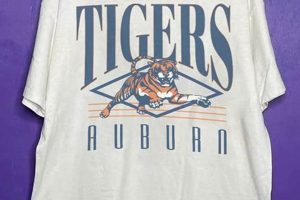
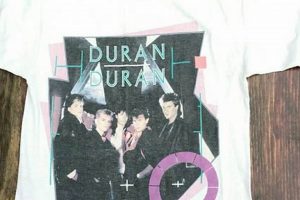
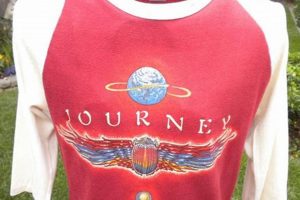
Apparel subjected to a specific treatment process to replicate the appearance and feel of aged or worn fabric. This process typically involves washing new garments with specialized enzymes or chemicals, often combined with abrasion techniques, to soften the material and fade the colors, giving it a pre-owned or weathered aesthetic. A common example would be a cotton tee that, post-production, undergoes a washing cycle with pumice stones to achieve a softened texture and a slightly faded color palette.
The popularity of this aesthetic stems from several factors. It offers the comfort of well-worn clothing from the outset, eliminating the break-in period associated with new items. This method also provides a unique visual appeal, differentiating the garment from standard, uniformly colored alternatives. Historically, the process gained traction as consumers sought individualistic styles and embraced the look of pre-owned or repurposed clothing, reflecting an interest in sustainability and a rejection of mass-produced uniformity. Furthermore, it can enhance the perceived quality of the item by imparting a sense of durability and character.
Subsequent sections will delve into the technical aspects of the finishing process, explore the variations in techniques employed, and examine the influence of this aesthetic on broader fashion trends. A detailed discussion of the materials best suited for this treatment and the environmental considerations associated with it will also be presented.
Guidance on Selection and Care
The following outlines key considerations for selecting and maintaining apparel treated with a distressed finish.
Tip 1: Assess Fabric Quality: Prioritize items constructed from durable, high-quality materials. The abrasive processes inherent in creating the distressed aesthetic can weaken inferior fabrics, leading to premature wear and tear.
Tip 2: Evaluate Color Consistency: Examine the consistency of the fading and color variations. Uneven or blotchy discoloration may indicate a poorly executed treatment, potentially affecting the garment’s overall aesthetic appeal.
Tip 3: Inspect Seam Integrity: Check seams for signs of stress or damage. The washing process can sometimes compromise seam strength, resulting in unraveling or tearing over time.
Tip 4: Adhere to Care Instructions: Strictly follow the manufacturer’s care instructions. These garments often require specific washing and drying methods to preserve the distressed finish and prevent further fading or damage.
Tip 5: Consider Dye Stability: Be aware that residual dye may be present, especially in darker-colored items. Wash separately or with similar colors for the first few washes to prevent dye transfer.
Tip 6: Minimize Sun Exposure: Prolonged exposure to direct sunlight can accelerate fading. Store or dry the items in shaded areas to maintain color vibrancy.
Tip 7: Avoid Harsh Chemicals: Refrain from using harsh detergents, bleach, or fabric softeners. These chemicals can degrade the fabric fibers and alter the intended aesthetic.
By adhering to these recommendations, the longevity and aesthetic appeal of the selected apparel can be significantly enhanced.
The concluding section will provide a summary of the key considerations discussed throughout this article and offer perspectives on the future of this fashion trend.
1. Fabric Softness

The characteristic softness of apparel treated to mimic a vintage aesthetic is a primary factor driving consumer preference and perceived value. This tactile quality is not merely a superficial attribute but a direct result of the specialized processes employed during manufacturing.
- Fiber Modification
The washing process, often involving enzymes or chemical treatments, alters the structure of the fabric fibers. These treatments loosen the weave and break down the stiffness inherent in new materials. Cotton fibers, for instance, become more pliable and less resistant to movement, contributing to a softer feel against the skin. The intensity and duration of the treatment directly influence the degree of softness achieved.
- Surface Abrasion
Techniques like pumice stone washing physically abrade the fabric surface. This abrasion removes the stiff outer layer of fibers and creates a slightly “fuzzy” texture. This surface disruption reduces the coefficient of friction between the fabric and the skin, resulting in a smoother, softer sensation. Over-abrasion, however, can weaken the fabric and lead to premature wear.
- Enzyme Action
Cellulase enzymes, frequently used in the wash process, selectively degrade cellulose fibers on the fabric surface. This targeted degradation removes microfibrils and protruding fibers that contribute to a rough or scratchy texture. The enzymatic action is controlled to prevent excessive fiber loss and maintain the integrity of the base material.
- Water Temperature and Agitation
The temperature and agitation during the washing cycle also impact fabric softness. Higher temperatures and vigorous agitation accelerate the fiber modification and abrasion processes. However, excessive heat can damage certain fibers, while over-agitation can cause pilling or distortion. Precise control of these parameters is essential for achieving the desired level of softness without compromising fabric quality.
The interplay of these factors determines the final tactile properties of the garment. Achieving the optimal balance between fiber modification, surface abrasion, and process control is crucial for delivering the sought-after softness, without sacrificing durability or aesthetic appeal. Consumers often equate fabric softness with quality and comfort, making it a significant factor in purchase decisions.
2. Faded Coloration

The characteristic faded coloration is a defining attribute of apparel emulating a vintage aesthetic, intrinsically linked to the processing techniques employed. This desired effect, achieved through various methods, contributes significantly to the perceived authenticity and worn-in appearance, distinguishing it from standard, uniformly dyed textiles. The controlled loss of dye is a carefully calibrated process, balancing aesthetic appeal with maintaining acceptable fabric integrity.
The specific fading patterns and intensity are determined by the choice of dyes, the duration of the wash cycle, and the application of abrasive agents. For instance, garments washed with pumice stones will exhibit localized abrasion, resulting in concentrated fading along seams and edges, mimicking natural wear patterns. Similarly, enzyme treatments selectively degrade dye molecules, leading to a more uniform, all-over fading effect. Practical applications of this understanding are evident in quality control procedures, where assessing the consistency and accuracy of the faded coloration serves as an indicator of the process adherence and product quality. Apparel brands often specify precise fading parameters to ensure consistency across production runs.
Ultimately, the faded coloration is not merely a cosmetic feature but a deliberate design element that contributes significantly to the overall character and value proposition. Challenges in achieving the desired faded effect lie in controlling the environmental impact of the washing processes and ensuring the longevity of the garment despite the induced wear. The control of the faded coloration ensures that the shirt matches the vintage style that its customers expect, and provides a more fashionable appearance. A complete grasp of these complexities is thus crucial for manufacturers and consumers alike.
3. Distressed Texture

The prominence of a deliberately distressed texture in apparel finished to evoke a vintage aesthetic is a key differentiating factor from conventionally produced garments. This texture, characterized by surface irregularities and a tactilely aged feel, contributes significantly to the authenticity and perceived value of the item. The following outlines specific facets contributing to this effect.
- Surface Abrasion
Mechanical abrasion is a primary technique for creating a distressed texture. Methods such as sanding, brushing, or tumbling with abrasive materials remove fibers from the fabric surface, resulting in a softened hand feel and a subtly uneven appearance. For instance, denim jeans may undergo sanding to create localized wear patterns on the thighs and knees, simulating years of use. The intensity and location of the abrasion determine the specific character of the distressed texture.
- Enzyme Washing
Enzyme washing employs cellulase enzymes to selectively degrade cellulose fibers, creating a subtle surface texture. This process removes loose fibers and softens the fabric, resulting in a slightly raised or “pebbled” texture. This is often used on cotton fabrics, enhancing the vintage appearance without significantly compromising the fabric’s structural integrity. For example, a cotton t-shirt may undergo enzyme washing to achieve a softer feel and a slightly faded appearance, resembling a well-worn garment.
- Pilling and Fuzzing
Controlled pilling and fuzzing can contribute to the distressed texture. While often considered a defect in new garments, the deliberate induction of small pills or fuzz on the fabric surface can enhance the aged appearance. This effect can be achieved through specific washing techniques or by using fabrics prone to pilling. For example, a flannel shirt may be deliberately washed to encourage pilling, creating a soft, brushed texture.
- Seam Puckering and Wrinkling
Seam puckering and intentional wrinkling contribute to the overall distressed aesthetic. These effects can be achieved through specific sewing techniques, washing processes, or by deliberately introducing stress to the fabric. For instance, a shirt may be washed at a high temperature and then tumbled dry to create puckered seams and random wrinkles, adding to the vintage character. The strategic placement of these texture elements enhances the authenticity of the garment.
These facets collectively contribute to the distressed texture, which is a defining characteristic of apparel finished to resemble vintage items. The skillful application of these techniques creates a visually and tactilely aged appearance, enhancing the perceived value and authenticity of the product. The nuances of the distressed texture are carefully controlled to achieve the desired aesthetic while maintaining acceptable levels of durability and comfort.
4. Enzyme Treatment
Enzyme treatment is a critical component in achieving the characteristic aesthetic of apparel finished to emulate a vintage appearance. This process employs specific enzymes, typically cellulases, to selectively degrade cellulose fibers on the fabric surface. The resulting effect mimics the natural wear and tear that occurs over extended periods of use, contributing to the softened texture and faded coloration synonymous with aged garments. Without enzyme treatment, the reproduction of an authentic vintage appearance becomes significantly more challenging, necessitating reliance on more aggressive and potentially damaging techniques.
The application of enzyme treatment directly influences the tactile and visual properties of the fabric. The targeted degradation of cellulose fibers reduces stiffness, enhancing fabric drape and comfort. Additionally, the enzymes facilitate dye removal, leading to a controlled fading effect. For example, a new denim shirt subjected to enzyme treatment will exhibit a softened hand feel and a subtle fading pattern, resembling a shirt that has been repeatedly laundered over several years. The efficacy of the enzyme treatment is dependent on several factors, including enzyme concentration, treatment duration, temperature, and pH levels. Precise control of these parameters is essential to achieve the desired aesthetic without compromising the structural integrity of the fabric.
The use of enzyme treatment in creating apparel designed to emulate vintage garments has practical significance for both manufacturers and consumers. For manufacturers, it offers a more sustainable and controlled method of achieving the desired aesthetic compared to traditional abrasive techniques. For consumers, it provides access to garments with the desired vintage look and feel without the potential hygiene or durability concerns associated with actual vintage clothing. The key challenge lies in optimizing the enzyme treatment process to achieve the desired visual and tactile effects while minimizing environmental impact and ensuring long-term garment durability. The industry continually strives to refine enzyme formulations and application methods to meet these demands.
5. Pumice Stone Washing

The utilization of pumice stones in the washing process represents a pivotal technique in the production of apparel designed to emulate a vintage aesthetic. This method leverages the abrasive properties of volcanic rock to impart specific textural and visual characteristics, directly contributing to the sought-after worn-in appearance.
- Mechanical Abrasion
Pumice stones, when introduced into the wash cycle, create a mechanical abrasion effect on the fabric surface. This abrasion removes surface fibers and dye, resulting in a softened hand feel and faded coloration. The intensity of the abrasion is determined by the size and quantity of the stones, the wash time, and the fabric type. Denim, for example, benefits significantly from this process, achieving the characteristic faded look along seams and stress points. The outcome is a non-uniform wear pattern, mimicking natural aging.
- Textural Modification
The abrasive action of pumice stones alters the fabric’s surface texture. Fibers are loosened and disrupted, creating a softer and more pliable material. This textural modification is crucial in replicating the feel of a garment that has been repeatedly washed and worn over time. The process can also create subtle surface irregularities, adding to the visual depth and complexity of the finished product. In contrast to chemical treatments alone, pumice stone washing offers a more tactile and visually pronounced effect.
- Color Fading and Contrast
Pumice stone washing facilitates the removal of dye molecules from the fabric, resulting in a faded appearance. This process is particularly effective in creating high-contrast fading patterns, where areas of concentrated abrasion exhibit lighter tones compared to less exposed areas. The degree of fading is controllable, allowing for the creation of garments with varying levels of distress. The aesthetic outcome is a garment that appears aged and worn, enhancing its perceived value and authenticity.
- Environmental Considerations
The use of pumice stones raises environmental concerns regarding water consumption and waste disposal. The washing process requires significant volumes of water, and the discarded stones contribute to solid waste. Alternatives, such as enzyme washes or laser treatments, are increasingly being explored to reduce the environmental impact. Sustainable practices in pumice stone sourcing and waste management are essential to mitigate the negative consequences associated with this technique.
These interconnected facets highlight the role of pumice stone washing in achieving the desired characteristics. The integration of mechanical abrasion, textural modification, and color fading enhances the garment’s appeal. However, awareness of the ecological impact is vital, prompting the evaluation and adoption of more sustainable alternatives within the industry.
6. Abrasion Techniques
Abrasion techniques are instrumental in replicating the appearance of age and wear that defines the visual characteristic of apparel finished to emulate a vintage aesthetic. These techniques involve the deliberate mechanical or chemical erosion of the fabric surface to create a distressed look.
- Sanding
Sanding employs abrasive materials, such as sandpaper or emery boards, to physically remove fibers from the fabric surface. This technique allows for precise control over the location and intensity of the abrasion, enabling the creation of targeted wear patterns. For example, sanding can be applied to specific areas of denim jeans, such as the thighs and knees, to replicate the fading and softening that occurs with extended use. The resulting texture is often softer and more pliable than the original fabric.
- Brushing
Brushing utilizes rotating brushes with abrasive bristles to roughen the fabric surface. This method is commonly used on materials such as flannel or corduroy to raise the nap and create a fuzzy texture. The intensity of the brushing can be adjusted to achieve varying degrees of wear and tear. In the context of apparel designed to replicate a vintage aesthetic, brushing enhances the perceived softness and comfort of the garment.
- Chemical Washing
Certain chemical treatments, such as acid washing, employ harsh chemicals to corrode the fabric surface. This process results in a mottled appearance and a significantly faded color. While effective in creating a distressed look, chemical washing can weaken the fabric and pose environmental concerns. As a result, it is often employed selectively or replaced with more sustainable alternatives, such as enzyme washing.
- Stone Washing
Stone washing involves tumbling garments with abrasive stones, typically pumice, to mechanically erode the fabric surface. This technique is widely used in the production of denim to create a worn and faded appearance. The stones remove surface fibers and dye, resulting in a softened hand feel and a distressed texture. The size and quantity of the stones, as well as the wash time, influence the degree of abrasion. Environmental considerations related to stone disposal have led to the development of alternative methods.
These abrasion techniques collectively contribute to the distressed aesthetic characteristic of apparel seeking to replicate the look and feel of vintage clothing. These methods vary in their application, environmental impact, and the specific visual or tactile characteristics they impart. The selection of an appropriate abrasion technique depends on the desired outcome and the type of fabric being treated, as well as the increasing concerns of environmental sustainability, moving the industry towards methods with a reduced carbon footprint.
7. Durability Compromise
Apparel treated to emulate a vintage aesthetic frequently undergoes processes that, while achieving the desired appearance, can inadvertently impact the garment’s long-term durability. This potential degradation is a critical consideration for both manufacturers and consumers.
- Fiber Weakening through Abrasion
Techniques such as sanding, stone washing, and heavy enzyme treatments physically erode the fabric fibers, reducing their tensile strength. This weakening is most pronounced in areas subjected to concentrated abrasion, such as seams, edges, and stress points. For example, denim jeans heavily treated with pumice stones may exhibit premature tearing along the pockets or waistband due to the compromised fiber integrity. The extent of the weakening is directly related to the intensity and duration of the abrasion process.
- Dye Degradation and Color Loss
The processes used to achieve a faded or worn appearance often involve the removal or degradation of dyes. While creating the desired aesthetic, this dye removal can weaken the fabric structure, particularly if harsh chemicals are employed. The loss of dye can also make the fabric more susceptible to UV damage, leading to further degradation over time. Apparel frequently washed with harsh chemicals may exhibit increased color fading and accelerated fiber breakdown compared to untreated garments. The selection of colorfast dyes and gentler fading methods can mitigate this effect.
- Seam Stress and Integrity
The vigorous washing and tumbling processes used to create a vintage aesthetic can place significant stress on the seams of a garment. This stress can lead to seam slippage, unraveling, or breakage, particularly in areas where multiple layers of fabric are joined. Furthermore, the abrasive action of the washing process can damage the sewing threads, weakening the overall seam integrity. Garments with poorly constructed seams or those subjected to excessive abrasion may exhibit premature seam failure. Reinforcing seams and using durable thread can improve the garment’s resistance to these stresses.
- Overall Structural Integrity
The cumulative effect of fiber weakening, dye degradation, and seam stress can compromise the overall structural integrity of the garment. Apparel subjected to aggressive distressing techniques may exhibit a reduced lifespan compared to untreated items. This is particularly relevant for garments intended for frequent wear or heavy use. Consumers should carefully assess the quality of construction and the intensity of the distressing process when purchasing apparel designed to emulate a vintage aesthetic. The trade-off between aesthetic appeal and long-term durability is an important consideration.
The durability implications of processes used to manufacture apparel that seeks to emulate a vintage look are a matter of concern. It must be recognized that the aesthetic benefits of a vintage appearance can result in shortened garment life. The manufacturing must also be very precise to ensure proper vintage appearance that can last long.
Frequently Asked Questions
The following addresses common inquiries regarding garments treated to replicate a vintage aesthetic, focusing on manufacturing processes, care considerations, and durability aspects.
Question 1: What defines a “vintage wash shirt?”
A garment that has undergone a specific washing process, typically involving enzymes, abrasives, or chemical treatments, to replicate the faded color, softened texture, and worn appearance of aged clothing. The goal is to create a product that looks and feels like a well-loved item from the past.
Question 2: Does the “vintage wash” process affect the durability of the shirt?
Yes, aggressive washing techniques, especially those involving harsh chemicals or heavy abrasion, can weaken the fabric fibers, potentially reducing the garment’s lifespan. Manufacturers should employ methods that minimize fiber degradation while still achieving the desired aesthetic. Consumers should carefully examine the garment’s construction and care instructions.
Question 3: How should garments finished with a “vintage wash” be cared for?
Care instructions should be followed precisely. In general, it is advisable to wash the garment inside out in cold water with a mild detergent. Avoid harsh chemicals like bleach or fabric softeners. Tumble dry on low heat or hang to dry to minimize further fading and fiber damage.
Question 4: Are there environmental concerns associated with “vintage wash” processes?
Yes, some washing techniques, particularly those involving significant water consumption or the use of harsh chemicals, can have negative environmental impacts. Manufacturers are increasingly adopting more sustainable practices, such as enzyme washes and water-efficient technologies, to mitigate these concerns.
Question 5: How can one differentiate a genuinely well-executed “vintage wash shirt” from a poorly made imitation?
Examine the consistency of the fading, the softness of the fabric, and the integrity of the seams. A well-executed wash will exhibit even fading, a supple texture, and reinforced seams to prevent premature wear. Poor imitations often display uneven discoloration, a rough texture, and weak seam construction.
Question 6: What fabric types are most suitable for achieving a desirable “vintage wash” effect?
Durable natural fibers, such as cotton and linen, are generally best suited for vintage washing. These fabrics can withstand the abrasive processes involved and retain their structural integrity better than many synthetic alternatives. Denim is particularly well-suited for achieving a desirable faded appearance through stone washing or enzyme treatments.
In conclusion, understanding the characteristics, care requirements, and potential environmental impacts are crucial considerations for appreciating and maintaining garments treated to replicate a vintage appearance.
Subsequent discussions will address the implications of this processing to broader fashion and its direction for future garments.
Conclusion
The preceding analysis has illuminated the defining characteristics of apparel treated to emulate a vintage aesthetic, focusing on the multifaceted processes involved in achieving the desired appearance and texture. Key considerations include fabric selection, the selection of fading and abrasion techniques, durability trade-offs, and adherence to proper care protocols. The exploration of these aspects provides a comprehensive understanding of the value and challenges associated with these garments.
Ultimately, informed discernment regarding the selection and maintenance of apparel undergoing such treatments is crucial. As consumer awareness and demand for sustainable practices increase, the industry must prioritize environmentally responsible manufacturing methods and transparent communication regarding the long-term performance of these items. Further research and development in sustainable dyeing and distressing technologies will undoubtedly shape the future trajectory of this aesthetic in the apparel market, and the vintage wash shirt will continue to be a prominent feature of this fashion.