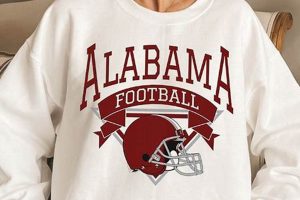
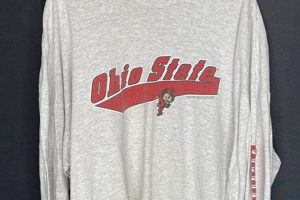
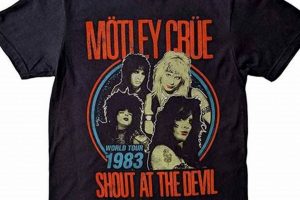
Apparel originating from the 1990s, designed for males, and possessing characteristics indicative of a previous era constitutes a specific category within the broader vintage clothing market. These garments often feature bold patterns, oversized fits, and fabrics common during that decade, reflecting the prevailing style trends of the time. A flannel button-down, a graphic tee with a popular 90s band, or an athletic-inspired jersey are typical examples.
Acquiring these garments provides access to unique style elements unavailable in contemporary fashion. They represent a tangible connection to the cultural and aesthetic landscape of the 1990s. Furthermore, selecting pre-owned items promotes sustainability by extending the lifespan of existing clothing and reducing demand for new production. Historically, this period saw a confluence of grunge, hip-hop, and sportswear influences, resulting in diverse stylistic expressions in male attire.
Subsequent sections will explore the factors driving the popularity of this particular clothing niche, including specific characteristics that define them, where to find authentic examples, and how to assess their condition and value. Guidance on incorporating these articles into a modern wardrobe will also be provided.
Successfully acquiring authentic and well-preserved garments from this era requires careful consideration and attention to detail. The following guidelines aim to assist in making informed purchasing decisions.
Tip 1: Verify Authenticity Through Tag Examination: Original manufacturer labels provide crucial details about the garment’s origin and era. Researching common tag designs from the 1990s helps to identify potential reproductions or mislabeled items. Look for registered trademark symbols and manufacturing location information.
Tip 2: Assess Fabric Composition and Construction: The 1990s featured specific fabric blends and construction techniques. Examine the material composition label for fabrics such as rayon, cotton blends, or specific types of polyester. Assess the quality of stitching and seam construction to evaluate overall durability.
Tip 3: Scrutinize Graphic Prints for Deterioration: Screen-printed graphics are prone to cracking, fading, or peeling over time. Closely inspect printed designs for signs of wear and tear. Consider the type of ink used and its resistance to washing and handling.
Tip 4: Measure Garments Accurately: Vintage sizing often differs from contemporary standards. Obtain precise measurements of the chest, shoulders, and length before purchasing. Compare these measurements to a modern size chart to ensure a proper fit.
Tip 5: Evaluate Condition and Stains: Thoroughly inspect the garment for stains, holes, tears, or other imperfections. Assess the severity of any damage and consider the cost and feasibility of professional restoration or repair.
Tip 6: Research Brand Reputation and Collectibility: Certain brands and designs from the 1990s hold higher value due to their rarity and collectibility. Research the brand’s history and reputation to determine its potential investment value.
Tip 7: Compare Prices Across Multiple Sources: Prices for similar items can vary significantly across different online marketplaces and vintage stores. Compare prices from multiple sources to ensure a fair market value is being offered.
Adhering to these guidelines will increase the likelihood of acquiring authentic, well-preserved garments that align with individual style preferences and represent a valuable addition to a vintage wardrobe.
The subsequent section will address styling options for incorporating these vintage items into contemporary fashion ensembles.
1. Fabric Composition

The materials utilized in the manufacture of male apparel during the 1990s represent a significant indicator of authenticity and quality, directly impacting the item’s durability, comfort, and overall aesthetic appeal. The prevalence of specific fabrics and blends distinguishes them from contemporary garment production.
- Cotton Dominance
Cotton was a prevalent fiber in various weights and weaves. Heavier-weight cottons were often used for durable work shirts or flannels, while lighter-weight versions were common in t-shirts. The quality of the cotton impacted the garment’s longevity and feel. Identification of 100% cotton or high-cotton blends provides insight into the garment’s origin and potential wear characteristics.
- Rayon Blends
Rayon, often blended with other fibers like cotton or polyester, contributed to a specific drape and softness. This was particularly common in Hawaiian shirts and some casual button-downs. The presence of rayon, however, often meant greater fragility and a need for careful cleaning, impacting the shirt’s long-term maintenance.
- Polyester Mixes
Polyester was incorporated for its durability, wrinkle resistance, and colorfastness. It was often found in athletic-inspired shirts or garments designed for outdoor activities. While adding to the garment’s resilience, high polyester content could also affect breathability, a factor that impacts wearer comfort.
- Novelty Fabrics
The 1990s saw experimentation with various novelty fabrics, including textured weaves, faux suede, or even synthetic materials mimicking natural fibers. These materials, while visually distinctive, often presented unique care challenges and could be less durable than traditional fabrics. Identification of these unusual fabrics contributes to assessing the garment’s overall condition and authenticity.
Therefore, analyzing the fabric composition of vintage shirts is crucial in determining their authenticity, condition, and potential for wear. Recognition of the fabrics prevalent during this era assists in accurate valuation and appropriate care to preserve these garments for long-term enjoyment.
2. Print Graphics

Print graphics are a defining characteristic of vintage 1990s men’s shirts, frequently serving as an immediate indicator of the garment’s origin and authenticity. These graphics encapsulate the cultural zeitgeist of the decade, reflecting trends in music, television, film, and socio-political movements. Examining print graphics offers insight into the era’s aesthetics and, consequently, the shirt’s potential value. For instance, a t-shirt featuring a licensed graphic from a popular 90s television show, such as “The Simpsons” or “Friends,” directly links the item to a specific period and its associated pop-cultural context. Similarly, band t-shirts featuring prominent 90s acts like Nirvana or Pearl Jam often command higher prices in the vintage market due to their association with influential music and historical significance.
The application methods for these graphics, commonly screen printing, are integral to their assessment. Evaluating the print quality, including the integrity of the ink, the sharpness of the design, and the presence of any cracking or fading, provides essential clues regarding the garment’s age and wear. A well-preserved screen print suggests careful handling and limited use, enhancing the shirt’s desirability. Conversely, significant degradation of the print could indicate extensive wear or improper care, affecting its overall value. The graphic designs themselves offer practical insights: logos, catchphrases, or character representations specific to the 1990s are potent authentication markers. Replicas often exhibit inconsistencies in design details or utilize modern printing techniques that differ from those employed during the original production run.
In summary, print graphics represent a critical component in identifying, authenticating, and valuing vintage 1990s men’s shirts. While aesthetic preferences play a role, understanding the historical context, the printing techniques utilized, and the condition of the graphics are essential for discerning genuine vintage items from reproductions and for appreciating the cultural significance embedded within these garments. Challenges arise in accurately dating garments solely based on graphics due to evolving trends and the potential for re-prints, emphasizing the importance of considering other factors such as fabric composition and manufacturing labels in conjunction with the graphic analysis.
3. Silhouette/Fit

The silhouette and fit of men’s shirts from the 1990s are significant markers of their origin and stylistic representation. Compared to contemporary styles that often favor slimmer, more tailored cuts, the 1990s aesthetic generally embraced looser, more relaxed silhouettes. This distinction is particularly evident in t-shirts, button-down shirts, and even athletic jerseys. The oversized fit was a deliberate stylistic choice, reflecting the influence of grunge and hip-hop cultures, where comfort and a non-conformist attitude were prioritized. A typical example is the prevalence of boxy, oversized flannel shirts, often worn unbuttoned over t-shirts, a look popularized by grunge icons. Similarly, hip-hop fashion trends contributed to the popularity of baggy t-shirts and athletic jerseys. Therefore, recognizing the characteristic silhouette and fit of these shirts is crucial when assessing authenticity.
Understanding these fit preferences allows for a more informed evaluation of condition and value. A shirt that retains its original oversized cut and shape is generally considered more desirable than one that has been altered or shrunk over time. Alterations intended to modernize the fit can diminish the garment’s inherent vintage appeal. Measurements become particularly important when purchasing shirts online, as vintage sizing often differs significantly from modern standards. Accurately comparing measurements against a modern size chart is vital to ensure a proper fit that aligns with the intended oversized aesthetic. The “drop shoulder” design, where the shoulder seam extends beyond the natural shoulder line, is another common element of these relaxed silhouettes. This further contributes to the characteristic oversized appearance.
In summary, the silhouette and fit are integral components in identifying and appreciating shirts from the 1990s. The characteristic looser fits and oversized cuts stand in stark contrast to modern tailoring. Recognizing this difference is crucial for authentication, assessing value, and ensuring a proper fit that respects the original design intent. Challenges arise from potential alterations or shrinkage, making careful measurement and visual inspection essential. Ultimately, understanding these nuances allows collectors and enthusiasts to more accurately identify and preserve these artifacts of 1990s fashion.
4. Brand Heritage

Brand heritage constitutes a significant factor in evaluating vintage apparel from the 1990s, particularly in the realm of men’s shirts. The brand associated with a garment often reflects its quality, design aesthetic, and cultural relevance, thereby influencing its desirability and market value.
- Brand Recognition and Value
Established brands from the 1990s frequently command higher prices within the vintage market due to their inherent recognition and perceived value. Brands such as Tommy Hilfiger, Polo Ralph Lauren, and Calvin Klein, known for their distinct styles and marketing strategies during that era, retain a level of prestige that translates into increased collectibility. A vintage shirt bearing one of these recognizable labels is often perceived as a symbol of status and authenticity, justifying a higher price point compared to lesser-known brands.
- Design Consistency and Trademark Elements
Specific brands cultivated distinctive design elements and trademark features that are readily identifiable and verifiable. For example, the iconic Polo Ralph Lauren logo or the signature Tommy Hilfiger color palette are instantly recognizable and serve as authentication markers. Examination of these consistent design features allows for assessment of a garment’s originality and adherence to the brand’s established identity. Deviation from these recognized elements may indicate a replica or a misrepresented item.
- Cultural Associations and Subcultural Influence
Certain brands developed strong associations with specific subcultures during the 1990s, further enhancing their appeal and collectibility. Brands like Starter, known for its sports apparel and licensed merchandise, became closely linked with hip-hop culture and urban fashion. This association elevates the brand’s significance and contributes to the garment’s cultural resonance. Possessing a shirt from such a brand connects the wearer to a specific cultural movement and its associated aesthetic.
- Manufacturing Quality and Durability
The reputation of a brand often reflects its manufacturing quality and the durability of its products. Brands recognized for using high-quality materials and employing superior construction techniques in the 1990s are more likely to possess garments that have withstood the test of time. A shirt from a brand known for its robust construction and premium fabrics is often more desirable than one from a brand associated with lower-quality manufacturing standards. This expectation of quality influences purchasing decisions and price considerations within the vintage market.
In conclusion, brand heritage plays a critical role in the evaluation and appreciation of vintage apparel. Examining the brand, its design elements, cultural associations, and reputation for quality provides valuable insights into the garment’s authenticity, value, and significance within the landscape of 1990s fashion. It is a factor in discerning genuine vintage items from reproductions and for appreciating the history and aesthetic embedded within them.
5. Cultural Significance
The shirts designed for men during the 1990s represent more than mere articles of clothing; they embody tangible artifacts reflecting the cultural and societal shifts of that decade. Examining these garments provides insight into prevailing trends, subcultural influences, and the evolution of masculine identity. The selection of a specific garment, such as a band t-shirt, directly indicates an affiliation with a particular music genre and its associated counter-cultural values. The widespread adoption of athletic-inspired apparel reflects the increasing prominence of sports and fitness in popular culture. The prevalence of oversized silhouettes signifies a departure from traditional, tailored menswear, aligning with the decade’s overall aesthetic of relaxed and individualistic expression.
Furthermore, understanding the cultural context surrounding these items enhances their value and appeal within the vintage market. The resurgence of interest in 1990s fashion is driven, in part, by a nostalgic appreciation for the era’s unique style and a desire to reconnect with its cultural touchstones. A vintage shirt from a brand closely associated with a specific subculture, such as skateboarding or hip-hop, carries a significant historical weight. The garment serves as a physical embodiment of a specific moment in time, allowing wearers and collectors to express their affinity for that particular cultural movement. The ability to identify and interpret these cultural markers is essential for accurately assessing a shirt’s authenticity and historical significance. For instance, a genuine “Liquid Blue” tie-dye shirt from the early 1990s represents a specific trend within the jam band scene and carries a distinct cultural value compared to a modern reproduction.
In conclusion, cultural significance is an integral component of vintage shirts designed for men during the 1990s. The garments embody specific cultural values, trends, and subcultural influences. Recognizing and understanding these associations allows for a deeper appreciation of the garments’ historical context and enhances their value within the vintage market. Challenges arise in accurately interpreting subtle cultural nuances and avoiding misinterpretations. However, appreciating these details adds depth and meaning to the acquisition and appreciation of these artifacts of 1990s culture. Ultimately, viewing these shirts as more than just clothing offers a lens through which to examine the broader cultural landscape of the decade.
Frequently Asked Questions
The following section addresses common inquiries regarding the acquisition, authentication, and care of vintage garments from the 1990s intended for male use. The information provided seeks to clarify potential uncertainties and provide guidance for informed decision-making.
Question 1: How can the authenticity of vintage 90s shirts be verified?
Authenticity verification involves careful examination of several factors. These factors include manufacturer labels, fabric composition, print quality (if applicable), and construction techniques. Cross-referencing these elements with known characteristics of authentic garments from that period is essential. Consultation with reputable vintage dealers or online resources specializing in vintage clothing may provide additional validation.
Question 2: What are the most common signs of wear and damage to be aware of when purchasing?
Common signs of wear and damage include staining, discoloration, holes, tears, and weakened seams. Prints may exhibit cracking, fading, or peeling. Fabric may show signs of pilling or thinning. A thorough inspection of the entire garment is crucial before purchase. Assess the extent of any damage and consider the cost and feasibility of restoration or repair.
Question 3: How should shirts be properly cleaned and cared for to maintain their condition?
Cleaning and care methods depend on the specific fabric composition and the presence of any delicate embellishments. Hand washing with mild detergent is generally recommended for delicate fabrics or items with intricate details. Machine washing, if necessary, should be performed on a gentle cycle with cold water. Avoid using harsh chemicals or bleach. Air drying is preferable to machine drying to prevent shrinkage and damage. Professional cleaning by a vintage garment specialist may be advisable for particularly valuable or fragile items.
Question 4: What impact does storage have on the longevity of vintage shirts?
Proper storage is crucial for preserving the condition of vintage items. Store shirts in a cool, dry place away from direct sunlight and humidity. Use acid-free tissue paper to prevent creasing and to provide support. Avoid storing shirts in plastic bags, as they can trap moisture and promote mold growth. Consider using garment bags made of breathable fabric to protect shirts from dust and pests.
Question 5: How does sizing differ between vintage and modern clothing?
Sizing discrepancies between vintage and modern clothing are common. Vintage sizing often runs smaller than contemporary sizing. It is imperative to obtain accurate measurements of the chest, shoulders, and length of the garment before purchasing. Compare these measurements against a modern size chart to determine the equivalent modern size. Pay close attention to specific brand sizing variations, as these can also influence the fit.
Question 6: What factors influence the value of shirts within the vintage clothing market?
Multiple factors contribute to the value of vintage clothing. These factors include brand recognition, rarity, condition, historical significance, and aesthetic appeal. Shirts from well-known brands in excellent condition and possessing unique or culturally relevant designs typically command higher prices. Market demand and current trends also influence valuation. Consulting with experienced vintage dealers or utilizing online valuation tools may provide a more precise assessment.
In summary, authentication involves thorough examination, proper care extends lifespan, understanding sizing nuances prevents fitting problems, and several factors affect the value of the product. Awareness of these points aids informed purchasing decisions.
Subsequent discussions will address the integration of vintage shirts into modern wardrobes, providing guidance on creating stylish and relevant ensembles.
vintage 90s shirts men’s
This exploration of vintage 90s shirts men’s has illuminated critical factors in identifying, authenticating, and valuing these garments. Understanding fabric compositions, print graphic characteristics, silhouette trends, brand heritage, and cultural significance provides a framework for informed acquisition and appreciation. Furthermore, insights into care, storage, and sizing considerations contribute to the preservation and wearability of these artifacts of a bygone era.
The resurgence of interest in vintage 90s shirts men’s highlights a continuing appreciation for unique stylistic expressions and a tangible connection to the past. Preserving these garments ensures their continued relevance as historical artifacts and sources of sartorial inspiration. Future research may explore the environmental impact of vintage clothing consumption and the evolving role of these garments within contemporary fashion trends, potentially offering additional insights into their enduring significance.