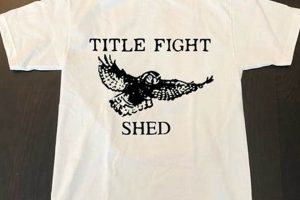
Apparel from a bygone era, evoking a rustic and rural aesthetic, constitutes a specific niche within the broader clothing market. These garments often feature details like pearl snap closures, western yokes, and embroidered designs, reflecting the stylistic preferences of rural populations during particular historical periods. A plaid flannel shirt from the 1970s, worn by a ranch hand, exemplifies this category of clothing.
The enduring appeal of these items stems from their embodiment of authenticity, durability, and a connection to simpler times. They represent a tangible link to the past, providing a sense of nostalgia and individuality in a mass-produced world. Collectors and fashion enthusiasts value these pieces for their unique construction, distinctive patterns, and the stories they tell about the people who wore them. The items offer consumers a unique form of self-expression.
The following sections will delve into the specific characteristics that define these pieces, exploring their evolution through various decades and the factors that contribute to their collectibility and continued relevance in contemporary fashion. This will include an examination of materials, manufacturing techniques, and the cultural impact these garments have had on popular trends.
Essential Considerations for Appreciating Garments of Yesteryear
The following insights offer guidance for those seeking to understand and acquire apparel reflecting rural aesthetics from previous eras. Attention to detail and informed evaluation are paramount.
Tip 1: Authenticate the Era. Scrutinize construction techniques, fabric types, and labels to verify the garment’s purported age. Research historical catalogs and fashion archives for comparison.
Tip 2: Assess Material Integrity. Examine the condition of the fabric for signs of wear, damage, or degradation. Evaluate the durability of seams, buttons, and other closures.
Tip 3: Evaluate Construction Quality. Inspect the stitching, detailing, and overall craftsmanship. Higher-quality garments typically exhibit superior construction and attention to detail.
Tip 4: Consider Rarity and Desirability. Certain brands, patterns, or styles are more sought after by collectors, influencing their value. Conduct thorough market research to assess desirability.
Tip 5: Understand Sizing Discrepancies. Sizing standards have evolved over time. Take precise measurements and compare them to vintage sizing charts to ensure a proper fit.
Tip 6: Investigate Modification History. Determine if the garment has undergone alterations or repairs. Modifications can affect the garment’s authenticity and value.
Tip 7: Preserve Garment Condition. Employ appropriate cleaning and storage methods to maintain the garment’s integrity and prevent further deterioration. Consult professional conservators for delicate items.
Careful consideration of these factors will enhance the appreciation and potential value of these garments. Prudent evaluation ensures informed acquisition and long-term preservation.
The subsequent section will address the historical evolution of design elements and their impact on the apparel’s collectibility.
1. Authenticity Verification
Authenticity verification, concerning apparel reflecting a rural aesthetic from prior decades, constitutes a critical step in determining value and historical significance. The process involves a multi-faceted examination of construction techniques, materials used, and identifying marks such as labels and manufacturer’s stamps. Lack of rigorous authentication practices leads to misrepresentation and inflated valuations within the vintage market. For example, a shirt falsely advertised as dating from the 1940s, when its construction techniques align with a later period, deceives potential buyers and undermines the integrity of the market.
The importance of authentication extends beyond mere financial considerations. Garments reflecting rural style from previous eras often represent cultural artifacts, offering insights into social history, manufacturing practices, and the stylistic preferences of past generations. Accurately dating and attributing these items provides valuable context for historical research and preservation efforts. Furthermore, it safeguards against the propagation of counterfeits or reproductions marketed as genuine vintage items, which can dilute the market and erode consumer trust.
Effective authentication necessitates a combination of technical knowledge, historical awareness, and meticulous attention to detail. Expertise in fabric analysis, stitching methods, and the evolution of branding practices becomes essential for differentiating authentic garments from imitations. Therefore, buyers and sellers engage authentication specialists when necessary to ensure accurate appraisals. Understanding the nuances of authenticity verification is crucial for those invested in the responsible acquisition, preservation, and appreciation of garments reflecting a rural aesthetic from previous eras.
2. Fabric Composition

Fabric composition serves as a foundational element in the identification and valuation of garments reflecting a rural aesthetic from previous decades. The materials used in their construction directly influence their durability, appearance, and overall historical accuracy. A shift from natural fibers, such as cotton and wool, to synthetic blends signifies a transition in manufacturing techniques and stylistic preferences over time. For example, a shirt described as originating from the early 20th century, but composed of a significant proportion of polyester, would raise immediate concerns regarding its authenticity due to the relatively late introduction of this synthetic material. The understanding of typical fabric compositions across different eras is essential.
The selection of specific fibers also reflects practical considerations related to the intended use of these garments. Work shirts, common within rural communities, were frequently constructed from durable materials like denim or heavy cotton twill to withstand demanding physical labor. In contrast, shirts intended for more formal occasions or social gatherings might incorporate finer cotton weaves or even blends with silk or linen, offering a lighter and more refined aesthetic. Knowledge of these historical applications informs the interpretation of a garment’s construction and its place within a broader social and economic context. The type of stitching on the garment would also give clues to its fabric composition, and usage during each particular time frame.
In conclusion, fabric composition is not merely a descriptive detail but an integral attribute that influences the authentication, preservation, and interpretation of apparel reflecting a rural aesthetic from previous decades. The careful analysis of fiber content, weave structure, and material sourcing provides valuable insights into the historical context, manufacturing processes, and intended purpose of these garments. Attention to fabric details ultimately strengthens the understanding and appreciation of their cultural and historical significance.
3. Construction Quality

Construction quality profoundly influences the desirability and valuation of apparel reflecting a rural aesthetic from earlier eras. Superior construction, characterized by durable stitching, reinforced stress points, and meticulous attention to detail, ensures longevity and enhances the garment’s ability to withstand wear and tear. The inherent quality of a shirt originating from the mid-20th century, for instance, becomes evident through the integrity of its seams and the secure attachment of its pearl snap closures. Conversely, poorly constructed garments, marked by loose threads, uneven stitching, or inferior materials, exhibit diminished durability and reduced market value. This connection between robust construction and sustained usability significantly impacts the perceived worth of these items.
The methods employed during manufacture directly correlate with the garment’s resilience and lifespan. Shirts produced in an era prior to mass automation often reveal hand-finished details and bespoke tailoring techniques, denoting enhanced construction quality and a greater degree of artisanal craftsmanship. The presence of felled seams, meticulously aligned patterns, and precisely executed embroidery underscores the attention to detail characteristic of superior construction. Conversely, garments mass-produced with less expensive materials and streamlined manufacturing processes may exhibit compromised seam strength, simplified detailing, and a general lack of durability. Evaluating these construction nuances aids in discerning authentic items from reproductions or garments of inferior quality. Attention to details are very crucial in determining the real value of item.
In summary, construction quality serves as a primary indicator of value for these items. Durable stitching, reinforced stress points, and the quality of materials contribute directly to longevity, impacting market value and collectibility. Thorough examination of construction techniques allows informed assessments of authenticity and preservation, ultimately enhancing the appreciation and potential worth of apparel reflecting a rural aesthetic from previous eras.
4. Design Elements

Design elements are integral to the identification, dating, and appreciation of apparel reflecting a rural aesthetic from past decades. These features, encompassing both functional and decorative aspects, provide valuable insights into the historical context and cultural influences that shaped the garment’s creation. The careful consideration of design nuances facilitates informed assessments and contributes to a deeper understanding of a shirt’s provenance and significance.
- Yoke Style
The yoke, a shaped panel across the shoulders, exhibits significant variation across different eras. Western yokes, characterized by pointed or curved designs, are frequently associated with mid-20th century shirts influenced by cowboy culture. Straight or subtly curved yokes may indicate earlier or more utilitarian designs. The yoke’s shape, construction, and embellishments provide valuable clues regarding a garment’s origin and stylistic influences.
- Collar Type
Collar styles evolved considerably throughout the 20th century. Point collars, rounded collars, and button-down collars each reflect distinct periods and fashion trends. The presence or absence of collar stays, the shape of the collar points, and the height of the collar band all contribute to the overall aesthetic and provide clues about the shirt’s age and intended use. A narrow, pointed collar is distinct from a broader, rounded collar.
- Pocket Details
Pocket designs offer significant insights into a garment’s functionality and stylistic intent. Patch pockets, flap pockets, and breast pockets with pen slots all served specific purposes. The shape, size, and placement of pockets, along with any decorative stitching or embellishments, contribute to the shirt’s overall aesthetic and provide clues to its intended use and the era in which it was produced. The presence or absence of a pocket can greatly change the desirability of the product.
- Fastener Type
The type of fasteners used on these garments provides valuable information regarding their age and stylistic influences. Pearl snap closures are characteristic of mid-20th century Western wear, while earlier garments often featured button closures made from materials such as bone, horn, or metal. The style and material of the fasteners used on shirts provide clues to their provenance and the technological advancements of their time.
These design elements collectively contribute to the unique character and historical significance. Their careful examination and interpretation enable enthusiasts and collectors to appreciate the craftsmanship and cultural context of apparel reflecting a rural aesthetic from previous decades. The thoughtful integration of yoke style, collar type, pocket details, and fastener type creates a comprehensive picture of a shirt’s origin and stylistic influences.
5. Era Specificity

Era specificity represents a fundamental consideration in the analysis and appreciation of apparel reflecting a rural aesthetic from previous decades. The stylistic conventions, manufacturing techniques, and material choices prevalent during particular periods significantly influence a garment’s authenticity, collectibility, and historical value. Identifying the specific era from which an item originates is critical for understanding its context and significance.
- Silhouette and Cut
The overall silhouette and cut of a shirt provide immediate clues regarding its age. A boxier, less fitted silhouette is characteristic of earlier 20th-century work shirts, while more tailored and form-fitting styles emerged in later decades. The length of the shirt, the shape of the sleeves, and the presence or absence of darts all contribute to the overall silhouette and indicate the period in which it was produced. For example, the longer length provided better coverage and warmth for outdoor work than later form fitted models.
- Fabric Patterns and Prints
Fabric patterns and prints serve as valuable indicators of era specificity. Certain patterns, such as small-scale plaids and geometric prints, were popular during specific periods. The color palettes and printing techniques also reflect the technological capabilities and aesthetic preferences of the time. The emergence of bold, graphic prints in the mid-20th century contrasts sharply with the more subdued patterns of earlier decades.
- Hardware and Embellishments
The hardware and embellishments used on these garments, including buttons, snaps, and embroidery, provide further evidence of era specificity. Pearl snap closures, frequently found on Western-style shirts, gained popularity during the mid-20th century. The design and materials used for buttons, the style of embroidery, and the presence of decorative trim all offer valuable insights into the shirt’s age and intended use. For instance, the move to plastic buttons from natural materials is one example of technology changing the item.
- Labeling and Branding
Labeling and branding practices evolved significantly throughout the 20th century. The style of the label, the font used, and the information included all provide clues regarding the manufacturer and the period in which the shirt was produced. Trademark symbols, union labels, and sizing conventions changed over time, offering valuable data points for dating and authenticating garments. As labels became more prevalent, the type of branding also helps mark Era Specificity.
In conclusion, era specificity profoundly influences the analysis and appreciation of apparel reflecting a rural aesthetic from prior decades. The silhouette, fabric patterns, hardware, and labeling practices all serve as valuable indicators of a garment’s origin and stylistic context. A comprehensive understanding of these elements enables informed assessments of authenticity, collectibility, and historical significance.
6. Rarity Assessment
Rarity assessment forms a cornerstone in determining the value and desirability of apparel reflecting a rural aesthetic from previous eras. The scarcity of a particular shirt design, brand, or historical period directly influences its collectibility and market price. A limited-edition shirt from a defunct manufacturer, featuring a unique pattern or embellishment, invariably commands a higher premium than a more common, mass-produced garment. This principle of supply and demand underscores the importance of rarity assessment in the vintage clothing market.
Effective rarity assessment requires a comprehensive understanding of historical production volumes, manufacturing practices, and consumer preferences. Shirts produced in small batches due to limited resource availability or specialized manufacturing techniques often become highly sought after by collectors. Similarly, garments associated with significant historical events or cultural figures may acquire increased rarity and value. For example, a work shirt from a textile mill that closed during the Great Depression, documented through historical records, demonstrates quantifiable rarity. Brands that were highly popular in the vintage clothing industry are often valued more than niche brands, in some cases.
The process of rarity assessment presents inherent challenges, including the difficulty of obtaining accurate production data and the subjective nature of collector preferences. However, systematic research, meticulous documentation, and collaboration with experts in the field contribute to more accurate and reliable valuations. Recognizing the role of rarity in determining the worth of apparel reflecting a rural aesthetic from previous decades allows for more informed purchasing decisions and promotes the preservation of historically significant garments. Understanding rarity also helps investors evaluate the potential growth of the market and individual pieces from it.
7. Wear Patterns

Wear patterns on garments reflecting a rural aesthetic from previous eras offer valuable insights into their history, usage, and authenticity. These patterns, resulting from prolonged wear and environmental exposure, manifest as fading, discoloration, localized abrasion, and minor structural damage. Each wear pattern contributes to the garment’s unique character, serving as a tangible record of its past. The presence and nature of wear patterns directly impact the perceived value and desirability of the item, as they provide evidence of genuine age and use rather than artificial distressing.
The interpretation of wear patterns requires careful consideration of their location, extent, and consistency with the garment’s purported use. For instance, fading concentrated along the shoulders and upper back of a work shirt suggests extended exposure to sunlight, consistent with outdoor labor. Similarly, abrasion along the cuffs and elbows indicates frequent bending and friction, typical of manual tasks. Inconsistencies between wear patterns and the garment’s design or construction may raise concerns regarding authenticity. An example would be excessive fading on a portion of the item that would normally be covered or shielded from the sun. Likewise, heavy distressing inconsistent with the garment’s fabric or construction could suggest post-production alterations or deliberate attempts to simulate age. The interpretation of wear patterns, therefore, demands a holistic assessment of the garment’s characteristics and historical context.
In conclusion, wear patterns offer essential clues to the history and authenticity of apparel reflecting a rural aesthetic from previous decades. These markings, born from use and exposure, provide a unique narrative that connects the garment to its past. Analyzing wear patterns not only aids in verifying authenticity but also enriches the appreciation of the garment’s historical and cultural significance. The skill of interpreting these patterns enhances the collector’s and historian’s ability to understand the story each garment carries, thus contributing to a deeper understanding of rural life in prior eras.
Frequently Asked Questions
This section addresses common inquiries regarding the acquisition, authentication, and care of apparel reflecting a rural aesthetic from previous decades.
Question 1: How can one determine the authenticity of apparel identified as “vintage country shirts?”
Authenticity verification requires scrutiny of construction techniques, fabric composition, labeling practices, and design elements. Consulting historical catalogs and textile experts may prove beneficial.
Question 2: What factors influence the valuation of collectible “vintage country shirts?”
Valuation hinges on rarity, condition, historical significance, brand recognition, and design appeal. Market research and professional appraisals provide informed assessments.
Question 3: What distinguishes “vintage country shirts” from contemporary reproductions?
Distinguishing features include authentic wear patterns, era-specific construction details, historically accurate fabric compositions, and distinctive labeling practices absent in modern reproductions.
Question 4: How should “vintage country shirts” be properly cleaned and stored to maintain their condition?
Proper care necessitates gentle hand washing or professional dry cleaning, acid-free storage materials, and protection from direct sunlight and humidity to prevent degradation.
Question 5: What are the hallmark design elements associated with authentic “vintage country shirts?”
Hallmark design elements encompass Western yokes, pearl snap closures, distinctive collar styles, embroidered detailing, and era-specific fabric patterns reflective of rural aesthetics.
Question 6: Where can reputable sources be found for purchasing authenticated “vintage country shirts?”
Reputable sources include established vintage clothing dealers, auction houses specializing in textiles, and online marketplaces with verified authentication processes and transparent return policies.
Prudent acquisition and preservation of these garments necessitates diligent research and informed evaluation. Recognizing authenticity, appreciating historical context, and employing proper care techniques are crucial.
The succeeding section will address specific examples of garments reflecting a rural aesthetic from particular eras, illustrating the principles outlined above.
Conclusion
The preceding analysis has provided a detailed exploration of “vintage country shirts,” emphasizing their historical context, construction techniques, design elements, and authentication processes. The examination has highlighted the significance of fabric composition, wear patterns, and rarity assessment in determining the value and collectibility of these garments. Moreover, appropriate care and preservation methods have been addressed, ensuring the longevity of these artifacts.
Continued engagement with “vintage country shirts” necessitates a commitment to diligent research and informed evaluation. As custodians of these tangible links to the past, individuals must strive to uphold their historical integrity and cultural significance. The preservation of apparel reflecting a rural aesthetic from previous eras serves as a valuable contribution to our understanding of social history and the evolution of sartorial traditions, therefore, thorough evaluation is essential when trying to obtain items with true value.