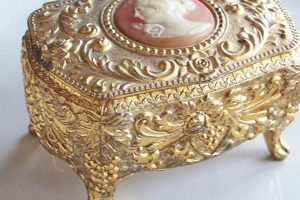
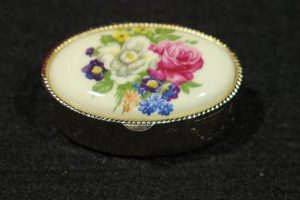
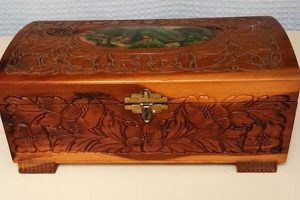
These accessories, characterized by their rigid, geometric forms, offer a distinctive aesthetic rooted in mid-century design. Frequently constructed from materials like Lucite, wood, or metal, they represent a departure from softer, more pliable handbag styles. An example would be a petite, hard-sided handbag adorned with floral embellishments and a clasp closure, evocative of the 1950s.
Their appeal lies in their structural integrity and the enduring quality of craftsmanship often employed in their creation. Possessing one affords a tangible link to past eras of fashion and design. These items often serve as conversation pieces, reflecting individual style and an appreciation for historical artifacts, also stand as a testament to design’s evolution and the enduring attraction of well-crafted objects.
This article will delve into the materials commonly used in their construction, the notable designers who contributed to their popularity, and the methods for authenticating and preserving these sought-after collectibles. Subsequent sections will address the factors influencing valuation and offer guidance on incorporating these distinctive items into contemporary wardrobes.
Acquiring and maintaining these historical accessories necessitates careful consideration. The following guidance will assist in evaluating condition, authenticity, and preservation.
Tip 1: Assess Structural Integrity: Examine the frame, closure, and handle for any signs of damage. Cracks, loose hinges, or weakened handles can significantly impact value and usability. For example, a hairline crack in a Lucite bag might seem minor but could worsen over time.
Tip 2: Verify Material Authenticity: Research the materials commonly used during the period of manufacture. Common materials are wood, lucite, or metal. Discrepancies in material composition can indicate reproduction. Catalogs from the period can assist in identifying those features.
Tip 3: Scrutinize Hardware and Embellishments: Original hardware, such as clasps and hinges, typically exhibits consistent aging and patina. Inconsistencies or overly polished hardware can suggest replacement. For example, rhinestones that are too bright or of a different cut than those commonly used in the era may be replacements.
Tip 4: Examine the Interior Lining: Original linings often bear traces of use and age, but should still be intact. Rips, stains, or replacement linings detract from value. The fabric type and color should also correspond to the period of manufacture.
Tip 5: Research Designer Markings: Look for stamped or engraved designer logos or maker’s marks. Absence of a known mark does not automatically invalidate authenticity, but its presence can greatly enhance value. Cross-reference the mark with known examples to ensure accuracy.
Tip 6: Consider Storage and Preservation: Store these items in a cool, dry place away from direct sunlight to prevent fading or material degradation. Stuffing the bag with acid-free tissue paper helps maintain its shape. Consider using a dust bag for added protection.
Tip 7: Exercise Caution When Cleaning: Avoid harsh chemicals or abrasive cleaners. Use a soft cloth and mild soap diluted in water to gently clean the exterior. Test any cleaning solution on an inconspicuous area first. For specialized materials like Lucite, consult with a professional conservator.
Diligent application of these guidelines will facilitate informed purchasing decisions and responsible stewardship of these collectible artifacts.
The subsequent section will address current market trends and resources available for further research.
1. Construction

The construction of these rigid handbags is a defining characteristic, directly influencing their durability, aesthetic appeal, and overall value. The methods employed in shaping and assembling the components determine the structural integrity and the long-term viability of the item. For example, a box purse crafted with dovetail joints and reinforced corners demonstrates superior craftsmanship compared to one held together with simple glue or staples. This difference translates directly into its ability to withstand wear and tear over time.
The choice of construction techniques also dictates the design possibilities. The utilization of molded plastics allowed for intricate surface detailing and complex shapes, as seen in the molded floral designs of some 1950s Lucite purses. Conversely, the use of hand-tooled leather and hand-stitched seams in earlier examples reflects a commitment to artisanal craftsmanship and results in a distinctly different aesthetic. The type of closure mechanism, whether a simple snap, a complex kiss-lock, or a decorative clasp, is intrinsically linked to the construction and contributes to the overall security and functionality.
In summary, the construction of these purses is not merely a technical detail, but a fundamental aspect of their identity. It influences their durability, design, and value, and is a key indicator of their historical context. Understanding the construction methods employed allows for a more informed appreciation and assessment of these enduring accessories, and is essential for both collectors and those interested in the history of fashion accessories.
2. Materials
The composition of vintage box purses is intrinsically linked to their aesthetic, durability, and historical value. The materials employed often dictate the design possibilities, structural integrity, and overall lifespan of these accessories. For instance, Bakelite, a popular early plastic, allowed for bold colors and streamlined designs during the Art Deco era, but is susceptible to discoloration and cracking over time. The choice of material was not arbitrary; it reflected the technological advancements, economic conditions, and prevailing aesthetic preferences of the period. Consider the use of exotic woods like mahogany or rosewood, which signified luxury and craftsmanship in higher-end examples. Their resistance to warping made them practical for these rigidly structured bags. The materials selection impacted the overall item’s weight and portability. The impact of these material choices on longevity cannot be overstated; some materials are inherently more resilient than others, influencing the purse’s condition through the decades.
Further analyzing material selection includes considering its influence on hardware and embellishment compatibility. For example, the smooth surface of Lucite readily accommodated inlaid rhinestones or painted designs, facilitating ornate visual effects. Comparatively, the porous nature of certain leathers required specialized techniques for dyeing and finishing. Practical applications of understanding material choices include informed conservation and repair. Knowing that celluloid is highly flammable dictates specific storage protocols. Recognizing that certain metals are prone to tarnishing necessitates appropriate cleaning and polishing methods. Discerning whether a material is original or a later replacement can impact authenticity and valuation. Collectors may also use material information to help date the purses to a specific time period.
In summation, the materials used in creating vintage box purses are fundamental to understanding their history, value, and preservation. The selection process reflects a convergence of technological innovation, aesthetic trends, and practical considerations. Challenges in this area include correctly identifying aged materials and distinguishing between genuine and imitation products. By carefully considering the materials, one can unlock a deeper understanding of these historical accessories and their place within the broader narrative of fashion history.
3. Hardware
The hardware affixed to vintage box purses serves functions both utilitarian and ornamental, playing a significant role in determining the purse’s structural integrity, aesthetic appeal, and overall market value. The selection, design, and condition of these components offer insights into the purse’s origin, era, and level of craftsmanship.
- Clasps and Closures
These elements are essential for securing the contents and often serve as focal points of the design. Clasps may range from simple snap closures to intricate, jeweled mechanisms. Examples include Art Deco-era geometric clasps made of Bakelite or Lucite, and Victorian-era kiss-lock closures fashioned from sterling silver or brass. A damaged or replaced clasp diminishes the purse’s value and authenticity.
- Hinges
The hinges are crucial for the purse’s functionality, enabling the opening and closing of the rigid frame. Hinges are typically constructed from metal, such as brass or steel, and are subject to wear and tear over time. Corrosion, loosening, or breakage of the hinges can compromise the purse’s structural integrity. Original, well-maintained hinges are indicative of careful preservation.
- Handles and Straps
Handles and straps are designed for carrying and contribute significantly to the purse’s overall aesthetic. Materials include metal chains, leather straps, or rigid handles made of wood or plastic. The style and condition of the handle or strap are indicators of the purse’s age and usage. For instance, a Bakelite handle with hairline cracks suggests age and potential degradation. Missing or replaced handles detract from the purse’s collectibility.
- Feet and Protective Elements
Some designs incorporate small metal feet or studs on the bottom of the purse to protect the base from wear. These elements can be simple and functional or decorative and elaborate. Missing or damaged feet detract from the purse’s overall condition and can impact its stability. The presence of original protective elements is often a sign of a well-cared-for item.
In conclusion, hardware provides critical insights into the history and value of vintage box purses. Each component contributes to the purse’s overall functionality and visual appeal. Careful inspection and preservation of the hardware are vital for maintaining the integrity and worth of these collectible accessories.
4. Design

The design of vintage box purses serves as a crucial lens through which to understand the socio-cultural landscape and aesthetic preferences of past eras. The form, ornamentation, and functional elements of these accessories are not arbitrary; they are deliberate expressions of prevailing artistic movements, technological capabilities, and societal norms. A flapper-era box purse adorned with geometric Art Deco motifs, for instance, reflects the eras fascination with modernism and machine-age aesthetics. Similarly, a 1950s Lucite purse with floral embellishments embodies the post-war embrace of optimism and femininity. The selection of materials, the configuration of the interior compartments, and the style of the clasp are all elements within the design scheme that contribute to its overall impact and historical significance.
The design directly affects the value and collectibility of these items. Intricate and innovative designs, particularly those associated with renowned designers or manufacturers, command higher prices in the vintage market. The condition of the design elements whether the painted motifs are intact, the hardware is unblemished, or the structural integrity is preserved significantly influences its desirability. Furthermore, the design dictates the purse’s usability and practicality. A well-designed box purse provides ample storage, easy access to contents, and comfortable handling. A poorly designed one, however, may be cumbersome, fragile, or aesthetically unappealing. The interplay between form and function is, therefore, a critical aspect of its overall design assessment.
In summary, design is an indispensable element in understanding and evaluating vintage box purses. It embodies historical context, reflects aesthetic trends, and impacts the purses value and practicality. Challenges in design evaluation include accurately identifying period styles, discerning original features from later alterations, and assessing the impact of wear and tear on the design’s integrity. Recognition of design enables a deeper appreciation of these artifacts and facilitates informed decisions in collecting and preserving them, linking them to the broader narrative of fashion history.
5. Era
The era in which a rigid handbag was produced profoundly influences its design, materials, construction techniques, and overall aesthetic. Examining the historical period provides critical context for understanding these items as artifacts of their time, offering insight into prevailing social norms, economic conditions, and technological advancements. Knowing the era enhances appreciation and aids in authentication and valuation.
- Art Deco (1920s-1930s)
During this period, box purses frequently displayed geometric shapes, streamlined designs, and bold colors, reflecting the era’s fascination with modernism and machine-age aesthetics. Materials like Bakelite and early plastics were common. Examples include purses with stepped patterns, stylized motifs, and geometric clasps. These purses embody the spirit of progress and the changing role of women in society.
- World War II Era (1940s)
Materials were often limited during this period, leading to the use of alternative resources and simpler designs. Wood, straw, and repurposed fabrics were common. Box purses from this era often exhibit a utilitarian aesthetic, with less emphasis on ornamentation. The somber mood of the war years is reflected in the subdued colors and practical designs.
- Mid-Century Modern (1950s-1960s)
This era saw a resurgence of optimism and femininity, reflected in the use of brighter colors, floral embellishments, and innovative materials like Lucite. Box purses from this period often feature playful designs, novelty shapes, and elaborate closures. These purses embody the post-war consumer culture and the burgeoning fashion industry.
- Late 20th Century (1970s-1990s)
The late 20th century saw a diversification of styles and materials, with a move towards more experimental designs. Clear plastic, metallic finishes, and unconventional shapes became popular. Box purses from this era often reflect the bold and eclectic fashion trends of the time, with influences from pop art, disco, and new wave. Designer logos and brand names also became more prominent.
The era of a rigid handbag provides essential information about its origins, design influences, and cultural context. By understanding the characteristics associated with each period, collectors and enthusiasts can better appreciate these accessories as tangible representations of history and style. Identifying the era supports authentication efforts, informs preservation practices, and enables a more nuanced understanding of each purses place within the evolution of fashion.
6. Condition

The physical state of rigid handbags significantly influences their value, desirability, and historical significance. Assessing the degree of preservation is paramount in evaluating these collectible items, as damage or deterioration impacts their aesthetic appeal and structural integrity.
- Material Integrity
The primary materials constituting the bag (e.g., Lucite, wood, metal, leather) must be examined for signs of degradation. Cracks in Lucite, warping in wood, corrosion in metal, or dryness and cracking in leather all detract from the overall condition. Example: A Bakelite purse with significant discoloration or crazing will command a lower price than one in pristine condition. Loss of material integrity compromises its longevity and historical representation.
- Hardware Functionality
Clasps, hinges, and handles must be assessed for proper operation and structural soundness. A malfunctioning clasp, loose hinge, or weakened handle impairs the purse’s usability and decreases its value. Example: A purse with a broken clasp is less desirable than one with a fully functional original clasp. Original hardware in good working order signifies careful preservation.
- Interior Preservation
The lining and internal compartments should be inspected for stains, tears, or alterations. An intact, original lining enhances the purse’s authenticity and overall appeal. Example: A silk-lined purse with significant staining will be less valuable than one with a clean, undamaged lining. The interior condition reflects the level of care it received throughout its lifespan.
- Surface Aesthetics
The exterior surface should be evaluated for scratches, fading, or discoloration. The presence of these imperfections reduces the purse’s aesthetic appeal. Example: A painted purse with significant paint loss is less desirable than one with vibrant, intact paint. The surface aesthetics contribute significantly to the overall visual impact and historical representation.
Condition is a multifaceted consideration, encompassing material integrity, hardware functionality, interior preservation, and surface aesthetics. A careful assessment of these factors is essential for determining the true value and historical significance of these items. Pristine examples command higher prices and serve as more accurate representations of their respective eras.
Frequently Asked Questions about Vintage Box Purses
This section addresses common inquiries regarding these collectible accessories, providing clarity on aspects such as identification, care, and valuation.
Question 1: How does one differentiate between an authentic rigid handbag and a reproduction?
Verification involves careful examination of construction techniques, materials, and hardware. Original examples often exhibit specific characteristics consistent with their era of manufacture, such as dovetail joints, specific materials, and aged hardware. Comparison with documented examples and consultation with expert appraisers are also recommended.
Question 2: What are the most effective methods for cleaning and preserving these purses?
Cleaning should be performed with utmost care, using gentle, non-abrasive methods. A soft cloth dampened with mild soap and water is generally suitable for most surfaces. Harsh chemicals and abrasive cleaners should be avoided. Preservation involves storing the item in a cool, dry place away from direct sunlight, using acid-free tissue paper to maintain its shape, and employing dust bags for protection.
Question 3: What factors contribute to the valuation of these collectibles?
Valuation is influenced by a combination of factors, including age, rarity, condition, design, materials, and provenance. Purses associated with renowned designers or manufacturers, crafted from premium materials, or exhibiting unique designs typically command higher prices.
Question 4: How can one identify the specific era of manufacture?
Identification of the era involves analyzing design motifs, materials, and construction techniques. Art Deco examples typically exhibit geometric patterns and streamlined designs, while mid-century purses often feature floral embellishments and innovative materials. Historical catalogs, fashion archives, and expert consultation can provide further insight.
Question 5: What are the most common types of damage encountered in these items, and how can they be addressed?
Common damage includes cracks in Lucite, corrosion in metal hardware, staining or tearing of interior linings, and fading of painted surfaces. Addressing these issues requires specialized knowledge and techniques. Professional restoration services may be necessary to repair significant damage while preserving the item’s historical integrity.
Question 6: Where can one find reputable sources for purchasing and selling these historical accessories?
Reputable sources include established vintage boutiques, reputable online marketplaces specializing in antiques and collectibles, auction houses with expertise in vintage fashion, and antique shows with vetted vendors. Thorough research and careful evaluation of the seller’s reputation are essential for ensuring authenticity and fair pricing.
The information provided offers a comprehensive overview of frequently encountered questions. Proper assessment and care ensures preservation.
The subsequent section explores the integration of these vintage pieces into contemporary wardrobes.
Vintage Box Purses
This exploration has examined the multifaceted nature of vintage box purses, encompassing their historical context, design elements, construction materials, authentication processes, and preservation techniques. The analysis has underscored the accessories’ role as tangible representations of distinct eras, reflecting shifts in social norms, artistic movements, and technological advancements. The assessment of condition, a critical determinant of value, was emphasized, along with responsible acquisition and stewardship strategies.
The enduring appeal of vintage box purses lies in their capacity to bridge the past and present, offering tangible connections to historical narratives and individual style. Their continued relevance in contemporary fashion suggests their future as both collectibles and functional accessories. Continued scholarly research, diligent preservation efforts, and informed appreciation are crucial for safeguarding the legacy of these significant artifacts for future generations.