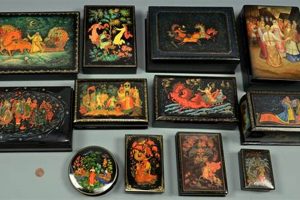
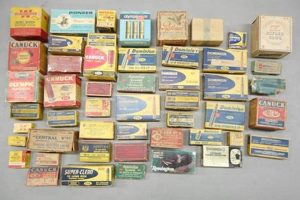
These receptacles, once common for presenting confectionery, serve as tangible links to earlier eras. The containers, typically constructed from cardboard, tin, or wood, frequently feature decorative elements such as lithographs, embossed designs, and elaborate typography. An artifact of a bygone period’s confectionery customs, these boxes reflect the aesthetics and manufacturing capabilities prevalent at their time of creation. As an illustration, consider a hinged tin adorned with a Victorian-era floral motif, originally containing assorted sweets from a well-known chocolatier.
Their significance extends beyond mere storage. They provide a window into social history, revealing details about consumer culture, advertising practices, and design trends. The survival of these items allows for the study of evolving artistic styles and industrial techniques. Moreover, they possess intrinsic value to collectors, representing a piece of material culture that connects individuals to the past. The containers also serve as a physical manifestation of special occasions and gifting traditions, providing a glimpse into the emotional significance associated with confectionery presentation.
The subsequent discussion will delve into the materials used in their construction, explore notable manufacturers, and analyze the diverse decorative styles employed, offering a more detailed understanding of these captivating historical objects.
Guidance on Handling Historical Confectionery Containers
The preservation of these artifacts requires careful consideration. Proper handling and storage are essential to maintaining their condition and value. The following guidance outlines key practices for collectors and enthusiasts.
Tip 1: Assess Condition Upon Acquisition: A thorough examination is crucial upon receiving a receptacle. Note any existing damage, such as dents, scratches, or fading. This documentation serves as a baseline for future comparison and helps inform appropriate conservation strategies.
Tip 2: Prioritize Gentle Cleaning Methods: Avoid harsh chemicals or abrasive materials. A soft brush and dry cloth are typically sufficient for removing surface dust. For more stubborn dirt, a slightly dampened cloth with distilled water may be cautiously employed. Always test in an inconspicuous area first.
Tip 3: Control Environmental Factors: Fluctuations in temperature and humidity can accelerate deterioration. Storing them in a stable environment, away from direct sunlight and excessive moisture, is paramount. Consider using archival-quality storage materials.
Tip 4: Handle with Clean, Dry Hands: Oils and dirt from bare hands can transfer to the surface, potentially causing staining or corrosion over time. Wearing gloves, particularly cotton or nitrile, is advisable during handling and display.
Tip 5: Provide Adequate Support During Display: When exhibiting a receptacle, ensure it is adequately supported to prevent stress or strain on its structural components. Custom-made stands or archival-quality foam supports can provide stability and minimize the risk of accidental damage.
Tip 6: Document Provenance and History: Maintaining records related to a box’s origin, previous ownership, and any known history enhances its value and provides valuable context for future research. Include details such as purchase dates, seller information, and any associated documentation.
Tip 7: Consider Professional Conservation: For items exhibiting significant damage or deterioration, consulting with a professional conservator is recommended. They possess the expertise and resources to implement appropriate restoration techniques while preserving the artifact’s authenticity.
Adhering to these guidelines will contribute significantly to the long-term preservation. Proper care ensures these historical items remain available for enjoyment and study for generations to come.
The subsequent discussion will explore specific examples and case studies, further illustrating the principles outlined above.
1. Material Composition

The materials utilized in the construction are fundamental to understanding its longevity, aesthetic qualities, and historical placement. The evolution of these materials reflects shifts in industrial capabilities, economic considerations, and consumer preferences, thereby providing critical insights into the broader context of confectionery presentation and preservation.
- Tinplate Construction
Early examples frequently employed tinplate, a thin sheet of iron or steel coated with tin. This material offered durability, protection against moisture, and a suitable surface for printing intricate designs via lithography. Tinplate allowed for elaborate shapes and embossed details, contributing to the perceived value of the contents. However, tinplate is susceptible to rust, particularly in humid environments, impacting long-term preservation. Examples include early 20th-century boxes featuring scenes from popular literature or theatrical productions.
- Cardboard Alternatives
As production costs became a greater concern, cardboard emerged as a more economical alternative. Cardboard variants varied in thickness and quality, ranging from simple, uncoated boards to more sophisticated examples featuring layered construction and decorative paper wraps. While lighter and cheaper to produce, cardboard offered less protection against physical damage and moisture, affecting the condition in which these are found today. Consider late 19th-century examples using thin cardboard with chromolithographic prints of floral arrangements.
- Paper and Textile Embellishments
Paper labels, wrappers, and linings were commonly used to enhance the aesthetic appeal and provide additional protection. High-quality paper stock allowed for vibrant color printing and intricate detailing. Textile linings, such as satin or velvet, added a touch of luxury and served to cushion the confectionery contents. However, paper and textile components are vulnerable to tearing, fading, and insect damage, requiring careful preservation. Examples include boxes lined with silk and adorned with embossed paper labels.
- Wood Components
Wood was sometimes used as a core structure, particularly for larger, more elaborate boxes intended as keepsake items. Wood provided structural integrity and a sense of permanence. These would often be adorned with veneers, carvings, or inlays to enhance their decorative appeal. The use of wood generally signified higher quality and a longer intended lifespan for the box itself. Example are large wooden boxes inlaid with mother-of-pearl, used for high-end assortments.
The interplay of these materials, dictated by economic factors and prevailing aesthetic tastes, shaped the form and function, contributing to their overall significance as artifacts of confectionery history. The selection of specific materials reflects a complex interplay between durability, cost, and consumer appeal, providing valuable insights into the cultural context of the time.
2. Decorative motifs

The aesthetic qualities are intrinsically linked to their historical and cultural significance. These motifs, far from being arbitrary embellishments, reflect the artistic currents, social values, and marketing strategies of their respective eras. The selection of specific imagery and design elements served to enhance consumer appeal, communicate brand identity, and elevate the perceived value of the confectionery contained within. Thus, an understanding of these motifs is essential to fully comprehending the cultural context of these historical objects.
Examples of this connection abound. Boxes produced during the Victorian era frequently showcase romanticized scenes of courtship, floral arrangements, and pastoral landscapes, reflecting the prevailing emphasis on sentimentality and domesticity. Art Nouveau examples, characterized by flowing lines, organic forms, and depictions of idealized female figures, mirror the era’s fascination with naturalism and modernity. Similarly, Art Deco designs, with their geometric patterns, bold colors, and streamlined forms, reflect the machine age and the burgeoning sense of optimism following World War I. These motifs acted as powerful marketing tools, effectively targeting specific demographics and associating the product with desirable aspirational values. An example is the contrast between a box featuring a delicate watercolor floral design aimed at a female audience and a box with a bold, geometric Art Deco pattern intended to appeal to a more modern consumer.
Therefore, the study of decorative motifs transcends mere aesthetic appreciation. It offers a valuable lens through which to examine the evolving tastes, cultural values, and marketing strategies that shaped the confectionery industry. Recognizing the historical context and symbolic significance of these designs enriches the experience of collecting and preserving these artifacts, providing a deeper understanding of their place in material culture. The careful preservation of these boxes with their original decorative elements ensures that future generations can appreciate this tangible connection to the past.
3. Manufacturing Techniques

The methods employed in the creation of these receptacles significantly influenced their form, durability, and aesthetic characteristics. These manufacturing processes, often reflective of the technological capabilities of the era, provide valuable insights into the industrial history and consumer culture surrounding confectionery.
- Lithographic Printing
A dominant printing technique involved lithography, allowing for mass production of highly detailed and colorful images on tinplate or paper labels. This process, using a stone or metal plate, facilitated the reproduction of intricate designs, pictorial scenes, and brand logos. The quality of the lithography often determined the perceived value of the contents and the brand’s image. An example includes the use of chromolithography to create vibrant, multi-colored images on Victorian-era boxes, depicting idyllic scenes or floral arrangements, significantly influencing their market appeal and collectible value.
- Die-Cutting and Embossing
Die-cutting, a process involving sharp metal blades to cut specific shapes from sheet materials, enabled the creation of precisely shaped boxes and decorative elements. Embossing, which uses pressure to raise or depress designs on the surface, added a tactile dimension and enhanced the visual appeal. The combination of die-cutting and embossing allowed for the production of ornate, three-dimensional designs, contributing to the overall impression of quality and craftsmanship. An example is a box with an embossed floral pattern and precisely cut edges, reflecting a higher level of manufacturing sophistication and consumer appeal.
- Metal Stamping and Forming
For tinplate, metal stamping and forming techniques were employed to create the body and lid. These processes involved using presses and dies to shape the metal into the desired form. The precision and efficiency of these techniques allowed for mass production of uniform boxes. Different gauges of metal and variations in stamping techniques influenced the durability and longevity. An example is the mass production of hinged tin boxes using metal stamping, demonstrating the industrial capabilities of the time and contributing to the widespread availability of these receptacles.
- Assembly and Finishing
The final stage involved assembling the various components, such as the box body, lid, hinges, and decorative elements. This process often required manual labor, particularly for intricate designs or high-end boxes. Finishing techniques, such as varnishing or lacquering, were applied to protect the surface and enhance its appearance. The quality of the assembly and finishing directly impacted the overall durability and aesthetic appeal, contributing to its value. An example is the meticulous hand-assembly of cardboard boxes with intricate paper overlays, highlighting the craftsmanship involved and the perceived value placed on these items.
These manufacturing techniques collectively shaped the characteristics, revealing the industrial processes and aesthetic sensibilities of the era. The understanding of these techniques deepens the appreciation for the tangible connection they provide to the historical context of confectionery packaging and consumer culture.
4. Historical Context

Examination of confectionery packaging necessitates a consideration of historical context. The design, materials, and marketing of these boxes are inextricably linked to the social, economic, and cultural conditions prevalent during their production and consumption. Understanding this context is essential for a comprehensive appreciation of their significance as artifacts.
- Socioeconomic Influences
Economic conditions directly affected the materials used and the level of embellishment. For instance, periods of prosperity might see the use of more expensive materials like tinplate and elaborate lithography, while times of economic hardship could lead to the adoption of cheaper alternatives such as cardboard. The targeted consumer base, whether the wealthy elite or the emerging middle class, also dictated the design and perceived value.
- Technological Advancements
Innovations in printing, metalworking, and papermaking impacted the manufacturing techniques. The advent of chromolithography, for example, enabled the mass production of vibrantly colored images, transforming from relatively simple designs to detailed pictorial scenes. The availability of new materials, such as celluloid or plastics (in later eras), also influenced construction and aesthetics. This progression mirrors the evolution of industrial capabilities.
- Cultural Values and Aesthetics
Prevailing cultural values and artistic movements found expression in the design elements. Boxes from the Victorian era often featured romanticized imagery and ornate details, reflecting the era’s emphasis on sentimentality and domesticity. Art Nouveau designs incorporated flowing lines and organic motifs, while Art Deco boxes showcased geometric patterns and streamlined forms, mirroring the aesthetics of the machine age. These designs communicated cultural values and targeted specific consumer preferences.
- Marketing and Advertising Strategies
Marketing techniques evolved alongside the development of mass media and consumer culture. The design often served as a crucial marketing tool, conveying brand identity and enticing potential buyers. The imagery, typography, and overall presentation were carefully crafted to appeal to specific demographics and associate the product with aspirational values. Packaging became an integral component of the overall branding strategy.
The confluence of socioeconomic conditions, technological advancements, cultural values, and marketing strategies shaped the evolution of confectionery containers. Their design, materials, and marketing reflect the dynamic interplay between industry, society, and consumer preferences, providing valuable insights into the historical context of confectionery consumption and packaging.
5. Collectibility
The desirability of these receptacles as collectibles stems from a confluence of factors. Rarity, condition, historical significance, and aesthetic appeal converge to determine its market value and appeal to collectors. Those in pristine condition, featuring intact original artwork and minimal wear, command higher prices. Those associated with notable manufacturers or specific historical events possess enhanced value due to their documented provenance and historical associations.
The importance of its collectibility manifests in several ways. It preserves material culture, ensuring that examples are safeguarded for future generations. The act of collecting encourages research and documentation, thereby expanding knowledge of confectionery history and design. The market value also incentivizes careful handling and preservation. Examples illustrating this include specialized auctions, dedicated online communities, and price guides that cater specifically to collectors, fostering a vibrant ecosystem dedicated to the preservation and appreciation of these artifacts.
Understanding the factors that drive its collectibility has practical significance for both collectors and historians. Collectors can make informed decisions about acquisitions and preservation strategies. Historians can utilize these artifacts as primary sources to gain insights into consumer culture, advertising practices, and design trends. Awareness of the market dynamics and historical context contributes to a deeper appreciation of these tangible links to the past, thereby reinforcing their value as both collectible items and historical documents.
Frequently Asked Questions about Historic Confectionery Receptacles
This section addresses common inquiries regarding these items, providing clarity on their identification, preservation, and historical significance.
Question 1: How does one differentiate between a genuinely old container and a modern reproduction?
Authenticity verification involves examining materials, construction techniques, and printing methods. Modern reproductions often utilize different materials or employ printing processes that differ from those used historically. Examination of details such as the type of ink, paper stock, and assembly methods can reveal discrepancies. Consulting with experts or comparing against documented examples aids in determining authenticity.
Question 2: What are the most common forms of damage encountered in older confectionery receptacles, and how should they be addressed?
Common damage includes rust, dents, scratches, fading, and insect damage. Addressing these issues requires careful conservation techniques. Gentle cleaning with appropriate materials and controlled environmental conditions minimize further deterioration. Severe damage may necessitate professional conservation intervention.
Question 3: How does the manufacturer influence its value?
The manufacturer significantly affects the artifact’s value. Boxes produced by well-known or historically significant confectioners often command higher prices due to their association with established brands and quality. Researching the history of the manufacturer provides valuable context and informs valuation.
Question 4: What constitutes “good condition” in evaluating a box?
Good condition implies minimal damage, intact original artwork, and structural integrity. The absence of significant rust, dents, tears, or fading enhances the value. The presence of original labels or inserts is also a positive attribute. Condition assessment requires careful examination and objective evaluation.
Question 5: What role do decorative motifs play in determining its historical significance?
Decorative motifs reflect the aesthetic trends, cultural values, and marketing strategies of their respective eras. Identifying and interpreting these motifs provides insights into the historical context of its production and consumption. Motif analysis aids in understanding the cultural significance and historical placement.
Question 6: How should confectionery receptacles be stored to ensure their long-term preservation?
Proper storage involves controlling environmental factors such as temperature, humidity, and light exposure. Storing the container in a stable environment, away from direct sunlight and excessive moisture, minimizes deterioration. Archival-quality storage materials and appropriate handling techniques further contribute to long-term preservation.
Careful examination, proper handling, and informed storage strategies are essential for preserving these tangible links to confectionery history. The provided information serves as a foundational guide for collectors and enthusiasts.
The subsequent section will delve into case studies of well-known manufacturers. This section presents a real world look at what we have discussed so far.
Conclusion
This exploration has highlighted the multifaceted nature of the vintage chocolate box as an artifact. Examination of material composition, decorative motifs, manufacturing techniques, historical context, and collectibility reveals these containers to be more than mere packaging. They function as tangible links to past eras, reflecting industrial progress, cultural values, and consumer behavior.
Continued research and careful preservation are vital to ensuring these artifacts remain accessible for future study and appreciation. The vintage chocolate box serves as a compelling reminder of the rich history embedded within everyday objects, urging continued inquiry into the material culture that shapes understanding of the past.