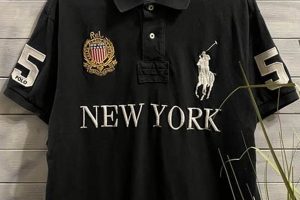
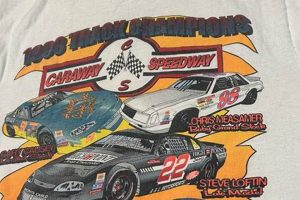
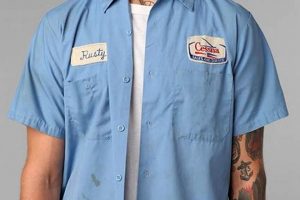
Garments originating from or evocative of United States Air Force apparel, typically dating back several decades, represent a distinct category within the broader vintage clothing market. These items often feature original insignias, unit designations, and unique fabric characteristics indicative of their production era. As an example, a shirt displaying a Strategic Air Command emblem from the 1960s would fall under this classification.
These articles of clothing provide a tangible link to military history and aerospace advancements. Their appeal lies in their historical significance, durable construction (often reflecting military specifications), and the unique aesthetic qualities associated with different periods of Air Force history. Ownership of these items allows individuals to connect with and display appreciation for the service and sacrifices of Air Force personnel. Furthermore, they contribute to a growing appreciation for sustainable fashion by repurposing durable, pre-existing materials.
The following discussion will elaborate on the identifying characteristics, preservation techniques, market value drivers, and ethical considerations relevant to these historical garments, providing a framework for understanding their cultural and economic significance.
Preserving and Authenticating Vintage Air Force T Shirts
The following guidelines offer insights into maintaining the condition and verifying the originality of these historical garments.
Tip 1: Examination of Fabric Composition: The composition of the fabric provides clues regarding the garment’s era. Pre-1970s examples typically feature 100% cotton, while blends became more common later. Examining the weave and texture can further aid in identification.
Tip 2: Assessment of Print Quality and Design: Screen printing techniques and ink formulations varied over time. Comparing the printing style and design details with documented Air Force insignia standards can assist in authentication.
Tip 3: Inspection of Stitching and Seam Construction: The type of stitching employed, such as single-needle or double-needle construction, is indicative of the manufacturing period. Careful observation of seam finishes can reveal deviations from standard military specifications.
Tip 4: Evaluation of Tag Details: Tags provide crucial information about the manufacturer, sizing, and production date. Researching historical tag designs and manufacturer histories is essential for verifying authenticity.
Tip 5: Storage and Handling Procedures: To prevent degradation, store garments in a cool, dry environment away from direct sunlight. Use acid-free tissue paper when folding or hanging to minimize creasing and discoloration.
Tip 6: Careful Cleaning Methods: Hand washing in cold water with a gentle detergent is recommended. Avoid harsh chemicals and machine drying, which can damage the fabric and prints.
Tip 7: Documentation and Provenance Tracking: Maintain records of purchase dates, sources, and any available documentation regarding the garment’s history. This information enhances its value and credibility.
Adherence to these recommendations will contribute to the preservation of these artifacts and ensure their continued historical significance.
The succeeding section addresses the ethical considerations associated with the acquisition and trade of military memorabilia.
1. Authenticity Markers

The integrity and value of vintage military apparel, specifically originating from the United States Air Force, hinge substantially on verifiable authenticity markers. These indicators serve as the primary means of distinguishing genuine articles from reproductions or fraudulent items. The presence and condition of specific tags, insignias, and manufacturing details correlate directly with the item’s perceived historical accuracy and collectibility. For instance, the “Quartermaster Depot” tag present in early examples holds significant evidential weight, immediately establishing an item’s potential age and origin. Any deviation from established military specifications casts doubt on authenticity and diminishes its worth.
Detailed analysis of the printing techniques is equally critical. Screen-printing methods and ink composition varied throughout different eras. Comparing the printing style, design details, and color palettes against documented Air Force insignia standards can reveal inconsistencies indicative of reproduction. For example, a vintage garment featuring modern printing techniques or incorrectly rendered unit insignia would be demonstrably inauthentic. The stitching patterns and seam construction also serve as valuable authenticity indicators; single-needle stitching is a common feature of older garments, while double-needle stitching became more prevalent in later decades. Careful inspection of these subtle, yet crucial, details helps establish the provenance of the garment.
In summation, authentication markers are not merely cosmetic details; they are intrinsic components of a vintage Air Force garment’s historical narrative and monetary value. The meticulous examination of these markers including tags, insignias, printing techniques, and construction methods is essential for establishing provenance, preserving historical accuracy, and avoiding fraudulent acquisitions. Therefore, a thorough understanding of these markers is paramount for collectors, historians, and anyone seeking to engage with these artifacts responsibly.
2. Historical Eras

The historical context surrounding vintage Air Force T-shirts significantly influences their value, design, and collectibility. Each era reflects distinct socio-political climates, technological advancements, and uniform regulations, impacting the garment’s aesthetic and construction.
- World War II Era (1940s)
While direct-issue T-shirts were not prevalent in the Air Force during this period, undershirts and training shirts with basic designs exist. These garments often feature simple screen-printed designs or stenciled identification. These items are rare and highly prized due to their association with a pivotal period in military history. Authentic examples offer insight into wartime resource limitations and the utilitarian nature of military apparel during this era.
- Cold War Era (1950s-1980s)
This period saw increased diversification in Air Force apparel, with T-shirts becoming more common for recreational and training purposes. Unit logos, base insignias, and morale patches were frequently incorporated into designs. Garments from this era often reflect the geopolitical tensions and technological advancements of the Cold War, making them historically significant and collectible. The material and construction methods also evolved, with blends becoming more common.
- Post-Cold War Era (1990s-2000s)
The designs from this period often reflect specific operations, squadrons, or achievements. T-shirts from Operation Desert Storm or specific Air Expeditionary Forces are sought after for their connection to significant military events. The quality and diversity of printing techniques further increased, and garments frequently incorporated more complex graphics.
The historical era from which these items originate plays a crucial role in determining their significance and value. Understanding the context of each era allows collectors and enthusiasts to appreciate the evolution of Air Force apparel and its reflection of broader historical trends.
3. Material Composition

The fabrics utilized in the construction of vintage Air Force T-shirts serve as critical indicators of their age, purpose, and overall authenticity. Earlier garments, particularly those pre-dating the 1970s, predominantly featured 100% cotton. This choice of material provided breathability and comfort, essential characteristics for wear in diverse climates and during strenuous activity. The type of cotton weave, such as jersey or heavier canvas variations, directly influenced the shirt’s durability and intended application. For instance, a heavier canvas cotton suggests use in more demanding field exercises, while a lighter jersey knit was more likely reserved for casual wear or undershirts. Degradation patterns and staining unique to cotton further contribute to the narrative of its history.
The introduction of synthetic fibers, such as polyester and rayon, into textile manufacturing had a direct impact on subsequent Air Force apparel. Blends of cotton and synthetics offered enhanced properties like wrinkle resistance and increased durability. Garments manufactured during the later Cold War era (1970s-1980s) commonly incorporated these blends. Examining the presence and proportion of synthetic fibers is, therefore, crucial for approximating the garment’s date of production. Furthermore, the specific dyeing processes and colorfastness characteristics of these materials also reveal valuable information regarding the manufacturing standards and technological capabilities of the period. A garment exhibiting significant color bleeding or fading may indicate lower-quality dyes characteristic of a specific era or manufacturer.
In conclusion, the material composition of a vintage Air Force T-shirt extends beyond mere fabric content; it offers insight into the garment’s historical context, intended use, and manufacturing standards. Careful analysis of the fiber type, weave, dyeing processes, and degradation patterns serves as a vital tool for authentication, preservation, and understanding the broader history of military apparel. Recognizing these material nuances contributes significantly to appreciating the tangible link between these garments and the personnel who wore them.
4. Printing Techniques

The printing techniques employed on vintage Air Force T-shirts are integral to assessing their authenticity, age, and historical significance. The evolution of these techniques directly correlates with technological advancements and manufacturing capabilities across different eras. Early examples predominantly feature screen printing, a process involving the application of ink through a stenciled mesh. The specific characteristics of this screen printing, such as the ink’s texture, opacity, and the detail achievable in the design, serve as key indicators of the garment’s origin. For instance, thicker, more opaque inks are commonly found on older shirts due to the limited refinement of ink formulations at the time. Hand-cut stencils also introduce subtle imperfections or variations in design, further distinguishing them from modern, digitally-produced prints. Any deviations from these expected printing characteristics can suggest reproduction or alteration.
The transition from manual screen printing to semi-automated and fully-automated processes introduced changes in print quality and design complexity. Later vintage garments, specifically those from the 1970s and 1980s, often exhibit finer details, sharper lines, and more consistent ink application due to improvements in screen printing technology. The introduction of plastisol inks, known for their durability and vibrant colors, also impacted the aesthetic of these garments. Examining the specific ink type and its behavior over time, such as cracking or fading patterns, assists in determining its age and authenticity. Moreover, the use of specific printing techniques, such as heat transfers or dye-sublimation, which were less common in earlier periods, can immediately indicate a later production date. A shirt purportedly from the 1960s utilizing a heat transfer design would be deemed inauthentic.
In summary, printing techniques provide critical clues for understanding and evaluating vintage Air Force T-shirts. These techniques serve as a tangible link to specific historical periods and manufacturing practices. Analyzing the ink type, application method, design complexity, and any signs of degradation provides essential information for assessing authenticity, dating the garment, and appreciating its historical context. Therefore, a comprehensive understanding of printing techniques is paramount for collectors, historians, and anyone seeking to engage with vintage military apparel responsibly.
5. Condition Assessment

The evaluation of condition stands as a critical determinant of value and desirability within the realm of vintage Air Force T-shirts. The assessment encompasses various factors that collectively indicate the level of wear, damage, and overall preservation of a particular garment. A comprehensive understanding of these factors is crucial for collectors, historians, and individuals seeking to acquire these historical artifacts.
- Fabric Integrity
The structural soundness of the fabric is a primary consideration. Indicators include the presence of tears, holes, thinning, or excessive stretching. Examining the fabric’s texture and weave can reveal subtle degradation not immediately apparent. A garment with significant fabric damage inherently possesses diminished value and historical significance. For example, a T-shirt with multiple tears or substantial thinning across the chest area indicates heavy use and potential exposure to harsh conditions.
- Print Quality and Fade
The clarity and vibrancy of the original print are essential aspects of condition assessment. Fading, cracking, or peeling of the printed design directly impacts the shirt’s aesthetic appeal and historical accuracy. Assessing the degree of color loss and the integrity of fine details within the print provides insights into the garment’s exposure to sunlight, washing practices, and overall care. A T-shirt with a significantly faded or cracked print is generally considered to be in poorer condition, even if the fabric remains relatively intact.
- Stains and Discoloration
The presence of stains or discoloration is a significant factor in condition assessment. Stains can result from various sources, including oil, grease, ink, or other substances encountered during the garment’s lifetime. The severity, location, and type of stain influence its impact on the shirt’s overall value. Discoloration can occur due to prolonged exposure to light, improper storage, or chemical reactions. A T-shirt with extensive or prominent stains is typically deemed less desirable than one with minimal or no blemishes.
- Alterations and Repairs
Any alterations or repairs made to the T-shirt must be carefully evaluated. While minor repairs may be acceptable, significant alterations can detract from its originality and historical accuracy. Assessing the quality of repairs and determining whether they were performed professionally or amateurishly is crucial. A T-shirt that has been substantially altered or repaired may possess reduced value, especially if the modifications compromise its original design or construction.
The interplay of fabric integrity, print quality, staining, and alterations defines the overall condition of vintage Air Force T-shirts, and their value or appeal hinges on an informed assessment of these factors. The meticulous evaluation of these elements enables enthusiasts and collectors to make informed decisions and appreciate the nuanced history embedded within each garment.
6. Market Valuation

Market valuation of these garments is contingent upon a complex interplay of factors, including condition, rarity, historical significance, and prevailing collector demand. Condition directly influences price, with items exhibiting minimal wear, vibrant prints, and intact tags commanding a premium. Rarity, often tied to specific units, operations, or limited production runs, significantly elevates market value. For instance, a T-shirt from a highly decorated squadron during a specific conflict may garner considerable interest from collectors. Historical significance adds another layer of value, with garments connected to pivotal moments in Air Force history attracting higher bids. The prevailing demand, driven by trends within the vintage clothing market and the military memorabilia collecting community, further impacts pricing. Auction sites and vintage clothing marketplaces serve as primary indicators of current market valuation trends.
The practical significance of understanding market valuation lies in informed purchasing decisions, responsible collection management, and potential investment opportunities. A clear grasp of value drivers allows collectors to make strategic acquisitions, avoiding overpayment for common or misrepresented items. Moreover, accurate valuation informs proper insurance coverage for valuable collections, safeguarding against potential losses. Identifying undervalued items with promising appreciation potential presents opportunities for strategic investment within the vintage military apparel market. The ethical considerations of market valuation include transparency in pricing, accurate representation of item condition, and avoiding the exploitation of emotionally driven buyers. Items of significant historical value should be made accessible for historical preservation and documentation.
In summary, market valuation serves as a critical component within the vintage Air Force T-shirt ecosystem, dictating pricing, informing purchasing decisions, and driving collection management strategies. The challenges associated with accurately assessing value underscore the importance of conducting thorough research, consulting expert opinions, and engaging with reputable dealers and collectors. Furthermore, ethical considerations regarding transparency and accessibility are paramount for maintaining the integrity of this market and preserving historical artifacts for future generations.
Frequently Asked Questions
The following section addresses common inquiries and misconceptions regarding vintage Air Force T shirts, offering clear and concise information to assist collectors and enthusiasts.
Question 1: How does one differentiate between an original vintage Air Force T shirt and a reproduction?
Authentication relies on careful examination of tags, stitching, fabric composition, and printing techniques. Original garments feature details specific to their era of manufacture, while reproductions often exhibit inconsistencies in these areas.
Question 2: What factors contribute most significantly to the value of these shirts?
Condition, rarity, historical significance, and collector demand are primary determinants of value. Shirts in excellent condition, connected to notable events or units, command higher prices.
Question 3: What are the recommended methods for preserving vintage Air Force T shirts?
Proper preservation includes gentle hand washing, storage in acid-free materials, and protection from direct sunlight. Avoid harsh chemicals and excessive heat during cleaning and storage.
Question 4: Is it ethical to collect and trade in vintage military apparel?
Ethical considerations involve respectful handling of historical artifacts, transparent business practices, and avoiding the exploitation of emotionally driven buyers. Items with potential repatriation value should be treated with appropriate sensitivity.
Question 5: What are some reliable resources for researching the history of Air Force units and insignias?
Official Air Force historical archives, unit association websites, and reputable military history publications offer valuable resources for researching unit histories and verifying insignia designs.
Question 6: How does one identify the specific era in which a garment was produced?
Analyzing the fabric composition, printing techniques, tag designs, and construction methods provides clues regarding the manufacturing period. Consulting vintage clothing guides and military apparel experts can further assist in identification.
These answers offer guidance on navigating the complexities of collecting and preserving these historical items.
The subsequent section will outline best practices for responsible acquisition and trade of vintage Air Force T shirts, addressing both legal and ethical considerations.
Conclusion
The preceding exploration has underscored the multifaceted nature of vintage Air Force T-shirts. From authentication and preservation techniques to market valuation drivers and ethical considerations, a comprehensive understanding of these garments necessitates careful attention to detail and a commitment to responsible collecting practices. Distinguishing original artifacts from reproductions, understanding the historical context underpinning each garment, and employing best practices for their long-term care are paramount for preserving their historical value.
As interest in military history and vintage apparel continues to grow, the significance of these garments as tangible links to the past will undoubtedly endure. Continued research, ethical acquisition, and diligent preservation efforts are essential to ensure that these artifacts remain accessible for future study and appreciation, providing enduring insight into the history of the United States Air Force.