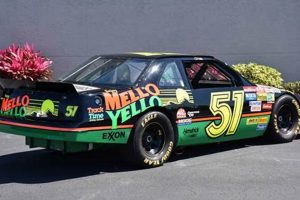
These miniature racing vehicles, produced by Tyco during a specific era, represent a segment of the slot car hobby characterized by its collectibility and nostalgia. Often associated with the 1980s and 1990s, these toys feature a specific design aesthetic and engineering that differentiates them from contemporary slot car offerings. For instance, certain chassis designs or body styles became particularly sought-after due to their performance characteristics or limited production runs.
The appeal of these items lies in several factors: childhood memories, the challenge of restoration and modification, and their place within the broader context of toy and hobby collecting. Their relative affordability compared to some other vintage toys makes them accessible to a wider range of enthusiasts. The products from this era also offer a tangible connection to a period of significant change in toy manufacturing and marketing.
This introduction provides a foundation for exploring key aspects: the history of the Tyco brand and its slot car line, identifying particular models and their distinguishing features, the current market value of select units, and resources available for collectors and restorers. This analysis aims to offer a clear understanding of the value and significance attached to these sought-after playthings.
Collecting and Maintaining Vintage Tyco Slot Cars
The acquisition and upkeep of vintage Tyco slot cars require careful consideration. The following tips provide guidance for both novice and experienced collectors to preserve the value and functionality of these items.
Tip 1: Identify Specific Models. Precise identification is crucial for determining value and sourcing replacement parts. Note specific chassis types (e.g., TycoPro, HP7), body styles (e.g., Porsche 962, Ferrari Testarossa), and production years. Catalogs and online resources can assist with this process.
Tip 2: Assess Condition Accurately. Evaluate the condition of the chassis, motor, body, and tires. Look for cracks, missing parts, or signs of wear. Original packaging, if available, significantly enhances value. Be wary of misrepresented “mint” condition items.
Tip 3: Prioritize Cleaning and Lubrication. Regular cleaning removes dust and debris that can impede performance. Use appropriate lubricants specifically designed for slot car motors and gears. Avoid harsh chemicals that can damage plastic components.
Tip 4: Preserve Original Components. When possible, maintain original parts. Replacement with non-original components can detract from the item’s collectibility. Carefully store removed components for future restoration if necessary.
Tip 5: Seek Expert Advice. Engage with established slot car communities and forums. Experienced collectors can provide valuable insights on repairs, modifications, and valuations. Reputable dealers can offer authentication services.
Tip 6: Storage is Key. Proper storage protects against damage. Store slot cars in a cool, dry place, away from direct sunlight. Use individual cases or containers to prevent scratches and dust accumulation. Consider desiccant packs to minimize humidity.
Tip 7: Exercise Caution During Operation. When operating vintage slot cars, reduce voltage to minimize stress on older motors and electrical components. Avoid prolonged running times that can lead to overheating.
Adhering to these guidelines contributes to preserving the value and operational integrity of these collectibles. Informed acquisition and meticulous maintenance ensures the longevity and enjoyment of these pieces of slot car history.
This provides a foundation for delving into more specific aspects of Tyco slot car history and restoration.
1. Collectibility

The collectibility of tyco slot cars vintage is directly attributable to a confluence of factors rooted in nostalgia, historical significance, and relative scarcity. The original production of these vehicles spanned a period during which slot car racing enjoyed considerable popularity, particularly amongst younger demographics. This initial exposure created lasting emotional connections for many individuals who now seek to recapture those experiences through collecting. A direct consequence of this demand is an increase in market value, particularly for examples in good condition or those representing rare variations. The phenomenon is not unique to this specific toy line; however, the association with a recognizable brand and a clearly defined historical period amplifies the desirability.
Further contributing to the collectibility is the inherent materiality of the objects themselves. These slot cars, constructed primarily of plastic and metal, are subject to degradation over time, limiting the number of surviving examples in optimal condition. This scarcity, coupled with the aforementioned demand, drives a competitive market amongst collectors. Furthermore, the existence of model variations, stemming from design changes, promotional releases, or production errors, creates a complex and nuanced landscape for acquisition. For instance, a specific body style released in limited quantities for a promotional event will command a significantly higher price than a more common production model.
In summation, the collectibility of tyco slot cars vintage transcends mere nostalgia. It is underpinned by tangible factors, including limited availability, historical context, and the existence of desirable variations. Understanding these elements is crucial for both seasoned collectors and those newly entering the hobby, as it informs acquisition strategies, restoration efforts, and overall appreciation for these artifacts of a bygone era. The continued interest in these miniature racing vehicles underscores their lasting cultural significance beyond simple toys.
2. Model Variations

Model variations constitute a critical aspect of understanding and appreciating tyco slot cars vintage. The diversity in models released under the Tyco brand during its production era directly impacts collectibility, value, and the overall historical significance of these miniature racing vehicles. These variations stem from differences in body styles, chassis designs, motor types, and promotional releases.
- Body Style Distinctions
Body style variations encompass a wide array of licensed vehicles, ranging from sports cars (e.g., Porsche 962, Ferrari Testarossa) to stock cars and even fantasy designs. Subtle differences in paint schemes, decals, and window tinting further differentiate individual models. These variations reflect prevailing automotive trends and marketing strategies of the time.
- Chassis and Motor Combinations
Tyco utilized various chassis designs (e.g., TycoPro, HP7) with corresponding motor specifications. These combinations resulted in distinct performance characteristics, impacting speed, handling, and overall racing experience. Certain chassis-motor pairings became highly sought-after due to their perceived competitive advantage.
- Promotional and Limited Editions
To stimulate sales and cater to collectors, Tyco released limited edition models with unique color schemes, specialized packaging, or commemorative markings. These promotional editions are often the rarest and most valuable examples within the tyco slot cars vintage market. Examples include dealer exclusives or models associated with specific racing events.
- Manufacturing Anomalies and Errors
In some instances, manufacturing anomalies or errors created unintentional variations. These might include slight color variations in the plastic, incorrect decal placement, or even the use of mismatched components. While not intentionally produced, these anomalies can add to the uniqueness and collectibility of specific examples.
The interplay of these model variations within the realm of tyco slot cars vintage necessitates a thorough understanding of product catalogs, promotional materials, and collector resources. Identifying specific variations requires careful attention to detail and a comprehensive knowledge of the Tyco product line. The presence and condition of these variations directly influences the valuation and desirability of individual slot cars within the vintage market.
3. Chassis Design

Chassis design is a foundational element determining the performance and collectibility of tyco slot cars vintage. The chassis serves as the structural backbone, influencing handling characteristics, motor compatibility, and overall durability. Tyco employed various chassis designs throughout its production history, each intended to achieve specific performance goals. For example, the TycoPro chassis, characterized by its robust construction and adjustable features, aimed to provide racers with greater control and customization options. The HP7 chassis, conversely, prioritized speed through a lightweight design and efficient motor mounting. The choice of chassis directly impacted the car’s ability to navigate the track and compete effectively.
The significance of chassis design extends beyond mere functionality. Collectors often prize specific chassis types due to their association with particular body styles or production runs. The rarity and desirability of certain tyco slot cars vintage are often linked to the chassis design. For instance, a specific body style mounted on a less common chassis will command a higher premium within the collector market. Furthermore, the chassis design dictates the compatibility with different motor types and aftermarket modifications. An understanding of the various chassis designs allows collectors to accurately identify and evaluate the authenticity and value of these vintage toys. Identifying the correct chassis assists in sourcing correct replacement parts and performing historically accurate restorations.
In summary, the chassis design represents a crucial aspect of tyco slot cars vintage. Its influence on performance, collectibility, and restoration efforts underscores its importance within the hobby. Knowledge of the various chassis types, their characteristics, and their associated models enables enthusiasts to navigate the complexities of the vintage slot car market and appreciate the engineering and design choices that shaped these iconic toys. Recognizing the chassis is paramount to distinguishing common models from the rare and valuable, ensuring accurate valuation and facilitating informed collecting decisions.
4. Motor Types

Motor types are a critical determinant of performance and value within the context of tyco slot cars vintage. The motor provides the motive force, dictating the speed, acceleration, and overall racing capability of the slot car. Different motor designs were employed by Tyco during its production era, each characterized by distinct performance profiles and engineering specifications. Understanding these motor types is essential for collectors, restorers, and enthusiasts seeking to accurately identify, evaluate, and maintain these vintage toys.
- Standard Mabuchi-Type Motors
Many tyco slot cars vintage utilized standard Mabuchi-type motors, characterized by their reliability and affordability. These motors typically featured a three-pole armature and provided adequate performance for recreational racing. While not exceptionally powerful, these motors were durable and readily available, making them a common choice for mass-produced models. Identifying these motors often involves recognizing specific markings or physical characteristics of the motor housing. These motors are generally less valuable than high-performance alternatives.
- High-Performance Armature Motors
For enhanced performance, Tyco offered certain tyco slot cars vintage equipped with high-performance armature motors. These motors often featured a five-pole armature and improved windings, resulting in increased torque and RPM. Cars fitted with these motors typically exhibited superior acceleration and top speed. The TycoPro series, for instance, commonly utilized high-performance armature motors. These motors are highly prized by collectors seeking to maximize the performance of their vintage cars.
- Magnet Composition and Strength
The composition and strength of the magnets within the motor significantly impact performance. Stronger magnets provide increased magnetic flux, resulting in greater torque and braking power. Tyco experimented with different magnet materials and configurations in tyco slot cars vintage. Identifying the magnet type and strength often requires specialized equipment or expertise. Motors with stronger magnets typically command a higher premium.
- Motor Date Codes and Production Marks
Many motors used in tyco slot cars vintage feature date codes or production marks, providing valuable information about the motor’s origin and manufacturing period. These markings can assist in verifying the authenticity of a particular motor and determining whether it is original to the slot car. These markings can also indicate specific production runs or limited edition models. Careful examination of these markings is essential for collectors seeking to accurately authenticate and value their vintage slot cars.
In conclusion, motor types represent a critical aspect of tyco slot cars vintage. The selection of motor directly influences the car’s performance, collectibility, and overall value. Understanding the different motor types, their characteristics, and their associated models enables enthusiasts to appreciate the engineering and design choices that shaped these iconic toys. Distinguishing standard motors from high-performance alternatives ensures accurate valuation and facilitates informed collecting decisions. Furthermore, recognition of date codes and production marks provides valuable insights into the motor’s provenance and authenticity.
5. Body Materials

The body materials used in tyco slot cars vintage profoundly influence their durability, aesthetic appeal, and ultimately, their collectibility. Primarily, polystyrene plastic was employed due to its cost-effectiveness, ease of molding, and ability to accept paint and decals. However, the inherent fragility of polystyrene makes these bodies susceptible to cracking, warping, and discoloration over time. Sunlight exposure and improper storage accelerate this degradation. For instance, a Ferrari Testarossa model stored in direct sunlight for an extended period will likely exhibit significant fading and embrittlement of the plastic body, negatively impacting its value. The choice of polystyrene, while economically advantageous during production, has created challenges for collectors seeking to preserve these vintage items.
The impact of body material extends beyond mere structural integrity. The quality of the plastic influences the fidelity of the molded details and the adhesion of paint and decals. Models with crisp, well-defined details and intact paint schemes are highly sought after. Conversely, examples exhibiting paint chipping, decal peeling, or significant surface imperfections are less desirable. Certain models, particularly those produced in limited quantities or featuring intricate designs, are particularly vulnerable to damage. The inherent limitations of polystyrene as a material necessitate careful handling and storage to minimize degradation and maintain the aesthetic qualities of tyco slot cars vintage.
In conclusion, the body materials, specifically polystyrene plastic, represent a critical factor in the preservation and valuation of tyco slot cars vintage. While offering advantages in terms of cost and moldability, the inherent fragility of the material poses ongoing challenges for collectors. Understanding the degradation processes and implementing appropriate storage and handling techniques are essential for maximizing the longevity and value of these collectible toys. The condition of the body material directly impacts the aesthetic appeal and overall desirability of these miniature racing vehicles, underscoring its significance within the context of vintage toy collecting.
6. Track Compatibility
Track compatibility is a significant consideration for collectors and enthusiasts of tyco slot cars vintage. These miniature vehicles were designed primarily for use on HO-scale slot car tracks, a standard established across various manufacturers. However, subtle variations in track design, power supply, and lane spacing can impact the performance and operability of these vintage cars. Direct compatibility with contemporary track systems is not always guaranteed. For example, older tracks may employ different connector types or voltage requirements than modern systems, necessitating the use of adapters or modifications to ensure proper functionality.
The wheelbase, guide pin depth, and magnetic downforce of tyco slot cars vintage were engineered for specific track geometries. Older Tyco tracks, for example, feature shallower slots than some modern alternatives. This can cause guide pin binding, leading to reduced speed and handling. Furthermore, the magnetic properties of the motors and chassis may not be optimized for contemporary track surfaces, potentially diminishing grip and overall performance. A mismatch between the car’s design and the track’s characteristics results in suboptimal racing performance, potentially requiring modifications to either the car or the track. This understanding is essential for ensuring the proper functioning and enjoyment of these vintage collectibles.
In conclusion, while tyco slot cars vintage are generally designed for HO-scale tracks, subtle variations in track design and power supply can affect their performance. Careful consideration of these factors is crucial for ensuring compatibility and optimizing the racing experience. Adapters, modifications, and adjustments to both the cars and the track may be necessary to achieve seamless integration and reliable operation. A lack of awareness regarding these compatibility issues can lead to frustration and potential damage to these vintage collectibles, highlighting the importance of understanding these nuances.
7. Restoration Challenges

Restoration of tyco slot cars vintage presents a complex set of challenges stemming from material degradation, scarcity of original parts, and the specialized skills required for authentic repairs. The age of these items contributes significantly to their deterioration. Polystyrene plastic, commonly used in the bodies, becomes brittle and prone to cracking. Rubber tires harden and lose their grip. Electrical components corrode, leading to intermittent performance. These factors necessitate meticulous assessment and careful execution during restoration to preserve value and functionality. A cracked body, for example, requires specialized adhesives and techniques to ensure a seamless repair that does not further compromise the material’s integrity.
The limited availability of original replacement parts poses a significant impediment. Certain chassis designs, motor types, and body styles are no longer manufactured, forcing restorers to rely on scavenging parts from other units or seeking out aftermarket alternatives. While aftermarket parts may provide functionality, they often detract from the item’s historical accuracy and collectibility. The sourcing of correct replacement parts requires extensive research, networking with other collectors, and careful examination of part numbers and manufacturing codes. Substituting a non-original motor, for instance, may alter the car’s performance characteristics and diminish its authenticity, particularly for discerning collectors.
Successful restoration demands a combination of technical skills and historical knowledge. Disassembly requires careful handling to avoid further damage. Cleaning requires appropriate solvents and techniques to remove dirt and grime without harming delicate surfaces. Reassembly demands precise alignment and calibration to ensure proper functionality. Authenticity requires a deep understanding of original manufacturing techniques and specifications. Inexperienced restorers risk causing irreparable damage or creating inauthentic restorations that diminish the value of the item. Therefore, a thorough understanding of the restoration challenges associated with tyco slot cars vintage is essential for preserving these miniature artifacts for future generations.
Frequently Asked Questions
This section addresses common inquiries regarding the acquisition, identification, maintenance, and valuation of vintage Tyco slot cars. The information provided aims to assist collectors and enthusiasts in making informed decisions.
Question 1: How can the authenticity of a purportedly “vintage” Tyco slot car be verified?
Authenticity verification involves examining several key features. Check for the Tyco logo and associated markings on the chassis and body. Compare the model to documented product catalogs and online resources. Inspect the motor for date codes and manufacturing stamps. Discrepancies or inconsistencies may indicate a reproduction or modified item. Consult with experienced collectors or dealers for expert opinions.
Question 2: What factors most significantly influence the market value of a vintage Tyco slot car?
Market value is primarily determined by rarity, condition, and originality. Limited-edition models, those in mint condition, and examples with original packaging command higher prices. The presence of original components, such as the motor, tires, and decals, also contributes to value. Condition is evaluated based on the presence of cracks, scratches, or missing parts.
Question 3: What are the recommended methods for cleaning and maintaining vintage Tyco slot car bodies?
Cleaning should be performed with caution. Use a soft cloth and mild soap solution to gently remove dirt and grime. Avoid harsh chemicals or abrasive cleaners, which can damage the plastic and decals. Lubricate moving parts with specialized slot car lubricants. Store the cars in a cool, dry place away from direct sunlight to prevent discoloration and warping.
Question 4: How can replacement parts for vintage Tyco slot cars be sourced?
Replacement parts can be found through various channels, including online marketplaces, slot car hobby shops, and collector communities. Specify the exact model and part number when searching. Consider purchasing donor cars for salvageable components. Be wary of aftermarket parts that may not match the original specifications. Prioritize original Tyco parts whenever possible.
Question 5: Is it advisable to operate vintage Tyco slot cars on modern track systems?
Operating vintage Tyco slot cars on modern track systems requires careful consideration. Ensure that the voltage and polarity of the power supply are compatible. Verify that the track slot depth and lane spacing accommodate the car’s guide pin and wheelbase. Reduce voltage to minimize stress on older motors and electrical components. Monitor the car’s performance and temperature during operation.
Question 6: What are the common pitfalls to avoid when restoring a vintage Tyco slot car?
Common restoration pitfalls include using inappropriate cleaning agents, over-tightening screws, and substituting non-original parts. Document the restoration process with photographs. Research the correct assembly procedures and specifications. Seek expert advice before attempting complex repairs. Prioritize preserving the item’s originality and historical accuracy.
In summary, acquiring, maintaining, and restoring vintage Tyco slot cars requires a combination of knowledge, patience, and careful execution. By understanding the key factors outlined above, collectors can enhance their appreciation and preserve these artifacts of slot car history.
This concludes the FAQs section, which provides a foundation for further exploration into specific models and their historical significance.
tyco slot cars vintage
The preceding exploration has detailed various facets of tyco slot cars vintage, encompassing their history, model variations, chassis designs, motor types, body materials, track compatibility, restoration challenges, and frequently asked questions. Key points include the influence of chassis design on performance, the impact of body material degradation on value, and the importance of authentic restoration techniques. Collectors and enthusiasts must possess a comprehensive understanding of these elements to accurately identify, evaluate, and preserve these artifacts.
Continued research and collaboration within the collecting community are crucial for further documenting the nuances of these miniature racing vehicles. The preservation of tyco slot cars vintage ensures that future generations can appreciate their historical significance and the technological innovations they represent. Diligent preservation efforts safeguard a tangible piece of toy and hobby history, maintaining its relevance for years to come.