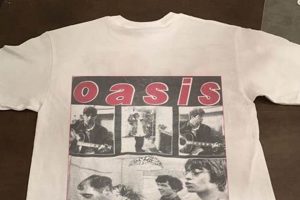
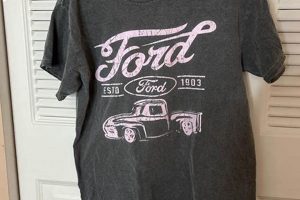
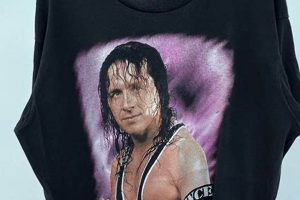
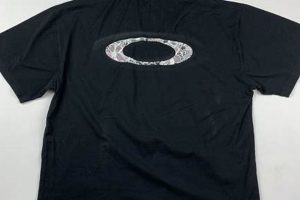
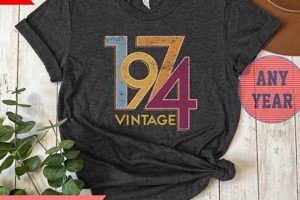
Apparel exhibiting characteristics of age, wear, and intentional imperfection is currently a popular style. These garments often feature faded colors, softened fabrics, and simulated damage to create the aesthetic of well-worn clothing. An example includes a cotton top exhibiting a faded graphic print, minor holes, and a softened texture intended to replicate years of use.
The appeal of this style stems from several factors. It offers a sense of authenticity and individuality, contrasting with mass-produced, pristine items. Furthermore, it provides a comfortable and broken-in feel often associated with cherished possessions. Historically, the trend reflects a broader appreciation for retro aesthetics and sustainable fashion, giving existing materials a renewed lifespan.
Understanding the nuances of this fashion trend requires an examination of its production techniques, market dynamics, and cultural significance. This analysis will delve into the various aspects that contribute to the ongoing demand and evolving expressions within this category of apparel.
Guidance on Identifying Authentic Aged Apparel
The acquisition of apparel designed to replicate the effects of aging necessitates careful examination. Due to variations in manufacturing processes and inherent characteristics of genuine vintage items, prudent assessment is crucial.
Tip 1: Fabric Composition Assessment: Conduct a fiber analysis. Authentic vintage items frequently feature natural fibers, such as cotton or linen. Synthetics, while not entirely absent, are less prevalent in older garments. Evaluate the fiber content label, if present, and assess the textile’s feel and appearance for signs of natural fiber degradation.
Tip 2: Stitching and Seam Inspection: Examine the seam construction. Older garments often display single-needle stitching or overlock seams, indicative of manufacturing techniques predating modern serging equipment. Uneven stitching, while not necessarily a defect, can suggest hand-sewn elements or production limitations common in past eras.
Tip 3: Graphic Print Evaluation: Scrutinize any printed graphics. Vintage screen prints tend to exhibit cracking or fading due to age and wear. Compare the print quality and style with known characteristics of printing methods used during the garment’s purported era. Modern digital prints are generally sharper and lack the texture of aged screen prints.
Tip 4: Distressing Pattern Analysis: Analyze the simulated wear patterns. Artificially distressed garments may exhibit symmetrical or repetitive damage, unlike the random and individualized wear patterns of genuinely aged items. Examine the placement and nature of any holes, tears, or abrasions for authenticity.
Tip 5: Odor and Residue Detection: Assess the item for residual odors. Vintage garments may retain faint odors from storage or previous use. While cleaning can mitigate such odors, their presence can lend credence to the item’s age. Note, however, that overly strong or chemical odors may indicate improper storage or restoration attempts.
Tip 6: Label and Tag Verification: Authenticate the presence of brand label or tag to verify the authenticity of manufacturing the apparel. Label or tag contain valuable information for the apparel.
The careful application of these guidelines enables informed decisions when evaluating apparel that exhibits the characteristics of age and intentional imperfection. Discernment between genuine vintage and contemporary reproductions requires meticulous attention to detail and a working knowledge of textile manufacturing history.
The following sections will explore the impact of textile care and the evolving trends within the fashion industry.
1. Authenticity

In the context of apparel designed to replicate age and wear, “authenticity” serves as a critical attribute, influencing consumer perception and market value. It represents the degree to which a garment convincingly embodies the characteristics associated with genuinely aged or worn items.
- Material Integrity and Fiber Composition
The authenticity of a garment is inherently tied to the material composition. For example, the presence of natural fibers like cotton, linen, or wool, which were more prevalent in historical manufacturing, lends credibility to the item’s purported age. The degradation patterns, such as slight yellowing or fiber weakening, are challenging to replicate convincingly with synthetic materials. The absence of these features can detract from its perceived genuineness.
- Manufacturing Techniques and Construction
The methods used in garment construction further contribute to the assessment of authenticity. Older garments often exhibit single-needle stitching, less refined seam finishes, and unique pattern-making techniques that differ significantly from contemporary mass-production processes. Duplicating these historical methods requires specialized machinery and a deep understanding of vintage garment construction, making truly authentic reproductions relatively scarce and commanding higher prices.
- Wear Patterns and Distressing Methods
The manner in which the artificial distressing is applied is a key determinant of authenticity. Random and asymmetrical patterns of wear, such as fading, small holes, and abrasions strategically located in areas of high stress, are more convincing than symmetrical or uniform distressing. The use of specialized techniques to mimic the effects of sun exposure, repeated washing, and physical wear is essential in achieving a realistic aged appearance.
- Provenance and Historical Accuracy
In some cases, garments gain authenticity through their documented history or association with a particular brand, event, or subculture. This provenance adds a layer of intrinsic value beyond the garment’s physical attributes. A shirt with a verified history, such as a vintage band tee from a specific tour, often commands a premium due to its cultural significance and rarity.
The pursuit of authenticity in apparel designed to mimic age and wear represents a complex interplay of material science, manufacturing techniques, and historical awareness. The successful replication of these elements significantly influences the perceived value and desirability of such items, distinguishing them from mass-produced, superficially distressed garments. Authenticity adds a deeper meaning of nostalgia and history to “vintage distressed t shirts”.
2. Fabric Degradation

Fabric degradation, an inherent element in genuinely aged textiles, plays a crucial role in defining the aesthetic and perceived value of apparel designed to replicate a vintage or distressed appearance. This process, caused by factors such as prolonged exposure to ultraviolet radiation, repeated washing cycles, physical abrasion, and chemical interactions, results in alterations to the fiber structure, colorfastness, and overall integrity of the material. The presence and nature of this degradation contribute significantly to the perceived authenticity and desirability of garments emulating a well-worn look. For example, cotton fibers in an aged shirt may exhibit a softened texture, reduced tensile strength, and a faded coloration, distinguishing it from its pristine, newly manufactured counterpart. This inherent imperfection is often actively sought by consumers valuing garments with a lived-in feel and aesthetic.
Understanding the mechanics of fabric degradation enables manufacturers to intentionally replicate these effects in a controlled manner. Techniques such as enzyme washing, stonewashing, and chemical treatments can accelerate the aging process, producing similar visual and tactile characteristics to those observed in garments that have undergone years of natural wear. However, the effectiveness of these techniques hinges on replicating the randomness and variation inherent in natural degradation processes. Artificially distressed garments that exhibit uniform or overly symmetrical damage patterns often lack the perceived authenticity of items exhibiting genuinely aged characteristics. For example, the strategic application of sandpaper or abrasive materials can create realistic wear patterns along seams and edges, mimicking the effects of prolonged use and friction.
The study of fabric degradation and its replication holds practical significance for both consumers and manufacturers within the vintage and distressed apparel market. For consumers, the ability to discern between genuinely aged and artificially distressed garments enables informed purchasing decisions, ensuring that the item aligns with their aesthetic preferences and perceived value. For manufacturers, a comprehensive understanding of degradation processes facilitates the creation of higher-quality, more convincing replicas, enhancing their competitiveness within this niche market. This constant evaluation is paramount, as demand for sustainable options increase.
3. Print Fading

Print fading is a defining characteristic associated with vintage apparel, significantly influencing the perceived age and authenticity of garments, especially within the context of shirts designed to emulate a worn or distressed aesthetic.
- UV Exposure and Color Degradation
Prolonged exposure to ultraviolet (UV) radiation causes chemical changes within the dyes and pigments used in textile printing, resulting in a gradual loss of color intensity and vibrancy. This phenomenon is particularly pronounced in older garments, where dyes may have been less resistant to UV degradation than contemporary formulations. The resulting faded appearance, often characterized by muted tones and a reduction in color saturation, is a key visual indicator of age and wear.
- Wash Cycles and Dye Leaching
Repeated washing cycles contribute to print fading through mechanical abrasion and the leaching of dyes from the fabric. The friction between the garment and other items in the washing machine, combined with the chemical action of detergents, gradually removes small amounts of dye from the printed surface, leading to a softened and less distinct image. This process is accelerated by the use of harsh detergents or high water temperatures.
- Print Medium and Ink Composition
The type of printing medium and the composition of the ink used significantly impact the rate and pattern of print fading. Screen-printed graphics, for example, may exhibit cracking and flaking over time due to the physical breakdown of the ink film. Similarly, the use of water-based inks, which are generally less durable than solvent-based inks, can result in faster fading and a more pronounced vintage appearance.
- Substrate Interaction and Fiber Type
The interaction between the printing medium and the underlying fabric also plays a role in print fading. Certain fiber types, such as cotton, may absorb dyes more readily than synthetic fibers, resulting in a deeper and more durable print. However, natural fibers are also more susceptible to degradation over time, leading to a greater degree of fading and color loss compared to synthetic fabrics.
The understanding and controlled replication of print fading is essential in the production of credible vintage-style apparel. By employing techniques that mimic the effects of UV exposure, wash cycles, and ink degradation, manufacturers can create garments that convincingly evoke the aesthetic of aged and well-worn items, adding to their market value and perceived authenticity.
4. Distressing Patterns

Distressing patterns constitute a critical element in the design and production of apparel replicating the aesthetic of age and wear. These patterns, intentionally applied, simulate the effects of prolonged use, environmental exposure, and accidental damage, contributing significantly to the garment’s perceived authenticity and value within the market for vintage-inspired clothing. Understanding the types and application of distressing patterns is essential for both manufacturers aiming to create convincing replicas and consumers seeking to differentiate between genuine vintage items and contemporary reproductions.
- Localized Abrasion and Fraying
Localized abrasion, often concentrated along seams, edges, and areas of frequent contact, mimics the wear resulting from repetitive friction. Fraying, characterized by loose threads and unraveling fabric, typically accompanies abrasion. An example includes the deliberate roughening of collar edges or the simulation of pocket wear on denim shirts. The authenticity lies in replicating the uneven and random nature of real-world wear, avoiding symmetrical or overly uniform patterns.
- Intentional Holes and Tears
Strategic placement of holes and tears creates visual indicators of damage and prolonged use. Varying size, shape, and location are paramount to avoid artificiality. Techniques range from small, pinhole-sized perforations to larger, irregular tears. Examples include simulated elbow blowouts in long-sleeved shirts or knee tears in denim pants. The realism depends on integrating these features seamlessly with other distressing elements, such as fading and abrasion.
- Color Fading and Discoloration
Color fading, often achieved through techniques like enzyme washing or stonewashing, replicates the effects of sun exposure and repeated laundering. Discoloration, mimicking stains or uneven fading, adds another layer of visual complexity. Examples include the overall lightening of a garment’s color or the creation of localized variations in tone. The objective is to produce a nuanced, non-uniform color palette suggestive of age and wear.
- Texture Alteration and Fabric Softening
Techniques such as sanding or chemical treatments alter the texture of the fabric, creating a softer, more pliable feel reminiscent of well-worn clothing. This textural change complements visual distressing elements, enhancing the garment’s overall tactile appeal. For example, a shirt might undergo enzyme washing to soften the fibers and create a more comfortable, lived-in feel. The combination of visual and tactile cues contributes to the garment’s perceived authenticity.
The effective application of distressing patterns is crucial for creating credible and desirable shirts with a “vintage” appearance. By carefully considering the types of wear, their placement, and integration with other distressing techniques, manufacturers can produce garments that resonate with consumers seeking the aesthetic of age and authenticity. These patterns must reflect the random nature of wear rather than artificial, perfect symmetry.
5. Market Valuation
Market valuation, in the context of shirts exhibiting age and intentional wear, denotes the monetary worth assigned to these items within the existing marketplace. This valuation is not solely determined by material costs or production expenses but is significantly influenced by factors such as authenticity, rarity, brand recognition, and prevailing fashion trends. The perceived value of these garments can vary considerably, ranging from relatively inexpensive reproductions to high-value collectibles.
- Authenticity and Provenance
The authenticity of a item is a primary driver of its market valuation. Items with verifiable historical origins, original manufacturing details, and documented ownership histories command higher prices. For example, a shirt from a specific concert tour with documented provenance can be worth substantially more than a generic reproduction of the same design.
- Rarity and Scarcity
The limited availability of a particular item directly correlates with its market value. Shirts from limited edition releases, promotional events, or defunct brands often achieve higher prices due to their scarcity. A shirt that was produced in limited quantities or is no longer available through conventional retail channels can acquire significant value among collectors and enthusiasts.
- Brand Recognition and Cultural Significance
Garments associated with well-known brands or significant cultural movements are generally valued higher. Shirts featuring iconic logos, designs, or affiliations with influential musicians, artists, or subcultures possess greater appeal and are subject to increased demand. For instance, vintage shirts bearing the logos of popular bands or featuring artwork associated with specific artistic movements are likely to command premium prices.
- Condition and Wear Patterns
While intentional wear and distressing are inherent characteristics, the overall condition of the item influences its valuation. Shirts exhibiting excessive damage, irreparable defects, or significant alterations may be valued lower than those in better preserved condition. However, specific wear patterns that enhance the garment’s aesthetic appeal or tell a story about its history can positively impact its perceived value.
The market valuation of shirts, therefore, represents a complex interplay of tangible and intangible factors. While material costs and production methods contribute to the base value, the elements of authenticity, rarity, brand recognition, and condition significantly shape the garment’s final market price. Understanding these dynamics is crucial for both buyers and sellers operating within this niche market.
6. Cultural Significance
The cultural significance attributed to apparel exhibiting age and simulated wear transcends mere fashion trends, reflecting deeper societal values and historical contexts. This phenomenon encompasses a range of factors, from nostalgia for past eras to expressions of individuality and social commentary. The appeal of these garments is rooted in their ability to evoke specific cultural moments or represent affiliations with particular subcultures and artistic movements.
- Nostalgia and Historical Connection
Garments designed to replicate age often serve as tangible links to past eras, evoking feelings of nostalgia and a desire to connect with historical moments. For instance, a shirt featuring a faded graphic of a classic rock band transports the wearer to the cultural landscape of that band’s era, fostering a sense of historical connection. This nostalgic appeal contributes to the garment’s perceived value and desirability among consumers seeking to embody a sense of history.
- Subcultural Affiliation and Identity Expression
Apparel has long served as a means of expressing affiliation with specific subcultures and social groups. Items exhibiting characteristics of age can signify membership in or admiration for particular subcultures, such as punk rock, grunge, or vintage fashion communities. A distressed shirt bearing the logo of a cult film or a countercultural movement acts as a visual marker of shared values and identity, fostering a sense of belonging and collective identity.
- Social Commentary and Anti-Consumerism
The embrace of clothing that appears worn or intentionally imperfect can serve as a form of social commentary, rejecting the emphasis on pristine, mass-produced goods and promoting values of sustainability and anti-consumerism. The conscious choice to wear a shirt with visible signs of wear can signal a rejection of consumerist norms and an embrace of a more sustainable and individualistic approach to fashion. This represents a conscious choice for sustainability.
- Artistic Expression and Individuality
Garments designed to replicate age often serve as a canvas for artistic expression and individuality. The intentional distressing, customization, and personalization of clothing allow individuals to express their unique style and creativity. A shirt that has been hand-altered, patched, or otherwise customized becomes a unique work of art, reflecting the wearer’s personality and artistic sensibilities. The uniqueness that can be achieved leads to one-of-a-kind status.
These multifaceted dimensions of cultural significance highlight the complex interplay between fashion, identity, and societal values. Garments created to mimic age transcend mere aesthetic trends, functioning as powerful symbols of nostalgia, subcultural affiliation, social commentary, and artistic expression. Understanding these factors is crucial for appreciating the enduring appeal and cultural relevance of apparel designed to emulate a well-worn and historically resonant aesthetic.
7. Sustainability

Sustainability, within the realm of apparel and specifically regarding garments exhibiting age or simulated wear, encompasses practices that minimize environmental impact, promote ethical production, and extend the lifespan of clothing items. This focus aligns with growing consumer awareness of the fashion industry’s ecological footprint and the demand for more responsible consumption patterns.
- Reduced Resource Consumption
The acquisition of existing apparel, including shirts exhibiting vintage or distressed characteristics, inherently reduces the demand for new production. Manufacturing textiles requires substantial resources, including water, energy, and raw materials. By opting for pre-owned or repurposed items, consumers directly contribute to the conservation of these resources. Each reuse represents a reduction in the environmental burden typically associated with producing new garments.
- Waste Diversion and Landfill Reduction
Diverting textiles from landfills is a critical component of sustainable practices. The textile industry contributes significantly to global waste, with a substantial portion of discarded clothing ending up in landfills where it decomposes, releasing greenhouse gases and potentially contaminating soil and water. The practice of reusing and repurposing apparel exhibiting age effectively reduces this waste stream. Choosing a vintage shirt over a new one prevents textile waste from accelerating.
- Decreased Chemical Dependency
The production of new textiles often involves the use of various chemicals, including dyes, finishing agents, and synthetic fibers derived from fossil fuels. These chemicals can have detrimental environmental impacts, polluting waterways and contributing to air pollution. The consumption of existing apparel minimizes the need for these chemical-intensive processes. This is true for items that haven’t been chemically retreated or had additional modifications that would require chemical usage.
- Promotion of Circular Economy Principles
The embrace of garments exhibiting age or simulated wear aligns with the principles of a circular economy, which emphasizes the reuse, repair, and recycling of materials to minimize waste and maximize resource efficiency. The acquisition and utilization of vintage or distressed shirts contribute to this circular model by extending the lifespan of existing products and reducing the demand for new production. Extending the life cycle of apparel is a key factor in environmental sustainability.
The interconnectedness of these facets underscores the significant role that the “vintage distressed t shirt” market can play in promoting sustainability within the broader fashion industry. As consumer awareness of environmental issues continues to grow, the demand for responsible consumption patterns is likely to increase, further elevating the importance of reusing and repurposing existing apparel.
Frequently Asked Questions
The following section addresses common inquiries and misconceptions surrounding apparel specifically designed to replicate the aesthetic of age, wear, and intentional imperfection. The aim is to provide clarity and informed perspectives regarding this specific category of clothing.
Question 1: How does one distinguish a genuine vintage item from a contemporary reproduction?
Authentic vintage pieces generally exhibit unique characteristics stemming from materials and manufacturing techniques no longer widely employed. Examination of fabric composition, stitching methods, and graphic printing styles can offer valuable insights. Consulting with experienced appraisers or utilizing reputable online resources may further aid in the authentication process.
Question 2: What factors contribute to the market valuation of apparel in this category?
Market valuation is influenced by multiple factors, including authenticity, rarity, brand recognition, and overall condition. Items with verifiable historical origins, limited production runs, or associations with significant cultural movements tend to command higher prices. The presence of desirable wear patterns or unique design elements can also positively impact valuation.
Question 3: What are the primary methods used to artificially distress garments to replicate age and wear?
Common techniques include enzyme washing, stonewashing, sanding, and the strategic application of abrasives. Chemical treatments may also be employed to fade colors or create specific textures. The key to successful distressing lies in replicating the random and uneven patterns of genuine wear, avoiding overly symmetrical or uniform effects.
Question 4: How does the concept of sustainability relate to the consumption of apparel in this category?
Purchasing pre-owned vintage items or apparel designed to mimic age can contribute to sustainability by reducing the demand for newly manufactured goods. This practice minimizes resource consumption, waste generation, and the use of chemical-intensive processes associated with textile production. The reuse of existing garments aligns with the principles of a circular economy.
Question 5: What are some common misconceptions regarding the care and maintenance of apparel exhibiting age or intentional wear?
A frequent misconception is that these garments require no special care. While they may exhibit a worn appearance, proper cleaning and storage are essential to prevent further damage and prolong their lifespan. Gentle washing techniques, avoiding harsh chemicals, and storing items away from direct sunlight are recommended.
Question 6: How has the cultural significance of apparel exhibiting age and distress evolved over time?
Initially associated with practicality and necessity, the aesthetic of wear and distress has evolved into a symbol of individuality, rebellion, and connection to past eras. The embrace of such garments reflects a growing appreciation for authenticity, sustainability, and rejection of mass-produced conformity. The cultural narrative surrounding this category of apparel continues to evolve and adapt to contemporary values.
In summation, the market for apparel replicating age and wear presents unique considerations regarding authenticity, valuation, and cultural meaning. A comprehensive understanding of these factors enables informed decisions and a greater appreciation for this distinctive segment of the fashion industry.
The subsequent section explores the potential future trends and emerging innovations within the market.
Conclusion
This analysis has explored the multi-faceted dimensions of vintage distressed t shirts, from authentication and production techniques to market dynamics and cultural impact. Emphasis has been placed on understanding the value drivers within this category, including material composition, print degradation, distressing patterns, and the influence of brand recognition. Furthermore, the discussion has highlighted the evolving consumer preferences and the role of sustainability in shaping the future of the market.
The information presented serves as a foundational resource for stakeholders, including manufacturers, retailers, and consumers, to navigate the complexities of this specialized apparel segment. Continued engagement with emerging trends, innovations in sustainable practices, and evolving consumer values will be critical for ensuring long-term relevance and success within the market of vintage distressed t shirts.