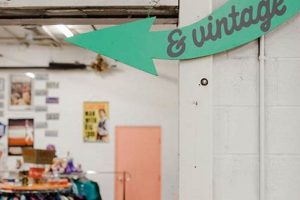
The realm of retail design frequently incorporates elements reminiscent of past eras. This aesthetic, evoking earlier periods of food markets and provisioning centers, features design choices such as retro signage, classic color palettes, and fixture styles suggestive of prior decades. For instance, a contemporary market might use hand-painted signs with typography characteristic of the 1950s, alongside shelving constructed from reclaimed wood to give the impression of age and authenticity.
Incorporating historical design motifs can establish a sense of nostalgia and familiarity, fostering customer loyalty and differentiating a business from its competitors. The use of time-tested design strategies evokes trustworthiness, quality, and a connection to a simpler past, potentially attracting a demographic that values these qualities. Furthermore, this approach can be an effective method of storytelling, communicating a brand’s values and creating a memorable shopping experience.
The following sections will examine specific applications of retro-inspired aesthetics in modern retail environments, outlining how design elements from bygone eras can influence consumer perception, store layout, and product presentation.
Tips for Incorporating a Retro Grocery Aesthetic
Effective implementation of vintage-inspired design requires careful consideration of several factors to ensure authenticity and avoid pastiche. The following guidelines offer strategies for achieving a successful and engaging retro grocery ambiance.
Tip 1: Focus on Authentic Period Details: Research specific eras and incorporate accurate design elements. Avoid generic “retro” looks and prioritize accuracy in typography, color palettes, and architectural details relevant to a particular time period.
Tip 2: Reclaimed and Repurposed Materials: Utilize reclaimed wood, vintage fixtures, and salvaged signage to add genuine character. These elements contribute to the overall authenticity and provide a tangible connection to the past.
Tip 3: Period-Appropriate Product Packaging: Source or recreate product packaging styles from the chosen era. This enhances the overall experience and creates a cohesive visual narrative for the store.
Tip 4: Employ Hand-Painted Signage: Incorporate hand-painted signs for departments, product categories, and promotional messages. This lends a human touch and authenticity that is absent in modern, mass-produced signage.
Tip 5: Vintage-Inspired Lighting: Use appropriate lighting fixtures, such as pendant lights with Edison bulbs or vintage-style neon signs, to create the right ambiance. Lighting significantly impacts the overall mood and enhances the retro feel.
Tip 6: Strategic Use of Color: Select color palettes that are characteristic of the chosen era. Research color trends from the past and apply them thoughtfully throughout the store design.
Tip 7: Consider Fixture Design: Opt for shelving, display cases, and checkout counters that reflect the style of the selected time period. Antique or reproduction fixtures will enhance the authenticity of the store’s ambiance.
Successful integration of vintage elements requires meticulous attention to detail. The goal is to create an immersive and authentic experience that evokes a sense of nostalgia and differentiates the store from its modern counterparts.
The subsequent sections will explore case studies of successful vintage grocery store implementations, demonstrating how these principles have been applied in real-world scenarios.
1. Nostalgic Atmosphere

A deliberate cultivation of nostalgic atmosphere within a retail environment functions as a primary driver of consumer engagement, particularly in the context of “grocery store vintage.” The carefully selected design elements, reminiscent of past eras, trigger emotional responses linked to personal memories and perceived simpler times. This emotional connection translates into enhanced brand affinity and increased dwell time within the store. For example, a market featuring signage and product displays evocative of the 1950s might resonate strongly with individuals who recall that era, fostering a sense of comfort and familiarity that encourages repeat visits and purchases.
The efficacy of this approach relies heavily on the precision and consistency of its execution. A haphazard collection of retro-inspired items lacks coherence and fails to generate a genuinely immersive environment. Instead, a strategic curation of details is required, encompassing everything from architectural features and color palettes to product packaging and staff uniforms. The goal is to transport consumers back to a specific time period, allowing them to experience a sensory recreation of the past. Several upscale grocery chains, for instance, have successfully employed this strategy, utilizing reclaimed materials, vintage advertising posters, and period-correct music to cultivate a distinctive and compelling atmosphere. These establishments often report higher customer satisfaction scores and increased sales figures, directly attributable to the positive impact of their nostalgic ambiance.
In summary, the nostalgic atmosphere serves as a crucial element in the broader concept of “grocery store vintage.” The ability to evoke emotional connections through design choices provides a distinct competitive advantage, fostering customer loyalty and driving business growth. However, the success of this approach hinges on a commitment to authenticity and a meticulous attention to detail, ensuring a cohesive and immersive experience that resonates with the target demographic.
2. Authentic Design

Authentic design represents a critical component of successful “grocery store vintage” implementation. Deviation from genuine historical representation undermines the intended effect, resulting in a pastiche rather than a faithful recreation. Authenticity, in this context, necessitates a meticulous approach to detail and a thorough understanding of the specific era being evoked.
- Architectural Accuracy
The structural elements and overall layout must reflect the typical design of grocery stores from the selected period. This includes features such as exposed brick walls (common in early 20th-century markets), high ceilings, and specific flooring types like linoleum or hardwood. Inaccurate architectural choices detract from the overall authenticity, weakening the intended nostalgic appeal. For example, a modern-style drop ceiling clashes severely with a purported 1930s theme.
- Fixture and Furnishing Precision
The selection of display cases, shelving units, and checkout counters must align with the historical period being represented. Using contemporary fixtures within a vintage-themed environment creates a jarring incongruity. Period-appropriate fixtures could include refrigerated cases with manual controls, wooden produce bins, and cash registers from the designated era. The sourcing of original vintage fixtures or high-quality reproductions is crucial for maintaining authenticity.
- Signage and Typography Consistency
The font styles, color palettes, and materials used for signage must accurately reflect the typographic trends of the chosen period. The use of modern fonts or graphic design techniques undermines the historical integrity of the store. Examples include hand-painted signs with period-appropriate fonts and the exclusion of contemporary branding elements. Researching and replicating signage from authentic vintage grocery stores is paramount.
- Product Packaging and Presentation
Authentic design extends to the products stocked and their presentation. Displaying modern products in contemporary packaging within a vintage-themed store compromises the overall effect. Sourcing or recreating vintage-style product packaging can enhance the experience and reinforce the sense of stepping back in time. This may involve partnering with manufacturers or creating custom labels that mimic historical designs. A deliberate effort to curate period-accurate products adds significant value to the store’s overall authenticity.
The successful integration of these facets of authentic design is essential for realizing the full potential of “grocery store vintage.” A coherent and historically accurate design not only enhances the shopping experience but also cultivates a strong sense of brand identity and customer loyalty. The adherence to authenticity reinforces the intended emotional connection and differentiates the store from competitors that merely incorporate superficial retro elements.
3. Retro Branding

Retro branding, within the context of “grocery store vintage,” represents a deliberate strategy to evoke nostalgia and connect with consumers through design elements reminiscent of past eras. Its successful application requires more than superficial imitation; it demands a comprehensive understanding of historical context and consumer psychology.
- Logo and Visual Identity
The logo and visual identity form the cornerstone of retro branding. Effective designs often incorporate vintage typography, color palettes, and imagery that were prevalent during a specific historical period. Examples include using script fonts characteristic of the 1950s or adopting the muted color schemes common in early 20th-century advertising. These visual cues create an immediate association with the past, triggering emotional responses and establishing a sense of familiarity with the brand.
- Packaging Design
The design of product packaging plays a crucial role in reinforcing the retro brand identity. Replicating or adapting packaging styles from bygone eras can significantly enhance the consumer experience. This may involve using glass bottles instead of plastic, employing paper labels with vintage fonts, or incorporating illustrations that evoke a specific time period. The tactile and visual elements of retro packaging contribute to a more immersive and authentic brand experience.
- Advertising Campaigns
Retro branding extends to advertising campaigns, which should reflect the stylistic conventions of the chosen era. This includes using vintage-inspired imagery, slogans, and advertising formats. For instance, a grocery store employing retro branding might create advertisements that mimic the style of print ads from the 1960s, complete with period-appropriate language and illustrations. These advertising campaigns serve to reinforce the brand’s commitment to a specific historical aesthetic and further engage consumers with the retro theme.
- In-Store Experience
The in-store experience should align seamlessly with the retro branding strategy. This encompasses everything from the store’s layout and decor to the music played and the staff’s attire. Elements such as vintage-style shelving, signage, and lighting fixtures can contribute to a more immersive and authentic shopping environment. Even the selection of products stocked can reflect the retro theme, with a focus on brands and items that were popular during the chosen historical period.
By integrating these facets of retro branding, “grocery store vintage” establishments can create a cohesive and compelling brand identity that resonates with consumers on an emotional level. The careful consideration of visual identity, packaging, advertising, and in-store experience is essential for achieving a truly authentic and engaging retro brand experience.
4. Historical Accuracy
The concept of “grocery store vintage” hinges critically on historical accuracy to achieve its desired effect: an immersive and authentic experience for consumers. A direct correlation exists between the level of historical fidelity and the success of the design in evoking nostalgia and fostering brand connection. When executed correctly, historical accuracy transports customers to a specific period, creating a sense of discovery and emotional resonance. Conversely, inaccuracies disrupt the illusion, undermining the store’s credibility and weakening the intended effect. Consider, for example, the strategic use of period-correct product packaging. Employing labels and containers that genuinely reflect the designs of a specific era significantly enhances the authenticity of the retail environment. Stores that meticulously research and replicate these details are more likely to resonate with customers seeking a genuine vintage experience.
The importance of historical accuracy extends beyond mere aesthetic considerations; it is also a critical factor in shaping consumer perception and building brand trust. A store that demonstrates a commitment to historical fidelity signals a dedication to quality and authenticity, differentiating itself from competitors that offer only superficial interpretations of vintage design. This commitment is particularly important in appealing to demographics that value historical preservation and authentic experiences. Museums and historical sites, for instance, understand the significance of accurate representation in educating and engaging visitors. Applying this principle to retail design offers a powerful tool for creating memorable and impactful shopping experiences. The use of authentic materials, period-correct signage, and historical architectural details can contribute to a richer, more immersive environment that reinforces the brand’s identity and fosters customer loyalty.
In conclusion, historical accuracy serves as a cornerstone of effective “grocery store vintage” design. It is not merely a superficial aesthetic choice but a fundamental element that determines the authenticity and effectiveness of the retail environment. While the challenges of researching and replicating historical details may be significant, the potential rewardsincreased customer engagement, enhanced brand perception, and a unique competitive advantagemake this commitment essential for any store seeking to successfully implement a vintage-inspired design.
5. Enhanced Experience
The implementation of “grocery store vintage” design principles directly aims to cultivate an enhanced shopping experience. This enhancement transcends mere aesthetic appeal, focusing instead on creating a multi-sensory environment that engages customers and fosters a sense of nostalgia and discovery. The deliberate use of retro design elements, from vintage signage to period-appropriate product displays, is intended to evoke memories and create a more immersive and engaging retail environment compared to conventional, contemporary grocery stores. This approach, when executed effectively, transforms a routine shopping trip into a memorable event, influencing customer perception and fostering brand loyalty. For example, a modern grocery store incorporating a 1950s diner-style lunch counter, complete with period-correct decor and menu items, offers a unique and engaging experience that differentiates it from its competitors.
The pursuit of an enhanced experience through “grocery store vintage” requires a meticulous approach to design and execution. It is not sufficient to simply incorporate a few retro elements; instead, a cohesive and immersive environment must be created. This entails careful consideration of all aspects of the store’s design, including lighting, music, product selection, and staff uniforms. A successful implementation necessitates a deep understanding of the historical period being represented and a commitment to authenticity. One example of this is a grocery store chain in Brooklyn, NY, that restored a historic building and incorporated period-appropriate design elements, including reclaimed wood flooring, vintage lighting fixtures, and antique grocery scales. This attention to detail contributed to a highly immersive and engaging shopping experience, attracting both local residents and tourists.
In summary, the enhanced experience serves as a central component of the “grocery store vintage” design philosophy. Through the strategic use of retro design elements, retailers can create a more engaging and memorable shopping environment that resonates with customers on an emotional level. This approach, however, demands a commitment to authenticity and a meticulous attention to detail. When executed effectively, “grocery store vintage” offers a powerful tool for differentiating a store, fostering brand loyalty, and transforming a routine shopping trip into a unique and enjoyable experience.
Frequently Asked Questions
This section addresses common inquiries regarding the design principles and implementation of “grocery store vintage,” providing factual and objective answers.
Question 1: What constitutes “grocery store vintage” design?
“Grocery store vintage” design refers to the incorporation of aesthetic elements and design principles reminiscent of past eras in the layout, decor, and branding of grocery stores. This approach aims to evoke nostalgia and create a unique shopping experience.
Question 2: Why is historical accuracy important in “grocery store vintage” design?
Historical accuracy is crucial for achieving an authentic and immersive experience. Inaccuracies can disrupt the intended effect and undermine the store’s credibility. A commitment to historical fidelity demonstrates attention to detail and enhances the overall appeal.
Question 3: How does retro branding contribute to “grocery store vintage?”
Retro branding utilizes vintage-inspired logos, packaging, and advertising to create a cohesive and nostalgic brand identity. This approach aims to connect with consumers on an emotional level and differentiate the store from its competitors.
Question 4: What are some common design elements used in “grocery store vintage?”
Common design elements include reclaimed wood, vintage signage, period-correct lighting fixtures, and antique grocery scales. These elements contribute to a tangible connection with the past and enhance the overall aesthetic.
Question 5: How does “grocery store vintage” enhance the shopping experience?
“Grocery store vintage” aims to create a multi-sensory environment that engages customers and fosters a sense of nostalgia and discovery. This approach can transform a routine shopping trip into a memorable experience.
Question 6: What are the potential benefits of implementing “grocery store vintage” design?
Potential benefits include increased customer engagement, enhanced brand perception, improved customer loyalty, and a unique competitive advantage. A well-executed “grocery store vintage” design can attract a specific demographic and create a memorable shopping experience.
Understanding the core principles of “grocery store vintage” design is essential for successful implementation. Attention to detail and a commitment to authenticity are key to creating a truly engaging and memorable retail environment.
The subsequent sections will explore case studies of grocery stores that have successfully implemented vintage design principles, illustrating the practical application of these concepts.
Conclusion
The preceding analysis has established “grocery store vintage” as a multifaceted design strategy encompassing historical accuracy, retro branding, and the creation of enhanced customer experiences. Successful implementation demands a rigorous commitment to authenticity and a nuanced understanding of consumer psychology. The potential benefits, including increased brand loyalty and a differentiated market position, warrant careful consideration for retailers seeking a competitive edge.
As consumer demand for unique and engaging retail experiences continues to grow, the principles of “grocery store vintage” offer a viable and potentially profitable avenue for differentiation. Further research and strategic application are essential to maximize its effectiveness in the evolving retail landscape. It remains crucial to understand design and historical points in business.