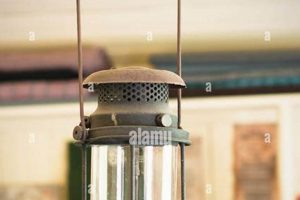
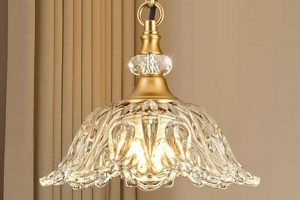
These distinctive lamps, characterized by an emerald green or occasionally amber glass shade and a brass or metal base, are a design element synonymous with early 20th-century financial institutions and legal offices. Their adjustable shades and focused light were specifically designed to minimize glare and provide optimal illumination for detailed paperwork. A common example features a rectangular green cased-glass shade mounted on a pivoting arm affixed to a weighted brass base.
The enduring appeal stems from its association with a bygone era of professionalism, stability, and intellectual pursuit. Beyond its aesthetic value, the design provided a practical solution for focused task lighting, reducing eye strain for individuals engaged in prolonged reading or writing. The widespread adoption in libraries, banks, and private studies solidified its position as a symbol of knowledge and financial acumen, contributing to its collectibility and continued desirability as a functional and decorative object.
Understanding the historical significance and design elements provides a valuable foundation for exploring the various styles, manufacturers, and restoration techniques associated with these classic luminaires. Further investigation into their provenance, materials, and the evolution of their design highlights their significance in the history of lighting and decorative arts.
Valuable Considerations
The selection, maintenance, and placement of these iconic fixtures necessitate careful consideration to ensure optimal performance and preserve their inherent aesthetic value.
Tip 1: Authenticity Verification: Examine the lamp for manufacturer markings or labels, which provide crucial clues to its origin and period. Consult with antique lighting experts to assess its originality and potential value.
Tip 2: Shade Inspection: Carefully inspect the glass shade for chips, cracks, or discoloration. Minor imperfections may be acceptable, but significant damage can detract from the lamp’s overall appeal and functionality. Replacement shades should be sourced from reputable suppliers specializing in vintage lighting components.
Tip 3: Electrical Safety: Prioritize safety by having the electrical wiring thoroughly inspected by a qualified electrician. Rewiring may be necessary to ensure compliance with current safety standards and prevent electrical hazards.
Tip 4: Base Stability: Ensure the base provides adequate stability to prevent accidental tipping. The weight distribution should be even, and the base should rest firmly on the surface. Consider adding protective felt pads to the base to prevent scratches on furniture.
Tip 5: Light Bulb Selection: Choose appropriate light bulbs that complement the lamp’s design and intended use. Lower wattage incandescent bulbs or LED equivalents are recommended to minimize heat generation and prolong the lifespan of the shade. Avoid excessively bright bulbs that can cause glare or damage the glass.
Tip 6: Strategic Placement: Position the fixture in a location that maximizes its functional benefits while enhancing the overall aesthetic of the space. Consider using it as a task light on a desk, a reading lamp on a side table, or an accent light on a bookshelf.
Proper attention to authenticity, safety, and maintenance ensures longevity and continued enjoyment of this classic lighting fixture, maintaining its value both functionally and aesthetically.
These considerations provide a strong foundation for appreciating the historical, practical, and aesthetic qualities that make these fixtures a timeless addition to any environment.
1. Design Aesthetics

The design aesthetics of these lamps are central to their enduring appeal and recognizability, shaping not only their visual character but also their perceived value and historical significance. Several key facets contribute to their distinct aesthetic profile.
- Shade Color and Form
The emerald green glass shade, frequently cased or flashed, is a defining characteristic. Its rectangular or slightly curved form effectively diffuses light downwards while minimizing glare. Amber, white, and other colored shades also exist, contributing to the overall diversity and collectible appeal. The specific hue and translucency of the glass impact the quality and direction of the emitted light.
- Base Material and Finish
Brass, bronze, and iron are commonly employed for the lamp’s base, often finished with polished, antique, or patinated surfaces. The material choice and finish impart a sense of quality and permanence, aligning with the lamp’s association with financial institutions. The design of the base, whether simple and functional or ornate with decorative elements, also influences the overall aesthetic impression.
- Hardware and Detailing
The presence of adjustable arms, pivoting shades, and weighted bases contributes to both the functionality and aesthetic appeal. Details such as thumb screws, ball joints, and embossed logos add to the lamp’s character and provide clues to its age and manufacturer. The quality and craftsmanship of these components enhance the perceived value and authenticity.
- Overall Proportions and Balance
The relationship between the shade size, base height, and overall proportions contributes to the lamp’s visual harmony. A well-balanced design ensures stability and contributes to its aesthetic appeal. Variations in proportions, such as taller or shorter bases, can distinguish different styles and eras.
These aesthetic elements combine to create a distinctive visual identity. The combination of the green glass shade, brass base, and functional hardware conveys a sense of tradition, stability, and understated elegance, cementing its position as a design classic. The specific combination of these facets largely influences the lamp’s desirability and value in the vintage market.
2. Functionality

The inherent utility of these lamps is paramount to their historical success and continued appeal. Their design facilitates focused illumination, minimizing glare and eye strain, features critical in environments requiring meticulous attention to detail. The adjustable shade angles light precisely where needed, proving invaluable for tasks such as reading financial documents or legal texts. The heavy base ensures stability, preventing accidental tipping and maintaining a consistent light source. Real-world examples include their use in banking halls, law offices, and libraries, where prolonged concentration and precise vision were essential.
Beyond basic illumination, the construction materials contribute to the lamp’s function. The glass shade diffuses light evenly, reducing harsh shadows and providing a more comfortable working environment. The solid base and durable hardware ensured longevity, decreasing the need for frequent replacements. The ability to easily replace the bulb and adjust the shade made it adaptable to a variety of tasks. Consequently, the lamp’s functional design became a hallmark of professional settings where efficiency and clarity were highly valued.
In summation, functionality serves as a defining characteristic. The interplay between adjustable features, focused light, and robust construction created a practical lighting solution. This functional foundation, beyond aesthetics, established its presence in environments prioritizing detail and accuracy. Comprehending the functional elements, along with its cultural value, contributes to a holistic understanding of this iconic design piece.
3. Historical Context

The historical context is fundamental to understanding and appreciating the cultural significance and enduring appeal of vintage bankers lights. Its association with specific periods and institutions contributes significantly to its value and collectibility.
- Emergence in the Early 20th Century
The design gained prominence during the late 19th and early 20th centuries, coinciding with the rise of modern banking, law, and library systems. The need for focused task lighting in these environments spurred the development and adoption of this specific style. Its association with these established institutions imparted a sense of professionalism and reliability.
- The Influence of the Emeralite Brand
H.G. McFaddin & Co.’s Emeralite lamps, patented in 1909, became synonymous with the design, setting a standard for quality and aesthetics. The widespread popularity of Emeralite lamps cemented the design’s association with the era and contributed to its iconic status. Original Emeralite lamps are highly sought after by collectors.
- Association with Professional Environments
The ubiquitous presence in banks, law offices, and libraries solidified its position as a symbol of knowledge, financial stability, and professional rigor. This association transcended mere functionality, turning the lamp into a visual representation of institutional authority and competence. Its presence in period films and literature further reinforces this symbolic link.
- Design Evolution and Adaptations
While the core design remained consistent, variations emerged in materials, finishes, and decorative elements. These adaptations reflect evolving design trends and manufacturing techniques of the period. Examining these variations provides insights into the lamp’s history and its response to changing consumer preferences.
In conclusion, the historical context imbues the vintage bankers light with meaning beyond its functional purpose. Its connection to specific eras, institutions, and cultural values enhances its desirability as a collectible object and a symbol of a bygone era of professionalism and intellectual pursuit. Understanding this historical backdrop is essential for appreciating the lamp’s multifaceted significance.
4. Material Composition

The material components fundamentally define the durability, aesthetic qualities, and historical authenticity of vintage bankers lights. Examination of these materials is crucial for evaluating a lamp’s condition, originality, and potential value.
- Glass Shade Composition
The shade’s glass, commonly cased or flashed green glass, plays a central role. Cased glass consists of multiple layers, with the colored layer fused to a clear glass base. Flashed glass has a thin colored layer applied to the surface. The type and quality of glass influence light diffusion, color vibrancy, and susceptibility to damage. Original shades exhibit specific characteristics related to the manufacturing techniques of the time, such as subtle imperfections or variations in color consistency. Replacement shades, particularly those made of modern glass, often lack these characteristics, impacting the lamp’s overall authenticity.
- Base Metal Alloys
Brass, bronze, and iron are the primary metals used in the base construction. Brass, an alloy of copper and zinc, is commonly found in higher-quality examples due to its corrosion resistance and aesthetic appeal. Bronze, an alloy of copper and tin, offers increased durability. Iron, while less expensive, is more prone to rust. The specific alloy composition impacts the base’s weight, strength, and finish. Assessing the metal composition can aid in dating the lamp and identifying its manufacturer, as certain manufacturers favored specific alloys.
- Wiring and Electrical Components
Original wiring typically consists of cloth-covered wires and early forms of electrical insulation. The condition of these components is a critical safety concern. Deteriorated insulation poses a fire hazard and requires professional replacement. The type of wiring used can provide clues to the lamp’s age and original wiring standards. While replacing original wiring is often necessary for safety reasons, preserving original sockets and switches, when possible, maintains historical accuracy.
- Hardware and Fasteners
Small components such as screws, bolts, and thumb screws are crucial for assembly and adjustment. The material and finish of these components contribute to the lamp’s overall appearance and functionality. Brass screws and thumb screws are commonly found in higher-quality examples. Replacement hardware, if not carefully selected, can detract from the lamp’s aesthetic and authenticity. The presence of original, matching hardware is a positive indicator of originality and careful maintenance.
The interplay of these materials directly impacts the lamp’s longevity, appearance, and value. Diligent evaluation of these components provides insight into the craftsmanship, historical period, and overall condition, thereby enhancing the ability to properly assess and appreciate its significance.
5. Rarity & Value

The value of these lighting fixtures is intrinsically linked to their scarcity, with less common models and variations commanding higher prices within the collectors’ market. Scarcity can arise from limited production runs, unique design features, or specific historical associations. For example, a model manufactured for a brief period due to wartime material restrictions would inherently be more valuable than a mass-produced variant. The interplay of supply and demand dictates that the fewer examples available, the greater the potential financial return for owners. Understanding the elements that contribute to a lamp’s rarity is, therefore, critical for assessing its investment potential and historical importance.
Variations in shade color, base material, and manufacturer markings significantly impact value. Lamps with uncommon amber or blue shades, as opposed to the standard green, are often more prized. Models produced by renowned manufacturers like Emeralite, particularly those with intact original labels and documentation, also realize higher prices at auction. The condition of the fixture further influences value, with well-preserved or expertly restored examples commanding premiums. The presence of original components, such as wiring and switches, can also enhance the overall worth. Knowledge of these specific attributes is essential for both buyers and sellers to accurately appraise and transact these artifacts. Consider, for instance, an Emeralite desk lamp with a unique Art Deco base discovered in an estate sale fetching thousands of dollars due to its documented provenance and limited production numbers.
In summary, the relationship between scarcity and monetary worth is a defining aspect of these vintage fixtures. Recognizing the factors that contribute to a lamp’s rarity, from production numbers to design anomalies, is crucial for determining its market value. This understanding is particularly important for collectors and investors seeking to acquire or trade these historical artifacts. However, challenges arise from counterfeit reproductions and misidentified models, making expert consultation vital for informed decision-making. Ultimately, the long-term value rests on the continued appreciation of their historical and aesthetic qualities within the broader context of design history.
6. Restoration Techniques
The careful restoration of these antique lamps is crucial for preserving their historical integrity, functionality, and aesthetic value. Effective restoration requires a thorough understanding of the lamp’s original construction, materials, and period-appropriate techniques.
- Shade Repair and Replacement
Cracked or chipped glass shades can be professionally repaired using specialized adhesives and techniques designed to minimize visual impact. In cases of irreparable damage, sourcing a period-correct replacement shade is essential. Replicas should be carefully evaluated for accuracy in color, thickness, and curvature to maintain the lamp’s original appearance. Altering the shade with modern materials diminishes historical authenticity.
- Metal Refinishing and Conservation
Tarnished or corroded metal components, such as the base and arm, require careful cleaning and refinishing. Gentle polishing with appropriate metal cleaners can remove surface oxidation without damaging the underlying finish. Heavily corroded areas may necessitate professional stripping and re-plating, using historically accurate finishes like brass or bronze. Improper refinishing can destroy original patinas and reduce value.
- Electrical Rewiring and Safety Upgrades
Original wiring in vintage lamps is often deteriorated and poses a safety hazard. Replacing old wiring with modern, code-compliant wiring is a critical step in restoration. Maintaining the original socket and switch, if in good condition, preserves historical accuracy. Incorporating a ground wire enhances safety. Improper electrical work can result in fire or electric shock.
- Hardware and Fastener Replacement
Missing or damaged hardware, such as screws, nuts, and knobs, should be replaced with period-appropriate components. Sourcing original hardware or high-quality reproductions is preferable to using modern replacements. Matching the finish and style of the original hardware maintains aesthetic consistency. Incorrect hardware detracts from the overall authenticity.
These restoration techniques, when applied correctly, ensure that vintage bankers lights continue to function safely and retain their historical and aesthetic significance. Balancing preservation of original materials with necessary repairs is key to a successful restoration, respecting the lamp’s history while ensuring its continued utility. Consequently, expert consultation from professionals experienced in antique lighting is highly recommended.
7. Electrical Safety

Vintage bankers lights, while aesthetically appealing and historically significant, often present electrical safety concerns due to their age and original wiring. The degradation of insulation over time poses a significant risk of electrical shock or fire. Original wiring may lack essential safety features, such as grounding, that are now standard in modern electrical systems. Furthermore, early forms of asbestos were sometimes used in the original wiring, presenting a health hazard if disturbed. A lack of proper maintenance or inspection exacerbates these risks, making the safe operation of these lamps a critical concern for owners. These potential hazards underscore the necessity of thorough assessment and, if required, proper restoration by experienced electricians.
The practical implications of these safety considerations are far-reaching. Ignoring the electrical integrity of a vintage bankers light can lead to severe consequences, ranging from minor shocks to devastating electrical fires. Older wiring is often unable to handle the increased electrical loads of modern light bulbs, leading to overheating and potential ignition of surrounding materials. A real-life example includes instances where improperly maintained antique lamps have caused house fires due to short circuits in the deteriorated wiring. The restoration process should include a complete replacement of old wiring with modern, code-compliant materials, along with the installation of a grounding system to protect users from electrical hazards. Additionally, checking and replacing any damaged or non-functioning components, such as sockets and switches, is vital for ensuring safe operation.
In conclusion, electrical safety is an indispensable component of owning and operating a vintage bankers light. The inherent risks associated with outdated wiring and materials necessitate diligent inspection, restoration, and adherence to current safety standards. By prioritizing electrical safety, owners can safeguard against potential hazards, preserve the historical value of their lamps, and ensure their continued use for generations to come. Neglecting these vital safety considerations not only endangers lives and property but also undermines the legacy and potential of these iconic lighting fixtures.
Frequently Asked Questions
The following addresses common inquiries and misconceptions concerning these iconic fixtures, providing guidance for collectors, enthusiasts, and those seeking to integrate such pieces into contemporary settings.
Question 1: How does one determine the authenticity of a vintage bankers light?
Authenticity verification involves meticulous examination of several key elements. Original manufacturer markings or labels, typically found on the base or shade, provide valuable clues. The type of glass used in the shade, often cased or flashed green glass, should be inspected for specific characteristics indicative of the period. The materials and construction techniques employed in the base and hardware should also align with historical manufacturing practices. Consulting with antique lighting experts or appraisers is advisable for complex or ambiguous cases.
Question 2: What are the primary electrical safety concerns associated with vintage bankers lights?
Deteriorated wiring, lacking essential safety features like grounding, constitutes the primary electrical hazard. Over time, the insulation on original wiring can become brittle and crack, increasing the risk of electrical shock or fire. Replacing original wiring with modern, code-compliant wiring is essential for safe operation. Additionally, inspecting the socket and switch for damage or wear and replacing them as necessary is crucial.
Question 3: How should one properly clean and maintain a vintage bankers light?
Cleaning procedures should be tailored to the specific materials used in the lamp’s construction. Gently wiping the glass shade with a soft, damp cloth is generally sufficient for removing dust and grime. Metal components can be cleaned with appropriate metal cleaners, avoiding abrasive substances that could damage the finish. Regular inspections for loose connections or signs of wear are recommended. Professional cleaning may be necessary for heavily tarnished or corroded components.
Question 4: Can replacement shades for vintage bankers lights be readily sourced?
Sourcing replacement shades can be challenging, as accurate reproductions or original shades in good condition are not always readily available. Specialty antique lighting suppliers and online marketplaces are potential sources. When selecting a replacement shade, meticulous attention should be paid to matching the original shade’s color, shape, dimensions, and glass type. A poorly matched replacement can detract significantly from the lamp’s aesthetic and value.
Question 5: What factors contribute to the value of a vintage bankers light?
Several factors influence the value. Rarity, condition, manufacturer, and historical provenance are all significant determinants. Lamps with uncommon shade colors, unique base designs, or documented historical associations typically command higher prices. Well-preserved or expertly restored examples are also more valuable. The presence of original components, such as wiring, switches, and hardware, can further enhance the value.
Question 6: Is it advisable to attempt restoration of a vintage bankers light oneself?
Attempting restoration without proper knowledge and expertise is generally discouraged. Electrical repairs should always be performed by a qualified electrician to ensure safety and compliance with electrical codes. Restoring metal finishes or repairing damaged shades requires specialized techniques and materials. Improper restoration can damage the lamp and diminish its value. Consulting with experienced antique lighting restorers is recommended for complex repairs or refinishing.
In summary, the long-term value and functionality of these fixtures hinges upon understanding of their construction, diligent maintenance, and informed restoration practices. Seeking professional guidance is often advisable to ensure preservation and prevent unintended damage.
The following discussion will center on integrating this object with contemporary styles.
Vintage Bankers Light
The preceding analysis has explored the historical context, design aesthetics, functionality, material composition, rarity, restoration techniques, and electrical safety considerations surrounding vintage bankers light. These lamps, initially designed for professional settings, represent a confluence of practicality and visual appeal, having maintained a significant presence in design history due to their unique aesthetic, functional purpose, and symbolic association with knowledge and financial acumen.
As interest in vintage design continues to grow, the enduring legacy of vintage bankers light presents opportunities for both collectors and individuals seeking to integrate elements of historical design into contemporary spaces. A comprehensive understanding of authenticity markers, restoration best practices, and inherent safety considerations is essential to ensure the preservation and enjoyment of these iconic luminaires for future generations. Continued research and informed decision-making are critical for maintaining the value and appreciating the historical significance of each individual example.