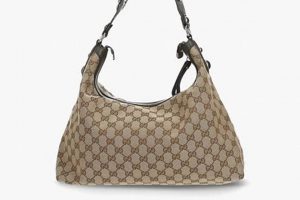
An antique cosmetic holder, typically crafted from materials like leather, vinyl, or fabric, represents a bygone era’s aesthetic. These articles often display features such as ornate clasps, distinctive linings, and unique patterns characteristic of their period of origin. For example, a 1950s train case used for storing cosmetics, or a beaded pouch from the 1920s designed to carry rouge and powder, exemplify such items.
The significance of these containers extends beyond mere utility. They offer a tangible connection to past generations, providing insight into the beauty rituals and design sensibilities of different times. Their value stems from their potential to evoke nostalgia, their rarity, and the craftsmanship they often exhibit. Moreover, they can serve as historical artifacts, illustrating changes in fashion, materials, and manufacturing techniques.
This article will delve into the various styles, materials, and eras represented by these antique cosmetic accessories, exploring their collectibility, preservation, and potential for reuse in contemporary contexts. Subsequent sections will address identification techniques, care recommendations, and resources for further research.
Preservation and Utilization Tips
The following guidelines aim to assist in the proper maintenance and potential repurposing of antique cosmetic receptacles, ensuring their longevity and continued functionality.
Tip 1: Assessment of Condition: Before undertaking any cleaning or restoration, a thorough evaluation of the item’s structural integrity is crucial. Note any tears, stains, or weakened seams. Photographic documentation is recommended to record the initial state.
Tip 2: Gentle Cleaning Protocols: Avoid harsh chemicals. Opt for mild, pH-neutral detergents diluted in lukewarm water. Test the solution on an inconspicuous area first to ensure colorfastness. Use a soft cloth or brush for application, avoiding excessive scrubbing.
Tip 3: Appropriate Storage Solutions: Store these items in a climate-controlled environment, away from direct sunlight and excessive humidity. Acid-free tissue paper can be used to pad and support the interior, preventing deformation.
Tip 4: Repairing Minor Damage: Loose seams can be carefully restitched with archival-quality thread that matches the original color. Replacement clasps or hardware should be sourced from reputable antique suppliers to maintain authenticity.
Tip 5: Repurposing Strategies: Consider adapting an antique cosmetic accessory into a decorative display piece, a jewelry organizer, or a storage container for small craft supplies. Ensure that any modifications are reversible, preserving the item’s original integrity.
Tip 6: Protection from Pests: Regularly inspect the item for signs of insect infestation. If detected, consult a professional conservator for appropriate treatment options.
Tip 7: Professional Conservation: For significant damage or concerns about proper handling, seek the expertise of a qualified conservator specializing in textiles or leather, depending on the material.
By adhering to these guidelines, one can effectively preserve the integrity and historical value while exploring creative and functional uses for these antique cosmetic containers.
The subsequent sections will address specific case studies of restoration and repurposing, illustrating the practical application of these principles.
1. Era of Production

The period in which a cosmetic receptacle was manufactured significantly dictates its design, materials, and overall aesthetic, thereby contributing to its inherent character and collectible value as a “makeup bag vintage.” The manufacturing era provides context to the object’s cultural relevance and technological limitations.
- Material Availability and Constraints
The availability of specific materials, such as Bakelite during the early 20th century or vinyl in the mid-century, directly influenced the composition of the accessory. Wartime restrictions, for instance, resulted in the use of alternative fabrics or simplified designs due to material scarcity. Examining material choices offers clues to the item’s age and production limitations of the time.
- Prevailing Fashion Trends
Cosmetic containers often mirrored the dominant fashion trends of their respective eras. Art Deco influences are evident in beaded and geometric designs from the 1920s, while floral patterns and pastel colors characterized those produced in the 1950s. These trends are stylistic hallmarks and can be used to classify a “makeup bag vintage” within a specific timeframe.
- Technological Advancements in Manufacturing
The evolution of manufacturing techniques, such as the introduction of mass production methods or the development of new closure mechanisms, had a substantial impact on the design and functionality of the cosmetic accessory. Items produced before the advent of advanced machinery may exhibit handcrafted details and less uniformity, differentiating them from later machine-made counterparts.
- Cultural and Social Context
Social and cultural influences played a crucial role in shaping the design and purpose of cosmetic accessories. The rise of Hollywood glamour in the 1930s, for example, led to the production of ornate and sophisticated containers designed to hold a wider array of cosmetic products. Analysis of the cosmetic receptacle’s form and function provides insight into societal values and beauty standards of the era.
By examining these elements, the age of a “makeup bag vintage” can be more accurately determined, enriching its historical narrative. Furthermore, the confluence of these aspects underscores the profound impact of the manufacturing era on the intrinsic character and enduring appeal of these antique accessories.
2. Material Composition

The material composition of a “makeup bag vintage” serves as a primary indicator of its age, intended use, and overall value. The selection of materials was often dictated by availability, cost, and the prevailing aesthetic preferences of the period, directly influencing the item’s durability and visual appeal. For example, early 20th-century containers frequently utilized celluloid, a now-rare plastic known for its flammability, while mid-century examples often featured vinyl, a more robust and easily manufactured alternative. The presence or absence of specific materials, therefore, functions as a diagnostic tool for identifying the era of origin.
Beyond chronological identification, the material composition impacts the item’s preservation and restoration. Containers crafted from natural materials like leather or silk are more susceptible to degradation from environmental factors, necessitating specialized cleaning and storage techniques. In contrast, those composed of synthetic materials may exhibit greater resistance to decay but present challenges during restoration due to potential incompatibility with modern adhesives or cleaning agents. The practical implications of material choice extend to the item’s functionality; a metal-framed bag with a velvet lining suggests a higher-end product intended for delicate cosmetics, while a simple cotton pouch may indicate a more utilitarian purpose.
Understanding the material composition of a “makeup bag vintage” is essential for both collectors and conservators. It enables accurate dating, informs appropriate preservation strategies, and provides insights into the social and economic contexts surrounding its creation. While identifying the precise material requires expertise and careful observation, the knowledge gained contributes significantly to the appreciation and longevity of these historical artifacts.
3. Closure Mechanism
The closure mechanism of a “makeup bag vintage” is a critical component, reflecting both the technology and design sensibilities of its era. Functioning beyond mere containment, it offers insights into manufacturing practices, material availability, and prevailing fashion trends.
- Hinged Clasp Design
Hinged clasps, often crafted from metal or Bakelite, were prevalent in the early to mid-20th century. Their complexity and durability reflect the industrial capabilities of the time. Examples include ornate, engraved clasps on Art Deco cosmetic containers, indicating a higher level of craftsmanship and aesthetic consideration. A broken or missing clasp significantly diminishes the value and functionality of the item.
- Snap or Press-Stud Closures
Snap or press-stud closures, frequently made of metal or early plastics, offer a more utilitarian and cost-effective alternative. These closures are found in simpler, less ornate “makeup bag vintage” examples, suggesting mass production and wider accessibility. The condition of the snap, including its secureness and presence of corrosion, influences the overall assessment.
- Zippered Fastenings
The introduction of zippers brought about a shift in closure technology. Early zippers, characterized by their larger teeth and metal pulls, provide evidence of a later production date. A functional zipper significantly enhances the usability of the cosmetic container, whereas a damaged zipper often necessitates specialized repair or replacement, potentially impacting the item’s originality.
- Drawstring and Ribbon Ties
Drawstring and ribbon ties represent an earlier form of closure, often seen in fabric pouches or smaller cosmetic bags. These closures indicate a simpler design and manufacturing process, reflecting a time before advanced fastening mechanisms were widely available. The material and condition of the drawstring or ribbon contribute to the overall aesthetic and historical accuracy.
By examining the closure mechanism, collectors and historians can glean valuable information about the age, origin, and intended use of a “makeup bag vintage.” The design, materials, and functionality of the closure offer a tangible link to the past, enriching the narrative and contributing to the item’s overall value.
4. Lining Integrity
The interior lining within an antique cosmetic containera “makeup bag vintage”is a significant factor in assessing the artifact’s overall condition and historical value. This internal fabric or material not only provides a protective barrier for the bag’s contents but also serves as an indicator of the item’s usage patterns and environmental exposure over time. Deterioration in lining integrity, manifested as stains, tears, or disintegration, directly correlates with the level of care and preservation afforded to the cosmetic receptacle throughout its existence.
For example, a “makeup bag vintage” used extensively and stored improperly might exhibit significant discoloration or structural weakening of the lining due to spills, chemical reactions with cosmetics, or prolonged exposure to moisture and sunlight. Conversely, a specimen with a pristine lining suggests limited use and careful storage, increasing its desirability among collectors and enhancing its historical significance. The lining material itselfsilk, satin, or coated fabricfurther contributes to the item’s character, reflecting the design trends and manufacturing capabilities of its era. Therefore, the condition of the lining serves as a crucial element in determining a “makeup bag vintage”‘s authenticity and worth.
Preserving the lining integrity of a “makeup bag vintage” presents significant challenges. Restoration efforts must balance the need for cleaning and repair with the imperative to maintain the artifact’s original materials and construction techniques. Specialized conservation methods, involving gentle cleaning agents and archival-quality replacement fabrics, are often required to address damage without compromising the item’s historical integrity. The practical understanding of these factors is paramount for curators, collectors, and anyone seeking to preserve these tangible reminders of past eras.
5. Stitch Quality

The stitch quality observed in a “makeup bag vintage” directly reflects the manufacturing standards and craftsmanship prevalent during its period of origin. A high stitch density, uniform stitch length, and robust thread type indicate meticulous construction, often found in higher-quality or custom-made items. Conversely, irregular stitching, loose threads, or the use of inexpensive thread suggest mass production or lower overall quality. For example, a 1920s beaded reticule, exhibiting intricate beadwork secured with evenly spaced and tightly sewn stitches, demonstrates superior craftsmanship compared to a 1970s vinyl receptacle with widely spaced, machine-produced seams. The stitch quality, therefore, serves as a tangible marker of the bag’s original value and intended longevity.
Furthermore, the type of stitch employed provides crucial clues about the manufacturing techniques available at the time. Hand-sewn stitches, identifiable by their slight irregularities and unique character, are common in earlier examples, while perfectly uniform lockstitches indicate the use of industrial sewing machines. The presence of specialized stitches, such as reinforced seams or decorative stitching patterns, suggests specific design considerations and an emphasis on durability. An assessment of stitch quality also informs preservation efforts. Weakened or broken stitches necessitate careful repair using appropriate archival-quality threads and stitching methods to maintain the item’s structural integrity without compromising its historical authenticity. Improper repair can further damage or diminish the item.
In summary, stitch quality is an indispensable element in evaluating a “makeup bag vintage.” It provides valuable insights into manufacturing practices, materials used, and the item’s overall condition, directly impacting its collectibility and historical significance. Understanding the nuances of stitch quality equips collectors and historians with a vital tool for accurate identification, valuation, and preservation of these tangible artifacts from bygone eras.
6. Design Motif
The design motif inherent in a “makeup bag vintage” serves as a visual language, conveying aesthetic preferences, cultural influences, and societal values of its era. The motifs employed, ranging from geometric patterns of the Art Deco period to floral prints characteristic of the mid-20th century, directly reflect the prevailing artistic trends and consumer tastes of the time. For instance, a cosmetic container adorned with stylized Egyptian motifs from the 1920s evokes the fascination with ancient cultures that permeated the art and fashion world following the discovery of Tutankhamun’s tomb. Conversely, a bag featuring abstract, atomic-inspired patterns from the 1950s mirrors the era’s embrace of technological advancement and futuristic design. The design motif, therefore, acts as a key indicator in dating and contextualizing a “makeup bag vintage,” offering valuable insight into its historical background.
The selection and execution of a design motif on a “makeup bag vintage” also influence its collectibility and market value. Rare or well-preserved examples featuring distinctive or highly sought-after motifs command higher prices among collectors. The condition of the motif itself, whether painted, embroidered, or printed, significantly impacts its overall appeal. Faded colors, damaged embellishments, or alterations to the original design detract from the item’s authenticity and value. Understanding the specific characteristics and historical context of different design motifs enables informed appraisal and preservation strategies. Furthermore, the design motif can be employed as a tool for authentication, distinguishing genuine vintage items from reproductions or later interpretations.
In conclusion, the design motif represents an essential component in the study and appreciation of the “makeup bag vintage.” Its ability to encapsulate historical trends, cultural influences, and manufacturing techniques renders it an invaluable resource for researchers, collectors, and anyone seeking to connect with the aesthetic legacy of past generations. The preservation and interpretation of these visual narratives are crucial for maintaining the historical integrity and enduring appeal of these objects.
7. Hardware Detailing
Hardware detailing, encompassing clasps, hinges, buckles, and embellishments, is an essential facet of the vintage cosmetic receptacle. These elements serve functional purposes, securing closures and providing structural support. However, their stylistic characteristics offer significant insights into the manufacturing period and aesthetic preferences that shaped the item. For instance, the presence of Bakelite clasps on a “makeup bag vintage” is indicative of production during the early to mid-20th century, a period when this early plastic was widely utilized. Intricate engraving or filigree work on metal hinges suggests higher-end craftsmanship, differentiating it from mass-produced items with simpler hardware. The quality and material of these details thus directly impact the item’s overall value and historical significance.
The preservation of hardware detailing presents unique challenges in the conservation of a “makeup bag vintage.” Metal components are susceptible to corrosion, while plastic elements may degrade due to exposure to light and air. Conservation efforts often involve careful cleaning to remove rust or tarnish, followed by protective coatings to prevent further deterioration. Replacement of missing or damaged hardware should be undertaken with caution, as non-original parts can detract from the item’s authenticity. Matching replacement components from similar-era artifacts is the preferred approach, ensuring the aesthetic integrity of the “makeup bag vintage” remains intact. Knowledge of historical hardware manufacturing techniques is crucial for informed preservation decisions.
In summary, hardware detailing is an integral component of the “makeup bag vintage,” providing both functional utility and valuable insights into its historical context. Careful assessment and appropriate preservation of these details are essential for maintaining the item’s authenticity and ensuring its longevity. The interplay between hardware and the overall design contributes significantly to the historical narrative embodied within these artifacts.
Frequently Asked Questions
The following section addresses common inquiries regarding antique cosmetic receptacles, aiming to provide clarity and dispel misconceptions.
Question 1: What factors determine the value of an antique cosmetic holder?
Value is contingent upon several variables, including the item’s age, material composition, design aesthetic, condition, rarity, and provenance, if known.
Question 2: How can one accurately identify the age of an antique cosmetic receptacle?
Age determination involves examining material types, construction techniques, closure mechanisms, design motifs, and any manufacturer’s marks present. Researching historical fashion trends can also be helpful.
Question 3: What are the most appropriate methods for cleaning and preserving these artifacts?
Gentle cleaning with pH-neutral detergents and soft cloths is recommended. Avoid harsh chemicals or abrasive cleaners. Proper storage in a climate-controlled environment, away from direct sunlight, is essential for preservation.
Question 4: How can one differentiate between an authentic antique cosmetic receptacle and a reproduction?
Examine the item closely for inconsistencies in materials, construction, and design details. Research historical manufacturing techniques and compare the item to known authentic examples.
Question 5: What are the ethical considerations regarding the acquisition and preservation of antique cosmetic receptacles?
Ensure that the item was obtained legally and ethically, respecting cultural heritage laws. Avoid altering or restoring the item in a way that compromises its historical integrity.
Question 6: Can these antique items be safely repurposed for modern use?
Repurposing should be approached with caution, minimizing any modifications that could damage the item’s original structure or historical value. Non-invasive repurposing methods are preferable.
In essence, responsible stewardship of these historical items requires informed decision-making and a commitment to preserving their intrinsic value.
The succeeding segment will explore case studies of responsible and ethical preservation of vintage cosmetic containers.
Conclusion
The preceding exploration of “makeup bag vintage” has illuminated the multifaceted significance of these artifacts. Through examination of their design motifs, material compositions, stitch quality, and hardware detailing, the article has demonstrated how these items encapsulate historical trends, cultural values, and manufacturing techniques of bygone eras. Careful analysis and responsible preservation are critical for maintaining the historical integrity and enduring appeal of these objects.
Continued research, ethical acquisition, and mindful conservation are paramount to ensuring that these tangible links to the past remain accessible for future generations. The pursuit of knowledge concerning these artifacts fosters a deeper understanding of cultural evolution and the enduring influence of aesthetic expression. It is incumbent upon collectors, historians, and enthusiasts to uphold the principles of responsible stewardship, safeguarding these testaments to human creativity and societal change.