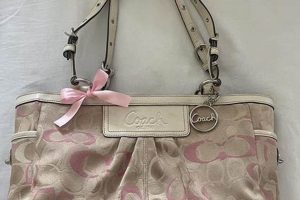
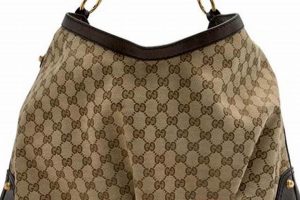
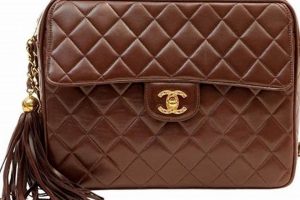
A pre-owned, classic handbag produced by the British luxury fashion house, Burberry, often from a prior decade or design era. These items represent earlier styles and manufacturing techniques employed by the brand. For example, a check-patterned shoulder bag from the 1980s or a leather satchel featuring older Burberry logos could be categorized as such.
Possessing these items allows owners to acquire a piece of fashion history, offering a tangible connection to past trends and craftsmanship. The allure often stems from their rarity, distinctive design elements absent in current collections, and the perception of superior quality associated with vintage manufacturing. These items also hold potential investment value, appreciating in price as their scarcity increases.
The subsequent discussion will delve into aspects such as identifying authentic examples, understanding valuation factors, exploring popular models from different eras, and providing essential care and maintenance advice for preserving their condition.
Tips for Acquiring and Maintaining a Vintage Burberry Bag
This section provides guidance on acquiring an authentic example and preserving its value. These tips are crucial for both novice collectors and seasoned enthusiasts.
Tip 1: Authenticate the Item: Thoroughly examine the item for signs of authenticity. Analyze the stitching, hardware, and lining. Compare the design against known authentic models from the purported era. Discrepancies may indicate a counterfeit.
Tip 2: Verify the Burberry Trademark: Inspect the logo and trademark details meticulously. Older versions of the Burberry logo differ from contemporary iterations. Researching logo variations across different production periods is essential.
Tip 3: Assess the Condition: Evaluate the overall condition carefully. Consider factors such as wear and tear, staining, and damage to the leather or canvas. Minor imperfections are acceptable, but extensive damage can significantly devalue the piece.
Tip 4: Research the Model and Era: Identify the specific model and production era, if possible. This knowledge aids in determining the item’s rarity and market value. Burberry archives or reputable vintage retailers can provide valuable insights.
Tip 5: Consider the Seller’s Reputation: Purchase from reputable sources, such as established vintage boutiques or trusted online marketplaces with authentication services. Review seller feedback and policies before making a purchase.
Tip 6: Store Properly: Protect the item from dust and moisture when not in use. Store it in a dust bag in a cool, dry place away from direct sunlight. This will help prevent degradation of the materials.
Tip 7: Clean Carefully: Clean the item regularly with appropriate leather or fabric cleaners specifically designed for vintage items. Avoid harsh chemicals or abrasive cleaning methods that can damage the delicate materials.
Adhering to these tips will enable informed acquisition and proper preservation, safeguarding its value and extending its lifespan.
The subsequent section will explore factors influencing valuation and strategies for maximizing its resale potential, should such a consideration arise.
1. Authenticity Verification

The legitimacy of a pre-owned Burberry handbag directly dictates its value, collectibility, and overall worth. Verification processes safeguard against acquiring counterfeit items, which proliferate in the market. The absence of authentication renders the piece essentially valueless, irrespective of its aesthetic appeal. Therefore, a rigorous evaluation, encompassing detailed examination of serial numbers, stitching patterns, hardware markings, and material composition, is crucial when considering a purchase. For instance, discrepancies in the “Burberry” font on internal tags, or inconsistent check patterns compared to historical designs, serve as immediate red flags, indicating a likely counterfeit. A genuine article, backed by demonstrable provenance, holds intrinsic value as a tangible connection to the brand’s heritage.
Furthermore, the process extends beyond mere visual inspection. Authentication often necessitates consulting expert opinions, utilizing specialized databases containing records of genuine Burberry designs, and comparing attributes against established historical records. The consequences of neglecting this step extend beyond financial loss; owning and trading in counterfeit goods perpetuates illegal activity and undermines the integrity of the luxury market. In contrast, acquiring a verified item not only ensures the authenticity of the piece but also provides peace of mind and contributes to the preservation of the brand’s legacy.
In summation, thorough authenticity verification is an indispensable prerequisite for any transaction. It safeguards the investment, upholds ethical consumption practices, and ultimately preserves the integrity of the brand’s established heritage. Ignoring these crucial steps exposes buyers to significant risks, highlighting the inextricable link between verification and the true value of any vintage piece.
2. Material Condition
The state of the materials composing a pre-owned Burberry handbag directly influences its valuation and desirability. Degradation due to age, use, or improper storage manifests as cracking, fading, staining, or structural damage. These imperfections diminish aesthetic appeal and impact the piece’s longevity. For instance, a leather satchel exhibiting significant creasing and discoloration will command a lower price compared to one meticulously maintained, reflecting the market’s emphasis on preserving the item’s original quality and integrity. Similarly, canvas bags with noticeable wear patterns, such as frayed edges or faded check patterns, present challenges for restoration and often reduce their collector’s value.
Assessing its material condition requires a thorough examination of all components, including the leather (or other primary material), lining, hardware, and stitching. Factors such as exposure to sunlight, humidity, and pollutants accelerate deterioration, necessitating careful evaluation for hidden damage. Example: an internal lining that has begun to disintegrate or corroded metal clasps compromise the functionality and aesthetic appeal. Therefore, understanding potential deterioration patterns and identifying subtle indications of damage enables informed purchasing decisions. Furthermore, the possibility and cost of professional restoration influence the perceived value; minor repairs may be feasible, while extensive restoration can be cost-prohibitive.
In conclusion, assessing the material condition is integral to determining the overall value and potential lifespan of a pre-owned Burberry handbag. While signs of use are expected, significant degradation negatively impacts value and longevity. Recognizing and addressing these issues ensures informed acquisition and proper preservation, safeguarding the investment and maintaining its aesthetic and functional integrity.
3. Era Identification

Determining the precise production era of a pre-owned Burberry handbag directly influences its perceived value, collectibility, and historical significance. Each period in the brand’s history is characterized by distinct design motifs, material choices, and manufacturing techniques. Accurate era identification provides crucial context, allowing for authentication, valuation, and informed purchasing decisions. For example, a Burberry bag from the 1960s, featuring the early Equestrian Knight logo and specific tweed patterns, possesses significantly different characteristics and value compared to a piece from the 1990s, marked by the introduction of the Nova Check pattern and mass production techniques.
The practical significance of era identification extends beyond mere aesthetic appreciation. Knowledge of production timelines assists in identifying potential structural weaknesses or material degradation common to specific periods. For example, certain leather treatments used in the 1970s are known to become brittle over time, influencing care and restoration strategies. Furthermore, era identification enables accurate comparative analysis against historical records and auction databases, providing benchmarks for fair market valuation. This is particularly relevant for rare or limited-edition pieces, where provenance and production details are paramount in establishing authenticity and determining their collectibility.
In summary, era identification serves as a foundational element in understanding the intrinsic value and historical context of a pre-owned Burberry handbag. This process informs authentication, valuation, and preservation efforts. Successfully identifying the era enhances the acquisition experience, promotes responsible collecting practices, and ensures the preservation of Burberry’s design legacy.
4. Rarity Factor
The scarcity of a pre-owned Burberry handbag significantly influences its market value and collectibility. The degree to which a particular model or design is considered rare stems from several factors, each contributing to its desirability and ultimately, its price point.
- Limited Edition Releases
Burberry occasionally produces limited-edition collections or collaborations. These bags, manufactured in restricted quantities, become highly sought after by collectors. For example, bags produced in partnership with specific artists or commemorating significant events within the brand’s history exhibit elevated rarity. Their limited production runs inherently increase demand among enthusiasts.
- Discontinued Models
Models that Burberry no longer manufactures enter the realm of rarity. If a design was produced for a short period or possessed unique, now-defunct features, its availability diminishes over time. This scarcity drives up the price as collectors seek to acquire these pieces of Burberry’s past. Furthermore, variations in material or embellishments within a discontinued model further enhance its exclusivity.
- Vintage Condition and Preservation
The rarity factor is compounded by the condition of the bag. While a bag may have been widely produced initially, finding one in excellent, well-preserved condition decades later becomes increasingly difficult. Factors like minimal wear, original packaging, and documented provenance significantly increase its desirability and subsequently, its rarity within the market.
- Regional Exclusivity
Some Burberry designs were initially released exclusively in specific geographic regions. These regional exclusives become rare finds for collectors outside of the original market. For instance, a bag originally only sold in Japan or the UK generates increased interest and value in other markets due to its limited accessibility and perceived exclusivity.
These facets highlight how scarcity directly translates to elevated value within the pre-owned Burberry market. The combination of limited production, discontinuation, preservation status, and regional exclusivity contribute to a bag’s overall rarity factor, attracting discerning collectors and driving prices upward. Therefore, understanding these nuances is crucial for assessing the investment potential and intrinsic value of any vintage Burberry piece.
5. Market Valuation

Determining the monetary worth of a vintage Burberry handbag necessitates a comprehensive evaluation of several market factors. These factors collectively establish a bag’s value within the pre-owned luxury market, influencing both buying and selling decisions.
- Brand Recognition and Demand
Burberry’s enduring brand reputation significantly impacts market valuation. Strong brand recognition sustains consistent demand, particularly for iconic designs and sought-after styles. High demand translates into higher resale values, especially for models considered emblematic of the brand’s heritage. Example: Bags featuring the classic Nova Check pattern or trench coat-inspired details often command premium prices due to their immediate recognizability and desirability.
- Rarity and Scarcity Dynamics
The relative scarcity of a particular model exerts a substantial influence on its market valuation. Limited edition releases, discontinued designs, or bags in exceptional condition become highly sought after by collectors. Increased scarcity drives up prices, reflecting the heightened competition among buyers. Example: A bag produced in limited quantities for a specific anniversary or collaboration will typically achieve a significantly higher resale value than a mass-produced model from the same era.
- Condition and Preservation Assessment
The physical state of the bag directly correlates with its market valuation. Bags in excellent condition, exhibiting minimal wear and tear, command higher prices. Factors such as the integrity of the leather, hardware, lining, and stitching contribute to the overall assessment. Example: A bag with intact stitching, unblemished leather, and functioning hardware will be valued more favorably than a bag with significant cosmetic or structural damage.
- Prevailing Market Trends and Sentiment
Contemporary fashion trends and consumer sentiment impact the market valuation of vintage luxury items. Resurgence in retro styles or increased interest in sustainable fashion can drive up demand for specific vintage Burberry models. Conversely, shifts in consumer preferences may lead to decreased interest in certain styles. Example: A renewed appreciation for 1990s minimalist designs might elevate the value of Burberry bags from that era featuring clean lines and understated branding.
In summation, market valuation of a vintage Burberry handbag represents a confluence of brand recognition, scarcity dynamics, condition assessment, and prevailing market trends. Understanding these factors enables accurate valuation and informed decision-making for both buyers and sellers, underscoring the importance of comprehensive assessment within the pre-owned luxury market.
Frequently Asked Questions
The following addresses common inquiries regarding pre-owned Burberry handbags. These questions aim to clarify key aspects of acquisition, authentication, and valuation.
Question 1: How does one distinguish between a genuine and counterfeit pre-owned Burberry bag?
Verification entails a meticulous examination of several features. Examine the stitching quality, hardware markings, the Burberry logo font, and the accuracy of the check pattern (if applicable). Compare these details against documented examples of authentic models from the purported era. Consult with authentication services for expert verification.
Question 2: What factors influence the valuation of a pre-owned Burberry bag?
Key determinants include the bag’s condition, rarity, the specific model and its historical significance, and prevailing market demand. Bags in excellent condition, featuring discontinued designs or limited-edition releases, typically command higher prices.
Question 3: How should a pre-owned Burberry bag be properly stored to prevent damage?
Store the item in a dust bag in a cool, dry location, away from direct sunlight and extreme temperature fluctuations. Avoid stacking other items on top of it, which could cause deformation. Periodically air out the bag to prevent the accumulation of moisture.
Question 4: Can damage to a pre-owned Burberry bag be repaired, and if so, what are the limitations?
Minor damage, such as scuffs or loose stitching, can often be professionally repaired. However, extensive damage, including significant tears, discoloration, or hardware corrosion, may be irreparable or require costly restoration. The feasibility of repair depends on the severity and type of damage.
Question 5: Where are reputable sources for purchasing authenticated pre-owned Burberry bags?
Established vintage boutiques, reputable online marketplaces with authentication services, and consignment stores specializing in luxury goods are typically reliable sources. Research the seller’s reputation and authentication process before making a purchase.
Question 6: How do I clean my Burberry bag safely?
Different materials such as canvas, leather and vinyl will need different approach of care to prevent any damage on the bags. When it come to leathers, use dedicated leather cleaners or leather conditioner. Use dry cloth to wipe it gently and store them properly.
Understanding these aspects enables informed decisions regarding acquisition, preservation, and appreciation of vintage Burberry items.
The following section explores the historical evolution of Burberry bag designs and their enduring influence on contemporary fashion.
Vintage Burberry Bag
This exploration has underscored the multifaceted nature of the vintage Burberry bag. From the crucial authentication process and material condition assessments to the nuances of era identification, rarity, and market valuation, each element contributes to a comprehensive understanding of its value. The information presented serves as a foundation for informed decision-making within the pre-owned luxury market.
The enduring appeal of these items reflects a continued appreciation for craftsmanship, design heritage, and sustainable consumption. Continued diligence in verifying authenticity and preserving these pieces ensures the preservation of a tangible link to Burberry’s legacy for future generations. The acquisition of such an item is not merely a transaction but an investment in design history.
![Shop Iconic Gucci Bamboo Bag Vintage Finds - [Year] | Vintage Treasures: Discover Rare Antiques, Collectibles & Retro Finds](https://roopevintage.com/wp-content/uploads/2026/04/th-674-300x200.jpg "Shop Iconic Gucci Bamboo Bag Vintage Finds - [Year] Vintage Treasures: Discover Rare Antiques, Collectibles & Retro Finds")