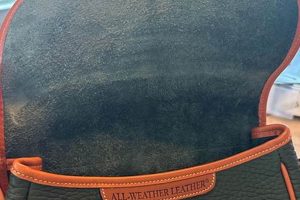
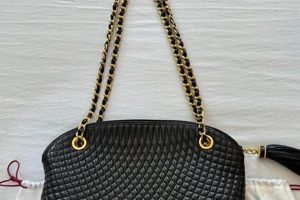
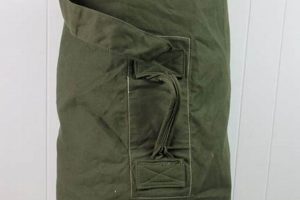
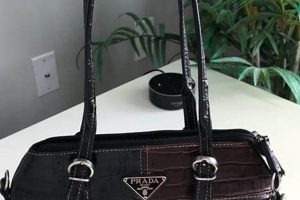
These retro accessories, initially designed for transporting bowling balls and shoes, have transcended their original purpose. Characterized by their distinct shapes, durable materials like vinyl or leather, and often adorned with vibrant colors and personalized embroidery, they represent a tangible connection to mid-20th-century recreational culture. An example would be a 1950s Brunswick bag featuring two-tone coloring and stitched bowler silhouettes.
The appeal of these items lies in their blend of practicality and nostalgic charm. They serve not only as functional carriers for everyday items but also as unique fashion statements, adding a touch of vintage flair to contemporary wardrobes. Their historical significance reflects a period when bowling enjoyed widespread popularity as a social and competitive activity, making them collectible artifacts of Americana.
This exploration will delve into the various aspects of acquiring, preserving, and appreciating these pieces of sporting history, covering topics such as identifying authentic examples, understanding their value drivers, and exploring creative ways to incorporate them into modern lifestyles.
Acquiring and Appreciating These Retro Accessories
Navigating the world of these retro accessories requires a discerning eye and an understanding of key factors. The following guidelines offer practical advice for collectors and enthusiasts seeking to acquire and maintain authentic pieces.
Tip 1: Authenticate Markings. Examine the bag for manufacturer logos, labels, or stamps. Companies like Brunswick, AMF, and Ebonite were prominent producers, and their markings can validate the bag’s origins.
Tip 2: Assess Material Quality. Original bags were typically crafted from durable materials like vinyl or leather. Inspect for signs of wear and tear, such as cracks, tears, or discoloration, which can affect value.
Tip 3: Scrutinize Stitching and Hardware. Consistent, high-quality stitching and sturdy hardware, such as zippers and buckles, are indicators of a well-made, authentic product. Look for signs of repair or replacement, which can detract from value.
Tip 4: Evaluate Design and Embellishments. Unique design elements, such as personalized embroidery, team logos, or distinctive color combinations, can enhance collectibility. Research common design motifs from specific eras to identify potentially rare or valuable finds.
Tip 5: Consider Condition. The overall condition significantly impacts value. Bags in excellent condition, with minimal wear and original features intact, command higher prices. Mild wear may be acceptable, but significant damage should be carefully considered.
Tip 6: Research Market Value. Prior to purchase, research comparable sales on auction sites and vintage marketplaces. This due diligence establishes a fair market value and prevents overpayment.
Tip 7: Storage and Preservation. Store the bag in a cool, dry place away from direct sunlight to prevent fading and material degradation. Stuffing it with acid-free paper helps maintain its shape. Regularly clean with appropriate leather or vinyl cleaners.
Tip 8: Seek Expert Opinion. For potentially valuable or rare finds, consider consulting with a vintage appraiser or collector specializing in sporting goods. Their expertise can provide authentication and valuation insights.
Adhering to these guidelines ensures a more informed and rewarding experience in acquiring and preserving these unique pieces of history, maximizing enjoyment and potential investment value.
These tips serve as a foundation for further exploration into the specific nuances of collecting and appreciating these retro carriers.
1. Material Composition

Material composition is a defining characteristic of these retro sporting accessories, directly influencing their durability, aesthetics, and historical significance. The materials used reflect technological advancements, economic conditions, and stylistic preferences prevalent during their manufacturing era. Understanding these materials is essential for authentication, preservation, and valuation.
- Leather Construction
Early examples frequently employed leather, prized for its robustness and suppleness. Leather bags, often crafted from cowhide or pigskin, offered superior protection for bowling balls and shoes. However, leather requires meticulous care to prevent drying, cracking, and mildew. Proper conditioning and storage are paramount to preserving its integrity.
- Vinyl and Imitation Leather
Mid-century saw the rise of vinyl and other synthetic materials as cost-effective and visually appealing alternatives to leather. Vinyl offered water resistance and ease of cleaning, making it a popular choice for bowling bags. While more resistant to moisture, vinyl is susceptible to cracking and fading with prolonged exposure to sunlight. Preservation necessitates regular cleaning and protection from extreme temperatures.
- Hardware and Reinforcements
Beyond the primary material, metal hardware like zippers, buckles, and rivets contributed significantly to the bag’s structural integrity. The type and quality of these components provide clues about the manufacturing period and overall craftsmanship. Rust, corrosion, or breakage of hardware can compromise functionality and aesthetic appeal, demanding careful assessment during evaluation.
- Lining and Internal Structure
The internal lining, often made of fabric or felt, provided cushioning and protection for the bowling ball. The presence and condition of the lining are indicative of the bag’s overall care and usage. Degradation of the lining can accelerate wear and tear on the exterior materials. Repairs or replacements should be executed with materials that are compatible with the original construction.
The interplay of these materials dictates the bag’s longevity, appearance, and collectibility. The choice of material, its condition, and the methods used for its preservation are essential considerations when evaluating these pieces of bowling history. This knowledge allows collectors and enthusiasts to discern authenticity, assess value, and ensure the continued enjoyment of these vintage accessories.
2. Era of Production

The period in which these sporting accessories were manufactured profoundly influences their design, materials, and cultural significance. Each era reflects prevailing trends, technological advancements, and the social context of bowling’s popularity. Understanding the production era is therefore critical in authenticating, valuing, and appreciating these vintage items. For example, bags from the 1950s and 1960s, often characterized by vibrant colors and bold geometric patterns, mirror the optimistic post-war aesthetic. These frequently employed durable vinyl, a material readily available at the time, and featured personalized embroidery reflecting the amateur bowler’s team or name. The impact of the production era is therefore visible in the materials used, the aesthetic choices made, and the bag’s overall design.
In contrast, bags produced during the 1970s and 1980s tended to adopt a more subdued palette, reflecting the evolving design sensibilities of the time. Leather became less common, replaced by more affordable synthetic materials. Furthermore, these later bags often incorporated features designed for greater practicality, such as multiple compartments and reinforced straps, indicative of the increasingly competitive nature of bowling. Distinguishing these characteristics provides a key advantage in identifying authentic vintage products and understanding their specific historical context. By examining the materials, design elements, and construction techniques, one can often pinpoint the approximate period of manufacture and gain insights into the bag’s original purpose and target market.
In summary, the era of production is a crucial determinant of a vintage bowling bag’s value and historical importance. Recognizing the stylistic and material shifts across different decades is essential for collectors and enthusiasts. The production era therefore serves as a lens through which one can understand the cultural and technological influences that shaped these once-ubiquitous sporting accessories. This understanding not only aids in authentication but also deepens appreciation for these tangible artifacts of bowling history.
3. Hardware Condition

The state of the hardware on these retro accessories significantly influences their value, functionality, and overall appeal. Evaluating the condition of metal components is therefore a critical aspect of assessing these items.
- Zipper Functionality and Integrity
Zippers, often constructed of metal, are essential for securing the bag’s contents. A fully functional zipper, free from corrosion or broken teeth, ensures ease of use and indicates careful maintenance. Conversely, a non-functional zipper detracts significantly from both the bag’s usability and market value. Example: A rusted zipper requiring excessive force to operate may indicate prolonged exposure to moisture or improper storage.
- Buckle and Clasp Security
Buckles and clasps, commonly used for securing straps and flaps, must function reliably. Securely fastening hardware ensures the bag can be safely carried and its contents protected. Missing or damaged buckles or clasps compromise the bag’s structural integrity. Example: A broken clasp on a shoulder strap could render the bag unusable until repaired.
- Rivets and Reinforcement Integrity
Rivets reinforce stress points and connect structural elements. Their presence and condition reflect the overall durability of the bag. Missing or corroded rivets weaken the bag’s structure, increasing the risk of damage. Example: Loose rivets around the handle attachment points could indicate excessive wear or overloading.
- Metal Feet and Protective Elements
Metal feet, if present, protect the bag’s base from abrasion. Their condition provides insights into the bag’s usage patterns. Worn or missing feet compromise the bag’s stability and increase the risk of damage to the base material. Example: Severely worn metal feet suggest frequent use on rough surfaces.
The combined condition of these hardware components provides a comprehensive picture of the vintage bowling bag’s overall state of preservation. Careful evaluation of these elements is essential for determining authenticity, assessing value, and ensuring the bag’s continued usability.
4. Design Rarity

Design rarity is a significant determinant of value and desirability in vintage bowling bags. Scarce design elements, whether stemming from limited production runs, unique embellishments, or commemorative origins, amplify the collectibility of these artifacts. The presence of rare design features can transform a commonplace item into a highly sought-after piece of bowling history.
- Limited Edition or Commemorative Emblems
Bags produced to commemorate specific bowling tournaments, anniversaries, or partnerships with sports figures often feature unique emblems, insignias, or personalized details. The limited number of these bags in circulation directly contributes to their rarity. Example: A bowling bag released exclusively for the 1964 PBA National Championship would possess intrinsic design rarity. The presence of the official tournament logo and potentially the autographs of notable bowlers enhance its value and appeal to collectors.
- Uncommon Color Combinations or Patterns
Bags featuring unconventional color palettes or distinctive patterns outside of the typical color schemes enhance rarity. The use of bold or unusual color combinations, atypical for the period, increases the bags uniqueness. Example: While many vintage bowling bags feature two-tone designs in common colors, a bag showcasing a vibrant combination of teal, orange, and yellow would be considered more rare due to its non-standard coloration.
- Unique Material or Embellishment Integration
The incorporation of non-standard materials or embellishments elevates a bag’s design rarity. The use of exotic leathers, intricate embroidery, or hand-painted details distinguishes the bag from mass-produced models. Example: A vintage bowling bag featuring handcrafted leather appliqus depicting bowling-related motifs or incorporating genuine mother-of-pearl inlays would be deemed significantly more rare.
- Manufacturer-Specific Design Innovations
Design innovations introduced by specific manufacturers, such as unique closure mechanisms, compartment configurations, or handle designs, can contribute to a bag’s rarity. If these innovations were short-lived or only applied to a limited number of bags, they enhance their collectibility. Example: A Brunswick bowling bag featuring a patented ball-securing system that was only implemented for a brief period would represent a rare design innovation.
The interaction of these factors determines the overall design rarity and consequent desirability of vintage bowling bags. Understanding the nuances of these elements enables collectors to identify truly exceptional pieces and appreciate their historical and aesthetic significance.
5. Provenance
Provenance, the documented history of ownership and origin, wields significant influence over the value and historical importance of vintage bowling bags. A clear and verifiable provenance can authenticate a bag’s origins, connecting it to specific individuals, events, or historical contexts. This connection transforms the bag from a mere artifact into a tangible piece of bowling history.
- Ownership by Notable Bowlers
A bowling bag demonstrably owned by a prominent bowler, particularly one inducted into a hall of fame or celebrated for significant achievements, possesses heightened value. Documentation such as signed photographs, letters of authentication from reputable sources, or verifiable tournament records solidifies this link. For example, a bag once belonging to Don Carter, accompanied by authenticating documentation, would command a premium due to his legendary status.
- Association with Significant Bowling Events
Bags used or awarded during major bowling tournaments or events acquire historical importance. Programs, scorecards, or photographs corroborating the bag’s presence at a specific event bolster its provenance. A bag presented as a prize at the ABC Masters Tournament, supported by event memorabilia, would hold significant historical weight. Provenance related to notable events enhances the bag’s appeal to collectors.
- Documented Chain of Ownership
A well-documented chain of ownership, tracing the bag’s lineage from its original purchaser through subsequent owners, reinforces its authenticity and historical narrative. Bills of sale, receipts, or notarized statements attest to the bag’s passage through different hands. A detailed ownership history lends credibility and enhances the bag’s perceived value.
- Original Purchase Receipts or Documentation
Original purchase receipts, invoices, or manufacturer’s documentation provide direct evidence of the bag’s origin and specifications. These documents verify the bag’s initial sale, often including the date, place of purchase, and original price. A vintage bowling bag accompanied by its original purchase receipt offers strong proof of authenticity and adds to its overall appeal. These elements enhance its intrinsic value.
In conclusion, a verifiable provenance elevates a vintage bowling bag from a simple collectible to a documented piece of sporting history. The connection to notable individuals, significant events, or a well-documented chain of ownership substantiates the bag’s authenticity, reinforces its historical narrative, and significantly impacts its value in the collector’s market.
Frequently Asked Questions about Vintage Bowling Bags
The following section addresses common inquiries regarding the identification, valuation, and preservation of these vintage accessories.
Question 1: How can the authenticity of a purportedly vintage bowling bag be verified?
Authenticity verification necessitates careful examination of several factors. These include the presence of manufacturer markings (e.g., Brunswick, AMF), the type and quality of materials used (e.g., leather vs. vinyl), the style and construction techniques characteristic of specific eras, and the overall condition relative to the claimed age.
Question 2: What factors contribute to the market value of vintage bowling bags?
Market value is influenced by a combination of elements, encompassing condition, rarity, design aesthetics, provenance (historical ownership), and demand among collectors. Bags in excellent condition, featuring rare designs or possessing documented ties to notable bowlers or events, command higher prices.
Question 3: What are the recommended methods for preserving and storing vintage bowling bags?
Preservation entails storing bags in a cool, dry environment away from direct sunlight to prevent fading and material degradation. The bag should be stuffed with acid-free paper to maintain its shape. Periodic cleaning with appropriate leather or vinyl cleaners is also advised.
Question 4: Are vintage bowling bags still suitable for contemporary use as bowling equipment carriers?
While structurally sound bags can be used for their original purpose, it is crucial to assess their condition beforehand. The weight of modern bowling balls may exceed the bag’s original design specifications, potentially leading to damage. Considerations should also be given to the wear and tear on original hardware and straps.
Question 5: How does one distinguish between a genuine vintage bag and a modern reproduction?
Discernment involves scrutinizing the manufacturing details. Modern reproductions often exhibit differences in materials, stitching, and hardware compared to authentic vintage examples. Researching the historical characteristics of bags from specific eras is crucial for accurate identification.
Question 6: Where can authentic vintage bowling bags typically be sourced?
Potential sources include antique stores, vintage clothing boutiques, online auction sites, estate sales, and specialized vintage sporting goods dealers. Due diligence is essential to verify authenticity and assess the condition prior to purchase.
Proper authentication, informed valuation, and careful preservation practices are crucial for navigating the world of these vintage accessories.
This FAQ section offers a foundation for further exploration into the intricacies of these unique historical pieces.
Vintage Bowling Bags
This examination has explored diverse facets of these vintage accessories, ranging from authentication and valuation to design analysis and preservation techniques. Core characteristics, notably material composition, era of production, hardware integrity, design rarity, and provenance, have been presented as essential for responsible acquisition and appreciation. The information provided serves as a practical resource for enthusiasts and collectors seeking to understand the multifaceted nature of these artifacts.
The legacy of these objects extends beyond mere utility. They represent a tangible link to a distinct period in American recreational history. Continued scholarly inquiry and diligent preservation efforts are vital to ensure that these artifacts, and the stories they embody, endure for future generations. The pursuit of knowledge surrounding these items should promote a deeper appreciation for their historical and cultural significance.