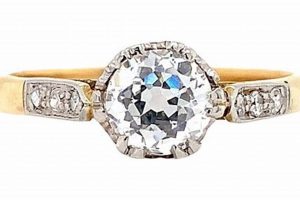
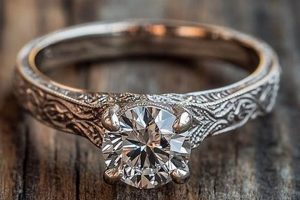
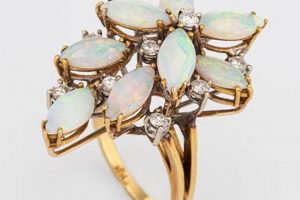
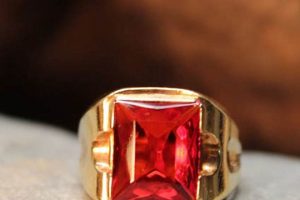
A ring of this nature features a single diamond, or other precious gemstone, set prominently on a band. Its defining characteristic lies in its aesthetic, drawing inspiration from past design eras. This style encompasses rings crafted decades ago, as well as modern rings that replicate or incorporate elements of bygone eras, such as Art Deco or Edwardian designs. An example would be a platinum ring featuring a round-cut diamond in a six-prong setting with delicate filigree detailing along the band.
The enduring appeal of this design stems from its inherent simplicity and focus on the center stone’s brilliance. This emphasizes the gem’s quality, cut, and clarity. Furthermore, it often carries sentimental value, representing a connection to history and a desire for something unique. These rings offer a tangible link to romanticized periods, providing a sense of timeless elegance. Choosing such a ring can represent a commitment to enduring values and a rejection of fleeting trends.
The subsequent sections of this article will delve into specific aspects of this timeless design, including identifying key characteristics, understanding historical influences, evaluating diamond quality, and exploring options for sourcing and caring for this significant piece of jewelry.
Tips for Selecting a Vintage Solitaire Engagement Ring
The acquisition of a solitaire ring with vintage characteristics requires careful consideration. Several factors warrant attention to ensure a satisfactory purchase.
Tip 1: Identify the Desired Era: Research distinct historical periods, such as Art Deco, Edwardian, or Victorian, to discern preferences. Each era features unique design elements influencing the ring’s overall aesthetic.
Tip 2: Assess Diamond Quality: Evaluate the diamond using the 4Cs: Cut, Clarity, Carat, and Color. Vintage cuts may differ from modern cuts; consider the stone’s overall brilliance and appeal.
Tip 3: Examine the Setting and Band: Scrutinize the setting for signs of wear or damage. Inspect the band’s integrity, particularly at points of stress. Consider the metal type, such as platinum, gold, or silver, and its compatibility with skin sensitivity.
Tip 4: Verify Authenticity and Provenance: When purchasing an antique, seek documentation or appraisal from a reputable source. Understand the ring’s history, if available, to enhance its sentimental value and verify its age.
Tip 5: Consider Ethical Sourcing: Inquire about the source of the diamond, whether new or recycled. Ethical sourcing is essential for responsible purchasing. Recycled diamonds often offer a more sustainable option.
Tip 6: Prioritize Fit and Comfort: Ensure the ring fits comfortably and securely. Resizing may be necessary, but should be performed by a skilled jeweler to avoid damage to the setting or band.
Tip 7: Secure Insurance Coverage: Obtain insurance coverage to protect the ring against loss, theft, or damage. Proper valuation is crucial for adequate coverage.
Adhering to these guidelines will facilitate a well-informed decision, ultimately resulting in the acquisition of a treasured piece that reflects personal style and historical appreciation.
The subsequent section will address the maintenance and care required to preserve the beauty and longevity of this valuable heirloom.
1. Era Identification

Era Identification is a fundamental step in understanding and appreciating a ring with elements of vintage design. Correctly determining the era from which a ring originates, or draws inspiration, provides context for its stylistic features, manufacturing techniques, and potential value. This identification informs subsequent evaluations of quality, authenticity, and personal preference.
- Art Deco (1920s-1930s)
Rings from this period typically showcase geometric patterns, stepped designs, and the use of contrasting materials like diamonds and colored gemstones (sapphires, emeralds). The solitaire diamond may be set in a bezel or prong setting, often surrounded by intricate filigree or milgrain detailing. The platinum or white gold bands often exhibit strong, symmetrical lines. Identification of Art Deco influences signifies a design emphasis on modernity and glamour.
- Edwardian (1901-1910)
Edwardian rings are characterized by delicate and intricate designs, frequently featuring floral motifs and the use of platinum. The solitaire diamond is often set in a light and airy setting, maximizing brilliance. Milgrain detailing is prevalent, adding a touch of refined elegance. Identifying Edwardian elements points to a focus on femininity and subtle ornamentation.
- Victorian (1837-1901)
Victorian-era rings encompass diverse styles influenced by Queen Victoria’s reign. Early Victorian rings may feature rose-cut diamonds and yellow gold. Later Victorian examples often include Old Mine cut diamonds and more elaborate designs. Sentimental motifs, such as flowers and snakes, may be incorporated. The identification of Victorian elements suggests a connection to history, romance, and personal symbolism.
- Retro (1930s-1950s)
Rings from this period generally feature larger stones, colourful gems, and yellow or rose gold as metal of choice because of war restrictions on platinum. Design elements tend to be bold and sometimes feature a more modern approach.
The ability to accurately identify the era associated with a ring enhances understanding of its design principles, materials, and construction. Recognizing these elements contributes to a more informed appreciation of its value and personal significance, aiding in both selection and long-term preservation. A correct identification also helps avoid overpaying, while acquiring a ring of significant design, quality and historical accuracy
2. Diamond Evaluation

The quality of the diamond fundamentally dictates the value and aesthetic appeal of any “vintage solitaire engagement ring”. A solitaire setting inherently emphasizes the central stone, rendering its characteristics more prominent. Therefore, any inclusions, color variations, or imperfections are readily discernible. A rigorous evaluation of the diamond is not merely an appraisal of its market value; it represents an assessment of its inherent beauty and ability to capture and reflect light. An example of this direct connection is evident when comparing two rings with similar vintage settings. The ring featuring a diamond with superior cut and clarity will exhibit significantly greater brilliance and fire, thereby enhancing the ring’s overall visual impact. The act of evaluating a diamond, in this context, directly causes a change in our appreciation and assessment of overall ring appeal, and influences pricing.
Furthermore, the cut of a diamond, particularly in older stones found in authentic vintage rings, requires specific consideration. “Old Mine” or “Old European” cuts, common in rings from the Victorian and Edwardian eras, possess different proportions than modern brilliant cuts. These older cuts prioritize carat weight over maximizing brilliance, resulting in a diamond with a smaller table and a larger culet. Understanding these differences is crucial in appreciating the historical context of the ring and avoiding misinterpretations of the diamond’s quality. A practical application of this understanding involves adjusting expectations regarding brilliance and fire, recognizing that these vintage cuts possess a unique charm and character distinct from their modern counterparts. Purchasing a vintage ring without understanding these important nuances may lead to dissatisfaction.
In summary, comprehensive diamond evaluation is an indispensable component of acquiring an authentic or inspired ring. Understanding the diamond’s cut, clarity, carat weight, and color, alongside an appreciation for historical cutting styles, is critical. These insights inform responsible purchasing decisions and ensure the selection of a ring that not only meets aesthetic preferences but also aligns with the wearer’s understanding of the gem’s quality and origin. The challenge lies in balancing an objective assessment of diamond characteristics with the subjective appreciation of its unique historical context and design, where value is based on many aspects and not only on 4Cs.
3. Setting Integrity
The setting serves as the crucial interface between the gemstone and the wearer in a ring of this design. It secures the stone, protects it from damage, and contributes significantly to the ring’s aesthetic. With vintage rings, the setting’s integrity is of paramount importance due to the age of the materials and the potential for wear and tear over time.
- Prong Security
Prongs are commonly used to hold the gemstone. These thin metal extensions must be regularly inspected for wear, bending, or breakage. Worn prongs pose a significant risk of stone loss. Example: A ring worn daily for decades may exhibit thinning of the prongs, particularly where they come into contact with other surfaces. Such wear compromises the structural integrity and necessitates professional repair or replacement of the prongs.
- Bezel Setting Condition
A bezel setting encircles the gemstone with a metal rim. The integrity of this rim is critical for secure stone retention. Damage to the bezel, such as cracks or dents, can weaken its grip on the stone. Example: A ring subjected to impact may exhibit a dent in the bezel setting, creating a gap between the metal and the stone. This gap allows the stone to shift and increases the risk of loss or further damage.
- Metal Fatigue
Over time, the metal used in the setting can experience fatigue, leading to weakening and potential fracture. This is particularly relevant in vintage rings utilizing older alloys. Example: A platinum setting, while durable, can become brittle over decades of wear. Stress from daily activities can cause hairline cracks to develop, compromising the overall structural integrity of the setting.
- Solder Joint Stability
Many settings involve solder joints connecting different metal components. The strength and integrity of these joints are essential for maintaining the setting’s overall stability. Example: A filigree setting, often found in vintage rings, relies on numerous solder joints. Weak or broken solder joints can cause the filigree to loosen or detach, compromising both the security of the gemstone and the aesthetic appeal of the ring.
The long-term preservation of rings with vintage elements requires vigilant monitoring of the setting. Regular professional inspections and timely repairs are essential to maintain stone security and prevent further damage. Neglecting setting integrity can result in stone loss or irreversible damage to a valuable and sentimental piece.
4. Band Material
The selection of material for the band directly influences the durability, aesthetic, and value of a ring featuring a single prominent gem and vintage design elements. Specific materials were favored during distinct historical periods, consequently shaping the appearance and authenticity. For example, platinum gained prominence in the Edwardian era due to its strength and ability to showcase delicate filigree work, a characteristic often associated with rings from that time. Conversely, yellow gold was more prevalent in earlier Victorian pieces. The choice of material, therefore, serves as a strong indicator of the ring’s potential origin and style, and affects its longevity. The band also has a direct effect on how the stone is percieved.
Furthermore, the band’s composition influences its reaction to wear and tear. Gold, depending on its karat, can be susceptible to scratching and denting, while platinum offers greater resistance to these types of damage. The effects of wear are highly important to consider when purchasing a ring that is decades old. A platinum band can maintain its polished look longer than a gold band of similar age, or one that has been recently produced to mimic an antique style. The metal’s interaction with the wearer’s skin, considering potential allergies to nickel or other alloys, represents another critical factor in material selection. This choice impacts not only the ring’s appearance but also its comfort and suitability for prolonged wear.
In conclusion, the band material is not merely a structural component; it actively shapes the ring’s vintage aesthetic, determines its resilience, and affects the wearer’s experience. Understanding the historical context of materials used in different eras, assessing their durability, and considering potential skin sensitivities, ensures that a deliberate and informed decision can be made when purchasing, inheriting or restoring rings featuring vintage elements. An appreciation of the band composition is vital to proper care and maintenance, as cleaning and repair methods vary depending on the material. This is a central point, because some cleaning methods can damage certain stones if done improperly. Preservation of the jewelry requires appreciation for metal type and stones that make it up.
5. Authenticity Verification
The process of confirming genuineness stands as a cornerstone in the acquisition of any ring exhibiting both vintage and solitaire characteristics. It addresses the fundamental question of whether the piece is truly of the era it purports to be, or a more recent creation designed to mimic that era. Authenticity verification is paramount because it directly impacts value, historical significance, and the ring’s desirability as a representation of a specific period in design. It requires an objective assessment of the jewelry’s constituent materials, construction techniques, and stylistic elements to ensure they align with established hallmarks of the claimed era. Consider, for example, a ring presented as Art Deco. Authentication necessitates verifying the presence of geometric patterns, the use of specific gemstones popular during that period (such as calibre-cut sapphires), and the use of platinum or white gold, common metals of the era. The absence of these elements, or the presence of modern alloys or construction techniques, casts doubt on the ring’s authenticity.
Authenticity impacts economic value of rings with stones set alone significantly. Purchasing a ring mistakenly identified as Art Deco for the price of an authentic item can lead to financial loss. Moreover, authenticity directly affects its significance. If it is a recreation, it lacks connection to historical context, and does not have sentimental value associated with particular time period. Real-world applications include engaging a qualified appraiser specializing in vintage jewelry. These experts possess the knowledge and tools to assess the ring’s features against known benchmarks, employing techniques such as microscopic examination of hallmarks, metal analysis, and gemstone identification. Furthermore, documentation such as original receipts, appraisals, or family histories can provide valuable supporting evidence. Relying on solely visual inspection or the seller’s claims is inadequate and carries substantial risk.
The pursuit of authentic vintage rings presents both rewards and challenges. While authentic examples carry increased value and historical resonance, they also require diligence and expertise to identify correctly. The verification process must encompass rigorous examination, documentation review, and expert consultation to provide the most accurate assessment. Overcoming the challenges associated with authentication ensures that a vintage ring is not just a beautiful object, but a tangible link to history, accurately representing the artistry and design of a specific era, and securing an important jewel investment.
6. Ethical Sourcing

The intersection of rings featuring vintage design elements and ethical sourcing represents a complex consideration. While the term “vintage” implies pre-owned or antique, the ethical implications associated with gemstone and metal acquisition remain relevant, even if indirectly. The origin and extraction of the constituent materials, regardless of the ring’s age, raise questions regarding responsible practices and environmental stewardship.
- Recycled Diamonds and Gemstones
One approach to ethical sourcing involves utilizing recycled diamonds and gemstones. These stones, extracted and cut in the past, re-enter the market through estate sales, antique jewelry, or repurposing efforts. Employing recycled stones reduces the demand for newly mined gems, thereby mitigating the environmental impact and potential human rights concerns associated with mining operations. For a ring that includes both modern and old components, choosing a recycled diamond for the central stone demonstrates a commitment to ethical practices while maintaining the aesthetic of the vintage design.
- Tracing the Provenance of New Stones
If a ring incorporates newly mined gemstones, determining their origin and ensuring adherence to ethical sourcing standards becomes crucial. Initiatives such as the Kimberley Process Certification Scheme aim to prevent the trade of conflict diamonds, but their effectiveness remains a subject of debate. Requesting documentation from suppliers regarding the source of the diamonds and their compliance with ethical labor and environmental standards represents a responsible approach. Consumers should seek diamonds certified by reputable gemological laboratories that provide detailed information regarding their origin and characteristics.
- Metal Sourcing and Fair Labor Practices
Ethical sourcing extends beyond gemstones to encompass the metals used in the ring’s band and setting. The extraction of gold, platinum, and other precious metals can involve environmentally damaging mining practices and unfair labor conditions. Choosing metals sourced from suppliers that adhere to fair labor standards and employ environmentally responsible extraction methods contributes to a more ethical supply chain. Some jewelers offer rings made from recycled metals, further reducing the environmental impact associated with mining new materials.
- Supporting Artisans and Local Communities
Ethical sourcing can also encompass supporting artisans and local communities involved in the creation or restoration of rings. Purchasing from independent jewelers or craftspeople who prioritize fair wages, safe working conditions, and environmentally sustainable practices fosters a more equitable and responsible industry. This approach aligns with the growing consumer awareness of the social and environmental impact of purchasing decisions and promotes a more transparent and ethical jewelry market.
In conclusion, while a vintage ring possesses inherent qualities that distinguish it from newly manufactured jewelry, the principles of ethical sourcing remain relevant. Whether choosing recycled gemstones, tracing the provenance of new stones, selecting ethically sourced metals, or supporting responsible artisans, consumers can make informed decisions that align with their values and contribute to a more sustainable and equitable jewelry industry. The choices related to ethical sourcing have impacts and reverberate across complex and dynamic environments.
Frequently Asked Questions About rings featuring a stone set alone and vintage characteristics
The following questions address common inquiries and misconceptions concerning the acquisition, evaluation, and care of a ring with a single stone exhibiting traits of antique eras. These answers aim to provide clarity and facilitate informed decision-making.
Question 1: What defines an engagement ring featuring vintage characteristics?
This refers to a ring, either antique or modern, designed to emulate styles from past eras, typically featuring a single, prominent gemstone as its focal point. Common historical influences include Art Deco, Edwardian, and Victorian designs. The ring’s defining characteristic lies in its stylistic resemblance to jewelry from these periods.
Question 2: How does one determine the authenticity of rings with vintage elements?
Authenticity verification requires expert appraisal, encompassing examination of hallmarks, metal composition analysis, and gemstone identification. Documentation, such as original receipts or appraisals, can provide supporting evidence. Reliance on visual inspection alone is insufficient.
Question 3: What diamond cut styles are commonly encountered in rings with vintage elements?
Older rings frequently feature diamond cuts such as Old Mine, Old European, or rose cuts, which differ in proportions from modern brilliant cuts. These older cuts prioritize carat weight and possess unique light performance characteristics.
Question 4: How should one assess the condition of the setting and band in an antique-style ring?
Careful inspection for wear, damage, or metal fatigue is essential. Prongs should be secure, bezel settings intact, and solder joints stable. Metal fatigue can manifest as hairline cracks or weakening of the structure.
Question 5: What are the ethical considerations when acquiring rings that feature a stone in solitude?
Ethical considerations include sourcing recycled diamonds and gemstones, tracing the provenance of new stones to ensure conflict-free origins, and utilizing metals from suppliers adhering to fair labor and environmental standards.
Question 6: How does one care for and maintain rings exhibiting features from antique eras to ensure its longevity?
Professional cleaning and inspection are recommended. Harsh chemicals and abrasive cleaners should be avoided. Proper storage in a protective case is crucial to prevent damage.
In summary, acquiring and caring for rings with features of eras long past demands careful consideration of authenticity, diamond characteristics, setting integrity, ethical sourcing, and appropriate maintenance practices. This knowledge empowers informed decisions, ensuring the preservation of these valuable and sentimental heirlooms.
The subsequent section addresses the topic of insurance coverage for rings possessing design from days gone by.
vintage solitaire engagement ring
The preceding exploration of “vintage solitaire engagement ring” has underscored the multifaceted considerations involved in its acquisition, authentication, and preservation. Key points have included the significance of era identification, rigorous diamond evaluation, the critical assessment of setting integrity, informed band material selection, diligent authenticity verification, and the adherence to ethical sourcing practices. These elements collectively contribute to a comprehensive understanding of the value, historical relevance, and enduring beauty inherent in these pieces.
The decision to acquire a “vintage solitaire engagement ring” represents more than a mere purchase; it reflects an appreciation for history, artistry, and enduring value. Continued diligence in research, care, and ethical awareness will ensure that these pieces not only retain their intrinsic worth but also serve as lasting symbols of commitment and connection to the past. Consider expert appraisal and professional maintenance to safeguard this significant investment for generations to come.