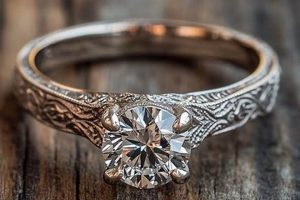
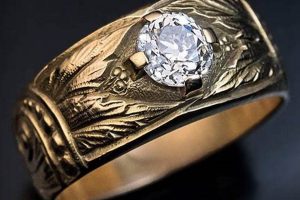
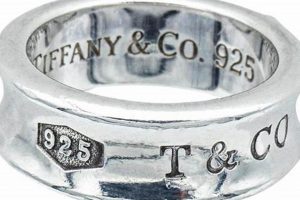
An antique fraternal emblem, typically crafted from precious metals such as gold or silver, often incorporating symbolic imagery related to Freemasonry. These pieces of jewelry served as indicators of membership within the ancient and honorable society. An example might feature the square and compasses, the letter ‘G’, or other recognizable Masonic symbols rendered in enamel, engraving, or relief.
These artifacts offer a tangible link to the history of Freemasonry, embodying the traditions and values of the organization. Their intrinsic value lies not only in their material composition but also in their connection to a rich fraternal heritage. Such items represent a personal commitment and affiliation, reflecting the owner’s dedication to the principles of brotherly love, relief, and truth.
Consequently, exploring the construction, symbolism, and historical significance of these jewels will provide a deeper understanding of their place within both the Masonic order and the broader context of antique collectibles. This examination will address various aspects, including identification, dating, and preservation.
Tips for Evaluating Antique Fraternal Jewelry
The assessment of antique fraternal jewelry requires careful attention to detail, encompassing aspects of material authenticity, symbolic interpretation, and provenance research.
Tip 1: Verify Material Composition: Precious metals like gold and silver should be tested for purity using acid testing kits or professional appraisal services. Hallmarks can provide clues to the origin and date of manufacture.
Tip 2: Examine Symbolic Accuracy: Masonic symbolism is precise. Confirm that the symbols are correctly rendered and accurately represent accepted Masonic iconography. Deviations may indicate a reproduction or non-Masonic origin.
Tip 3: Assess Craftsmanship Quality: Examine the precision of the engraving, the quality of the enamel work, and the overall construction. High-quality craftsmanship suggests a more valuable and authentic piece.
Tip 4: Research the Maker’s Mark: Identify the jeweler or manufacturer’s mark, if present. Researching the maker can provide insights into the item’s age, origin, and potential value.
Tip 5: Investigate Provenance: Any documentation relating to the item’s history, such as old receipts, letters, or photographs, can significantly enhance its value and authenticity.
Tip 6: Compare to Known Examples: Research similar pieces in online databases, auction records, and museum collections. Comparing the item to verified examples can help identify discrepancies or validate authenticity.
Tip 7: Consider the Overall Condition: The condition affects value. While some wear is expected in antique pieces, significant damage, such as missing stones or severely worn details, will detract from the item’s worth.
By adhering to these guidelines, one can make more informed decisions when evaluating and acquiring antique fraternal jewels, mitigating the risk of acquiring reproductions or items of questionable authenticity.
The subsequent sections will delve into the specific stylistic variations and historical periods associated with these intriguing artifacts.
1. Symbolism

Symbolism forms the cornerstone of understanding any piece of antique fraternal jewelry. The motifs and emblems incorporated into these rings are not merely decorative; they represent fundamental tenets and concepts within Freemasonry. A thorough comprehension of these symbols is essential for accurate identification and contextual interpretation.
- The Square and Compasses
This ubiquitous symbol represents morality and reason. The square symbolizes morality, truthfulness and integrity. The compasses represent reason, skill in the arts and sciences and the ability to keep within due bounds toward all mankind, particularly a brother. Its presence on a ring signifies adherence to Masonic principles and a dedication to ethical conduct.
- The Letter ‘G’
The letter ‘G’ is often interpreted as representing God or Geometry, highlighting the importance of both spirituality and rational thought in Masonic philosophy. Its prominence on a ring underscores the wearer’s belief in a Supreme Being and commitment to intellectual pursuits.
- The All-Seeing Eye
The All-Seeing Eye symbolizes divine watchfulness and awareness. Its inclusion on a ring serves as a constant reminder of accountability and the presence of a higher power. The placement of the All-Seeing Eye could signify different degrees. When it is surrounded with a semi-circle that is meant to represent the level of illumination an individual has when the ring was crafted.
- The Skull and Crossbones
While less common, the skull and crossbones, often associated with the Third Degree, represent mortality and the impermanence of earthly life. Its presence serves as a reminder to live a virtuous life and to confront one’s own mortality with courage and understanding.
The specific combination and arrangement of symbols on an antique fraternal jewel offer valuable insights into the wearer’s Masonic affiliation, rank, and personal beliefs. Deciphering these symbolic cues is crucial for appreciating the historical and cultural significance of each unique artifact.
2. Craftsmanship

The quality of construction in antique fraternal jewelry is a critical factor in determining its authenticity, value, and historical significance. Examining the artistry and skill employed in creating these items provides insight into the standards of the era and the resources available to the artisans.
- Metalworking Techniques
The methods used to shape and embellish the metal, such as casting, engraving, chasing, and repouss, reveal the artisan’s expertise. High-quality pieces exhibit clean lines, precise detailing, and a refined finish. The presence of advanced techniques indicates a higher level of craftsmanship and a potentially more valuable item.
- Enamel Work
Many incorporate enamel details. The quality of the enamel work is assessed by the smoothness of the surface, the clarity of the colors, and the precision of the application. High-quality enamel work should be free of bubbles, cracks, or imperfections, and the colors should be vibrant and well-defined.
- Stone Setting
If the item features gemstones, the skill with which they are set is a key indicator of craftsmanship. Stones should be securely held in place, with even spacing and consistent alignment. The type of setting used, such as bezel, prong, or channel, can also provide clues about the item’s age and origin.
- Hallmarks and Maker’s Marks
The presence of hallmarks or maker’s marks can provide valuable information about the item’s origin, date, and manufacturer. These marks, often stamped or engraved into the metal, can be researched to identify the artisan or workshop responsible for creating the piece.
The craftsmanship evident in these antique jewels reflects not only the skill of the individual artisan but also the broader cultural and economic context in which it was created. Examining these details allows for a deeper understanding and appreciation of its history and significance. Furthermore, exceptional artistry often commands a higher value in the antique market, making craftsmanship a crucial consideration for collectors and enthusiasts.
3. Material Purity

The material purity of a fraternal ring is intrinsically linked to its value, authenticity, and historical significance. Precious metals, such as gold and silver, were commonly used in crafting these symbols of membership. The degree of purity directly influences the ring’s inherent worth, affecting its durability and resistance to tarnish or corrosion over time. High-purity gold, indicated by a higher karat number, demonstrates a greater material value and is less prone to degradation. Similarly, sterling silver, typically marked with “925,” represents a composition of 92.5% pure silver, impacting both its value and longevity. For example, rings crafted during periods of economic prosperity often exhibit higher material purity compared to those made during times of resource scarcity.
Material purity also serves as an indicator of potential provenance and the socio-economic status of the original owner. A ring fashioned from high-karat gold might suggest a member of significant standing within the fraternal organization or a period of general affluence. In contrast, a ring made from a base metal, or a lower grade of gold or silver, may indicate a different socio-economic context. The assessment of material purity can be performed through various methods, including acid testing and X-ray fluorescence (XRF) analysis. The presence of hallmarks, often denoting the metal’s purity and the manufacturer, is another crucial aspect. Understanding these markings and their historical context can help verify a ring’s authenticity and origin. A ring bearing the hallmark of a reputable gold assayer, for example, provides an objective confirmation of the metal’s claimed purity.
In summary, material purity is an essential component in evaluating a fraternal ring. It impacts not only the item’s intrinsic worth but also provides valuable insights into its history and the circumstances of its creation. Recognizing the significance of material purity enables more informed decisions regarding authentication, valuation, and preservation, ensuring that these symbols of fraternal heritage are properly understood and maintained for future generations. Challenges may arise in accurately assessing purity without destructive testing; however, combining non-destructive analysis with historical research provides a robust approach to understanding this critical aspect.
4. Historical Era
The era during which a Masonic ring was crafted profoundly influences its design, materials, and symbolic interpretation. Understanding the historical context is essential for accurate dating, authentication, and appreciating the cultural significance of these artifacts.
- Victorian Era (1837-1901)
This period often saw rings featuring elaborate designs and ornate detailing. Common materials included high-karat gold and gemstones such as diamonds, rubies, and sapphires. Symbolism reflected the Victorian interest in sentimentality and elaborate displays of fraternal affiliation. Rings from this era frequently incorporate mourning motifs or intricate filigree work.
- Edwardian Era (1901-1910)
Rings from the Edwardian era often showcase lighter, more delicate designs compared to the Victorian period. Platinum and white gold gained popularity, and diamonds were frequently used as center stones. The overall aesthetic emphasized elegance and refinement, with subtle Masonic symbols integrated into the design.
- Art Deco Era (1920s-1930s)
Art Deco fraternal rings are characterized by geometric shapes, bold lines, and a streamlined aesthetic. Materials included platinum, white gold, and gemstones such as onyx, jade, and lapis lazuli. Enamel work was also common, often featuring vibrant colors and intricate patterns. The designs reflected the era’s fascination with modernity and industrialization.
- Mid-20th Century (1940s-1960s)
Rings from the mid-20th century often feature simpler, more utilitarian designs. Yellow gold remained a popular choice, and synthetic gemstones became increasingly common. Symbolism focused on patriotism and civic engagement, reflecting the era’s emphasis on community and national pride. Many rings from this period were mass-produced, making them relatively more accessible and affordable.
The historical era provides critical context for understanding the stylistic variations, materials used, and symbolic interpretations found in antique fraternal jewelry. By examining the design elements and construction techniques in relation to their historical period, a more comprehensive appreciation of these intriguing artifacts can be achieved.
5. Rarity
The scarcity of vintage Masonic rings significantly influences their value and desirability among collectors. Rarity arises from several factors, including limited production runs, unique designs commissioned for specific lodges or events, and the use of materials that are no longer readily available. Rings produced in limited quantities for commemorative occasions, such as lodge anniversaries or cornerstone layings, inherently possess increased rarity due to their restricted initial distribution. Furthermore, designs incorporating unusual or experimental artistic styles, or those reflecting specific historical events, contribute to their singularity and, consequently, their scarcity.
Understanding the causes of rarity allows for informed assessment and appreciation. For example, a ring crafted from a now-depleted source of a particular gemstone or bearing the mark of a jeweler who operated for only a brief period would command a premium. The survival rate also affects rarity. Rings, being personal items, are susceptible to loss, damage, or being melted down for their metal content, further diminishing the number available to collectors. The practical significance lies in the ability to distinguish between common designs and exceptional finds, guiding acquisition decisions and justifying higher valuations for truly rare examples. Failure to recognize rarity can lead to undervaluation or overlooking pieces of significant historical and collectible importance.
In summary, the convergence of limited production, distinctive design, material scarcity, and historical context defines the rarity of vintage Masonic rings. This understanding not only enhances appreciation but also informs collecting strategies, ensuring that these tangible artifacts of fraternal history are properly valued and preserved. The inherent challenge lies in accurately determining the production quantities and identifying unique design elements, necessitating thorough research and expertise in Masonic history and jewelry appraisal.
Frequently Asked Questions
The following questions address common inquiries and misconceptions regarding antique fraternal jewels. This information aims to provide clarity and assist in informed decision-making.
Question 1: How can the authenticity of a vintage Masonic ring be verified?
Authentication involves a multi-faceted approach, including verifying material purity, examining symbolic accuracy, researching maker’s marks, and assessing craftsmanship. Consulting with a qualified appraiser is recommended.
Question 2: What factors influence the value of a vintage Masonic ring?
Value is determined by a combination of factors, including material (gold, silver, etc.), craftsmanship, rarity, historical significance, and overall condition. Provenance can also significantly affect value.
Question 3: Are all Masonic rings antique?
No, not all are antique. An antique item is generally defined as being at least 100 years old. Rings manufactured more recently, while potentially collectible, are considered vintage or simply used.
Question 4: Where can vintage Masonic rings be purchased?
These rings can be found at antique stores, estate sales, online auction sites, and from specialized dealers. Due diligence is essential to ensure authenticity and fair pricing.
Question 5: What are some common symbols found on vintage Masonic rings?
Common symbols include the Square and Compasses, the Letter ‘G’, the All-Seeing Eye, and various working tools. The specific symbols and their arrangement can provide insights into the wearer’s affiliation and rank.
Question 6: How should an antique fraternal jewel be properly cared for and preserved?
Proper care involves gentle cleaning with a soft cloth, avoiding harsh chemicals, and storing the item in a protective case. Professional conservation services may be necessary for damaged or delicate pieces.
Accurate identification and valuation of antique fraternal jewels require expertise and attention to detail. Understanding the factors discussed above is crucial for both collectors and researchers.
The subsequent section will explore best practices for the cleaning and storage of these historical objects.
Conclusion
This exploration has elucidated the multifaceted nature of a vintage masonic ring, encompassing its symbolic language, craftsmanship nuances, material composition, historical context, and factors influencing its rarity. Accurate assessment necessitates a synthesis of knowledge spanning historical trends, Masonic iconography, and metallurgical analysis. The presented guidelines offer a framework for discerning genuine artifacts from reproductions and for understanding the intrinsic and collectible value.
Continued research and diligent evaluation remain paramount in preserving the legacy embodied within each vintage masonic ring. The enduring significance of these objects lies not only in their material worth but also in their tangible connection to a rich fraternal heritage. Careful stewardship ensures that these artifacts will continue to inform and inspire future generations, serving as silent testaments to the enduring principles of Freemasonry.
![Timeless Vintage Bridal Set Wedding Rings: [Era] Style | Vintage Treasures: Discover Rare Antiques, Collectibles & Retro Finds](https://roopevintage.com/wp-content/uploads/2026/04/th-375-300x200.jpg "Timeless Vintage Bridal Set Wedding Rings: [Era] Style Vintage Treasures: Discover Rare Antiques, Collectibles & Retro Finds")