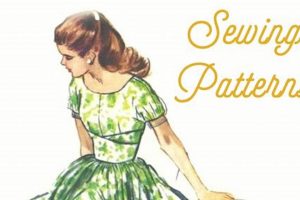
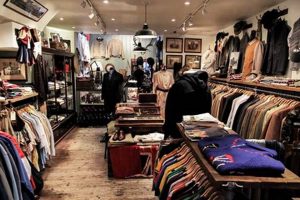
The term denotes apparel from a previous era, generally considered to be at least 20 to 30 years old. Garments falling under this classification exhibit the stylistic characteristics and design sensibilities of the period in which they were created. A dress from the 1960s, for example, reflecting the mod fashion trends of that time, would be considered an example.
Acquiring pieces from bygone decades offers numerous advantages. These items often represent superior craftsmanship and unique designs not replicated in contemporary manufacturing. Furthermore, selecting attire that has a history promotes sustainability by extending the lifespan of existing resources and reducing the demand for newly produced goods. This practice can also contribute to cultivating a distinct personal style.
Understanding the nuances of identifying and caring for such apparel is essential for both collectors and individuals seeking to incorporate these timeless styles into their wardrobes. Subsequent sections will delve into methods for authentication, preservation techniques, and avenues for sourcing authentic pieces.
Acquiring garments from prior eras requires diligence and informed decision-making. The following guidelines provide a framework for selecting authentic, well-preserved pieces and incorporating them into a contemporary wardrobe.
Tip 1: Conduct Thorough Research: Prior to purchase, investigate the prevalent styles, materials, and construction techniques associated with the garment’s purported era. Consult reputable sources such as fashion history books, museum archives, and established online resources.
Tip 2: Examine the Construction Quality: Vintage items often exhibit superior craftsmanship compared to modern mass-produced clothing. Inspect seams, hems, and closures for evidence of hand-sewing, durable stitching, and high-quality materials. A well-constructed garment is more likely to withstand the test of time.
Tip 3: Assess Fabric Composition: Familiarize yourself with the fabrics commonly used in different decades. Natural fibers such as cotton, wool, silk, and linen were prevalent prior to the widespread adoption of synthetic materials. Analyze the fabric’s texture, weight, and drape to determine its authenticity and quality.
Tip 4: Scrutinize Labels and Tags: Examine labels and tags for information regarding the manufacturer, fabric content, and care instructions. Research the history of the brand or designer to verify its legitimacy and approximate the garment’s age. Note that the absence of a label does not necessarily indicate inauthenticity, as labels may have been removed or deteriorated over time.
Tip 5: Evaluate Condition and Repairs: Carefully inspect the garment for any signs of damage, such as stains, tears, or fading. Assess the quality of any previous repairs and determine whether additional restoration is necessary. Factor the cost of cleaning and repairs into the overall purchase price.
Tip 6: Consider Fit and Alterations: Vintage sizing often differs significantly from contemporary sizing standards. Try on the garment whenever possible or obtain accurate measurements to ensure a proper fit. Be prepared to invest in professional alterations to customize the garment to your body shape and desired silhouette.
Tip 7: Patronize Reputable Sources: Seek out established vintage boutiques, antique shops, and online marketplaces with a proven track record of selling authentic and well-preserved items. Inquire about the seller’s return policy and authentication process.
Adhering to these guidelines will facilitate a more informed and rewarding experience when acquiring articles from past decades. The selection process should prioritize authenticity, condition, and personal style to ensure lasting value.
The next section will explore preservation techniques to maintain the integrity of delicate articles and enhance their longevity.
1. Era specificity
The term, in its defining characteristic, is intrinsically linked to the period of origin. The aesthetic, construction, and materials reflect the trends and technologies prevalent during its production. Era specificity is a foundational element in determining whether an item qualifies and its inherent value.
- Design Aesthetics & Silhouettes
Each period possesses distinct design aesthetics and prevalent silhouettes. The flapper dresses of the 1920s, the structured suits of the 1940s, and the psychedelic prints of the 1960s are indicative of their respective eras. Authenticating requires a recognition of these defining features.
- Textile Production Techniques
Manufacturing techniques and available fabrics also vary considerably across time. Pre-1950s pieces often feature hand-sewing and natural fibers, whereas later decades introduce synthetic materials and mass-production methods. Knowledge of these details aids in verifying the item’s age.
- Labeling and Branding
Branding practices and labeling conventions evolve. Examining labels provides crucial clues about the manufacturer and the approximate timeframe of production. Studying the history of specific labels can reveal insights into industry trends and design innovations of the time.
- Socio-Cultural Context
Fashion is intertwined with socio-cultural trends. Understanding the historical context reveals motivations behind particular styles. Military-surplus garments after WWII or the influence of the Space Race on 1960s designs exemplify the impact of cultural events on apparel.
Therefore, comprehending era specificity is essential for those seeking to accurately identify and appreciate garments from past decades. The design, construction, branding, and socio-cultural context converge to solidify the garment’s place in history.
2. Distinct stylistic characteristics

Apparel from prior eras derives its categorization, at least in part, from the distinct aesthetic attributes indicative of its time of origin. These stylistic characteristics serve as immediate visual cues, allowing for identification and classification. The presence of these distinctive features is not merely decorative; it is fundamental to the garments status as a representation of a specific period. For example, the dropped waist and beaded embellishments prominent on dresses from the 1920s are hallmarks that instantly identify a garment as belonging to that decade. Similarly, the bold geometric patterns and A-line silhouettes of the 1960s provide unambiguous indications of their era. Without these defining stylistic characteristics, the garment loses its contextual significance and cannot accurately be described as genuinely vintage.
Further illustrating the importance of stylistic details, consider the evolution of denim jeans. While jeans themselves have persisted as a staple for over a century, the cut, wash, and detailing have undergone significant transformations. High-waisted, wide-legged jeans from the 1970s exhibit characteristics radically different from the skinny, low-rise styles that dominated the early 2000s. These stylistic nuances are critical for differentiating between items from different periods and contribute to the overall narrative of fashion history. The replication of these stylistic characteristics in contemporary designsoften referred to as “vintage-inspired”underscores the enduring influence of past trends and highlights the continued relevance of these stylistic markers.
In summary, distinct stylistic characteristics are integral to the definition of attire from previous eras. They serve as tangible links to specific periods and represent the prevailing tastes and design sensibilities of those times. Recognizing and understanding these stylistic markers is essential for accurately identifying and appreciating the cultural and historical significance of apparel. The ongoing interest in designs of past decades reaffirms the enduring impact of these characteristics and their role in defining and shaping contemporary fashion trends.
3. Material composition

The constituent materials of apparel offer critical insights into its origins and authenticity. Fabric composition serves as a key determinant, directly impacting its classification and value.
- Natural Fiber Prevalence
Prior to the widespread adoption of synthetic textiles, natural fibers like cotton, linen, wool, and silk were predominantly used. A garment claiming to be from the early 20th century, yet primarily composed of polyester, would immediately raise suspicion. The texture, weave, and aging characteristics of these natural fibers differ significantly from modern synthetics, aiding in authentication.
- Dyeing Techniques and Colorfastness
Historical dyeing processes often employed natural dyes, resulting in unique color palettes and varying degrees of colorfastness. Fading or subtle color variations can be indicative of age and the use of such dyes. The presence of exceptionally vibrant, uniform colors on a purported antique item may suggest modern dyeing methods, compromising its authenticity.
- Fabric Weight and Texture
The weight and texture of historical fabrics often differ from contemporary counterparts. For example, wool fabrics from the Victorian era may exhibit a heavier weight and coarser texture compared to modern merino wool blends. Similarly, silk from the 1930s may possess a distinct sheen and drape due to differences in manufacturing processes.
- Hardware and Trimmings Composition
Beyond the primary fabric, the composition of hardware and trimmings, such as buttons, zippers, and embellishments, provides further evidence. The use of materials like Bakelite, celluloid, or specific types of metal alloys can be period-specific. The type and construction of zippers, in particular, have undergone significant evolution over time, making them a valuable indicator of a garment’s age.
Therefore, careful examination of a garments component materials is crucial. By analyzing the types of fibers, dyes, and hardware used, as well as their respective characteristics, an assessment of its authenticity and historical value can be achieved. Discrepancies in material composition can serve as warning signs, while consistent use of era-appropriate materials strengthens its position within the realm.
4. Construction quality
The level of craftsmanship exhibited in older garments serves as a critical determinant in defining its status. Construction quality, therefore, is not merely an attribute but a fundamental aspect contributing significantly to its value, durability, and aesthetic appeal.
- Seam Finishing Techniques
Examination of seam finishing techniques reveals much about its construction. Hand-finished seams, pinked edges, and meticulously bound interiors are hallmarks of high-quality construction from bygone eras. The presence of these details indicates skilled craftsmanship and attention to detail often absent in contemporary mass-produced clothing. These refined techniques ensured longevity and enhanced the overall appearance of the garment.
- Material Reinforcement
The strategic reinforcement of stress points is another key indicator. Areas such as buttonholes, pockets, and waistbands were often reinforced with additional layers of fabric or meticulously stitched to prevent tearing or stretching. This deliberate approach to garment construction demonstrates a commitment to durability and functionality, contributing to its overall lifespan and resilience.
- Fit and Pattern Making
The precision of fit and pattern making reflects the skill of the garment’s creator. Well-constructed garments exhibit a tailored fit that drapes elegantly and conforms to the body’s natural contours. This level of precision requires careful attention to detail and a deep understanding of pattern making techniques, resulting in a garment that is both comfortable and flattering.
- Hardware Integration
The quality and integration of hardware elements, such as zippers, buttons, and closures, further influence it’s value. Durable, high-quality hardware that is seamlessly integrated into the garment’s design demonstrates a commitment to both functionality and aesthetics. The use of premium materials and meticulous attachment techniques ensures that these elements withstand wear and tear, contributing to the garment’s overall longevity.
In summary, construction quality is a defining characteristic. The presence of meticulous seam finishing, strategic material reinforcement, precise fit, and durable hardware reflects a commitment to craftsmanship that elevates it beyond mere clothing. These elements contribute significantly to its overall value, durability, and aesthetic appeal, ensuring its status as a treasured artifact from a bygone era.
5. Historical context

The association between historical context and garments from previous decades is inextricable. Apparel does not exist in a vacuum; its design, materials, and construction are directly influenced by the social, economic, and political climate of its time. Understanding the historical context is, therefore, crucial to correctly classifying and appreciating its inherent value. The cultural movements, technological advancements, and prevailing ideologies of a specific era inform the styles and trends that define it. For instance, the austerity measures during World War II directly impacted clothing design, resulting in simpler silhouettes and the resourceful use of available materials. This historical backdrop is essential for interpreting the aesthetic choices and functional adaptations evident in attire from that period. Similarly, the rise of youth culture in the 1960s led to the embrace of bold colors, unconventional patterns, and shorter hemlines, reflecting a societal shift towards individuality and rebellion. These stylistic choices were not arbitrary; they were expressions of the cultural and political landscape, solidifying the connection between historical context and its tangible form.
Further illustrating this connection, consider the impact of the Industrial Revolution on textile production. The advent of mechanized looms and synthetic dyes revolutionized the clothing industry, leading to mass production and greater affordability. This technological advancement not only altered the construction techniques and materials used but also democratized fashion, making it more accessible to a wider range of social classes. The historical context of industrialization, therefore, provides insights into the evolution of clothing manufacturing and its impact on society. Moreover, the study of historical records, such as fashion magazines, advertisements, and personal accounts, offers valuable information about the wearing and reception of specific styles. These primary sources provide a nuanced understanding of how apparel was perceived, utilized, and interpreted within its original cultural context, enhancing our appreciation of its historical significance.
In conclusion, an appreciation for the relationship between historical context and design from prior decades is essential for its proper understanding and classification. Garments serve as tangible artifacts that reflect the social, economic, and political forces of their time. Recognizing the historical context enriches our understanding of fashion history, enabling a more informed appreciation of its cultural significance and its continued influence on contemporary design. Ignoring this historical backdrop risks misinterpreting the meaning and value of these cultural artifacts, ultimately diminishing their significance.
6. Rarity and collectibility
The conjunction of scarcity and demand significantly amplifies the intrinsic worth and desirability of attire from previous eras. The degree to which a garment is scarce directly influences its status and the zeal with which collectors pursue it. Limited production runs, pieces created for exclusive clientele, or garments that have survived the ravages of time in pristine condition contribute to elevating an item’s rarity. This exclusivity, in turn, drives collectibility, transforming apparel from mere clothing to coveted artifacts of fashion history. Military-issued garments from specific campaigns or designer pieces from a debut collection exemplify this dynamic, where limited availability and historical significance converge to create substantial collector interest and elevated market value.
The concept of collectibility extends beyond sheer scarcity, encompassing factors such as historical importance, designer pedigree, and cultural impact. A dress worn by a prominent figure, a piece featured in a landmark fashion exhibition, or a garment that embodies a significant cultural movement gains heightened collectibility. Chanel suits from the 1960s, for example, are highly sought after not only for their exquisite craftsmanship but also for their association with a pivotal moment in fashion history. Moreover, the condition of the garment plays a crucial role in determining its collectibility. Pieces that have been meticulously preserved, retaining their original details and exhibiting minimal wear, command higher prices among collectors. Understanding these nuances is vital for both individuals seeking to acquire pieces and those involved in appraising or selling them.
In summary, the interplay between rarity and collectibility forms a cornerstone of the market for garments from prior decades. Limited availability, coupled with historical significance, designer influence, and impeccable condition, transforms apparel into highly desirable collector’s items. This understanding is not merely academic; it has practical implications for valuation, authentication, and preservation efforts, highlighting the profound impact of scarcity and demand on the world.
7. Cultural influence

The enduring appeal of garments from previous decades is intricately linked to its role as a tangible embodiment of cultural trends, societal values, and artistic movements. This influence transcends mere aesthetics, shaping its inherent value and historical significance.
- Reflection of Societal Values
Apparel often mirrors the prevailing social norms and ideals of its time. The flapper dresses of the 1920s, with their liberated silhouettes and bold embellishments, reflected a shift towards female emancipation and a rejection of traditional constraints. Similarly, the utilitarian designs of the 1940s, characterized by their practicality and resourcefulness, were a direct response to the austerity measures imposed during World War II. Analyzing these stylistic choices provides insights into the societal values and priorities that shaped the design of clothing.
- Representation of Artistic Movements
Garments frequently incorporate the artistic styles and motifs that define specific historical periods. Art Deco influences, characterized by geometric patterns and luxurious materials, can be seen in dresses and accessories from the 1920s and 1930s. The bold colors and psychedelic prints of the 1960s reflect the countercultural movements and artistic experimentation of that era. These artistic influences elevate apparel from functional garments to works of art, enhancing their cultural significance.
- Impact on Subcultures and Identity
It often plays a crucial role in defining subcultures and expressing individual identity. The zoot suits of the 1940s, with their exaggerated silhouettes and bold colors, became a symbol of rebellion and resistance among African American and Latino communities. The punk rock movement of the 1970s embraced ripped clothing, safety pins, and unconventional hairstyles as a form of self-expression and social commentary. These subcultural affiliations imbue garments with layers of meaning beyond their aesthetic appeal.
- Revivals and Reinterpretations in Contemporary Fashion
The cyclical nature of fashion ensures that styles from past eras are continually reinterpreted and revived in contemporary designs. The resurgence of vintage-inspired silhouettes, patterns, and fabrics demonstrates the enduring influence of past trends on current fashion. Designers often draw inspiration from garments from previous decades, adapting and modernizing them for a new audience. These revivals highlight the ongoing dialogue between past and present, solidifying its place within the broader cultural narrative.
In conclusion, the cultural influence woven into garments is a defining aspect. By serving as tangible expressions of societal values, artistic movements, and subcultural identities, these pieces transcend their functional purpose to become powerful symbols of their time. The ongoing revival and reinterpretation of styles reaffirms the enduring impact of cultural trends on contemporary fashion, highlighting its significance as a mirror reflecting the evolution of society.
Frequently Asked Questions
The following questions address common inquiries surrounding garments from prior decades, providing clarification on key aspects related to its definition, value, and care.
Question 1: What age must apparel be to qualify as vintage?
While definitions vary, a generally accepted guideline stipulates that the garment should be at least 20 to 30 years old. Items predating this timeframe may be classified as antique.
Question 2: How does differ from “retro” or “vintage-inspired” clothing?
Genuine pieces are original items from a specific era, whereas “retro” or “vintage-inspired” clothing are newly manufactured garments that emulate styles from previous decades.
Question 3: Where can authentic pieces be reliably sourced?
Reputable vintage boutiques, antique shops specializing in textiles, and established online marketplaces with a proven track record offer avenues for acquiring genuine articles. Scrutinizing seller reviews and authentication practices is crucial.
Question 4: What factors contribute to determining the value of such garments?
Value is influenced by a combination of factors, including rarity, designer pedigree, historical significance, condition, and overall demand among collectors and enthusiasts.
Question 5: What are the primary concerns when cleaning and caring for delicate attire?
Gentle cleaning methods, such as hand-washing or professional dry cleaning, are recommended to preserve fragile fabrics and embellishments. Proper storage, away from direct sunlight and moisture, is also essential.
Question 6: How can one differentiate between a genuine item and a reproduction or counterfeit?
Careful examination of construction techniques, fabric composition, labeling, and stylistic details is essential. Consulting with experts in textile history can provide further insights and authentication assistance.
These responses offer a concise overview of key considerations. Further research and consultation with experienced professionals are encouraged for a more comprehensive understanding.
The subsequent section will address preservation techniques to maintain and prolong the lifespan of delicate garments.
Understanding Garments From Previous Eras
This exploration has illuminated the multifaceted meaning of attire from past decades, underscoring that the term extends beyond mere age. Defining characteristics encompass era-specific designs, material composition, construction quality, historical context, rarity, and cultural influence. These elements interrelate to establish the authenticity, value, and collectibility of items.
A continued appreciation for the historical and cultural significance of garments from previous decades ensures the preservation of tangible links to the past. Further research and responsible stewardship will safeguard these artifacts for future generations, enriching our understanding of fashion history and its enduring impact on society.