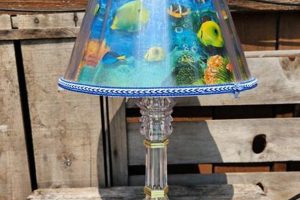
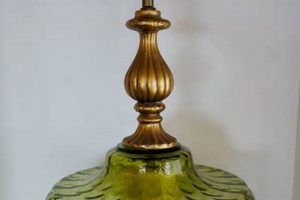
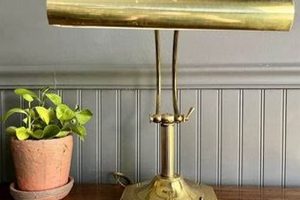
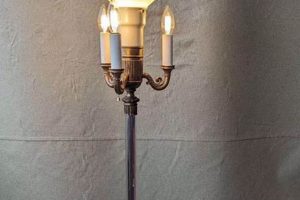
These lighting fixtures, originating from roughly the 1930s to the 1960s, represent a specific design aesthetic characterized by clean lines, organic forms, and a focus on functionality. A typical example might feature a teak wood base with a simple, cylindrical lampshade made of linen or fiberglass. The style reflects a departure from ornate designs, embracing a more streamlined and modern approach.
The popularity of these items stems from their ability to blend seamlessly into various interior design schemes, adding a touch of retro charm without overwhelming the space. Their enduring appeal lies in their durability, timeless design, and the historical significance they represent, embodying the post-war optimism and design innovation of the period. The fixtures serve not only as functional light sources but also as decorative elements that enhance the overall ambiance of a room.
Subsequent sections will delve into the key characteristics that define this design style, explore the materials commonly used in their construction, and provide guidance on how to identify and authenticate genuine pieces from this era. Furthermore, tips on incorporating these lighting elements into contemporary homes will be offered, along with maintenance and restoration advice to ensure their longevity.
Tips for Acquiring and Maintaining Mid Century Vintage Table Lamps
These curated recommendations offer insights for individuals interested in acquiring and preserving authentic lighting from the mid-century modern era. Careful consideration of these points will contribute to a successful acquisition and ensure the longevity of such pieces.
Tip 1: Verify Authenticity. Prior to purchase, scrutinize the lamp for markings, labels, or signatures from known manufacturers or designers. Consult reputable vintage dealers or online resources to validate the piece’s origin and period.
Tip 2: Assess Condition Meticulously. Thoroughly examine the lamp for any signs of damage, such as cracks, chips, or repairs to the base, shade, or wiring. Minor imperfections may be acceptable, but extensive damage can diminish value and functionality.
Tip 3: Evaluate Material Quality. Mid-century lamps often utilized materials like teak, walnut, brass, and fiberglass. Assess the quality of these materials, looking for signs of deterioration or substandard replacements. Authentic materials contribute to the lamp’s overall value and aesthetic appeal.
Tip 4: Inspect Wiring and Electrical Components. Safety is paramount. Examine the wiring, plug, and socket for any signs of wear, fraying, or damage. Consider having the lamp rewired by a qualified electrician to ensure safe and reliable operation.
Tip 5: Research Market Value. Before committing to a purchase, research the market value of similar lamps in comparable condition. This will help ensure that the price aligns with the lamp’s intrinsic worth and prevent overpayment.
Tip 6: Consider Lamp Shade Integrity. The lampshade significantly impacts the lamp’s aesthetic. Ensure the shade is free from tears, stains, or discoloration. Original or period-appropriate shades enhance the lamp’s authenticity and value.
Tip 7: Maintenance Involves Gentle Cleaning. Use a soft, dry cloth to dust the lamp regularly. Avoid harsh chemicals or abrasive cleaners, which can damage the finish or materials. For stubborn stains, consult a professional cleaner specializing in vintage items.
These recommendations emphasize the importance of informed decision-making when dealing with vintage objects. Proper assessment, diligent research, and careful maintenance are crucial for maximizing the value and enjoyment derived from these historically significant lighting fixtures.
The following sections will explore specific examples of design variations, common issues encountered with aging fixtures, and strategies for effective restoration and preservation.
1. Form

Form, in the context of a mid-century vintage table lamp, encapsulates the overall shape, silhouette, and structural design. It is a fundamental element that defines the aesthetic and dictates how the lamp interacts visually with its surroundings. The form embodies the design philosophy of the era, characterized by simplicity, functionality, and an emphasis on clean lines.
- Geometric Simplification
Mid-century design often prioritizes geometric shapes such as cylinders, cones, and spheres. Lamp bases might feature a simple cylindrical column made of wood or metal, supporting a conical lampshade. This preference for streamlined shapes eliminates unnecessary ornamentation, focusing on pure form and visual clarity. The implications are a reduction in visual clutter and a focus on essential elements.
- Organic Curves and Asymmetry
Counterbalancing the geometric approach, organic curves and deliberate asymmetry are also prevalent. Lamp bases might be sculpted into biomorphic forms, reminiscent of natural shapes. This design choice injects a sense of fluidity and dynamism into the piece, contrasting with strictly geometric compositions. The implication is to evoke a sense of naturalness and visual interest.
- Scale and Proportion
The relationship between the base and the lampshade is crucial. Lamps are often designed with deliberate proportions to create visual harmony. A tall, slender base might be paired with a wide, shallow shade, or vice versa. This careful consideration of scale contributes to the lamp’s overall balance and aesthetic appeal. Poor proportions can undermine the design intent and create a sense of visual imbalance.
- Integration of Negative Space
The strategic use of negative space, the area surrounding the lamp, enhances the design. Lamp bases with open structures or voids create visual interest and allow light to pass through, adding another dimension to the piece. The implication is the lamp does not look like a massive object, but has open element to let the room breath.
These form elements collectively contribute to the distinctive aesthetic of mid-century table lamps. Whether embracing geometric simplicity, organic curves, or a combination thereof, the emphasis on form underscores the era’s commitment to functional and visually appealing design. Examples include designs such as Laurel Lamp Company’s mushroom lamps and George Nelson’s bubble lamps, each showcasing a unique approach to form within the mid-century aesthetic.
2. Materials

The selection of materials plays a pivotal role in defining the aesthetic and functional attributes of mid-century vintage table lamps. The chosen materials reflect the design sensibilities and technological advancements of the era, contributing significantly to the overall character and value of these pieces.
- Wood (Teak, Walnut)
Wood, particularly teak and walnut, was extensively utilized for lamp bases, reflecting a preference for natural materials and warm tones. Teak’s durability and resistance to moisture made it a popular choice, while walnut provided a richer, darker aesthetic. Lamp bases crafted from these woods often featured clean lines and minimalist designs, emphasizing the natural grain and texture. The use of solid wood or wood veneers added to the lamp’s perceived quality and longevity. An example is the use of sculpted walnut in many mid-century modern lamps from companies like Modeline of California. These woods not only contributed to the visual appeal but also offered a tactile quality that resonated with the era’s emphasis on craftsmanship.
- Metal (Brass, Chrome)
Metals, specifically brass and chrome, were frequently employed for structural components, accents, and sometimes entire lamp bases. Brass offered a warm, golden hue that complemented wood and other materials, while chrome provided a sleek, modern contrast. Metal was often used for stems, sockets, and decorative elements, adding visual interest and durability. Chrome was also used for complete lamp bodies to capture the futuristic look of the time. The use of these metals enhanced the lamp’s overall aesthetic and contributed to its perceived quality and sophistication. An example of this is seen in the many brass gooseneck lamps of the period.
- Glass (Opaline, Colored)
Glass, often in opaline or colored varieties, was commonly used for lampshades and diffusers, providing a soft, diffused light. Opaline glass offered a milky white appearance that gently filtered the light, while colored glass added a touch of vibrancy and personality. Glass shades were often shaped into simple geometric forms or organic curves, complementing the lamp’s overall design. Murano glass for example, brought an artistic flair to many Italian mid-century lamps. The selection of glass type and color significantly impacted the lamp’s light output and aesthetic, contributing to its overall appeal.
- Plastics (Fiberglass, Lucite)
The mid-century era saw the emergence of new plastic materials, such as fiberglass and Lucite, which were used for lampshades and decorative elements. Fiberglass offered a lightweight and durable alternative to traditional materials, allowing for the creation of complex shapes and textures. Lucite, a clear acrylic resin, provided a sleek, modern look and could be molded into various forms. These plastics offered designers new possibilities for experimentation and innovation. An example of this experimentation can be seen in the fiberglass shades used by designers such as George Nelson. Their use reflected the era’s embrace of technology and modern materials.
In summary, the careful selection and combination of these materials defined the distinctive aesthetic of mid-century vintage table lamps. The interplay of wood, metal, glass, and plastics resulted in designs that were both functional and visually appealing, reflecting the design sensibilities and technological advancements of the era. These materials continue to contribute to the enduring appeal and collectability of these iconic lighting fixtures.
3. Functionality

Functionality, in the context of a lighting fixture from the mid-century modern period, transcends mere illumination; it encompasses user-centric design, ergonomic considerations, and adaptability to diverse environments. The functionality of such a lamp is a key determinant of its value and enduring appeal.
- Adjustability and Task Lighting
Many lamps from this era featured adjustable arms, swiveling heads, or telescoping mechanisms, enabling users to direct light precisely where needed. This adaptability made them ideal for reading, writing, or other tasks requiring focused illumination. For example, lamps with gooseneck arms allowed for easy positioning of the light source. The implication is enhanced usability and suitability for varied activities within a given space.
- Ergonomic Design and User Interface
Switch placement, cord management, and overall ease of use were carefully considered. Switches were often located in easily accessible positions, and cords were designed to minimize clutter. The form factors ensured stability and ease of handling. This attention to ergonomic details enhanced the user experience and contributed to the lamp’s practicality. For example, weighted bases prevented tipping, while clearly marked switches facilitated intuitive operation. The implication is convenience and a reduced likelihood of user frustration.
- Light Output and Distribution
The lamps were designed to provide adequate light for their intended purpose without causing glare or discomfort. Lampshades were often crafted from materials that diffused light evenly, creating a soft and inviting ambiance. The wattage of the bulb was carefully selected to balance brightness and energy efficiency. For instance, lamps with translucent shades offered a warm, ambient glow, while those with opaque shades provided more directional lighting. The implication is visual comfort and optimal illumination for various activities.
- Durability and Longevity
The use of high-quality materials and robust construction ensured that these lamps were built to last. Metal components were often treated to prevent corrosion, and wooden elements were finished to protect against wear and tear. This emphasis on durability extended the lifespan of the lamps and contributed to their enduring value. For example, brass hardware and solid wood bases were common features that enhanced the lamp’s robustness. The implication is reduced maintenance costs and continued functionality over extended periods.
The functionality of these mid-century lighting fixtures is inextricably linked to their aesthetic appeal and historical significance. These lamps represent a thoughtful integration of form and function, designed to enhance the user experience and complement the surrounding environment. The combination of practical features, ergonomic design, and durable construction has contributed to their continued desirability and relevance in contemporary settings.
4. Designers
The role of designers in shaping the aesthetic and functional attributes of lighting fixtures during the mid-century modern era is paramount. Their creative vision and technical expertise directly influenced the form, materials, and construction of these lamps, imbuing them with a distinct character that continues to resonate today. Understanding the contributions of key designers offers valuable insights into the history and significance of the era’s lighting designs.
- Pioneering Visionaries
Designers such as George Nelson, Isamu Noguchi, and Greta Grossman spearheaded the mid-century modern movement, developing innovative lighting solutions that challenged conventional aesthetics. Nelson’s “Bubble Lamps,” for instance, introduced organic forms and novel materials, while Noguchi’s Akari lamps combined traditional craftsmanship with modern design principles. Grossman’s “Grasshopper” lamp showcased her elegant and functional approach to lighting design. Their influence established new standards for lighting design and shaped the trajectory of the industry. These individuals set the standard for innovative design.
- Collaboration with Manufacturers
Many designers collaborated closely with manufacturers, such as Herman Miller, Knoll, and Lightolier, to bring their ideas to fruition. These partnerships facilitated the mass production of high-quality lighting fixtures, making modern design accessible to a wider audience. For example, Nelson’s collaboration with Herman Miller resulted in a range of iconic lighting designs that became synonymous with mid-century modern style. The implication is the successful implementation of design ideas through commercial viability.
- Experimentation with Materials and Techniques
Designers explored new materials and manufacturing techniques to create innovative lighting solutions. Fiberglass, plastic, and molded plywood were employed to achieve unique forms and textures. These materials allowed for greater design flexibility and offered alternatives to traditional materials like metal and glass. The use of these materials enabled more affordable and diverse designs to reach the consumer.
- Influence on Interior Design Trends
The designs created by these individuals influenced interior design trends, shaping the way people furnished and illuminated their homes. Their lamps became integral elements of mid-century modern interiors, contributing to the overall aesthetic of clean lines, organic forms, and functional elegance. Their designs became iconic style elements of the era. The implication is their work became representative of a larger movement and influenced interior design beyond the lamps themselves.
The collective impact of these designers and their contributions has cemented the significance of the “mid century vintage table lamp” as a symbol of innovative design and enduring style. Their creations continue to be sought after by collectors and design enthusiasts, serving as a testament to their visionary talent and the lasting legacy of the mid-century modern movement.
5. Condition
The condition of a lighting fixture originating from the mid-century modern period directly correlates with its value, functionality, and historical significance. Physical damage, such as cracks or chips in the base or shade, detracts from its aesthetic appeal and potentially compromises structural integrity. Electrical issues, including frayed wiring or malfunctioning sockets, pose safety hazards and impede functionality. Original components, if intact and operational, contribute substantially to the piece’s authenticity and market value; conversely, non-original replacement parts diminish its historical accuracy. For example, a lamp with a pristine teak base and original fiberglass shade commands a significantly higher price than a comparable model with a damaged base and replacement shade. Therefore, a thorough assessment of condition is imperative when evaluating a lighting fixture from this era.
The deterioration of materials over time presents another critical consideration. Wood finishes may exhibit wear, discoloration, or cracking. Metal components may show signs of corrosion or tarnishing. Fabric shades may suffer from fading, staining, or brittleness. These forms of degradation, while often unavoidable given the age of the items, impact both appearance and structural stability. Restoration efforts, if undertaken, must be carefully considered. Inappropriate or poorly executed repairs can further depreciate the item’s value. A lamp with its original wiring, even if slightly worn, may be more desirable to a collector than one that has been completely rewired using modern components. The decision to restore, repair, or leave untouched requires a nuanced understanding of conservation principles and market dynamics.
In summary, the condition of a mid-century modern table lamp is a multifaceted determinant of its worth, usability, and historical importance. Damage, material degradation, and the presence of non-original components negatively impact its value, while pristine condition and original parts enhance its desirability. The challenges of assessing condition and making informed decisions regarding restoration underscore the need for expertise and careful evaluation when acquiring or preserving these artifacts of design history. The interplay of these factors ultimately defines the object’s place within the market and its contribution to the broader understanding of mid-century modern design.
6. Authenticity
Authenticity is a critical attribute when assessing a lighting fixture from the mid-century modern era. It signifies that the lamp is a genuine product of its time, possessing the original components and design characteristics indicative of the period. Verifying authenticity is essential for establishing the lamp’s provenance, value, and historical significance.
- Manufacturer Markings and Labels
Original manufacturer markings, labels, or stamps are primary indicators of authenticity. These markings often include the manufacturer’s name, logo, model number, and date of production. The presence of such markings provides direct evidence of the lamp’s origin and can be cross-referenced with historical records or catalogs. The absence of verifiable markings should raise concerns about the lamp’s genuineness.
- Original Components and Hardware
Authentic lamps typically retain their original components, including the lampshade, wiring, socket, switch, and hardware. These components should be consistent with the materials and manufacturing techniques of the mid-century modern period. For example, cloth-covered wiring, Bakelite sockets, and brass hardware are characteristic of lamps from this era. Replacement parts, particularly those made from modern materials, diminish the lamp’s authenticity.
- Design Consistency and Style
The design and style of the lamp should align with the aesthetic principles and trends of the mid-century modern period. Authentic lamps exhibit clean lines, geometric forms, and a focus on functionality. The materials used, such as teak, walnut, brass, and fiberglass, should be consistent with those commonly employed during the era. Discrepancies in design or materials may indicate that the lamp is a reproduction or a later imitation.
- Provenance and Documentation
Documentation, such as original receipts, catalogs, or photographs, can provide valuable evidence of a lamp’s authenticity and history. Provenance, or the documented ownership history of the lamp, can further enhance its credibility. Lamps with a well-documented history and verifiable provenance are generally more valuable and desirable to collectors.
In summary, authenticity is a complex attribute that requires careful evaluation of various factors, including manufacturer markings, original components, design consistency, and provenance. Verifying authenticity is crucial for ensuring that a “mid century vintage table lamp” is a genuine artifact of the era, possessing the historical significance and value associated with authentic pieces. This verification process safeguards against misrepresentation and contributes to the preservation of design heritage.
7. Rarity

The scarcity of a “mid century vintage table lamp” directly influences its desirability and market value. Factors contributing to rarity include limited production runs, designs exclusive to a specific region or retailer, and pieces created by lesser-known designers whose work experienced only brief periods of visibility. Additionally, lamps crafted from uncommon materials or featuring unique design elements, such as hand-blown glass or intricate metalwork, command heightened interest due to their limited availability. For example, a Poul Henningsen Artichoke lamp produced in a small batch with specific metal finishes fetches a premium compared to standard production models. Rarity elevates the lamp from a functional object to a coveted collector’s item, transforming it into a tangible representation of design history.
Identifying a “mid century vintage table lamp” as rare necessitates meticulous research and comparison. Collectors and dealers consult archival records, manufacturer catalogs, and auction databases to ascertain production quantities and design variations. They scrutinize markings, labels, and construction details to verify originality and assess the presence of unique features. Furthermore, they consider the lamp’s condition, provenance, and historical context to determine its overall value and collectibility. Lamps designed by notable figures, such as Greta Grossman or Isamu Noguchi, may be deemed rare due to the limited output of their designs or the early termination of their production. The practical application of this understanding enables informed acquisition decisions and helps preserve culturally significant design pieces for future generations.
Ultimately, the concept of rarity in the context of a “mid century vintage table lamp” encompasses a complex interplay of factors, ranging from production constraints to design originality. Understanding these influences is crucial for appreciating the unique qualities of these objects and making informed decisions regarding their acquisition and preservation. While determining absolute rarity can be challenging, the knowledge gained from careful research and comparison enhances the appreciation of these lighting fixtures and ensures their continued recognition as valuable artifacts of design history.
Frequently Asked Questions
The following addresses common inquiries pertaining to the acquisition, authentication, and care of lighting fixtures from the mid-century modern era. The aim is to provide concise and factual answers to facilitate informed decision-making.
Question 1: What are the defining characteristics of a lamp from this period?
These items typically feature clean lines, geometric forms, and an emphasis on functionality. Materials commonly include teak, walnut, brass, and fiberglass. Designs often incorporate organic shapes and a minimalist aesthetic.
Question 2: How can the authenticity of a lamp be verified?
Examine the lamp for manufacturer markings, labels, or stamps. Assess the originality of components, such as the shade, wiring, and hardware. Compare the design and materials to known examples from the era. Consult reputable vintage dealers or online resources for verification.
Question 3: What factors influence the market value of a mid-century modern table lamp?
Value is determined by condition, rarity, authenticity, designer, and provenance. Lamps in excellent condition with original components command higher prices. Rare designs or those by renowned designers are also more valuable.
Question 4: What are some common condition issues encountered with these vintage lamps?
Typical issues include damaged or missing lampshades, frayed wiring, corroded metal components, and worn wood finishes. Cracks, chips, and repairs can also affect the lamp’s value and functionality.
Question 5: How should these lamps be cleaned and maintained?
Clean lamps with a soft, dry cloth to remove dust. Avoid harsh chemicals or abrasive cleaners. Consult a professional for stubborn stains or repairs. Have the wiring inspected and replaced if necessary to ensure safety.
Question 6: Are replacement parts readily available for these lamps?
Finding original replacement parts can be challenging. However, reproduction parts that closely resemble the originals are available from specialty retailers. Consider the impact of non-original parts on the lamp’s authenticity and value before making replacements.
This FAQ serves as a foundational guide to understanding the key aspects of acquiring and maintaining lighting fixtures from the mid-century modern era. Further research and consultation with experts are recommended for specific inquiries.
The subsequent section will explore case studies of specific lamp designs and provide detailed analyses of their features, history, and market value.
Conclusion
The preceding discourse has explored various facets of the “mid century vintage table lamp,” encompassing its stylistic attributes, material composition, functional characteristics, and the influence of its designers. Critical factors such as condition, authenticity, and rarity were also examined, providing a comprehensive overview of considerations pertinent to acquisition and preservation.
The historical significance and aesthetic appeal of the “mid century vintage table lamp” endure, continuing to influence contemporary design sensibilities. Further research and dedicated preservation efforts are essential to ensure the continued appreciation and understanding of these artifacts of design history.