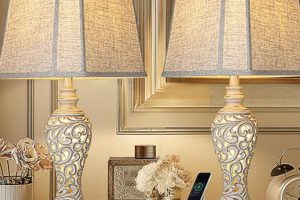
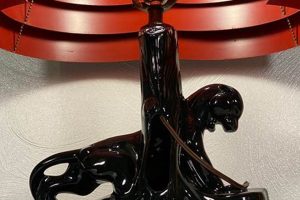
An antique lighting fixture characterized by cascading tiers of glass or crystal elements, reminiscent of flowing water, defines a distinct aesthetic within interior design. These fixtures, often dating from the Art Deco or Mid-Century Modern periods, offer a unique ambient glow due to the refraction and reflection of light through the layered design. For example, a chrome-framed fixture with multiple strands of multifaceted glass prisms exemplifies this design, dispersing light in a dazzling pattern throughout the room.
The enduring appeal of these decorative objects lies in their ability to serve as both a functional light source and a striking artistic statement. They contribute a sense of glamour and sophistication to any space, enhancing visual interest and serving as a conversation piece. Their historical context places them within a period of design innovation, reflecting a desire for elegance and modernity in home furnishings.
The subsequent sections will explore the key considerations when selecting, restoring, and maintaining such a statement piece. Furthermore, information on assessing authenticity and value will be provided to assist collectors and enthusiasts.
Essential Considerations
The acquisition and maintenance of cascade-style lighting fixtures require careful consideration to ensure lasting enjoyment and preservation of value. Prioritizing condition, authenticity, and appropriate placement is paramount.
Tip 1: Assess Condition Meticulously: Before purchase, scrutinize the fixture for cracks, chips, or missing elements. Even minor damage can impact its structural integrity and aesthetic appeal. Professional restoration may be required for heavily damaged examples.
Tip 2: Verify Authenticity: Research hallmarks and manufacturer’s marks to confirm the era and origin of the piece. Reproduction models are prevalent, and understanding genuine design features is critical. Consult expert resources for authentication guidance.
Tip 3: Evaluate Electrical Components: Prioritize safety by having the wiring inspected by a qualified electrician. Outdated or damaged wiring poses a fire hazard. Consider replacing original wiring with modern, UL-approved components while preserving the fixture’s original appearance.
Tip 4: Determine Appropriate Placement: Account for the fixture’s size and light output when selecting a location. Overly large or bright fixtures can overwhelm small spaces. Ensure adequate ceiling support for the weight of the piece.
Tip 5: Implement Gentle Cleaning Techniques: Use a soft, lint-free cloth and a mild cleaning solution to remove dust and grime. Avoid abrasive cleaners that can scratch or damage delicate glass or crystal components. Consider professional cleaning for intricate or heavily soiled examples.
Tip 6: Secure Fragile Components: For fixtures with detachable elements, ensure they are securely fastened to prevent accidental breakage. Regularly inspect and tighten any loose connections.
Diligent application of these guidelines will ensure the safe and appreciative ownership of these unique and historically significant lighting fixtures. Careful attention to these details protects investment and enhances the visual impact within a given interior.
The subsequent section will address best practices for the long-term care and storage of these valued possessions.
1. Era Identification

Era identification is a cornerstone of evaluating the authenticity, value, and historical significance of a vintage waterfall lamp. The design characteristics, materials, and manufacturing techniques employed in these fixtures varied substantially across different periods, primarily Art Deco (1920s-1930s) and Mid-Century Modern (1940s-1960s). Accurately determining the era directly influences the assessed value, as rarity and desirability fluctuate with historical context. For example, an Art Deco example featuring Bakelite accents and streamlined geometric forms is inherently more valuable than a later reproduction attempting to emulate that style.
The materials used in construction offer clues about the lamp’s origin. Genuine Art Deco fixtures frequently incorporate chrome, glass prisms, and occasionally, early plastics. Mid-Century Modern examples may feature brass, wood, or more elaborate crystal configurations. Identifying the presence of specific design motifs, such as stepped details common in Art Deco or the flowing, organic shapes characteristic of Mid-Century Modern design, further aids in pinpointing the period. Absence of features expected for a specific era can indicate a later reproduction or a composite piece.
In conclusion, accurate era identification represents a crucial step in appraising and appreciating these lighting fixtures. While challenges may arise due to modifications or repairs over time, understanding the defining characteristics of each period allows for informed decisions regarding purchase, restoration, and integration within appropriate design contexts. Misidentification can lead to inaccurate valuation and compromise the historical integrity of the piece.
2. Material Composition

The material composition of vintage waterfall lamps significantly dictates their aesthetic appeal, structural integrity, and overall value. These fixtures, characterized by cascading elements, rely heavily on the interplay between the frame and the decorative materials. The frame, typically constructed from metals such as brass, chrome, or wrought iron, provides the foundational support for the often-delicate glass or crystal strands. Consequently, the quality and condition of the frame directly impact the lamp’s longevity and visual presentation. For example, a brass frame exhibiting excessive tarnishing or corrosion can detract from the lamp’s overall allure and structural soundness.
The cascading elements, often crafted from glass or crystal, contribute to the lamp’s characteristic light diffusion and visual impact. The type of glass or crystal used affects the degree of refraction and the resulting quality of light. Lead crystal, known for its high refractive index, produces a more brilliant and sparkling effect compared to standard glass. Furthermore, the shape, size, and arrangement of these elements influence the distribution of light and the overall aesthetic. Consider the difference between a lamp with meticulously cut crystal prisms creating a focused, dazzling display versus one with molded glass droplets offering a softer, more diffused glow. The former is typically associated with higher-end designs and commands a correspondingly higher market value.
In summation, the careful selection and combination of materials are paramount to the design and function of these vintage lights. Degradation or substitution of original materials diminishes the lamp’s aesthetic and economic worth. Understanding material composition is, therefore, crucial for assessing authenticity, guiding restoration efforts, and ensuring the preservation of these historically significant decorative objects. Challenges arise when original materials are no longer available, necessitating careful sourcing of compatible replacements or employing specialized restoration techniques.
3. Light Diffusion
Light diffusion is a defining characteristic of a cascade-style lighting fixture, fundamentally influencing its aesthetic appeal and functional performance. The arrangement and material properties of the cascading elements directly dictate how light is scattered and distributed within a space, differentiating these lamps from more traditional lighting solutions.
- Material Transparency and Refraction
The selection of glass or crystal significantly impacts light diffusion. High-lead crystal, for instance, exhibits superior refractive properties, creating a brilliant, sparkling effect as light passes through its facets. Conversely, frosted or textured glass diffuses light more broadly, producing a softer, more ambient illumination. A lamp employing clear crystal prisms will generate distinct patterns of light and shadow, while one utilizing frosted glass will provide a more uniform and less dramatic illumination.
- Element Shape and Arrangement
The shape and arrangement of the cascading elements directly govern the pattern of light distribution. Prisms with multiple facets scatter light in complex, multidirectional patterns. Droplets or beads, arranged in dense clusters, tend to create a more diffuse and even glow. A waterfall design with tightly spaced, multifaceted crystals maximizes sparkle, while one with fewer, larger elements prioritizes ambient lighting.
- Light Source Type and Intensity
The type and intensity of the light source interact with the diffusing elements to determine the overall lighting effect. Warm-toned light bulbs enhance the golden hues of brass frames and contribute to a cozy ambiance. Cooler-toned bulbs accentuate the clarity and sparkle of crystal elements. The intensity of the light source should be carefully considered to avoid overpowering the diffusing capabilities of the lamp, resulting in glare or uneven illumination.
- Spatial Context and Surface Reflectivity
The surrounding environment plays a crucial role in the perceived effectiveness of light diffusion. The size and layout of the room, as well as the reflectivity of walls and other surfaces, influence how light is reflected and distributed. A small room with light-colored walls will amplify the effects of light diffusion, while a larger space with darker walls may require a brighter light source to achieve the desired level of illumination.
These interacting factors highlight the importance of considering light diffusion when selecting or restoring a cascade-style lighting fixture. The specific combination of materials, element shapes, light source, and spatial context determines the lamp’s ability to create a visually appealing and functionally effective lighting solution. By understanding these principles, individuals can make informed decisions that enhance the beauty and value of these distinctive fixtures.
4. Structural Integrity

The structural integrity of a vintage waterfall lamp is paramount, affecting both its longevity and safety. These fixtures, characterized by suspended decorative elements, are inherently susceptible to stress and degradation over time. The frame, often constructed from metal, supports the weight of numerous glass or crystal components. Consequently, any compromise in the frame’s structural soundness, such as corrosion, weakened joints, or material fatigue, presents a significant risk of collapse. A failure in structural integrity can lead to damage to the lamp itself, potential injury to individuals, and possible electrical hazards due to compromised wiring.
Assessing the structural integrity of a potential acquisition requires a thorough inspection. Evaluating the stability of the frame, examining joints for signs of stress or cracking, and verifying the secure attachment of cascading elements are crucial steps. For instance, a lamp with a visibly sagging frame or loose connections should be approached with caution. Similarly, the presence of rust or corrosion on metal components indicates weakened areas that require professional attention. Ignoring these issues can lead to catastrophic failure, rendering the lamp irreparable and potentially dangerous. Restoration efforts should prioritize reinforcing weakened areas, replacing damaged components, and ensuring the overall stability of the structure before addressing aesthetic concerns.
In summation, maintaining the structural integrity of such an antique lighting fixture is essential for preserving its historical value, ensuring its safe operation, and maximizing its lifespan. The framework must be robust enough to support the delicate cascading elements securely. A proactive approach to assessing and addressing structural issues is vital, safeguarding against potential damage and ensuring the continued enjoyment of these visually striking and historically significant artifacts. Neglecting this aspect can lead to irreversible damage and render a unique and beautiful object unsafe for use.
5. Aesthetic Style
Aesthetic style, when considered in the context of antique cascade-style lighting fixtures, encompasses the defining visual characteristics and design principles that categorize these objects within specific historical movements and artistic trends. This understanding is crucial for appreciating their artistic merit, assessing their market value, and integrating them harmoniously into contemporary or period-appropriate interior designs.
- Art Deco Influence
The Art Deco style, prevalent in the 1920s and 1930s, significantly shaped the early designs. These exhibit geometric patterns, streamlined forms, and luxurious materials such as chrome and glass. An instance of this aesthetic appears in fixtures featuring stepped tiers of prisms and geometric motifs, reflecting the era’s emphasis on industrial progress and opulent ornamentation. This design influence dictates the perceived value and placement within a Deco-inspired setting.
- Mid-Century Modern Adaptations
The Mid-Century Modern period (1940s-1960s) saw adaptations of the cascade-style, often incorporating organic shapes and materials like brass and wood. Such fixtures are characterized by flowing lines and asymmetrical arrangements of glass or crystal elements, reflecting a more minimalist and functional design philosophy. For example, lamps featuring spherical glass diffusers suspended from a brass frame exemplify this aesthetic shift, influencing the overall ambiance of a room.
- Material and Finish Variations
The specific materials and finishes employed in construction directly contribute to the lamp’s aesthetic style. The use of high-lead crystal enhances the sparkle and brilliance of the light, creating a glamorous effect, while frosted glass offers a softer, more diffused illumination. Similarly, the finish of the frame, whether polished chrome, brushed brass, or painted metal, influences the lamp’s visual character. A polished chrome finish aligns with an Art Deco aesthetic, while a brushed brass finish complements a Mid-Century Modern style.
- Scale and Proportion Considerations
The overall size and proportions are crucial in determining its aesthetic impact within a space. A grand, multi-tiered design commands attention and serves as a focal point, while a smaller, more understated piece integrates seamlessly into a minimalist setting. The scale should complement the dimensions of the room and the height of the ceiling. A large fixture in a small room can overwhelm the space, while a small fixture in a large room may appear insignificant.
These intertwined facets of aesthetic style underscore the importance of understanding design history and material properties when evaluating, restoring, or integrating these antique decorative objects. Recognizing the nuanced aesthetic characteristics ensures informed decisions and enhances the appreciation of such statement pieces within their appropriate design context. Furthermore, careful consideration of these aesthetic elements can substantially impact a fixture’s perceived value and its ability to complement or enhance a specific interior design scheme.
6. Electrical Safety
The integration of antique cascade-style lighting fixtures into contemporary settings necessitates a rigorous evaluation of electrical safety. Decades of use, coupled with evolving safety standards, present potential hazards that demand careful assessment and mitigation to ensure safe and reliable operation.
- Wiring Insulation Degradation
Original wiring insulation often deteriorates over time due to heat exposure, age, and environmental factors. This degradation can lead to short circuits, posing a fire risk. For example, brittle or cracked insulation should be replaced with modern, UL-approved wiring capable of handling contemporary electrical loads. The implication of neglecting this facet is the potential for electrical shock or fire.
- Socket and Connector Integrity
Vintage sockets and connectors may exhibit corrosion or fatigue, leading to poor electrical contact and potential overheating. This can result in flickering lights, reduced lamp lifespan, and increased fire risk. Replacement with modern, code-compliant components is often necessary. An example of this is a cracked Bakelite socket posing a shock hazard. The implication is unreliable operation and safety compromise.
- Grounding and Bonding
Many older fixtures lack proper grounding, which is essential for preventing electrical shock in case of a fault. Retrofitting a grounding wire to the fixture’s metal frame and ensuring a secure connection to a grounded electrical circuit is crucial. Consider a metal-framed lamp without a grounding wire; any internal short could electrify the entire fixture, posing a significant hazard. The consequence is a heightened risk of electrical injury.
- Load Capacity and Circuit Compatibility
The original wiring may not be rated to handle the power demands of modern light bulbs, particularly high-wattage incandescent or halogen bulbs. Overloading the circuit can cause overheating and fire. Selecting appropriate LED bulbs with lower power consumption is a safer alternative. An old lamp wired for a 40-watt bulb being fitted with a 100-watt bulb is an example of a load capacity issue. The implication is a potential for overloading the electrical system.
The intersection of these elements underscores the critical importance of prioritizing electrical safety when restoring and utilizing cascade-style lighting fixtures. Professional inspection by a qualified electrician is highly recommended to identify and mitigate potential hazards, ensuring both the preservation of the fixture and the safety of the occupants.
7. Valuation factors
Determining the monetary worth of an antique cascade-style lighting fixture involves careful consideration of multiple factors that influence its perceived desirability and market demand. These valuation factors, both tangible and intangible, collectively determine its potential resale value or insurance replacement cost.
- Rarity and Provenance
The scarcity of a particular design or model significantly impacts its value. Limited production runs, unique design features, or documented historical ownership elevate a fixture’s desirability among collectors. For example, a signed example by a renowned designer from the Art Deco period commands a premium compared to a mass-produced, unsigned piece. Provenance, or the documented history of ownership, enhances value by establishing authenticity and adding historical context. A lamp once owned by a notable figure can significantly increase its worth due to its association with a specific historical narrative.
- Condition and Originality
The physical condition and extent of original components are critical determinants of value. Well-preserved fixtures with minimal damage and intact original parts are highly sought after. Restoration efforts, while potentially improving aesthetics, can diminish value if they involve replacing original components with modern reproductions. A lamp with intact original wiring and glass elements retains more value than one with replaced or non-original components. Wear consistent with the fixture’s age is acceptable, but significant damage or modifications negatively impact its market price.
- Design and Aesthetic Appeal
The design and aesthetic appeal, encompassing factors such as artistic merit, style congruence, and decorative elements, influence its desirability among collectors and interior designers. Fixtures embodying iconic design motifs from specific historical periods, such as Art Deco or Mid-Century Modern, often command higher prices. For instance, a cascade lamp with geometric patterns and chrome accents characteristic of Art Deco would be valued differently from one with more organic forms and brass elements representative of Mid-Century Modern design. Aesthetic features, such as the quality of the glass or crystal elements, also play a role; higher quality materials and craftsmanship contribute to a more visually appealing and valuable object.
- Market Trends and Demand
Prevailing market trends and collector demand exert a significant influence on the perceived worth. Shifts in interior design preferences, the emergence of new collectors, and fluctuations in the broader antiques market affect the pricing of such pieces. Increased interest in Art Deco design, for example, can drive up the prices of examples from that era. Auction results, dealer inventories, and online sales data provide insights into current market values, helping potential buyers and sellers assess a lamp’s worth relative to prevailing trends.
The convergence of these diverse valuation factors shapes the market dynamics surrounding these lights. Accurate assessment necessitates a holistic approach, considering historical context, material quality, aesthetic appeal, and prevailing market conditions to establish a realistic and justifiable valuation.
Frequently Asked Questions
The following addresses common inquiries regarding the acquisition, restoration, and maintenance of these decorative lighting fixtures. Information provided aims to offer clarity on key aspects related to their value, authenticity, and preservation.
Question 1: How can the authenticity of a vintage waterfall lamp be determined?
Authentication involves examining design characteristics, materials, and manufacturer’s marks. Researching hallmarks, comparing details to known examples from specific periods, and consulting expert resources assists in verifying origin and age.
Question 2: What are the primary risks associated with using original electrical components?
Original wiring insulation can degrade over time, leading to short circuits and fire hazards. Sockets may exhibit corrosion, causing poor electrical contact. Outdated components often lack proper grounding, increasing the risk of electrical shock.
Question 3: How does restoration impact the value of a vintage waterfall lamp?
Restoration, if done sympathetically, can enhance the fixture’s aesthetic appeal and functionality. However, replacing original components with modern reproductions can diminish its collector value. Preservation of original materials is generally preferred.
Question 4: What cleaning methods are suitable for fragile crystal or glass elements?
Gentle cleaning with a soft, lint-free cloth and a mild cleaning solution is recommended. Abrasive cleaners can scratch or damage delicate surfaces. Professional cleaning may be advisable for intricate designs or heavily soiled examples.
Question 5: How should cascade-style lighting fixtures be stored when not in use?
These fixtures should be stored in a dry, climate-controlled environment to prevent corrosion or material degradation. Wrapping fragile components individually provides protection against damage during storage. Securing detachable parts also ensures their safety.
Question 6: What factors contribute most significantly to a vintage waterfall lamp’s valuation?
Rarity, condition, originality, and aesthetic appeal are key determinants of value. Provenance, or the documented history of ownership, can also increase its worth. Market trends and collector demand additionally influence pricing.
Understanding these inquiries and their responses provides a foundation for making informed decisions regarding these historically significant lighting fixtures. Careful consideration of these factors contributes to responsible ownership and preservation.
This information concludes the current section. Further details regarding specific restoration techniques may be found in subsequent resources.
Conclusion
This exposition has illuminated the multifaceted aspects of a vintage waterfall lamp, encompassing its historical context, material composition, structural integrity, aesthetic design, and electrical safety considerations. Valuation factors, authentication processes, and best practices for restoration and maintenance have been thoroughly explored, providing a comprehensive understanding of these unique lighting fixtures.
The enduring appeal of this specific lighting design lies in its capacity to blend functional illumination with artistic expression. As stewards of these artifacts, diligent adherence to preservation principles is paramount, ensuring their continued contribution to design history and aesthetic appreciation. Further research and informed decision-making remain essential for responsible ownership and the safeguarding of these historically significant objects for future generations.