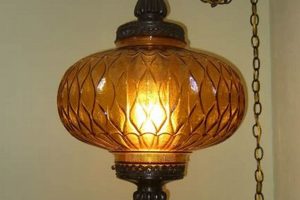
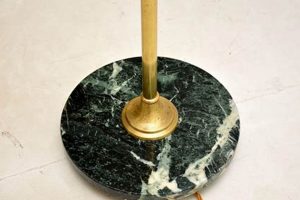
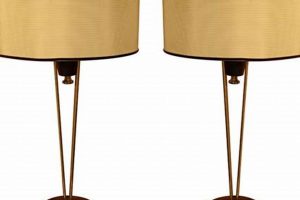
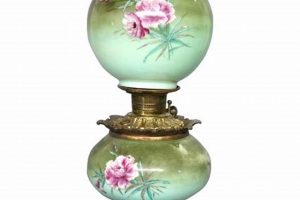
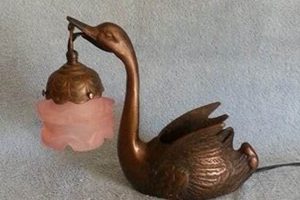
Illuminating fixtures from a specific design era, roughly spanning the 1940s to the 1970s, characterized by clean lines, organic shapes, and the use of materials like wood, metal, and fiberglass, represent a popular aesthetic. These items often feature iconic silhouettes and color palettes associated with the period, offering both functional lighting and decorative appeal.
The appeal of these fixtures stems from their inherent ability to complement a variety of interior design styles, adding a touch of retro charm and sophistication. Their enduring popularity reflects a continued appreciation for the craftsmanship and design principles of the era, offering consumers a tangible connection to a significant period in design history. These pieces can serve as focal points in a room, enhancing the overall ambiance and visual interest.
The subsequent discussion will explore the various styles and materials commonly found within this category, as well as provide insights into identifying authentic examples and incorporating them into contemporary spaces. Examination of the investment potential and care requirements will also be covered.
Tips for Identifying Quality Mid Century Vintage Lamps
Proper assessment is critical when acquiring lighting fixtures from the mid-century period. Diligence in examining construction, materials, and provenance is paramount.
Tip 1: Examine Material Composition: Verify the authenticity of materials. Teak, walnut, brass, and fiberglass were commonly employed. Modern reproductions often substitute these with inferior alternatives. A tactile assessment can reveal discrepancies.
Tip 2: Assess the Lamp’s Silhouette: Become familiar with characteristic shapes. Atomic designs, geometric forms, and organic curves were prevalent. Deviations from established patterns may indicate a later reproduction or modification.
Tip 3: Scrutinize the Wiring: Original wiring may present safety hazards. While some prefer to maintain originality, professional rewiring is often advisable. Examine the cord’s condition for fraying or cracking. UL (Underwriters Laboratories) markings are a valuable indicator of safety compliance.
Tip 4: Research the Manufacturer: Notable manufacturers include Lightolier, Laurel Lamp Manufacturing Co., and Hansen Lamps. Familiarity with these names and their design hallmarks can aid in authentication. Look for manufacturers marks or labels.
Tip 5: Evaluate the Shade: The shade should complement the base in terms of style and material. Original shades may show signs of wear or damage, but significant alterations can detract from the fixture’s value. Look for consistent aging between the base and the shade.
Tip 6: Check for Restoration or Repairs: Inspect the fixture for signs of previous repairs or restoration work. While some restoration is acceptable, excessive alterations can diminish its originality and potentially its value.
The careful application of these tips will aid in identifying genuine items of quality, ensuring a sound purchase and appreciation of mid-century design.
The following section explores the integration of these fixtures into various interior design contexts.
1. Design Aesthetics and Mid Century Vintage Lamps

Design aesthetics serve as a defining characteristic of mid-century lighting fixtures. The period’s emphasis on clean lines, geometric forms, and the integration of organic shapes into functional objects directly influenced the silhouette and overall visual appeal. This is evident in the frequent use of tapered legs, asymmetrical shades, and a general departure from the ornate styles of previous eras. The prevalence of these elements stems from a desire to create objects that were both aesthetically pleasing and functional, reflecting a broader societal shift towards modernism. Without these specific aesthetic considerations, a lighting fixture would likely fail to qualify as representative of the mid-century vintage style.
The influence of design aesthetics extends beyond mere visual appeal. These fixtures often incorporate materials in specific ways to enhance their aesthetic impact. For example, the combination of warm wood tones with cool metal accents creates a contrasting effect that is highly characteristic of the period. Furthermore, the size and scale of these lighting fixtures were often carefully considered in relation to the overall interior space, reflecting a holistic approach to design. The boomerang shape of many lamps and the use of atomic motifs further exemplify the era’s distinct design sensibilities. Consider the impact on a room when a vintage piece with all these elements are in a room, instantly sets the tone to the mid-century period.
In summary, the design aesthetics are not simply decorative elements but fundamental components that define the identity and value of mid-century vintage lamps. Understanding these aesthetic principles is crucial for identifying authentic pieces and appreciating their historical and artistic significance. The challenge lies in distinguishing genuine examples from modern reproductions that may attempt to mimic the style without fully capturing the essence of the original design principles. Appreciating the design aesthetics enhances the appreciation and understanding of this item, also allows for a better selection when choosing a Mid-century Vintage Lamps.
2. Material Composition and Mid Century Vintage Lamps
Material composition is a defining characteristic of lighting fixtures from the mid-century modern era, profoundly influencing their aesthetic appeal, durability, and overall value. The specific materials employed were not merely functional choices but integral to the design philosophy, reflecting the period’s emphasis on natural elements and innovative manufacturing techniques. The selection of materials such as teak, walnut, brass, chrome, and fiberglass directly shaped the lamps’ visual texture and tactile qualities. For instance, the warm tones of solid teak, often contrasted with the cool sheen of brass accents, became a hallmark of the style. This deliberate combination offered both visual interest and a sense of understated elegance.
The use of specific materials also had significant practical implications. Teak and walnut, prized for their durability and resistance to warping, ensured the longevity of the lamp bases. Brass and chrome provided corrosion resistance and were often used for structural components, reflecting a commitment to both form and function. Fiberglass, an innovative material at the time, allowed for the creation of translucent shades with unique shapes and light diffusion properties. The choice of material dictated not only the appearance but also the ease of maintenance and repair. Understanding these properties is crucial for assessing the quality and authenticity of vintage pieces. For example, a genuine mid-century lamp featuring solid brass components is inherently more valuable and durable than a reproduction using cheaper, plated materials.
In conclusion, the material composition of vintage lamps is not merely a technical detail; it is a fundamental aspect that reflects the design ethos, manufacturing capabilities, and aesthetic preferences of the mid-century modern era. A thorough understanding of the materials used, their properties, and their impact on both aesthetics and durability is essential for discerning authentic pieces from reproductions and for appreciating the enduring appeal of these iconic lighting fixtures. The integration of authentic materials with a high standard reflects the craftsmanship of the mid century vintage lamps.
3. Manufacturer Reputation
The standing of a manufacturer wields considerable influence in the evaluation and valuation of mid-century vintage lamps. Brand recognition often translates directly into increased desirability and a higher market value, reflecting a perception of superior design, quality, and historical significance.
- Design Innovation and Recognition
Reputable manufacturers often pioneered distinctive designs and techniques during the mid-century period. Companies such as Lightolier, George Nelson (for Howard Miller), and Laurel Lamp Manufacturing Co. were known for their innovative use of materials and forms. Their creations are often readily identifiable and command a premium due to their association with iconic design movements. Conversely, lamps from lesser-known or anonymous manufacturers may lack the same level of recognition, impacting their perceived value.
- Quality of Materials and Construction
Established manufacturers typically adhered to rigorous standards of quality in both materials and construction. They often employed superior-grade metals, woods, and glass, and their manufacturing processes emphasized durability and longevity. Lamps bearing the marks of these manufacturers are thus seen as more reliable and valuable investments compared to those from companies with a history of inferior craftsmanship. Evidence of solid construction and high-quality materials serves as a tangible indicator of a manufacturer’s commitment to excellence.
- Historical Significance and Provenance
Certain manufacturers played a pivotal role in shaping the landscape of mid-century modern design. Their lamps are not merely functional objects but historical artifacts that embody the aesthetic and cultural values of the era. Possessing a lamp from a renowned manufacturer offers a tangible connection to this design legacy. The presence of original labels, documentation, or sales records further enhances the provenance and, consequently, the value of the lamp.
- Collectibility and Market Demand
The reputation of a manufacturer directly impacts the collectibility and market demand for its products. Lamps from highly regarded manufacturers are often sought after by collectors and enthusiasts, creating a competitive market that drives up prices. Rarity, condition, and the presence of desirable design features further amplify the demand for these lamps. The perceived prestige associated with owning a piece from a celebrated manufacturer contributes significantly to its overall value and desirability.
The impact of manufacturer reputation on the valuation of mid-century vintage lamps cannot be overstated. A recognized brand serves as a guarantee of quality, design innovation, and historical significance, factors that collectively influence desirability and market value. Therefore, careful consideration of the manufacturer is an essential step in the acquisition and appreciation of these vintage lighting fixtures.
4. Historical Context

The significance of historical context in understanding lamps lies in its direct influence on design aesthetics, manufacturing techniques, and the cultural values reflected in these objects. The post-World War II era witnessed a confluence of factors that fundamentally shaped mid-century modern design. Increased availability of new materials, advances in manufacturing technology, and a shift towards more streamlined and functional forms all contributed to the unique characteristics observed in these lighting fixtures. Examining the historical context provides insight into why specific materials, such as fiberglass and molded plywood, were embraced and how the prevailing design philosophies influenced the shapes and styles of these lamps. For example, the prevalent use of atomic motifs in lamp designs directly reflects the era’s fascination with science and technology, driven by the Cold War and the Space Race. Without this historical understanding, the design choices might seem arbitrary or merely stylistic preferences.
Furthermore, historical context reveals the socio-economic factors that shaped the production and consumption of these lamps. The rise of suburban living and the increasing demand for modern home furnishings created a market for mass-produced, yet stylish, lighting solutions. Manufacturers responded by developing efficient production methods and creating designs that catered to the emerging middle class. Understanding this dynamic allows for a deeper appreciation of the design’s accessibility and affordability. The shift away from ornate, handcrafted lamps of previous eras towards simpler, more functional designs reflects a broader societal embrace of modernism and a rejection of traditional values. The Danish Modern movement, with its emphasis on natural materials and minimalist forms, had a profound impact on the overall aesthetic. The result, the design of Mid-century Vintage Lamps served practical and social purposes, reflecting what has been going on during the period of time.
In summary, the historical context provides a crucial framework for interpreting the design, materials, and cultural significance of these lighting fixtures. It illuminates the connection between societal trends, technological advancements, and artistic expression. Understanding this context is essential for collectors, designers, and anyone interested in appreciating the unique qualities of items and their enduring appeal as artifacts of a transformative period in design history. The knowledge of historical influences allows a more discerning and appreciative perspective when evaluating and integrating these lamps into contemporary spaces, or merely appreciating them.
5. Functionality
Functionality is an indispensable consideration when evaluating lighting fixtures, extending beyond mere illumination to encompass usability, adjustability, and integration within a space. In the context of lighting from the mid-century era, functionality is inextricably linked to design, reflecting a commitment to both aesthetic appeal and practical application.
- Task Lighting Capabilities
A primary function of mid-century lighting lies in its ability to provide adequate task lighting. Desk lamps, floor lamps positioned near seating areas, and adjustable spotlights were commonly designed to offer focused illumination for reading, writing, or other activities. The adjustability of these fixtures, often achieved through flexible arms or rotating shades, allowed users to direct light precisely where needed. The integration of dimmer switches in some models further enhanced functionality, permitting control over light intensity to suit varying tasks and ambient conditions.
- Ambient Illumination and Mood Setting
Beyond task lighting, also contributed significantly to ambient illumination and mood setting. Table lamps with diffused shades, sconces providing indirect light, and strategically placed floor lamps created layers of illumination that enhanced the overall atmosphere of a room. The choice of shade materials, such as fiberglass or fabric, played a crucial role in diffusing light and creating a warm, inviting ambiance. Designers considered the interplay of light and shadow to create visually stimulating spaces that were both functional and aesthetically pleasing.
- Space Optimization and Form Factor
The functionality of these lighting items also extends to their ability to optimize space. Slim profiles, minimalist designs, and the integration of lighting into furniture (e.g., integrated lamps in side tables) helped maximize usable space, particularly in smaller homes and apartments. Floor lamps with cantilevered arms provided overhead lighting without requiring ceiling fixtures, offering flexibility in placement and reducing the need for extensive wiring. The consideration of form factor as a functional element reflects a commitment to efficient and adaptable design.
- Durability and Ease of Maintenance
The functionality is directly related to the durability of materials and the ease of maintenance. Fixtures crafted from high-quality materials, such as solid brass or teak, were inherently more durable and resistant to wear and tear. Simple, clean designs minimized the accumulation of dust and facilitated easy cleaning. The use of readily accessible replacement parts ensured the longevity of these lamps, contributing to their long-term functionality and value. Attention to these practical details reflects a focus on creating lighting solutions that were not only aesthetically pleasing but also user-friendly and sustainable.
Collectively, these facets of functionality demonstrate that mid-century vintage lamps were conceived as integral components of a well-designed and livable space. Their enduring appeal lies not only in their aesthetic qualities but also in their ability to provide practical, versatile, and user-friendly lighting solutions that continue to meet the needs of contemporary living.
Frequently Asked Questions
The following addresses prevalent inquiries regarding vintage lighting fixtures, aiming to provide clarity and informed perspectives.
Question 1: How does one differentiate between a genuine mid century vintage lamp and a modern reproduction?
Authenticity verification requires meticulous examination of materials, construction techniques, and manufacturer markings. Original pieces frequently exhibit wear consistent with age, possess distinctive material characteristics (e.g., solid brass components), and bear identifiable manufacturer logos or labels. Modern reproductions often employ substitute materials, lack the same level of craftsmanship, and may exhibit inconsistencies in design details.
Question 2: What factors influence the valuation of lighting fixtures from the mid-century modern period?
Valuation is determined by a confluence of factors, including manufacturer reputation, design rarity, material composition, condition, and provenance. Lamps from renowned manufacturers such as Lightolier or Laurel Lamp Manufacturing Co. typically command higher prices. Rare designs, original materials in excellent condition, and documented ownership history further enhance the value.
Question 3: Is rewiring a mid century vintage lamp advisable, and if so, what precautions should be taken?
Rewiring is generally recommended due to safety concerns associated with aging wiring. A qualified electrician should perform the rewiring, utilizing appropriate gauge wiring and ensuring compliance with current electrical codes. Preservation of original components, such as sockets and switches, is desirable when feasible.
Question 4: How does one properly clean and maintain vintage lighting fixtures?
Cleaning protocols depend on the materials involved. Brass components can be cleaned with specialized brass cleaners, while wooden surfaces should be treated with furniture polish. Glass or fiberglass shades can be gently cleaned with mild soap and water. Avoid abrasive cleaners or excessive moisture, which can damage delicate surfaces.
Question 5: What are the common design characteristics of lighting fixtures from the mid-century modern era?
Characteristic design elements include clean lines, geometric forms, organic shapes, and the integration of materials such as teak, walnut, brass, and fiberglass. Asymmetrical shades, tapered legs, and atomic motifs are also prevalent. The overall aesthetic emphasizes functional elegance and a harmonious blend of form and material.
Question 6: Where can one reliably source authentic lighting fixtures?
Reputable sources include vintage furniture dealers specializing in mid-century modern design, estate sales, auctions, and online marketplaces with established authentication protocols. Due diligence is essential to verify the authenticity and condition of any prospective purchase.
This FAQ section provides a fundamental understanding of key considerations pertaining to the fixtures. Prudent assessment and informed decision-making are paramount in the acquisition and maintenance of these pieces.
The subsequent section will explore the integration of these fixtures into various interior design contexts.
Conclusion
This exposition has illuminated critical facets pertaining to lighting fixtures. The discussion encompassed identification, valuation, material considerations, design aesthetics, manufacturer reputation, historical context, functionality, and practical inquiries. A comprehensive understanding of these elements is paramount for discerning authentic examples and appreciating their enduring value.
The information presented serves as a foundation for informed engagement with these items. Continued exploration and critical assessment are encouraged to further refine expertise in this specialized area. A discerning approach is essential for navigating the complexities of the market and preserving the legacy of this significant design movement. Thus, informed acquisition and stewardship are paramount in ensuring the preservation of historical lighting fixtures for future generations.