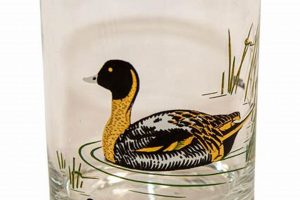
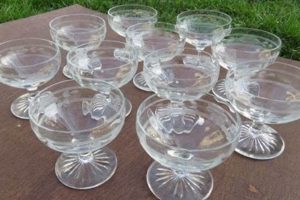
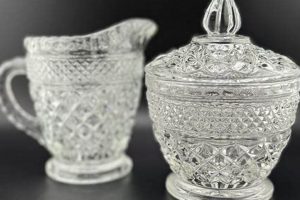
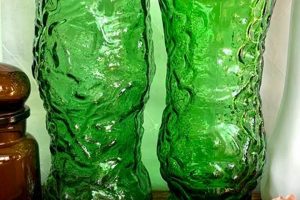
These containers, crafted from glass and used historically to hold alcoholic beverages, represent a specific category of collectible items. They are often distinguished by their age, design, manufacturing techniques, and the original contents they held. For example, a bottle from a pre-Prohibition distillery, featuring unique embossing or a hand-blown construction, would fall under this classification.
Their significance lies in their tangible connection to the past, offering insights into societal trends, manufacturing advancements, and the history of alcohol production and consumption. Studying these objects can provide valuable information for historians, collectors, and those interested in material culture. Furthermore, their aesthetic appeal can make them desirable display pieces and valuable investments.
The subsequent sections will delve into the identification and valuation of these items, explore factors influencing their collectibility, and offer guidance on their proper preservation and display.
Preserving and Evaluating Antique Liquor Vessels
The following guidelines are designed to assist in the responsible handling, assessment, and maintenance of historical spirit receptacles. Adherence to these principles will contribute to the preservation of these artifacts and ensure their continued value.
Tip 1: Conduct Thorough Research. Prior to acquisition, investigate the bottle’s origins, manufacturer, and era of production. Verify its authenticity using established resources and expert consultation where necessary. For example, research specific markings, logos, or mold numbers that correlate to known distilleries or bottling companies.
Tip 2: Document Provenance. Maintain a detailed record of the item’s history, including its source, previous owners, and any relevant information pertaining to its discovery or acquisition. This documentation significantly enhances its long-term value and desirability among collectors. Documentation might include original purchase receipts, photographs, or notarized statements.
Tip 3: Handle with Care. Exercise extreme caution when handling these fragile artifacts. Use clean, lint-free gloves to prevent the transfer of oils or contaminants. Support the entire bottle during movement to minimize the risk of accidental damage.
Tip 4: Implement Proper Storage. Store these items in a controlled environment, away from direct sunlight, extreme temperature fluctuations, and excessive humidity. These conditions can accelerate degradation and diminish the bottle’s aesthetic appeal and structural integrity. Consider displaying them in a UV-protective case.
Tip 5: Avoid Aggressive Cleaning. Refrain from using harsh chemicals or abrasive materials to clean vintage vessels. Gentle cleaning with distilled water and a soft brush is typically sufficient to remove surface dust and debris. Consult with a professional conservator for more extensive cleaning requirements. Damaging the original labels or embossing can severely devalue the piece.
Tip 6: Assess Condition Accurately. Scrutinize the bottle for chips, cracks, discoloration, or other forms of damage. The presence and severity of these imperfections directly impact its market value. Compare the condition to similar examples within the collecting community.
Tip 7: Seek Expert Appraisal. Obtain a professional appraisal from a qualified expert to determine the accurate market value. This assessment is crucial for insurance purposes, estate planning, or potential sale transactions. Ensure the appraiser specializes in antique bottles and glass artifacts.
Following these guidelines promotes responsible stewardship of these historical artifacts, safeguarding their integrity and maximizing their potential value for future generations. Preserving these pieces of history contributes to a richer understanding of our cultural heritage.
The following sections will now discuss specific examples of valuable items and the factors that influence their desirability within the collecting market.
1. Rarity

The concept of rarity exerts a considerable influence on the valuation and collectibility of vintage glass alcohol bottles. Infrequent production runs, limited distribution, or the destruction of a significant portion of an original bottling contribute directly to the increased scarcity of specific examples. This scarcity, in turn, amplifies their desirability among collectors and consequently elevates their market value. The underlying cause is simple supply and demand; as the available number of a particular bottle diminishes, its inherent worth, from a collector’s perspective, tends to increase.
For example, consider bottles produced by distilleries that operated only briefly or during specific historical periods, such as the pre-Prohibition era in the United States. Many of these companies ceased operations, leading to a finite number of their bottles surviving to the present day. Similarly, experimental or promotional bottles, characterized by unique shapes, colors, or labeling, were often produced in limited quantities. The presence of manufacturing defects, such as unintentional color variations or mold imperfections, can also paradoxically increase an item’s rarity and thus its value, as these anomalies distinguish it from standard production models. It is crucial to differentiate true rarity stemming from inherent limitations from artificial scarcity created through marketing techniques, which may not translate into sustained collector interest.
Understanding the factors contributing to the rarity of these containers is critical for collectors seeking to make informed acquisition decisions. Assessing a bottle’s provenance, production history, and the overall number of known examples can provide insights into its actual scarcity and potential long-term value. While rarity is a significant determinant, it is not the sole factor; condition, historical significance, and aesthetic appeal also play crucial roles in establishing the overall worth of vintage glass alcohol bottles. The interplay of these elements shapes the landscape of this collecting niche.
2. Condition

The physical condition of vintage glass alcohol bottles exerts a profound influence on their valuation and desirability within the collecting market. An item’s state of preservation serves as a primary determinant of its historical integrity and aesthetic appeal, directly impacting its worth to collectors and museums.
- Presence of Damage
Chips, cracks, scratches, and other forms of physical damage significantly detract from a bottle’s value. Even minor imperfections can substantially reduce the price a collector is willing to pay. The location and severity of the damage are critical factors; a small chip on the base is generally less detrimental than a crack running across the body of the bottle. Restorations or repairs, while potentially improving the appearance, are often viewed negatively as they compromise the originality of the item.
- Label Integrity
The condition of the original label, if present, is of paramount importance. A complete, legible label in good condition significantly enhances the bottle’s value. Tears, stains, fading, or missing portions of the label detract from its appeal. Original labels provide crucial information about the product, manufacturer, and era of production, making them highly desirable for collectors seeking historical context.
- Clarity and Discoloration
The clarity of the glass and the absence of discoloration are essential indicators of condition. Cloudiness, caused by mineral deposits or chemical reactions, can diminish the bottle’s aesthetic appeal and reduce its value. Discoloration, resulting from exposure to sunlight or other environmental factors, also negatively impacts the glass’s appearance and market price. Clear, vibrant glass is generally preferred by collectors.
- Surface Condition
The overall surface condition, including the presence of scratches, abrasions, or staining, affects the bottle’s visual appeal. Bottles that have been subjected to extensive handling or improper storage may exhibit a dull or worn appearance. Surface imperfections detract from the bottle’s aesthetic appeal and reduce its value. A clean, well-preserved surface is highly desirable among collectors.
In conclusion, the condition of vintage glass alcohol bottles is a multifaceted aspect that directly correlates with their market value and collectibility. Collectors meticulously assess various factors, including the presence of damage, the integrity of the label, glass clarity, and surface condition, to determine an item’s worth. Pristine, well-preserved examples command significantly higher prices and are highly sought after within the collecting community.
3. Manufacturer
The identity of the manufacturer plays a pivotal role in determining the value, historical significance, and collectibility of vintage glass alcohol bottles. The manufacturer’s reputation, historical context, and production techniques all contribute to the desirability of these items within the collector’s market.
- Brand Recognition and Reputation
Well-known and respected manufacturers often command higher prices for their vintage bottles. Brands with a long history of quality and innovation are particularly sought after. For instance, bottles from renowned distilleries like Old Forester or Jack Daniel’s, especially those from early production years, are highly desirable due to their established reputations and historical significance. This is largely driven by confidence in the brand’s heritage and the perceived quality of their products.
- Production Techniques and Innovations
The manufacturing techniques employed and any innovations introduced by a specific company can significantly impact the value of a bottle. For example, bottles produced using unique glassblowing methods or featuring distinctive embossing techniques are often prized by collectors. Companies known for pioneering specific bottle shapes, closure mechanisms, or labeling processes often have a greater appeal. These aspects reflect the historical context of manufacturing advancements and contribute to the bottle’s uniqueness.
- Historical Context and Significance
Manufacturers that played a significant role in the history of alcohol production or distribution, particularly those associated with specific historical events or movements, hold greater appeal. Bottles from distilleries that operated during Prohibition, or those associated with the rise of specific drinking trends, are often highly sought after. The historical context imbues these bottles with cultural and societal significance, making them more than just containers.
- Limited Production or Special Editions
Bottles produced in limited quantities or as special editions by specific manufacturers are typically more valuable. These may include commemorative bottles, anniversary releases, or those produced for specific events. Scarcity, combined with the manufacturer’s reputation, drives up the price. Bottles with unique identifiers, such as limited edition numbering, further enhance their collectibility.
The identification of the manufacturer, therefore, is a critical step in the evaluation of vintage glass alcohol bottles. Researching the manufacturer’s history, production techniques, and association with significant historical events can provide valuable insights into the bottle’s intrinsic value and overall desirability within the collecting market. Consideration of these elements ensures a more informed and nuanced approach to collecting.
4. Closure Type
The closure type of vintage glass alcohol bottles serves as a crucial element in determining their authenticity, age, and overall value. The evolution of closure technology directly correlates with advancements in manufacturing and bottling practices, providing valuable insights into the bottle’s historical context. For instance, early bottles often employed simple cork stoppers, secured with string or wire. The presence of such a closure on a bottle claiming to be from a later era would immediately raise concerns regarding its authenticity. The transition to more sophisticated closures, such as ground-glass stoppers or various types of metal caps, reflects significant changes in production capabilities and preservation techniques. The type of closure, therefore, can act as a reliable indicator of a bottle’s approximate age and origin.
Furthermore, the closure type influences the preservation of the contents and the bottle itself. A tightly sealed closure protects the alcohol from oxidation and evaporation, maintaining its quality over time. Conversely, a damaged or ineffective closure can lead to deterioration of the contents, potentially damaging the bottle’s interior. Collectors often prioritize bottles with original, intact closures as they represent a more complete and authentic artifact. Examples include Hutchinson stoppers, commonly found on late 19th-century soda and beer bottles but occasionally used for alcoholic beverages, and crown caps, introduced in the late 19th century and still widely used today. Their presence, condition, and the specific design contribute significantly to the bottle’s desirability and market value. The shift to screw-top closures in the 20th century further reflects advancements in mass production and sealing technology.
Understanding the different closure types associated with vintage glass alcohol bottles is essential for collectors and historians alike. It enables a more accurate assessment of the bottle’s age, origin, and overall condition. While a specific closure does not guarantee authenticity, its presence or absence can provide valuable clues regarding the bottle’s history and potential value. Recognizing these subtle details contributes to a more informed and appreciative approach to collecting these tangible pieces of history. In essence, the closure type is not merely a functional component, but a key to unlocking a deeper understanding of the bottle’s story and its place within the broader narrative of alcohol production and consumption.
5. Bottle Color
The coloration of vintage glass alcohol bottles is a significant attribute that influences their value and provides insights into their production and historical context. Variations in glass color can indicate the origin of the materials, the manufacturing processes employed, and the intended purpose of the container. Consequently, color plays a key role in the authentication and appraisal of these artifacts.
- Raw Material Composition
The specific minerals present in the raw materials used to create the glass directly affect its color. For example, iron impurities commonly result in a green or amber tint. The deliberate addition of metallic oxides can produce a wider range of colors, such as cobalt for blue, manganese for purple, or copper for green or red. The presence and concentration of these minerals can provide clues about the geographical source of the materials and the glassmaking techniques prevalent at the time of manufacture. The color, therefore, serves as a chemical fingerprint, linking the bottle to its origins.
- Manufacturing Processes
The heating and cooling processes used during glass manufacturing can also influence the final color. Incomplete oxidation or reduction reactions within the furnace can lead to variations in color intensity or the creation of unusual hues. For instance, prolonged exposure to high temperatures may cause certain minerals to react differently, resulting in color shifts. Certain antique glass production methods created “sun-purpled” glass due to manganese reacting to UV exposure. Understanding these processes is essential for distinguishing intentional color variations from unintended defects.
- Protection from Light
Specific colors were intentionally chosen to protect the contents of alcohol bottles from degradation caused by light exposure. Amber or dark green glass was commonly used to filter out ultraviolet (UV) rays, which can alter the flavor and composition of alcoholic beverages. Clear glass, while aesthetically pleasing, offered minimal protection and was often reserved for products less susceptible to light damage. The functional purpose of the color, therefore, provides insights into the intended use and storage conditions of the bottle.
- Dating and Authenticity
Certain colors are associated with specific periods in glassmaking history. For example, the presence of a distinct “olive” green shade may indicate that a bottle was produced during a particular era. Moreover, the absence of certain colors, or the presence of colors inconsistent with known manufacturing techniques of a given period, can raise concerns about a bottle’s authenticity. The color, therefore, serves as a valuable tool for dating and verifying the provenance of vintage glass alcohol bottles.
In conclusion, the color of antique liquor vessels is far from arbitrary; it reflects the interplay of raw materials, manufacturing processes, intended function, and historical context. Recognizing and interpreting these color variations is crucial for collectors and historians seeking to understand the origins, authenticity, and value of these tangible artifacts. Further study reveals color to be a multi-layered indicator of a vessel’s past.
6. Embossing Detail

Embossing detail on vintage glass alcohol bottles serves as a critical marker of origin, authenticity, and historical context. This technique, involving the creation of raised or recessed designs on the glass surface, was employed by manufacturers to brand their products, provide product information, and deter counterfeiting. The level of detail and the specific motifs used can provide valuable insights into the bottle’s age, manufacturer, and intended market. For instance, a bottle featuring intricate Art Deco-style embossing suggests a production period within the 1920s or 1930s. Similarly, the presence of specific manufacturer’s logos or trademarks, rendered in precise detail, allows for definitive identification and verification against historical records.
The importance of embossing extends beyond mere aesthetic appeal. The presence and condition of the embossing directly influence the bottle’s value to collectors. Well-defined, undamaged embossing enhances the bottle’s visual appeal and provides clear evidence of its originality. Conversely, worn or damaged embossing can diminish the bottle’s desirability and make accurate identification more challenging. Furthermore, the specific information conveyed by the embossing, such as the distillery’s name, location, or alcohol content, adds to the bottle’s historical significance. Consider the case of pre-Prohibition whiskey bottles, where the embossing often includes elaborate guarantees of purity and quality, reflecting the regulatory environment of the time. Recognizing and interpreting these details requires a careful examination of the bottle’s surface and a knowledge of historical manufacturing practices.
In summary, embossing detail on vintage glass alcohol bottles functions as a form of permanent branding and a valuable source of historical information. The meticulous study of embossing patterns, fonts, and motifs allows for accurate identification, authentication, and dating of these artifacts. While challenges may arise from wear and damage, a thorough understanding of embossing techniques and historical branding practices remains essential for collectors, historians, and anyone seeking to appreciate the rich history embodied within these tangible remnants of the past. The practical significance lies in the ability to connect with the manufacturing process of a bygone era, providing a unique lens through which to view social and commercial history.
7. Original contents
The presence, or documented absence, of original contents within vintage glass alcohol bottles is a significant factor influencing their value and historical importance. The original liquid, whether intact or evaporated, offers a direct link to the bottling date, providing potential insights into the distillery’s practices and the product’s composition at the time. An intact, sealed bottle suggests a higher probability of authenticity and can command a premium among collectors. However, the mere presence of liquid does not guarantee genuineness, as modern counterfeiting techniques can replicate the appearance of aged spirits. The type of closure, its condition, and the fill level are crucial indicators that must align with the supposed era of production.
Even if the original contents have evaporated, residue analysis can provide valuable information about the type of alcohol that was once contained within the bottle. Chemical analysis can identify characteristic compounds associated with specific spirits like whiskey, gin, or rum, confirming the intended use of the bottle. The absence of residue, or the presence of substances inconsistent with alcohol production, would raise concerns about authenticity or potential alterations. This type of analysis is particularly useful when dealing with bottles lacking clear markings or labels. For instance, a bottle with a pontil mark, suggesting manufacture prior to the mid-19th century, should not contain residue indicative of a product that wasn’t invented until later.
Ultimately, the connection between the original contents and the bottle’s history is inextricable. While a pristine, sealed bottle with verified contents represents the ideal scenario, the information gleaned from residue analysis or documented evidence of original contents can still significantly enhance a bottle’s value and historical significance. The practical significance lies in the increased confidence in authenticity and the enhanced ability to accurately contextualize the artifact within the broader history of alcohol production and consumption. The absence of information, however, doesn’t inherently negate the historical importance of a bottle, but necessitates a heavier reliance on other factors like the manufacturer, embossing details, and bottle color for authentication and valuation.
Frequently Asked Questions about Vintage Glass Alcohol Bottles
The following questions address common inquiries and misconceptions surrounding the identification, valuation, and preservation of vintage glass alcohol bottles. The answers provided are intended to offer clarity and guidance for collectors and enthusiasts.
Question 1: What features determine the value of a vintage glass alcohol bottle?
Several factors contribute to the valuation of these containers, including rarity, condition, manufacturer, closure type, bottle color, embossing detail, and the presence (or reliable documentation) of original contents.
Question 2: How can one ascertain the authenticity of a vintage glass alcohol bottle?
Authentication requires careful examination of several elements. These include verifying the manufacturer’s markings, scrutinizing the embossing details for consistency with known historical examples, assessing the bottle color and closure type for compatibility with the purported era of production, and considering the overall condition in relation to its age.
Question 3: What is the correct method for cleaning vintage glass alcohol bottles?
Gentle cleaning with distilled water and a soft, non-abrasive brush is generally recommended. Harsh chemicals or abrasive materials should be avoided, as they can damage the glass surface or the original labeling. For significant dirt and contaminants, consider consulting a professional conservator.
Question 4: How should vintage glass alcohol bottles be stored to ensure preservation?
Proper storage involves maintaining a stable environment, free from direct sunlight, extreme temperature fluctuations, and excessive humidity. Display in UV-protective cases is advisable to prevent fading and discoloration. Secure placement is crucial to avoid accidental breakage.
Question 5: Does the presence of original contents always increase the value of a vintage glass alcohol bottle?
While the presence of verified original contents can enhance value, it is not invariably the case. The condition of the contents, the type of closure, and the overall authenticity of the bottle are also critical considerations. Suspected counterfeit contents can significantly diminish the value.
Question 6: Where can one find reputable sources for appraising vintage glass alcohol bottles?
Consulting with experienced antique bottle dealers, auction houses specializing in collectibles, and qualified appraisers with expertise in vintage glass is recommended. Thoroughly research their credentials and verify their knowledge of the market.
Accurate identification and valuation require diligent research and informed assessment. These guidelines serve as a foundation for navigating the complexities of collecting these artifacts.
The following section will explore case studies of significant vintage glass alcohol bottles and their historical context.
Conclusion
The study of vintage glass alcohol bottles reveals a multifaceted interplay of historical context, manufacturing techniques, and market valuation. Examining these artifacts provides tangible insights into past societal trends, economic conditions, and technological advancements within the alcohol industry. Understanding the subtle nuances of bottle color, embossing detail, and closure types is essential for accurate identification and authentication.
Continued research and preservation efforts are crucial to safeguarding these valuable remnants of our cultural heritage. By fostering a deeper understanding of the factors that influence their value and historical significance, the legacy of vintage glass alcohol bottles will be preserved for future generations, offering a continuing connection to the past.