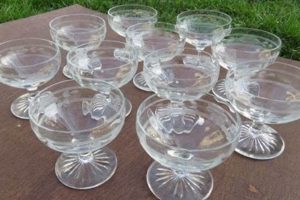
These delicate vessels, often handcrafted from leaded glass, represent a bygone era of refined taste and craftsmanship. Characterized by intricate designs, delicate stems, and the distinctive clarity of their composition, they were frequently used to enhance the sensory experience of wine consumption. Examples range from simple, elegant designs to elaborate pieces featuring etched patterns, cut details, and vibrant colors.
Their value extends beyond mere functionality, embodying historical significance and artistry. Possessing these items signifies an appreciation for both the wine being served and the craftsmanship involved in their creation. They represent a connection to social customs and aesthetic preferences of previous generations, offering insight into historical dining rituals and entertainment practices. Their presence on a table evokes a sense of occasion and elevates the overall dining atmosphere.
The following sections will delve deeper into aspects such as identifying genuine articles, understanding their care requirements, and exploring their role in collecting and investing.
This section provides essential guidance for enthusiasts and collectors, focusing on informed selection and responsible preservation.
Tip 1: Authenticate the Origin: Verify the manufacturer’s mark or label. Reputable glassmakers often included identifying marks, offering verifiable proof of origin and era. Research these marks to differentiate between genuine articles and reproductions.
Tip 2: Assess the Clarity and Weight: True examples often possess exceptional clarity due to their lead content. The presence of lead also contributes to a noticeable weight. Examine for imperfections like bubbles, which, while not necessarily indicative of forgery, can impact value.
Tip 3: Inspect for Damage: Thoroughly scrutinize each item for chips, cracks, or clouding. Even minor damage can significantly diminish value. Use a magnifying glass to identify hairline fractures that may not be visible to the naked eye.
Tip 4: Understand the Design Era: Different eras exhibited distinct design characteristics. Research common styles from the Art Deco, Mid-Century Modern, or Victorian periods to better assess authenticity and value. Familiarize yourself with popular patterns and etching styles.
Tip 5: Handle with Care: Due to their delicate nature, appropriate handling is paramount. Avoid sudden temperature changes and never place them in a dishwasher. Hand-washing with mild soap is recommended, followed by careful drying with a lint-free cloth.
Tip 6: Storage Considerations: Store these items in a protected environment, preferably in padded cases or compartments. Avoid stacking them, as this can lead to scratching or chipping. Consider climate-controlled storage to prevent deterioration.
Tip 7: Seek Expert Advice: When in doubt, consult with a qualified appraiser or antiques dealer. Their expertise can provide invaluable insights into authenticity, value, and preservation techniques. Documented appraisals can be beneficial for insurance purposes.
Adhering to these guidelines allows for informed acquisitions and ensures the longevity of these fragile pieces of history, preserving their aesthetic and monetary value.
The following section will explore the subject of collecting from these items and how to evaluate the worth of these fragile pieces of history.
1. Material Composition

The defining characteristic separating these glasses from standard glassware lies within their material composition, primarily the inclusion of lead oxide. This addition, typically ranging from 24% to 30%, alters the fundamental properties of the glass, resulting in enhanced brilliance, clarity, and weight. The presence of lead oxide increases the refractive index, causing light to bend more intensely as it passes through the glass. This heightened refraction contributes to the sparkling appearance and visual appeal associated with crystal.
The use of leaded glass impacted crafting techniques. The increased softness due to lead allowed artisans to create intricate designs. Examples abound: consider the complex cut patterns on antique Waterford pieces or the delicate etched floral designs on Moser glasses. Without the lead content, achieving such levels of detail would be exceptionally difficult, if not impossible. The lead content, furthermore, influences the resonant tone produced when the glass is tapped, often described as a clear, bell-like ring that distinguishes crystal from ordinary glass. Therefore, the increased refractive index causes the wine’s color to appear more vibrant and intense, and the glass’s increased weight provides a more substantial and luxurious feel.
However, awareness of material composition is critical. Though aesthetically pleasing, the lead content presents considerations. Over time, lead can leach into liquids stored within the glass, posing a health risk, particularly with prolonged exposure. Therefore, the understanding of material composition is essential for informed enjoyment and handling of these pieces, emphasizing the importance of proper cleaning and usage protocols to minimize potential health concerns. The appreciation of material composition is integral to understanding the historical value and potential health implications of these vintage items.
2. Craftsmanship Quality

Craftsmanship quality stands as a paramount determinant of value and aesthetic appeal for these delicate items. The meticulous execution of design, shaping, and detailing reflects the skill and artistry of the glassmakers involved, influencing both the visual beauty and functional performance of the glassware.
- Precision Cutting and Polishing
The precision and artistry involved in cutting and polishing glass significantly impact its light refraction and overall appearance. High-quality examples exhibit clean, crisp cuts that create a dazzling display of reflected light. Smooth, polished surfaces eliminate imperfections, enhancing the clarity and brilliance of the material. Flaws in cutting or polishing diminish the aesthetic value and can compromise the structural integrity of the piece.
- Intricate Etching and Engraving
Many pieces feature elaborate etched or engraved designs, showcasing intricate patterns, floral motifs, or personalized monograms. The fineness of the lines, the depth of the etching, and the overall artistic composition contribute to the perceived quality. Poorly executed etching appears uneven or lacks detail, detracting from the overall beauty.
- Stem and Foot Construction
The design and construction of the stem and foot are critical for stability and balance. Well-crafted stems are slender yet sturdy, providing a comfortable grip. The foot should be perfectly level, ensuring the glass sits securely on a flat surface. Imbalances or poorly joined components indicate inferior craftsmanship.
- Overall Form and Symmetry
The overall form and symmetry of the glass contribute to its aesthetic appeal and functional performance. A well-proportioned glass feels balanced in the hand and enhances the sensory experience of wine consumption. Asymmetrical shapes or uneven walls suggest rushed production or lack of attention to detail.
In essence, craftsmanship quality reflects the dedication and expertise of the glassmakers. These attributes, evident in precision cutting, intricate etching, sturdy construction, and symmetrical form, are key considerations for collectors and enthusiasts alike. Investing in examples exhibiting superior craftsmanship guarantees the acquisition of objects that represent lasting value and enduring beauty.
3. Design Era

The design era significantly influences the characteristics and valuation of glassware. Each period imparts distinct aesthetic features, reflecting prevailing artistic movements, technological advancements, and cultural preferences. These eras impact shape, ornamentation, and overall style.
For instance, Art Deco era examples, popular in the 1920s and 1930s, often exhibit geometric patterns, streamlined silhouettes, and bold ornamentation. These pieces frequently incorporate stepped designs, angular handles, and contrasting color schemes. In contrast, Victorian-era pieces from the late 19th century typically display ornate detailing, elaborate etching, and floral motifs. The stems might feature intricate knops, and the bowls often showcase complex cut patterns. Mid-Century Modern era glassware, from the 1950s and 1960s, typically emphasizes minimalist designs, clean lines, and organic shapes. These pieces might feature slender stems, gently curved bowls, and subtle color accents. Identifying the design era informs accurate dating and valuation and also dictates appropriate care and handling methods. Understanding the stylistic nuances associated with each period allows collectors to make informed acquisition decisions and appreciate the historical context of each piece.
In summary, the design era is a crucial element in appreciating and evaluating these antique items. It offers insights into the cultural and artistic influences shaping their creation, impacting their value, and guiding preservation efforts. Neglecting this aspect diminishes a full appreciation of historical and aesthetic importance.
4. Rarity

Rarity exerts a substantial influence on the valuation and desirability of glassware. Scarcity, driven by factors such as limited production runs, unique design characteristics, or historical significance, elevates the perceived value. Identifying and understanding the causes of scarcity necessitates careful consideration.
- Limited Production Runs
Manufacturers may have intentionally produced only a limited quantity, making them immediately scarce. This may have been a marketing tactic or a consequence of intricate designs that were too costly or difficult to reproduce widely. Examples include commemorative editions or pieces created for specific events. The fewer the items produced, the higher the potential value among collectors.
- Unique Design Characteristics
Glassware featuring unusual or unconventional designs commands premium prices. This could involve novel shapes, rare color combinations, or elaborate ornamentation techniques that set them apart from standard production pieces. The presence of distinctive design elements can greatly increase the allure and value.
- Historical Significance
Pieces associated with significant historical events, famous figures, or renowned manufacturers possess added intrinsic value. Ownership by a notable person or production during a pivotal period can elevate their status. Documented provenance substantially increases the collectible value, providing a tangible link to history.
- Survival Rate and Condition
The number of original pieces that have survived to the present day contributes directly to the overall scarcity. Fragility means that many examples have been damaged or destroyed over time. Pieces in excellent condition are far more rare and therefore valuable. Condition acts as a multiplier, enhancing the value of already scarce items.
In conclusion, rarity, as shaped by limited production, unique design, historical significance, and survival rate, plays a pivotal role in determining the desirability and value of these delicate vessels. The confluence of these factors transforms individual items into prized collectibles, sought after by enthusiasts and investors alike. Therefore a deep knowledge about causes scarcity is essential when dealing with the objects.
5. Condition
The physical state of these delicate objects profoundly impacts their value, desirability, and suitability for practical use. Given their inherent fragility and age, the presence or absence of damage significantly influences their worth. Flawless examples command substantially higher prices and offer a more authentic representation of their original craftsmanship.
- Absence of Chips and Cracks
Chips and cracks are among the most common forms of damage encountered. Even minor imperfections detract from the visual appeal and reduce structural integrity. Chips around the rim or base are particularly detrimental, as they compromise both the functionality and aesthetic value. Cracks, whether hairline or more extensive, can weaken the glass and increase the risk of breakage. Pieces free from such defects are considered highly desirable and retain greater value.
- Clarity and Transparency
Original clarity and transparency are crucial indicators of condition. Over time, glassware can develop clouding or staining due to mineral deposits from water or chemical reactions with cleaning agents. This loss of clarity diminishes the brilliance and detracts from the visual appreciation. Examples with minimal clouding and maintaining their original luster are more highly valued.
- Integrity of Decoration
Many examples feature intricate decorations such as etching, engraving, or painted designs. The preservation of these embellishments is essential for maintaining their artistic value. Fading, scratching, or loss of detail in the decoration significantly reduces appeal. Pieces with intact and vibrant decorations are considered superior examples.
- Stability and Structural Soundness
The overall stability and structural soundness are key factors. A wobbly base or loose stem indicates potential structural weakness, making the glass prone to tipping or breakage. Pieces that exhibit solid construction and balanced proportions are more desirable and safer to handle.
In conclusion, the condition plays a pivotal role in determining the worth and desirability of these objects. Examples free from chips, cracks, and clouding, with intact decorations and sound structural integrity, represent the most sought-after specimens. Prospective buyers and collectors should carefully assess these factors to make informed decisions and ensure long-term appreciation of their acquisitions. Therefore attention must be applied when evaluating a glassware
6. Provenance

The documented history of ownership, or provenance, significantly influences the value and desirability of antique glassware. A well-documented lineage adds credibility, confirms authenticity, and connects the item to historical events or notable figures, thereby enhancing its appeal to collectors and investors alike.
- Authentication and Verification
Provenance serves as a critical tool for authenticating the origin and age of antique items. Documents such as original sales receipts, auction catalogs, estate inventories, or letters of correspondence provide verifiable evidence of past ownership. The presence of such documentation supports the item’s legitimacy and helps to distinguish it from reproductions or forgeries. Authenticity greatly influences its market value.
- Historical Context and Significance
The historical context associated with glassware can enhance its significance and value. If a piece can be traced to a specific historical event, a notable family, or a renowned estate, its provenance imbues it with cultural or historical resonance. For example, if a set of glasses were used during a particular historical event, the documentation of that link would greatly enhance the item’s collectible value.
- Collection History and Notable Owners
Evidence of previous ownership by prominent collectors, historical figures, or well-known families enhances its prestige and desirability. Objects from established collections often command higher prices at auction, as they are associated with discerning taste and historical importance. Inclusion in a prestigious collection further validates its quality and authenticity.
- Impact on Market Value and Investment Potential
Provenance directly correlates with the market value of glassware. Items with complete and verifiable provenance records typically fetch higher prices compared to those with undocumented histories. Investors often seek pieces with robust provenance, as it increases their potential for appreciation and resale value. Provenance represents a tangible link to the past that influences the object’s financial prospects.
In conclusion, provenance serves as a fundamental element in evaluating fine glassware. Its role in authentication, historical contextualization, and market valuation cannot be overstated. Collectors and investors understand this intrinsic connection and place a high premium on objects with verifiable and compelling ownership histories.
7. Market Demand

The economic principle of market demand exerts a significant influence on the valuation and liquidity of glassware. This demand, shaped by a confluence of factors, determines the prices collectors and enthusiasts are willing to pay, thereby driving the financial dynamics within the vintage glass market.
- Collector Preferences and Trends
Prevailing collector preferences and market trends critically shape demand. Periodic surges in popularity for specific patterns, manufacturers, or design eras directly impact prices. The emergence of design movements or renewed interest in historical periods can lead to increased demand for related items. An example includes the heightened demand for Art Deco glassware following renewed interest in the Roaring Twenties aesthetic, driving prices of pieces from manufacturers like Val Saint Lambert. This illustrates how stylistic shifts influence collector behavior and subsequent pricing strategies.
- Economic Conditions and Disposable Income
Overall economic conditions and levels of disposable income substantially influence demand. During periods of economic prosperity, increased discretionary spending often translates into greater investment in luxury items, including antique glassware. Conversely, economic downturns can dampen demand, leading to price adjustments and reduced market activity. For instance, luxury goods markets experience growth during economic expansions but face contraction during recessions, reflecting the direct correlation between financial stability and investment in collectibles. The economic climate directly impacts investment inclinations in glassware.
- Online Marketplaces and Accessibility
The proliferation of online marketplaces and auction platforms has significantly expanded accessibility and broadened the potential buyer base. Online platforms facilitate global reach, connecting buyers and sellers across geographical boundaries. This increased accessibility enhances competition and can drive up prices for highly desirable items. Websites like eBay and specialized antique marketplaces now serve as central hubs, where global demand converges, thus reshaping pricing dynamics and distribution channels. The internet has revolutionized the buying and selling sphere, impacting market access and product prices.
- Scarcity and Condition of Available Pieces
The interplay between market demand and the scarcity and condition of available pieces is a crucial price determinant. Limited availability of pristine or rare examples intensifies competition among collectors, driving prices to premium levels. Pieces in exceptional condition or those with documented provenance command greater value, reflecting the higher willingness to pay for superior items. Rare pieces from Baccarat, for example, if found in mint condition can command high value at auction and in the marketplace.
These facets underscore the complex interplay between market demand and the valuation of fine glassware. Collector preferences, economic conditions, online accessibility, and the availability of high-quality pieces collectively shape market dynamics and influence investment decisions. Understanding these factors enables both buyers and sellers to navigate the vintage glass market with greater awareness and strategic acumen.
Frequently Asked Questions
This section addresses common inquiries regarding crystal vintage wine glasses, providing factual information to clarify misconceptions and offer guidance on identification, care, and valuation.
Question 1: What distinguishes crystal vintage wine glasses from ordinary glass?
Crystal vintage wine glasses contain lead oxide, typically 24% or higher. This inclusion increases the glass’s refractive index, resulting in enhanced brilliance and clarity compared to standard soda-lime glass. The presence of lead also impacts weight and produces a characteristic ringing sound when tapped.
Question 2: How can genuine crystal vintage wine glasses be identified?
Authenticity indicators include examining for maker’s marks or acid-etched signatures, assessing the weight and clarity of the glass, and scrutinizing for signs of handcraftsmanship, such as slight irregularities. Researching known patterns and designs from reputable manufacturers is also advisable.
Question 3: Is it safe to drink from lead crystal vintage wine glasses?
Occasional use is generally considered safe; however, prolonged storage of acidic liquids, such as wine or spirits, in lead crystal can result in lead leaching. Routine use is not recommended, particularly for pregnant women and children. Modern lead-free crystal alternatives are available for those concerned about potential health risks.
Question 4: What is the proper method for cleaning crystal vintage wine glasses?
Hand washing with lukewarm water and mild detergent is recommended. Abrasive cleaners or scouring pads should be avoided, as they can scratch the surface. Gentle drying with a lint-free cloth is essential to prevent water spots and maintain clarity. Dishwashers are generally not recommended due to the risk of thermal shock and mechanical damage.
Question 5: How should crystal vintage wine glasses be stored to prevent damage?
Store glasses upright in a padded case or cabinet to prevent scratching or chipping. Avoid stacking them directly on top of each other. Consider using individual sleeves or dividers to provide added protection. Maintaining a stable temperature and humidity level is also beneficial.
Question 6: What factors influence the value of crystal vintage wine glasses?
Valuation determinants include the manufacturer, age, rarity, condition, design intricacy, and provenance. Pieces from renowned makers, limited-edition designs, and those with documented historical significance typically command higher prices. The absence of chips, cracks, or clouding significantly enhances value.
The key takeaways emphasize the importance of recognizing authentic hallmarks, employing careful cleaning practices, understanding the potential risks associated with lead content, and appreciating the multifaceted aspects that determine value.
The next section will summarize the key points discussed and offer concluding insights into appreciating and managing vintage glassware.
Conclusion
This exploration has illuminated the nuanced attributes and considerations surrounding crystal vintage wine glasses. From the defining material composition of leaded crystal to the significance of craftsmanship, design era, rarity, condition, provenance, and market demand, each element contributes to their intrinsic value and aesthetic appeal. Understanding these facets is critical for collectors, investors, and enthusiasts seeking to appreciate their historical and artistic importance.
Careful attention to authenticity, preservation techniques, and market dynamics ensures responsible stewardship of these fragile artifacts. Recognizing both the inherent beauty and potential health considerations associated with lead crystal fosters informed appreciation and safeguards their enduring legacy for generations to come. Further research and engagement within the collecting community will undoubtedly enrich one’s understanding of these timeless pieces.