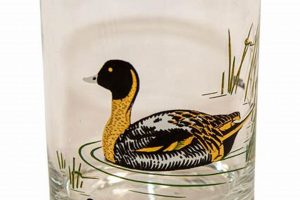
These miniature sculptures, crafted from glass during earlier periods, represent creatures from the animal kingdom. These pieces often reflect the artistic styles and techniques prevalent during their production era, and individual examples can range from highly realistic portrayals to more stylized, abstract interpretations.
The appeal of these collectible items lies in their aesthetic value, historical significance, and potential investment opportunity. They offer a tangible connection to the past, reflecting evolving artistic sensibilities and glassmaking technologies. Certain manufacturers or designs are highly sought after, increasing their value to collectors and enthusiasts.
The following sections will delve into identifying characteristics, popular manufacturers, valuation factors, and preservation techniques related to these unique decorative objects. This information is designed to aid both novice and experienced collectors in understanding and appreciating the artistry and history behind these delicate creations.
Collecting Glass Animal Miniatures
This section provides essential guidelines for acquiring, evaluating, and preserving diminutive glass animal sculptures produced in past eras. These directives aim to enhance understanding and appreciation of the subject matter.
Tip 1: Researching Manufacturers: Prior investigation into recognized glassmakers significantly improves informed purchasing decisions. Companies such as Murano, Fenton, and Baccarat are associated with specific styles and quality levels. Identify maker’s marks or labels to verify authenticity.
Tip 2: Assessing Condition: Careful examination for cracks, chips, or repairs is crucial. Damage negatively impacts value. Utilize magnification to scrutinize surfaces and joins for imperfections.
Tip 3: Evaluating Color and Clarity: The vibrancy and uniformity of the glass color are indicators of quality. Clarity denotes the absence of internal flaws, such as bubbles or streaks. Original, unfaded colors are generally more desirable.
Tip 4: Recognizing Design Features: Awareness of prevalent designs, such as realistic depictions or stylized forms, helps ascertain period and origin. Study reputable sources to understand the design evolution of various manufacturers.
Tip 5: Understanding Market Value: Consult price guides, auction records, and reputable dealers to establish fair market values. Prices fluctuate based on rarity, condition, and demand. Beware of prices that seem disproportionately low, as they may indicate reproductions or damaged items.
Tip 6: Proper Storage and Display: Store glass animal miniatures in dust-free, temperature-controlled environments to prevent damage. Employ secure display methods to avoid accidental falls or impacts. Avoid prolonged exposure to direct sunlight, which can fade colors.
Tip 7: Gentle Cleaning Techniques: Clean glass pieces with a soft, lint-free cloth and mild, non-abrasive soap. Avoid harsh chemicals or abrasive cleaners, as these can scratch or damage the surface. Handle delicate pieces with care to minimize the risk of breakage.
Adhering to these recommendations will assist in building a collection of significance and value while preserving the artistic and historical integrity of the individual pieces.
The subsequent sections will explore the importance of provenance and the future trends in the collectible glass animal miniature market.
1. Craftsmanship

The artistry exhibited in diminutive glass animal sculptures directly determines their intrinsic value and collector appeal. Craftsmanship, encompassing the skill and technique employed in their creation, dictates the level of detail, realism, and aesthetic impact achieved. Superior glassmaking skills, evident in refined sculpting, precise color application, and flawless finishing, elevate a common form into a work of art. Imperfections, such as asymmetrical features, visible seams, or uneven coloration, diminish the overall quality and, consequently, the collectibility. For instance, detailed internal sculpting within a Lalique crystal fish, contrasted with the simple mold-formed body of a mass-produced piece, illustrates the definitive impact of craftsmanship.
The techniques used in forming these glass figures also contribute significantly to the assessment of craftsmanship. Lampworking, involving the shaping of molten glass with a torch, allows for intricate detailing and delicate features, often seen in the works of skilled Venetian artisans. Mold-blowing, while faster and less labor-intensive, typically results in less detailed and more uniform designs. The type of glass used also factors into the quality of craftsmanship. Lead crystal, prized for its clarity and brilliance, enables more refractive and visually appealing sculptures compared to lower-quality soda-lime glass. Skilled glassblowers manipulate these materials to create pieces that capture movement, texture, and lifelike representations of their animal subjects.
In summary, the level of craftsmanship evident in antique glass animal figures is not merely an aesthetic consideration; it is a fundamental determinant of value and historical significance. Mastery in sculpting, manipulation of materials, and refinement in finishing techniques are hallmarks of exceptional pieces. Collectors prioritize identifying and appreciating these distinctions, as they represent the apex of artistic achievement within the field of glass animal miniatures, ensuring both the preservation and future appreciation of these miniature works of art.
2. Material Composition

The material composition of diminutive glass animal sculptures created in previous eras directly influences their aesthetic properties, durability, and ultimately, their value. Variations in glass formulations, including the proportions of silica, soda, lime, and other additives, resulted in diverse visual characteristics. Lead crystal, for instance, possesses a higher refractive index, yielding greater brilliance and sparkle, qualities highly prized by collectors. Conversely, soda-lime glass, while less expensive to produce, exhibits lower clarity and is more prone to surface scratches. The presence of metallic oxides introduced during the glassmaking process imparts specific colors; cobalt oxide, for example, produces a deep blue hue, while manganese dioxide can create amethyst tones. The precise control and application of these colorants defined the artistic expression and visual appeal of individual pieces.
Understanding the material composition provides insight into the manufacturing techniques employed during specific historical periods. The presence of certain elements or impurities can serve as a marker of origin, allowing for the attribution of unmarked pieces to particular regions or glasshouses. For example, the detection of potassium oxide instead of soda ash suggests a European origin, where potash was traditionally used as a fluxing agent. Furthermore, variations in the lead content of crystal glass can differentiate between pieces produced before and after the implementation of environmental regulations limiting lead usage. Analysis of material composition aids in detecting reproductions or forgeries, as modern glass formulations often differ significantly from those used in earlier times.
In summary, material composition serves as a critical factor in evaluating and appreciating antique glass animal sculptures. It influences not only the visual qualities and structural integrity of the piece but also provides valuable clues regarding its origin, age, and authenticity. This knowledge empowers collectors to make informed decisions, ensuring the acquisition of genuine and high-quality examples. The long-term preservation of these delicate objects relies on understanding their material properties and implementing appropriate conservation strategies to mitigate the effects of environmental degradation.
3. Rarity

The scarcity of a specific glass animal sculpture significantly amplifies its desirability and monetary value within the collectors’ market. Limited production runs, manufacturing errors, or the destruction of existing pieces due to age and fragility directly contribute to a specimen’s rarity. The effect is a heightened demand, particularly among discerning collectors seeking to acquire unique or difficult-to-obtain examples. The fewer instances of a particular design or color variation that exist, the more aggressively collectors will compete to add it to their collections. A Steuben glass penguin, for example, produced in a limited-edition iridescent finish, commands a premium price compared to its more common clear glass counterparts. The inherent link between limited availability and enhanced valuation underscores rarity’s crucial role in determining the desirability of antique glass animal forms.
The origins of rarity can stem from diverse factors. Intentional limitation of production numbers, often employed for commemorative or special edition pieces, immediately establishes a degree of scarcity. Unintentional rarity, however, can result from unexpected events during manufacturing, such as a fire at a glassworks that destroys a significant portion of the inventory, or from technical challenges that lead to the abandonment of a particular design. Knowledge of historical production practices and documented manufacturing incidents, therefore, becomes essential in accurately assessing a piece’s rarity. Auction catalogs, scholarly articles, and detailed manufacturer records serve as valuable resources for collectors seeking to establish the documented production history of specific glass animal sculptures.
In summation, rarity stands as a critical determinant of value and a driving force within the market for antique glass animal sculptures. An understanding of the factors contributing to scarcity, combined with rigorous research into production history, empowers collectors to make informed acquisitions and appreciate the unique significance of these often-delicate and increasingly difficult-to-find glass creations. The preservation of these rare objects ensures the continuation of a tangible link to past artistic and manufacturing practices, enriching the understanding of glassmaking history for future generations.
4. Historical Provenance

The documented history of ownership, known as historical provenance, significantly influences the value and desirability of diminutive glass animal sculptures produced in prior eras. A clear and verifiable lineage establishes authenticity, mitigates the risk of acquiring forgeries, and provides a tangible link to past collectors or historical events. The presence of original sales receipts, exhibition catalogs, or documented transfers of ownership strengthens the attribution and enhances the perceived importance of individual pieces. For example, a Baccarat crystal bear figurine previously owned by a prominent collector or featured in a significant exhibition would command a premium compared to an identical piece lacking such historical documentation. This connection to a verifiable past provides an added layer of significance beyond the inherent artistic merit of the object itself.
The absence of reliable provenance creates uncertainty, potentially diminishing market value and hindering scholarly research. Without verifiable documentation, determining the authenticity, age, and origin of a piece becomes more challenging, increasing the reliance on subjective assessments based on style and technique. This reliance can introduce potential biases and inconsistencies, leading to inaccurate attributions and diminished confidence among prospective buyers. Furthermore, a lack of provenance can impede the investigation of manufacturing techniques and the tracing of design influences, limiting the ability to fully understand the historical context in which these glass animals were created. Therefore, meticulous record-keeping and diligent research are crucial for preserving the historical narratives associated with these fragile artifacts.
In conclusion, historical provenance serves as an indispensable element in evaluating and appreciating antique glass animal sculptures. It provides verifiable evidence of authenticity, enhances historical understanding, and ultimately contributes to the long-term preservation of these delicate objects. The investment in researching and documenting the ownership history of these pieces protects against fraud, promotes accurate scholarship, and enriches the collective knowledge of glassmaking history. The preservation of provenance is, therefore, a critical responsibility for collectors, dealers, and institutions alike, ensuring that these miniature works of art retain their historical significance for generations to come.
5. Aesthetic Condition

The aesthetic condition of antique glass animal sculptures is a paramount determinant of their value and collectibility. Damage, such as chips, cracks, scratches, or discoloration, directly diminishes visual appeal and market worth. Even minor imperfections impact the overall perception of artistry and craftsmanship, leading prospective buyers to seek undamaged or meticulously restored examples. For instance, a vintage Murano glass horse figurine with a noticeable crack across its body will command a significantly lower price than an identical specimen in pristine condition. Aesthetic integrity is a critical factor for preserving the artistic intent and historical significance of these delicate objects. Collectors prioritize assessing aesthetic condition alongside factors such as rarity and provenance, underscoring its importance in the valuation process.
The preservation of aesthetic condition requires careful handling, storage, and cleaning techniques. Exposure to direct sunlight can cause fading or discoloration of the glass, particularly in pieces containing sensitive colorants. Fluctuations in temperature and humidity can induce stress fractures or promote the growth of surface contaminants. Improper cleaning methods, such as the use of abrasive cleaners or harsh chemicals, can scratch the surface or damage delicate features. Collectors should employ specialized cleaning products designed for glass and follow established conservation guidelines to minimize the risk of damage. Professional restoration services can address existing damage, but restoration should be approached with caution, as over-restoration can also detract from the historical value of the piece. Detailed documentation of any restoration efforts is essential for maintaining transparency and ensuring long-term preservation.
In conclusion, aesthetic condition represents a vital component in the evaluation, preservation, and appreciation of antique glass animal sculptures. The presence or absence of damage directly impacts both the visual appeal and market value of these delicate objects. Vigilant care, proper handling, and appropriate conservation practices are essential for maintaining aesthetic integrity and ensuring the long-term preservation of these miniature works of art. Understanding the impact of aesthetic condition empowers collectors to make informed acquisitions and appreciate the nuances of artistry and craftsmanship embodied in these fragile artifacts.
Frequently Asked Questions
The following section addresses common inquiries regarding vintage glass animal figurines. Information provided aims to clarify uncertainties and provide guidance for collectors and enthusiasts.
Question 1: How does one differentiate between genuine vintage pieces and modern reproductions?
Authenticity verification involves examining several factors. Vintage examples often exhibit subtle imperfections indicative of handcrafting, while reproductions tend to be more uniform due to modern manufacturing processes. Examining the glass composition and construction techniques can also reveal discrepancies. Consulting with experienced appraisers is recommended for definitive assessments.
Question 2: What are the primary factors that influence the value of these glass figurines?
Value is determined by a combination of factors, including rarity, manufacturer, artistic quality, historical significance, and condition. Pieces produced in limited quantities by renowned glassmakers, displaying exceptional craftsmanship, and possessing documented provenance command higher prices.
Question 3: How should vintage glass animal figurines be properly cleaned and maintained?
Gentle cleaning with a soft, lint-free cloth and mild soap is recommended. Abrasive cleaners and harsh chemicals should be avoided to prevent surface damage. Storing figurines in dust-free, temperature-controlled environments protects against deterioration.
Question 4: What are some of the most sought-after manufacturers of vintage glass animal figurines?
Several manufacturers are highly regarded by collectors, including Murano (Italy), Lalique (France), Baccarat (France), Steuben (United States), and Fenton (United States). Pieces produced by these companies often demonstrate superior craftsmanship and artistic design.
Question 5: How can one determine the age of a particular glass animal figurine?
Dating glass figurines requires careful examination of stylistic characteristics, manufacturing techniques, and historical records. Consulting reference materials, such as manufacturer catalogs and historical price guides, can assist in determining the approximate age.
Question 6: What are the potential risks associated with collecting vintage glass animal figurines?
Collecting glass figurines involves potential risks, including encountering forgeries, purchasing damaged items, and experiencing fluctuations in market value. Conducting thorough research and seeking expert advice can mitigate these risks.
Understanding these key aspects is crucial for making informed decisions and preserving the value of vintage glass animal figurines.
The following section will explore emerging trends in the market for these collectibles.
Concluding Observations on Glass Animal Miniatures
This exploration of vintage glass animal figurines has illuminated key aspects of collecting, evaluating, and preserving these delicate objects. Attention to craftsmanship, material composition, rarity, provenance, and condition is paramount for discerning collectors. Understanding these factors safeguards against misinformed acquisitions and promotes a deeper appreciation for the artistry involved.
The future of these collectibles hinges on diligent preservation efforts and continued scholarly interest. By fostering a commitment to accurate documentation and responsible stewardship, the legacy of vintage glass animal figurines can endure, enriching the understanding of glassmaking history for generations to come. The pursuit of knowledge and preservation remains the most critical course of action.