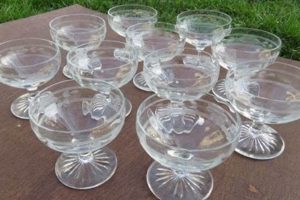
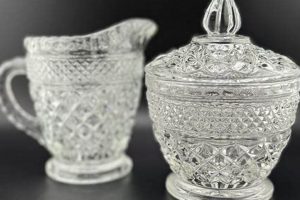
Small, open containers crafted from glass, these receptacles were historically used to hold salt for individual or shared use at the dining table. Often featuring delicate designs and varied shapes, these items reflect the aesthetic trends and manufacturing techniques prevalent during their respective periods of production.
Their value extends beyond mere functionality; they provide a tangible connection to the past, offering insights into dining customs and artistic styles. Their presence also underscores the evolution of salt from a precious commodity to a readily available condiment, mirroring shifts in societal values and global trade.
The subsequent sections will delve into the specific characteristics that define these collectible items, exploring aspects such as identifying marks, prevalent patterns, and factors influencing their current market value.
Acquiring these historical pieces requires careful attention to detail. Assessing authenticity, condition, and rarity is crucial for making informed decisions.
Tip 1: Research Manufacturers’ Marks: Familiarize oneself with the marks used by various glass manufacturers throughout history. These marks, often located on the base of the item, can provide definitive information about the origin and age of the piece.
Tip 2: Examine for Imperfections: Authentic antique glassware often exhibits minor imperfections, such as bubbles or slight irregularities in the glass. These characteristics, resulting from the manufacturing processes of the time, can be indicators of genuine age. Modern reproductions typically lack these imperfections.
Tip 3: Assess the Condition Carefully: Evaluate the piece for chips, cracks, or repairs. While minor wear may be expected in antique items, significant damage can substantially decrease the value. Professional restoration may improve the appearance but can also affect the item’s historical integrity.
Tip 4: Consider the Color and Clarity: The color and clarity of the glass can provide clues about its age and composition. Certain colors, such as uranium glass, were more prevalent during specific periods. Cloudiness or discoloration may indicate exposure to harsh chemicals or prolonged sunlight.
Tip 5: Scrutinize the Design and Decoration: Analyze the design elements and decorative techniques employed. Styles and patterns varied significantly across different eras and regions. Researching historical design trends can aid in identifying the age and origin of the piece.
Tip 6: Verify Provenance: If possible, seek information about the piece’s history of ownership. Provenance documentation, such as receipts or historical records, can significantly increase the item’s value and authenticity.
By adhering to these guidelines, collectors can enhance their ability to identify genuine and valuable examples of these small, historical items, ensuring informed and rewarding acquisitions.
The final section of this article will explore preservation techniques to maintain the condition of these fragile treasures.
1. Material Composition

The materials used in the construction of these small vessels significantly influence their aesthetic appeal, durability, and historical value. Variations in glass formulations over time and across different manufacturers provide critical clues for dating and authenticating pieces.
- Lead Crystal Content
The addition of lead oxide to the glass mixture results in a material known as lead crystal, characterized by its high refractive index, producing a sparkling appearance. This type of glass was frequently used in higher-quality examples, enhancing their perceived value and visual appeal. Lead crystal also exhibits a greater weight and a characteristic ringing sound when tapped.
- Soda-Lime Glass
A more common and less expensive alternative, soda-lime glass is composed primarily of silica, soda ash, and lime. While lacking the brilliance of lead crystal, it was widely employed in mass-produced items. Variations in the proportions of these components can affect the glass’s color, clarity, and resistance to chemical degradation.
- Colored Glass Variants
The incorporation of metallic oxides into the glass batch creates a range of colored glass types. Cobalt oxide produces blue glass, manganese dioxide yields amethyst or pink hues, and uranium oxide results in yellow-green glass that fluoresces under ultraviolet light. The presence of specific colors can indicate the period of manufacture and the intended market for the item.
- Pressed Glass Characteristics
Pressed glass, a manufacturing technique involving the forcing of molten glass into a mold, often utilizes a specific material composition optimized for this process. This technique allowed for the creation of intricate patterns and designs at a lower cost, resulting in a proliferation of affordable examples. The resulting glass typically exhibits mold marks and seams, providing clues about its production method and age.
The choice of material composition reflects technological advancements, economic considerations, and aesthetic preferences prevalent at the time of production. Analyzing the glass formulation, color, and clarity offers valuable insights into the origin, purpose, and historical significance of each individual item.
2. Manufacturing Techniques

The method by which these small glass receptacles were produced significantly influenced their aesthetic qualities, structural integrity, and ultimately, their value as collectibles. Examination of manufacturing techniques reveals insights into the period of origin and the level of craftsmanship involved.
- Hand-Blown Glass
This technique, one of the earliest methods of glass production, involves inflating molten glass with the aid of a blowpipe. Items produced through this method often exhibit subtle variations in shape and thickness, lending them a unique character. The presence of a pontil mark, a rough scar on the base where the blowpipe was detached, is a telltale sign of hand-blown construction.
- Mold-Blown Glass
This process combines hand-blowing with the use of a mold to achieve greater uniformity in shape and design. Molten glass is blown into a pre-formed mold, imparting a specific pattern or shape onto the surface. The use of molds allowed for more intricate designs and facilitated mass production, making these items more accessible to a wider range of consumers. Seams along the sides are indicative of this technique.
- Pressed Glass
Pressed glass manufacturing involves forcing molten glass into a mold using a plunger or pressing mechanism. This technique enabled the rapid production of intricate designs at a lower cost than hand-blown alternatives. Pressed glass items typically exhibit sharp, well-defined patterns and a heavier weight. This method democratized access to decorative glassware.
- Cut Glass
Following the formation of the glass blank, skilled artisans would use rotating wheels and abrasives to cut intricate patterns into the surface. This labor-intensive process resulted in glassware with exceptional brilliance and clarity. Examples of cut glass exhibit sharp, precise cuts and a high degree of light refraction. The complexity of the cut patterns often reflects the skill of the craftsman and the value of the piece.
Understanding the nuances of these manufacturing techniques is crucial for assessing the age, quality, and value of these collectible items. Each method imparted distinct characteristics, influencing their appearance and historical significance.
3. Design Aesthetics
Design aesthetics, as applied to these historical items, encompass the stylistic principles and visual characteristics that define their appearance. An examination of these design elements provides insight into the cultural influences, artistic trends, and technological capabilities prevalent during the period of their creation.
- Form and Silhouette
The overall shape, contour, and proportions of these receptacles varied widely, reflecting evolving aesthetic preferences. Examples range from simple, geometric forms characteristic of the Art Deco era to elaborate, curvilinear designs associated with Victorian ornamentation. The silhouette of the item contributes significantly to its visual impact and historical context.
- Ornamentation and Motifs
Surface decoration, achieved through techniques such as engraving, etching, or the application of enamel paint, adds layers of visual complexity. Common motifs include floral patterns, geometric abstractions, and figural representations. The choice of ornamentation often reflects prevailing artistic styles and cultural symbols, providing clues about the origin and intended market of the piece.
- Color and Transparency
The selection of glass color and the degree of transparency influence the overall aesthetic impression. Clear glass, often favored for its ability to showcase intricate cut-glass patterns, contrasts with colored glass, which can evoke specific moods or reflect the fashions of the time. Variations in transparency affect the interplay of light and shadow, contributing to the visual depth and dimension of the item.
- Patterning and Texture
The use of repeating patterns or textured surfaces enhances the tactile and visual appeal. Patterns may be created through mold-blowing techniques, pressed glass designs, or hand-applied embellishments. Textural variations, ranging from smooth, polished surfaces to rough, frosted finishes, add another layer of sensory engagement.
The convergence of these design elements contributes to the unique aesthetic identity of each historical item. By analyzing these features, collectors and enthusiasts can gain a deeper appreciation for the artistry and craftsmanship inherent in these functional objects, understanding their place within the broader context of decorative arts history.
4. Historical Context

The history of these glass receptacles is inextricably linked to the socio-economic landscape of their time. Originally, salt was a precious commodity, used not just for flavoring but also as a preservative. The availability and affordability of salt directly influenced the design and prevalence of these containers. Elaborate, often lockable, examples signified wealth, while simpler forms reflected more modest means. The shift from salt as a luxury to a readily available product, coinciding with advancements in mining and distribution, parallels a democratization in design and materials of these vessels, marking a discernible change in their form and function.
Further, examining these items reveals much about dining etiquette and social customs. Sharing a communal salt cellar was once commonplace, fostering a sense of shared experience. As individualized table settings became more prevalent, single-serving containers emerged, reflecting a shift towards greater personal space and hygiene. Observing the evolution of these practices through the designs of these items gives a tangible understanding of changing social norms. For instance, elaborate Victorian examples often featured intricate decorations mirroring the era’s opulent aesthetic and emphasis on ornate dining decor, highlighting their owners’ refined taste and social standing.
Understanding this historical backdrop is vital for accurately assessing these objects. It informs authentication, dating, and valuation, offering insight beyond mere aesthetics. It enhances appreciation for these historical items by revealing a deeper narrative of shifting cultural values and evolving dining practices, enabling collectors and enthusiasts to situate these small containers within their broader historical tapestry. Ignoring this contextual understanding risks misinterpreting their significance and overlooking their true value as historical artifacts.
5. Rarity Factors

The scarcity of vintage glass salt cellars significantly influences their desirability and monetary value within the collector’s market. Several factors contribute to an item’s rarity, ranging from limited production runs to geographic distribution and preservation rates. Limited production, resulting from short-lived manufacturing processes or experimental designs, directly increases an item’s rarity. For instance, a particular pattern produced only for a single year due to low demand will inherently be rarer than a pattern manufactured over several decades. Geographic distribution also plays a crucial role. Pieces produced exclusively for a specific region and rarely exported become scarce in other locales, raising their value to collectors seeking regionally specific items. Furthermore, the rate of preservation significantly impacts availability. Fragile items, susceptible to damage from daily use or improper storage, are less likely to survive in pristine condition, making well-preserved examples exceptionally rare.
Specific examples underscore the interplay between these factors. Consider the “Vaseline” glass versions, which contain uranium and glow under ultraviolet light, that were produced during a limited timeframe. If a Vaseline glass version was designed with a hinged lid, the item become rare due to the fragile design of the hinge. This combination of material rarity and design vulnerability significantly elevates its market value. The identification of such rare combinations necessitates a thorough understanding of glass manufacturing history, design trends, and regional production variations. Collectors armed with this knowledge can more accurately assess and appreciate the relative scarcity of a given item, which in turn, informs their acquisition strategies and willingness to pay a premium.
Understanding rarity factors presents both opportunities and challenges for collectors. Accurately assessing scarcity requires extensive research and often expert consultation, but the reward is the potential discovery of undervalued treasures. Conversely, the appeal of rarity can lead to exploitation through fraudulent claims or inflated valuations. Therefore, critical evaluation and informed decision-making are paramount. Ultimately, the fascination with rare examples reflects a desire to possess unique historical artifacts, preserving tangible connections to the past.
6. Market Value

The economic value assigned to vintage glass salt cellars is influenced by a complex interplay of factors. Condition, rarity, provenance, and aesthetic appeal are key determinants. High demand for specific patterns, colors, or manufacturing techniques can drastically increase market prices. The presence of manufacturer’s marks, particularly from renowned or defunct companies, often serves as a strong indicator of value. Instances of significant price discrepancies exist between similar items due to subtle variations in quality or provenance. For example, an otherwise common pattern in pristine condition and accompanied by original documentation may fetch several times the price of a comparable but damaged or undocumented example.
Auction results, online marketplaces, and antique dealer inventories provide insights into current market trends. Actively tracking sales data reveals fluctuations in demand and price volatility. Preservation efforts play a crucial role in maintaining or enhancing the value of these historical objects. Proper storage, handling, and conservation techniques can prevent damage and degradation, safeguarding the item’s condition and marketability. Conversely, neglect or improper restoration can negatively impact value, potentially rendering an otherwise desirable piece less appealing to collectors. A deep understanding of historical context, manufacturing processes, and design aesthetics enables collectors to make informed purchasing decisions, mitigating risks and maximizing potential returns.
Ultimately, the market value of vintage glass salt cellars serves as a quantifiable reflection of their historical, artistic, and cultural significance. While speculation and trends can introduce short-term volatility, the enduring appeal of these tangible connections to the past ensures a continued demand. Collectors who prioritize knowledge, diligence, and a genuine appreciation for these objects are best positioned to navigate the market and acquire valuable additions to their collections.
Frequently Asked Questions About Vintage Glass Salt Cellars
The following questions address common inquiries regarding the identification, valuation, and preservation of these collectible items.
Question 1: What distinguishes authentic vintage glass salt cellars from modern reproductions?
Authentic examples often exhibit minor imperfections, such as bubbles or irregularities in the glass, resulting from historical manufacturing processes. Modern reproductions typically lack these imperfections and may display seams or markings indicative of mass production. Examining manufacturer’s marks and comparing design characteristics to documented historical patterns aids in authentication.
Question 2: How does the condition of an item affect its market value?
Condition significantly impacts market value. Pieces with chips, cracks, or significant damage are generally worth less than those in pristine condition. Minor wear consistent with age may be acceptable, but extensive damage can substantially reduce value. Professional restoration may improve appearance but can also impact historical integrity.
Question 3: What factors contribute to the rarity of vintage glass salt cellars?
Rarity is influenced by limited production runs, geographic distribution, and preservation rates. Items produced for a short period, distributed regionally, or susceptible to damage are generally scarcer. The combination of these factors significantly elevates the value of select pieces.
Question 4: How can manufacturer’s marks assist in identifying and valuing vintage glass salt cellars?
Manufacturer’s marks, often located on the base of the item, provide critical information about the origin and age of the piece. Familiarizing oneself with the marks used by various glass manufacturers throughout history is essential for accurate identification and valuation. Researching these marks allows to narrow down a time peroid and designer to each salt cellar.
Question 5: What are the recommended methods for preserving these delicate glass items?
Proper storage, handling, and cleaning techniques are crucial for preservation. Avoid exposure to extreme temperatures, direct sunlight, and harsh chemicals. Gentle cleaning with mild soap and water is recommended. Use padded containers and avoid overcrowding during storage to prevent chipping and breakage.
Question 6: How do design aesthetics influence the collectibility of vintage glass salt cellars?
Design aesthetics reflect prevalent artistic movements and cultural influences. Items embodying popular styles, featuring intricate designs, or showcasing unique color combinations often command higher prices. Knowledge of design history enhances appreciation and informs purchasing decisions. The more popular is the design, or artist who produced it, can greatly enhance market value.
Understanding these key aspects of vintage glass salt cellarsauthenticity, condition, rarity, marks, preservation, and designallows enthusiasts to navigate the market and appreciate these historical items.
The subsequent section will provide resources for further research on vintage glassware.
Vintage Glass Salt Cellars
This exploration has examined vintage glass salt cellars from multiple angles, encompassing their composition, manufacture, design, historical context, rarity, and market value. These small vessels represent more than mere containers; they offer insights into past eras and evolving social practices.
Continued study and careful preservation efforts are essential for maintaining the historical integrity of vintage glass salt cellars. These relics offer a tangible link to the past and enrich understanding of material culture.