Opaque or translucent glassware, often white but available in other colors, produced primarily from the late 19th century through the mid-20th century, represents a distinct aesthetic in tableware. These items, particularly those designed for the serving and consumption of tea, exemplify a specific period in design and manufacturing. Their characteristics include a milky appearance, a smooth surface, and often, ornate detailing achieved through molding or hand-painting.
These collectible items hold significance for several reasons. They offer a glimpse into past manufacturing techniques and design trends. Furthermore, they represent a tangible connection to social customs related to tea consumption during specific eras. The items’ durability and unique visual appeal contribute to their ongoing desirability among collectors and those interested in historical decorative arts. Their survival through the years provides insight into the material culture of previous generations.
The subsequent sections will delve into the identification of authentic examples, explore the variety of styles and patterns available, and offer guidance on the proper care and preservation of these delicate pieces.
Essential Considerations
The following guidelines provide crucial information for collectors and enthusiasts seeking to acquire and maintain these historical items in optimal condition.
Tip 1: Authenticate the Origin. Examine the piece for manufacturer’s marks or signatures, typically located on the base. Research these markings to verify the age and origin of the item. Absence of a mark does not automatically indicate a reproduction, but further scrutiny is warranted.
Tip 2: Evaluate the Condition. Closely inspect the glass for cracks, chips, or repairs. Minor imperfections, such as slight surface scratches, may be acceptable in older pieces, but significant damage can detract from its value and structural integrity.
Tip 3: Identify the Pattern. Familiarize oneself with common patterns and motifs associated with different manufacturers and periods. Reference reputable guides and online resources to accurately identify patterns and potential variations.
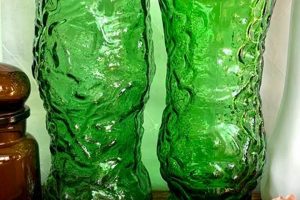
Tip 4: Assess the Color. Authentic examples exhibit a range of colors beyond white, including pink, blue, and green. Be wary of intensely vibrant or artificial-looking colors, which may indicate a modern reproduction.
Tip 5: Understand Production Techniques. Recognize the characteristics of pressed glass versus hand-blown glass. Pressed glass often features mold lines, while hand-blown glass may exhibit slight variations in thickness and form.
Tip 6: Handle with Care. Due to their age and delicate nature, these items require careful handling. Avoid sudden temperature changes and abrasive cleaning methods, as these can cause damage.
Tip 7: Display and Store Properly. Protect items from direct sunlight and excessive dust. Use padded shelving or display cases to prevent accidental breakage.
Adhering to these recommendations ensures informed acquisition and preservation, enhancing the longevity and appreciation of these valuable objects.
The following section presents information regarding the appropriate cleaning and restoration practices to maintain these objects.
1. Authenticity Identification

The accurate determination of authenticity is paramount when dealing with collectible glassware. Specifically, with objects produced from the late 19th century through the mid-20th century, identification involves differentiating genuine items from reproductions or forgeries. The importance of this process stems from the significant impact authenticity has on value, historical significance, and the object’s place within collections. For example, a piece attributed to a renowned manufacturer from the Victorian era holds considerably more value than a modern imitation. Failure to correctly identify authenticity can lead to misrepresentation and devaluation. This process requires a keen eye and a comprehensive understanding of the characteristics, manufacturing techniques, and identifying marks associated with authentic examples.
Several factors contribute to the complexity of establishing authenticity. Variations in color, subtle differences in mold designs, and the presence or absence of specific manufacturer’s marks all serve as indicators. Moreover, the presence of artificial aging or the skillful replication of historical markings adds another layer of challenge. Collectors and dealers often rely on expert appraisal, reference materials, and comparative analysis to verify an item’s legitimacy. For instance, the presence of a specific pontil mark, indicative of hand-blown production, or the specific composition of the glass itself, determined through scientific testing, can either confirm or refute the authenticity of a particular piece. Practical application of authenticity assessment is vital, especially when purchasing items online or from less reputable sources, where the risk of encountering reproductions is higher.
In summary, the meticulous process of authenticity identification is essential for safeguarding the integrity of collections and ensuring accurate valuation. Challenges arise from increasingly sophisticated reproduction techniques, necessitating a continuous learning process and reliance on expert knowledge. A thorough understanding of production methods, manufacturer’s marks, and historical context is vital to properly assess the genuine nature of glassware and to protect against fraudulent representations.
2. Pattern Recognition

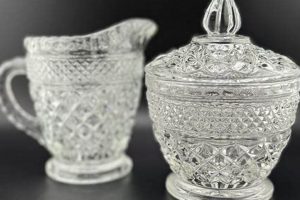
The ability to discern and identify patterns is a fundamental aspect of appraising and collecting vintage glassware. These patterns, often intricate and reflective of specific periods or manufacturers, serve as crucial identifiers in determining the age, origin, and ultimately, the value of an individual item. For example, the “Grape and Cable” pattern, prevalent in late 19th-century pressed glass, can immediately signal a specific era of production. Similarly, the distinct floral motifs associated with Fenton Art Glass are indicative of a particular manufacturer and time frame. Without proficiency in pattern recognition, discerning authentic pieces from reproductions or attributing glassware to its correct source becomes significantly more difficult.
Practical application of pattern recognition extends beyond simple identification. The presence or absence of specific pattern elements can reveal alterations or damage to an object. For instance, a break in the continuity of a repeating motif on a cup may indicate a repair. Furthermore, subtle variations within a pattern, such as differences in the size or arrangement of elements, can denote specific production runs or variations within a particular design. These nuances, often overlooked by the untrained eye, can significantly impact the value and collectibility of the piece. Reference materials, such as pattern identification guides and historical catalogs, provide essential resources for developing this skill.
In conclusion, the mastery of pattern recognition is indispensable for anyone seriously engaged in the study or collection of vintage glassware. It enables accurate identification, assists in assessing condition, and provides valuable insights into the history and context of these objects. While challenges exist in distinguishing subtle variations and navigating the vast array of patterns produced over time, the rewards of expertise in this area are substantial, enhancing both the enjoyment and potential investment value associated with these timeless artifacts.
3. Condition Assessment

Condition assessment plays a pivotal role in determining the value, authenticity, and suitability of vintage glassware for collection, display, or use. A meticulous evaluation of an item’s physical state is essential to understand its historical context and potential longevity.
- Structural Integrity
The presence of cracks, chips, or significant repairs directly impacts the structural integrity. Cracks, even hairline fractures, can weaken the glass, leading to further damage over time. Chips, particularly around the rim or handle, detract from the item’s aesthetic appeal and usability. Repairs, while potentially restoring functionality, may compromise the original design and diminish the item’s collectible value.
- Surface Condition
Surface imperfections, such as scratches, staining, or clouding, can indicate the extent of previous use and improper care. Scratches, often resulting from abrasive cleaning methods, can dull the finish and obscure delicate patterns. Staining, caused by prolonged exposure to liquids, can be difficult to remove and may permanently alter the glass’s appearance. Clouding, a hazy film on the surface, is frequently associated with hard water deposits or chemical reactions and can diminish the clarity of the glass.
- Paint and Gilding Integrity
Many examples feature hand-painted decorations or gilded accents. The condition of these embellishments significantly influences the item’s overall value. Fading, chipping, or complete loss of paint or gilding detracts from the original design and reduces its aesthetic appeal. Evidence of retouching or restoration should be carefully examined, as unskilled repairs can further diminish the value and authenticity of the piece.
- Clarity and Color
The clarity of the glass and the integrity of its original color are critical indicators of condition. Discoloration, often caused by prolonged exposure to sunlight or improper storage, can alter the original hue and diminish its aesthetic appeal. In some cases, discoloration may indicate exposure to harmful substances or environmental conditions. Similarly, a loss of clarity or the presence of internal inclusions can affect the item’s value and visual appeal.
These facets of condition assessment are inextricably linked. For instance, a piece exhibiting significant surface scratches and fading paint will inherently be valued less than a pristine example of the same pattern. Understanding these factors enables informed decisions regarding acquisition, restoration, and preservation, ensuring these delicate historical objects are appreciated and maintained for future generations.
4. Manufacturer's Marks

The presence and identification of manufacturer’s marks on vintage glassware constitute a crucial element in determining authenticity, origin, and historical value. These marks, typically applied during the manufacturing process, serve as verifiable identifiers that link a specific piece to its producer and, in some cases, its year of production.
- Verifying Authenticity
Manufacturer’s marks provide a primary means of confirming the genuine nature of a vintage piece. Authentic marks correspond to known historical manufacturers and their respective production periods. For example, the presence of a clearly defined Fenton mark on a piece claiming to be from the early 20th century lends credibility to its authenticity, while an absent or inconsistent mark raises concerns about potential misrepresentation or reproduction.
- Establishing Provenance
The mark identifies the source of production, enabling the tracing of the item’s history. A mark indicating manufacture by Westmoreland Glass Company, for instance, provides insight into the item’s geographic origin and potential distribution networks. This provenance contributes to the overall understanding and appreciation of the piece within the context of glassmaking history.
- Dating Production Era
Specific marks or variations thereof were used during defined periods in a manufacturer’s history. By cross-referencing manufacturer’s mark databases and historical catalogs, the approximate year of production can be determined. This dating process is critical in assessing the item’s rarity and historical significance. Changes in the mark design over time can pinpoint the production timeline further.
- Determining Value
Manufacturer’s marks directly impact the market value of vintage items. Pieces from well-known or highly regarded manufacturers often command higher prices than unmarked or obscure examples. The rarity of a particular mark, due to limited production runs or historical events, can also significantly increase an item’s desirability and value among collectors.
In conclusion, manufacturer’s marks are indispensable tools for collectors and researchers seeking to understand and appreciate vintage glassware. Their presence and accurate interpretation provide vital information about authenticity, provenance, dating, and value, thereby enriching the experience of collecting and preserving these historical artifacts. The careful study of such marks is essential for making informed decisions in the acquisition and stewardship of vintage items.
5. Era Specificity

The characteristics of opaque glassware reflect distinct periods in design and manufacturing. The correlation between era specificity and these items is significant, influencing factors such as material composition, manufacturing techniques, and decorative motifs. For instance, late Victorian examples often feature ornate floral patterns achieved through pressing, reflecting the aesthetic preferences and technological capabilities of that era. Conversely, pieces from the Art Deco period may exhibit more geometric designs and streamlined forms, indicative of the stylistic shift and advancements in glass production during the 1920s and 1930s. Therefore, recognizing the era of origin is essential for proper categorization and assessment.
Understanding era-specific manufacturing techniques provides a practical advantage in identifying authentic examples. The chemical composition of the glass varied across different periods, influencing its color and translucency. Earlier pieces, for example, may exhibit a slightly yellowed hue due to the use of certain raw materials. Similarly, the method of applying decorative elements, such as hand-painting or transfer printing, evolved over time, leaving discernible traces on the finished product. Recognizing these subtle variations allows collectors and dealers to distinguish genuine items from later reproductions or imitations. For example, the presence of a specific type of mold mark can definitively place a piece within a particular production window.
In summary, era specificity is an indispensable component of evaluating and appreciating glassware. A nuanced understanding of the historical context informs assessments of authenticity, value, and design significance. While challenges exist in accurately dating unmarked pieces or attributing items to specific manufacturers, the effort invested in historical research and pattern recognition yields substantial rewards in terms of both knowledge and investment potential. The ability to connect a tangible object to its historical roots enriches the experience of collecting and preserving these remnants of the past.
Frequently Asked Questions
The following questions address common inquiries and misconceptions regarding vintage milk glass tea cups, providing clear and concise information for collectors and enthusiasts.
Question 1: How is authentic material distinguished from modern reproductions?
Authentic examples often exhibit subtle variations in color and surface texture due to the manufacturing processes employed in earlier eras. Examination under magnification may reveal minute imperfections or irregularities indicative of handcrafting, features less commonly found in mass-produced replicas. Consulting reputable guides and comparing markings to known manufacturers’ hallmarks also aids in differentiation.
Question 2: What factors influence the valuation of these items?
Valuation is contingent upon several elements, including rarity, condition, pattern complexity, and provenance. Pieces from well-known manufacturers or those featuring intricate designs typically command higher prices. The presence of damage, such as chips or cracks, significantly reduces value, while documented ownership or historical significance may enhance it.
Question 3: What are the appropriate methods for cleaning and preserving this type of glassware?
Gentle hand washing with a mild detergent is recommended. Abrasive cleaners or harsh chemicals should be avoided to prevent surface damage. Proper storage involves protecting the items from direct sunlight and extreme temperature fluctuations, as prolonged exposure can cause discoloration or structural weakening. It is crucial to handle carefully due to its fragile nature.
Question 4: Where is collectible glassware typically sourced?
Sources vary, including antique shops, estate sales, online auctions, and specialized collectors’ markets. Due diligence is advised when purchasing from unfamiliar sources to ensure authenticity and accurate representation of condition. Examination of feedback from other consumers might assist when selecting a purchase online.
Question 5: Are examples safe for contemporary use?
While visually appealing, utilization for food or beverage consumption is discouraged due to potential lead content in older glassware. These artifacts are primarily intended for display or decorative purposes.
Question 6: What are some common patterns or designs encountered?
Numerous patterns exist, ranging from simple floral motifs to complex geometric arrangements. Prominent examples include the “Grape and Cable” pattern, various floral depictions associated with Fenton, and geometric designs from the Art Deco period. Reference guides and online resources provide comprehensive catalogs of patterns and their associated manufacturers.
The answers provided should serve as a foundation for understanding the nuances associated with acquiring and preserving vintage milk glass tea cups.
The next section will discuss proper storage and display practices to maximize the longevity and aesthetic appeal of these collectibles.
Conclusion
The preceding exploration has underscored the multifaceted nature of acquiring, identifying, preserving, and appreciating these items. Key points have included the verification of authenticity through manufacturer’s marks and pattern recognition, careful assessment of condition to determine value and suitability, and the importance of understanding era specificity in relation to design, materials, and manufacturing techniques. These considerations are paramount for responsible stewardship and informed collecting practices.
As custodians of tangible history, enthusiasts and collectors are encouraged to continue expanding their knowledge and sharing their insights. By fostering a deeper understanding of “vintage milk glass tea cups,” their significance as cultural artifacts can be preserved for future generations, ensuring these relics continue to inspire and inform.