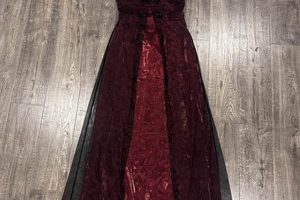
Classic garments of a bygone era, rendered in the color of enduring elegance, offer a unique blend of historical design and timeless appeal. These articles of clothing, often characterized by distinctive silhouettes and fabrication techniques representative of specific decades, present a compelling option for individuals seeking sophisticated and sustainable fashion choices. For instance, a 1950s cocktail dress, meticulously crafted from rayon and featuring a fitted bodice and full skirt, exemplifies the charm and craftsmanship associated with this aesthetic.
The enduring popularity of these items stems from their capacity to convey individuality and a connection to the past. They represent an alternative to contemporary mass-produced fashion, providing a tangible link to historical periods and design sensibilities. These items often showcase superior construction and unique detailing, reflecting a commitment to quality and enduring style, while embracing a more sustainable approach to fashion consumption through reuse and appreciation of existing resources.
Subsequent sections will delve into the varying styles and eras, key factors to consider when acquiring these garments, and how to care for and preserve them to maintain their integrity and value.
Essential Guidance for Acquiring Timeless Elegance
The following guidelines are designed to provide insight into the selection and care of vintage garments in the classic shade of black, ensuring both satisfaction with the purchase and longevity of the item.
Tip 1: Assess Fabric Integrity: Prior to acquisition, meticulously examine the material for signs of degradation, including discoloration, weakened fibers, or the presence of moth damage. A garment crafted from silk crepe, for example, should be scrutinized for tears or fraying, particularly in areas prone to stress.
Tip 2: Verify Construction Quality: Evaluate the garment’s seams, closures, and embellishments. Ensure that stitching is secure, zippers function smoothly, and any beadwork or sequins are firmly attached. A garment with loose or missing components may require costly restoration.
Tip 3: Consider Silhouette and Fit: Account for the variations in sizing standards across different historical periods. Consult size charts specific to the era of the garment and consider alterations to achieve a flattering and comfortable fit. It’s often prudent to acquire a garment slightly larger than needed, as it is generally easier to reduce size than to increase it.
Tip 4: Investigate Provenance and Authenticity: Research the garment’s potential origins and verify its authenticity through maker’s marks, labels, or other identifying features. Understanding the historical context can inform both the garment’s value and its proper care.
Tip 5: Address Cleaning and Preservation: Before wearing or storing a vintage garment, seek professional cleaning services specializing in delicate fabrics. Proper storage, such as in acid-free tissue paper and garment bags, is crucial to prevent deterioration from light, dust, and humidity.
Tip 6: Acknowledge Potential Imperfections: Recognize that vintage items often exhibit minor signs of wear and age, which contribute to their unique character. Distinguish between acceptable patina and significant damage that may detract from the garment’s value or wearability.
The careful application of these principles will enhance the likelihood of acquiring a valued piece of sartorial history, ensuring its continued enjoyment for years to come.
The succeeding sections will provide additional details regarding the proper storage and maintenance protocols essential for preserving these timeless articles.
1. Silhouette

The silhouette of a garment is fundamentally intertwined with its overall aesthetic and historical context, particularly in the realm of classic, dark-hued, pre-owned gowns. The shape created by a dress defines its period and the prevailing fashion ideals of the time. A direct causal relationship exists between the silhouette and the perceived style of a garment. For instance, a form-fitting, bias-cut style from the 1930s evokes a sense of slinky sophistication, whereas a heavily structured, wasp-waisted silhouette typical of the 1950s implies a more demure and feminine aesthetic. The silhouette, therefore, functions as a primary visual identifier, immediately conveying a sense of era and style.
Understanding the impact of silhouette is crucial in assessing the value and wearability of these gowns. For example, a 1960s A-line shift remains inherently versatile and easily adaptable to contemporary wardrobes, while a more elaborate Victorian-era silhouette might present greater challenges in terms of modern wear and requires a more specialized appreciation. The practical significance lies in the ability to recognize silhouettes that complement individual body types and align with personal style preferences. Furthermore, recognizing the historical context of a particular silhouette allows for a more informed approach to alterations, ensuring that any modifications preserve the integrity of the original design.
In summary, the silhouette is a defining attribute of vintage, dark-colored dresses, directly impacting their visual appeal, historical representation, and practical adaptability. Recognizing the nuances of different silhouettes enables discerning selection and preservation of these timeless garments, allowing them to be appreciated both as artifacts of fashion history and as wearable expressions of personal style. Challenges may arise in adapting certain silhouettes to modern figures, but informed alterations and a deep understanding of the garment’s structure can often overcome these obstacles, ensuring the continued relevance and beauty of these garments.
2. Fabric

The textile composition of vintage, dark-colored dresses is a primary determinant of its aesthetic, durability, and overall value. The specific fabric employed often reflects the technological advancements and stylistic preferences of its respective era. An understanding of fabric types and their characteristics is essential for both appreciating and preserving these garments.
- Fiber Composition and Degradation
Different fibers, whether natural (e.g., silk, wool, cotton, linen) or synthetic (e.g., rayon, acetate, nylon), exhibit varying levels of susceptibility to degradation over time. Silk, prized for its luster and drape, can become brittle with age and prolonged exposure to light, necessitating careful storage and handling. Conversely, early synthetic fabrics may exhibit unique forms of deterioration, such as “dry rot” or discoloration. Identifying fiber composition is crucial for selecting appropriate cleaning and preservation methods.
- Weave and Texture
The weave of a fabric significantly influences its drape, durability, and visual texture. Crepe, chiffon, velvet, and taffeta each impart a distinct aesthetic to a garment, reflecting the sartorial trends of their respective periods. A heavy velvet dress from the Victorian era, for example, conveys opulence and formality, while a lightweight crepe de chine dress from the 1930s suggests fluidity and elegance. Understanding weave patterns allows for accurate dating and stylistic categorization.
- Dye Stability and Fading
The stability of dyes used to achieve the color of vintage garments varies significantly. Early aniline dyes, while offering vibrant hues, were often prone to fading or bleeding, particularly when exposed to sunlight or moisture. Assessing dye stability is essential for determining appropriate cleaning methods and mitigating further color loss. The presence of uneven fading can also provide clues to a garment’s history and use.
- Fabric Weight and Drape
The weight and drape of a fabric directly affect the silhouette and overall wearability. A heavy, stiff fabric like brocade will hold a structured shape, while a lightweight, fluid fabric like silk charmeuse will drape softly against the body. The choice of fabric weight is often dictated by the intended use of the garment and the prevailing fashion trends. Understanding these relationships allows for a more informed assessment of a garment’s authenticity and its suitability for contemporary wear.
The interplay of these fabric-related factors dictates the longevity, aesthetic appeal, and historical significance of classic, dark-hued, pre-owned gowns. Careful consideration of fabric composition, weave, dye stability, and weight is essential for both preserving these garments and appreciating their unique contributions to fashion history. Understanding these elements provides invaluable insight into appropriate care techniques for these items.
3. Era

The era in which a black dress was produced profoundly influences its design, materials, and construction, acting as a primary determinant of its overall character. The fashion of a specific period directly dictates the prevailing silhouettes, embellishments, and textile choices. Therefore, understanding the era is crucial in accurately classifying and appreciating the stylistic nuances of black vintage dresses. For instance, a black velvet gown from the Edwardian era exhibits high necklines, long sleeves, and intricate lace detailing, reflecting the modesty and formality of the time. Conversely, a black rayon dress from the 1930s typically features a bias cut, emphasizing a fluid silhouette and showcasing the Art Deco aesthetic. The correlation between era and design is a defining characteristic.
Furthermore, the era dictates the availability and utilization of specific materials and manufacturing techniques. Black dresses from the mid-20th century may incorporate synthetic fabrics like rayon or nylon, reflecting post-war industrial advancements. The construction methods, such as the use of zippers or specific seam finishes, also serve as indicators of the dress’s origin. The practical significance of this knowledge lies in the ability to authenticate a garment, assess its condition relative to its age, and determine appropriate care methods. Identifying a dress as originating from the 1940s, for example, implies the need for gentle cleaning methods due to potentially fragile fabrics and dyes.
In summary, the era serves as an indispensable framework for understanding the aesthetic, material composition, and construction of black vintage dresses. It allows for accurate classification, informed preservation, and a deeper appreciation of the garment’s historical and cultural significance. Challenges may arise in definitively dating a dress based solely on visual cues, necessitating expertise in textile analysis and fashion history. Nonetheless, the era remains a pivotal element in the appreciation and responsible stewardship of these timeless garments.
4. Detailing
The embellishments and subtle design elements incorporated into classic, dark-hued, pre-owned gowns significantly enhance their aesthetic appeal and historical significance. These details, often indicative of specific periods and design movements, contribute to the unique character and value of the garment.
- Lace Work and Embroidery
Lace, whether machine-made or handcrafted, adds texture and visual interest to the garment. Embroidery, ranging from simple floral motifs to elaborate beadwork, provides an opportunity for intricate ornamentation. For example, a black velvet gown from the Victorian era might feature delicate lace trim along the neckline and cuffs, while a 1920s flapper dress could be adorned with shimmering beaded embroidery.
- Button and Closure Styles
The types of buttons and closures employed on a garment reflect both functional and aesthetic considerations. Fabric-covered buttons, decorative clasps, and early zipper designs offer insights into the period of manufacture. A dress featuring mother-of-pearl buttons, for instance, might suggest a pre-1940s origin, whereas a dress with an early plastic zipper likely dates to the mid-20th century.
- Seam Finishes and Construction Techniques
The interior construction of a garment, including seam finishes and lining techniques, provides valuable information about its quality and provenance. Hand-finished seams, meticulously applied linings, and the use of couture techniques indicate a higher level of craftsmanship. These details often distinguish high-end garments from mass-produced items. The presence of pinked seams, for example, may suggest a less expensive garment from a specific era.
- Trim and Appliqus
The addition of trim, such as ribbons, bows, or contrasting fabric panels, enhances the visual interest of the dress. Appliqus, whether floral, geometric, or abstract, offer a means of adding texture and dimension. These decorative elements are often reflective of prevailing design trends. A dress with Art Deco-inspired appliqus, for instance, aligns with the aesthetic principles of that era.
The careful examination of detailing allows for a deeper appreciation of the artistry and craftsmanship inherent in classic, dark-hued, pre-owned gowns. These subtle elements provide valuable clues to the garment’s history, construction, and overall value. The discerning collector or enthusiast will recognize the significance of these details in preserving and celebrating these timeless pieces of fashion history.
5. Condition

The physical state of a vintage, dark-hued dress directly affects its value, wearability, and historical significance. Assessing condition is a crucial step in both acquiring and preserving these garments, requiring careful examination and informed judgment.
- Fabric Integrity and Degradation
The degree to which the fabric has deteriorated due to age, wear, or environmental factors is paramount. Signs of degradation include weakened fibers, discoloration, staining, and the presence of moth damage. A dress with extensive fabric damage may require significant restoration or may be deemed unwearable. The inherent fragility of certain fabrics, such as silk crepe, necessitates particularly close scrutiny.
- Seam and Structural Stability
The integrity of the seams, closures, and structural elements determines the overall stability of the garment. Weakened seams, broken zippers, and missing buttons can compromise the garment’s fit and appearance. Assessing the strength of the stitching and the functionality of closures is essential for determining the need for repairs.
- Originality of Embellishments and Details
The presence of original embellishments, such as beads, lace, and trim, contributes to the authenticity and value of a vintage dress. Missing or damaged embellishments detract from the garment’s overall aesthetic and historical accuracy. Careful examination of these details is necessary to determine the extent of any losses or alterations.
- Presence of Stains and Discoloration
Stains, discoloration, and fading can significantly impact the appearance of a vintage dress. While minor imperfections may be acceptable, extensive staining or uneven fading can detract from the garment’s value and wearability. Assessing the severity and location of stains is crucial for determining the feasibility of cleaning and restoration.
The cumulative impact of these condition-related factors dictates the overall desirability and potential for restoration of classic, dark-hued, pre-owned gowns. While some degree of wear is expected in vintage items, significant damage can compromise their structural integrity and aesthetic appeal. A thorough assessment of condition is therefore essential for making informed decisions regarding acquisition, preservation, and restoration.
6. Provenance

The documented history of ownership and origin, referred to as provenance, significantly impacts the value, authenticity, and historical understanding of vintage, dark-colored dresses. A well-documented provenance establishes a clear link to a specific designer, event, or individual, enhancing the garment’s desirability and providing valuable context for its design and construction. For example, a black dress verifiably owned and worn by a prominent actress during a notable film premiere gains substantial historical and monetary value compared to an identical dress with unknown origins. The documented history validates its authenticity and contextualizes its existence within a broader cultural narrative. The absence of provenance introduces uncertainty and reduces the garments appeal to collectors and institutions.
The impact of provenance extends to the realm of preservation. Knowledge of a dress’s origin can inform appropriate conservation techniques. A dress known to have been stored in a specific environment might require specialized cleaning or stabilization procedures to mitigate potential damage caused by those conditions. Furthermore, understanding the dress’s use can provide clues to its likely points of stress or damage, allowing for targeted repairs and preventive measures. For instance, a dress frequently worn for dancing may exhibit wear patterns different from those of a dress primarily used for formal portraits, necessitating tailored conservation approaches. Verifiable provenance also aids in preventing misattribution, ensuring that restoration efforts are aligned with the garment’s true historical and stylistic context.
In summary, provenance serves as a critical component in evaluating and preserving classic, dark-hued dresses. It provides historical context, informs conservation strategies, and enhances the garment’s overall value and significance. The challenge lies in rigorously verifying the accuracy of provenance claims, which often requires meticulous research and expert appraisal. However, the effort invested in establishing provenance is essential for safeguarding the historical integrity and appreciating the enduring legacy of these iconic garments.
7. Alterations

Modifications performed on classic, dark-hued, pre-owned gowns are a crucial consideration for both prospective owners and preservationists. The decision to alter a vintage garment involves a delicate balance between achieving a desirable fit and preserving the item’s historical integrity. Alterations, if poorly executed, can irrevocably damage the garment’s original design and diminish its value.
- Fit and Wearability
Adjustments to the size and shape of a classic, dark-hued, pre-owned gown are often necessary to accommodate contemporary body types and preferences. Vintage sizing standards differ significantly from modern conventions, necessitating alterations to achieve a comfortable and flattering fit. For example, a dress from the 1950s, originally designed with a smaller waist circumference, might require alterations to the bodice or skirt to accommodate a modern figure. These adjustments must be executed with precision to avoid distorting the garment’s original silhouette.
- Preservation of Original Design
The primary concern in altering a vintage garment is the preservation of its original design and construction. Alterations should be minimally invasive and reversible whenever possible. For example, instead of cutting into seams to adjust the bodice, a skilled seamstress might opt to add darts or adjust the closure to achieve the desired fit. Irreversible alterations, such as permanently removing embellishments or significantly altering the silhouette, can detract from the garment’s historical value.
- Fabric Considerations
The type and condition of the fabric dictate the feasibility and approach to alterations. Delicate fabrics, such as silk crepe or chiffon, require specialized handling and may be prone to damage during alteration. A dress constructed from a fragile or heavily deteriorated fabric might not be suitable for extensive alterations. In such cases, preservation efforts should prioritize stabilization over modification.
- Historical Accuracy
In some instances, alterations can be performed to restore a garment to its original condition or to correct previous, poorly executed modifications. This type of alteration requires a thorough understanding of the garment’s historical context and construction techniques. For example, replacing a missing button with a period-appropriate replacement or reattaching a detached embellishment can enhance the garment’s historical accuracy and value.
The ethical considerations surrounding alterations to classic, dark-hued, pre-owned gowns necessitate a thoughtful and informed approach. While alterations can enhance wearability and extend the life of these garments, they must be undertaken with sensitivity to the garment’s historical significance and with the goal of preserving its original design whenever possible. Engaging a skilled seamstress with expertise in vintage clothing is crucial for ensuring that alterations are executed with precision and respect for the garment’s integrity.
Frequently Asked Questions Regarding Classic Dark Dresses
This section addresses common inquiries concerning the acquisition, care, and preservation of vintage dresses in the color black, offering insights based on established practices and historical context.
Question 1: What factors determine the value of a vintage black dress?
Value is influenced by a combination of factors, including the garment’s era, designer, fabric quality, condition, detailing, and provenance. Garments from renowned designers or specific historical periods, constructed from high-quality materials and in excellent condition, generally command higher prices.
Question 2: How can one authenticate a vintage black dress?
Authentication involves examining various elements, such as the garment’s label, construction techniques, fabric composition, and detailing. Researching the designer or manufacturer and comparing the garment to known examples from the same era can aid in verifying its authenticity. Consulting with a vintage clothing expert may be necessary for definitive confirmation.
Question 3: What are the best methods for cleaning a vintage black dress?
Professional dry cleaning by a specialist experienced in handling delicate fabrics is generally recommended. Spot cleaning with gentle, pH-neutral detergents may be appropriate for minor stains. Avoid harsh chemicals, excessive heat, and machine washing, as these can damage the garment’s fibers and dyes.
Question 4: How should a vintage black dress be stored to prevent damage?
Store the garment in a cool, dry, dark place, away from direct sunlight and humidity. Use acid-free tissue paper to pad sleeves and fill out the bodice. Enclose the dress in a breathable garment bag made of cotton or linen. Avoid plastic bags, which can trap moisture and promote mildew growth.
Question 5: Are alterations acceptable on vintage black dresses?
Alterations should be approached with caution and undertaken only when necessary to achieve a comfortable fit. Prioritize minimally invasive alterations that preserve the garment’s original design and construction. Consult with a skilled seamstress specializing in vintage clothing to ensure that alterations are executed properly.
Question 6: How can one identify common problems or defects in vintage black dresses?
Inspect the garment carefully for signs of fabric degradation, such as weakened fibers, discoloration, and moth damage. Examine seams for loose stitching or fraying. Check closures for functionality and missing components. Assess the condition of embellishments and trim. Minor imperfections may be acceptable, but significant damage can detract from the garment’s value and wearability.
In summary, the acquisition, care, and preservation of these classic dresses require a blend of informed knowledge, meticulous attention to detail, and respect for the garment’s historical significance. Proper care will protect these items from harm, allowing owners and enthusiast to keep them longer.
The subsequent sections will delve into the ethical considerations surrounding the collection and restoration of vintage clothing.
Conclusion
This exploration has illuminated the multifaceted nature of classic, dark-hued, pre-owned gowns. From the nuances of silhouette and fabric to the significance of era, detailing, condition, provenance, and alterations, a comprehensive understanding of these elements is paramount for informed appreciation and responsible stewardship. The enduring appeal of these garments stems from their capacity to embody historical context, artistic craftsmanship, and individual expression.
The preservation of these sartorial artifacts demands diligent attention to detail, ethical considerations in restoration, and a commitment to upholding their historical integrity. By embracing these principles, future generations can continue to appreciate the timeless elegance and enduring legacy of classic, dark-hued, pre-owned gowns, ensuring their continued relevance in the ever-evolving landscape of fashion and culture. It is imperative that the knowledge contained herein is applied with diligence, fostering a deeper respect for the garments and the history they represent.
![Shop Adorable Vintage Newborn Dresses - [Era] Styles! | Vintage Treasures: Discover Rare Antiques, Collectibles & Retro Finds](https://roopevintage.com/wp-content/uploads/2026/04/th-540-300x200.jpg "Shop Adorable Vintage Newborn Dresses - [Era] Styles! Vintage Treasures: Discover Rare Antiques, Collectibles & Retro Finds")