Garments evoking the aesthetic of women in the American West, particularly from the mid-20th century, are characterized by features such as fringe, embroidery, snap closures, and distinctive yokes. These garments often incorporate fabrics like denim, cotton, or gabardine and are typically styled with a fitted bodice and a full skirt. An example includes a 1950s rayon dress with floral embroidery on the yoke and a contrasting, flared skirt.
These garments represent a specific period in fashion history and reflect cultural ideals associated with the Western frontier. They offer insights into textile manufacturing, design trends, and societal roles of the time. The acquisition and preservation of these items allow for the study of material culture and the appreciation of historical craftsmanship. The detailing and construction of these dresses illustrate evolving sartorial norms and preferences.
This examination serves as an introduction to a more detailed exploration of specific design elements, fabric choices, and the evolution of silhouettes within this category of apparel. The subsequent analysis will delve into prominent designers, manufacturing techniques, and the influence of popular culture on this distinctive style.
The following guidelines are provided to assist in the identification, assessment, and long-term care of garments reflecting the aesthetic of women in the American West, particularly from the mid-20th century.
Tip 1: Authenticate Period Details: Scrutinize construction techniques, hardware (snaps, zippers), and label styles for consistency with the purported era of origin. Research typical manufacturing practices and label designs prevalent during different decades.
Tip 2: Assess Fabric Integrity: Evaluate the condition of the textile. Look for signs of degradation such as fading, staining, or weakened fibers. Determine the fiber content (e.g., cotton, rayon, wool) and assess its susceptibility to damage from light, moisture, or pests.
Tip 3: Scrutinize Embellishments: Examine embroidery, fringe, and other decorative elements for secure attachment and material quality. Note any missing beads, loose threads, or areas of wear on these embellishments. Consider the impact of cleaning or restoration on these components.
Tip 4: Evaluate Size and Fit: Recognize that sizing conventions have evolved over time. Measure the garment accurately and compare these measurements to contemporary sizing charts or comparable garments from the same period. Factor in any alterations that may have been made previously.
Tip 5: Consider Storage Conditions: Store garments in a cool, dark, and dry environment to minimize the risk of damage from light, humidity, and temperature fluctuations. Use acid-free tissue paper for padding and support, and avoid hanging delicate items for extended periods.
Tip 6: Document Provenance: Preserve any available documentation relating to the garment’s history, such as purchase receipts, photographs, or family stories. This information can enhance its historical significance and value.
Tip 7: Seek Expert Consultation: When faced with significant damage or uncertainty regarding conservation methods, consult with a qualified textile conservator. Professional intervention can help to stabilize fragile garments and prevent further deterioration.
Adherence to these guidelines promotes the responsible acquisition and care of these historical artifacts, ensuring their longevity and preserving their cultural significance for future generations.
The understanding gained from these tips will serve as a strong base when looking at preservation techniques. The following discussion will delve further into the most important preservation techniques used to extend the lifespan of these valuable items.
1. Authenticity

The authenticity of garments reflecting the aesthetic of women in the American West, particularly those marketed as “vintage,” is paramount to their historical and monetary value. The degree to which a garment accurately represents the design, materials, and construction techniques of its purported era directly impacts its significance as a historical artifact. Misrepresentation, whether intentional or unintentional, undermines the garment’s value and its capacity to inform understanding of past cultural trends. For instance, a dress described as “vintage 1950s cowgirl style” that features modern polyester fabric instead of period-appropriate rayon or cotton lacks authenticity. This discrepancy affects its desirability among collectors and its utility for historical research.
Establishing authenticity necessitates a thorough examination of various factors. Fabric composition, stitching methods, hardware (snaps, zippers), and label characteristics provide critical clues. Garments featuring machine-serged edges when such techniques were not commonly used in the purported period raise concerns. Similarly, the presence of synthetic embellishments on garments claimed to be from an era when natural materials were prevalent casts doubt. A practical approach involves comparing the garment in question to documented examples from museum collections, historical catalogs, or reputable vintage dealers. These comparisons allow for a more informed assessment of authenticity based on verifiable benchmarks.
The pursuit of authenticity presents inherent challenges, given the passage of time and the potential for alterations or repairs. Determining whether a garment has been significantly modified from its original state requires expertise and meticulous attention to detail. Furthermore, the subjective nature of “style” can complicate matters, as interpretations of Western-inspired fashion have evolved over time. Despite these challenges, prioritizing authenticity remains crucial for preserving the integrity and historical significance of these garments, ensuring they continue to serve as valuable sources of information and cultural heritage.
2. Materials

The selection of materials in garments from the mid-20th century reflecting the aesthetic of women in the American West is a defining characteristic that offers insight into manufacturing capabilities, economic conditions, and prevailing fashion trends of the era. The properties of these textiles influenced the garment’s durability, drape, and overall aesthetic, shaping the enduring appeal of this distinctive style.
- Cotton and Denim
Cotton, prized for its breathability and affordability, was a common choice for everyday wear. Denim, a sturdy cotton twill, became synonymous with Western attire due to its association with workwear and its resilience. Examples include plain cotton dresses for casual occasions and denim skirts paired with embroidered blouses for a more stylized look. The widespread availability of cotton and denim contributed to the democratization of Western fashion.
- Rayon and Gabardine
Rayon, a semi-synthetic fabric, offered a silk-like appearance at a lower cost, making it a popular option for dressier garments. Gabardine, a tightly woven worsted wool or cotton fabric, provided durability and a smooth finish. These materials were often used for tailored dresses and suits with Western detailing, such as fringe or decorative yokes. The use of rayon and gabardine reflected the increasing sophistication of Western-inspired fashion during the mid-20th century.
- Hardware and Embellishments
Snaps, zippers, and decorative elements such as fringe, embroidery thread, and beads played a crucial role in defining the aesthetic. Metal snaps provided functional closures and contributed to the Western-inspired look. Embroidery, often executed in vibrant colors using cotton or rayon thread, added visual interest and personality. The quality and type of these hardware and embellishment materials provide valuable clues about the garment’s age, origin, and intended use.
- Leather and Suede
Leather and suede accents were incorporated into some garments, adding a touch of luxury and Western flair. Leather trim, belts, and yokes were used to embellish dresses and skirts, while suede fringe added movement and texture. The use of leather and suede reflected the enduring influence of equestrian culture and the association of these materials with rugged outdoor pursuits.
The deliberate selection and combination of these materials contributed to the unique character of the garments. Analyzing these fabrics and components allows for a deeper appreciation of the craftsmanship, design intent, and cultural context of “vintage cowgirl dresses,” further emphasizing their significance as historical artifacts.
3. Embellishments

Embellishments serve as critical indicators of authenticity, stylistic evolution, and cultural context in garments reflecting the aesthetic of women in the American West, particularly those produced during the mid-20th century. The type, quality, and application of these decorative elements offer valuable insights into the garment’s origin, intended use, and the prevailing fashion trends of the era.
- Embroidery Motifs and Techniques
Embroidery, a prevalent embellishment, manifests in diverse motifs such as floral designs, Western scenes (horses, cacti, cowboys), and geometric patterns. The stitching techniques employed, ranging from chain stitch to satin stitch, and the thread composition (cotton, rayon, silk) contribute to the garment’s overall aesthetic and provide clues about its provenance. For instance, intricate hand-embroidered details suggest a higher degree of craftsmanship and potential origin in home sewing or specialized workshops, while simpler machine-embroidered designs may indicate mass production. The presence of specific regional motifs, such as those associated with Southwestern Native American art, further elucidates the garment’s cultural context.
- Fringe Styles and Materials
Fringe, another hallmark of Western-inspired fashion, varies in length, density, and material composition. Leather fringe, often associated with equestrian traditions, lends a rugged aesthetic, while rayon or cotton fringe offers a softer, more decorative appeal. The application of fringe, whether along the yoke, sleeves, or hemline, impacts the garment’s movement and visual impact. Variations in fringe styles can be linked to specific periods or regional influences. For example, longer, more elaborate fringe designs were characteristic of the 1950s and 1960s, while shorter, more understated fringe styles gained popularity in subsequent decades.
- Hardware and Decorative Closures
Snaps, zippers, and decorative closures not only serve functional purposes but also contribute to the overall design aesthetic. Pearl snaps, a signature element of Western shirts and dresses, add a touch of glamour. The type of zipper used, such as metal or plastic, provides clues about the garment’s age. Decorative closures, such as concho belts or bolo ties, enhance the Western theme and can reflect specific regional styles. The presence of branded hardware, such as snaps bearing the manufacturer’s logo, can aid in identifying the garment’s origin and production period.
- Appliqus and Patchwork
Appliqus, fabric cutouts sewn onto the base garment, and patchwork, the piecing together of different fabric scraps, offer opportunities for creative expression and resourcefulness. Appliqus often depict Western imagery, such as horseshoes, stars, or cacti. Patchwork designs may incorporate a variety of fabrics, creating a unique and visually appealing texture. The use of appliqus and patchwork can indicate a garment’s handmade origin or its creation from repurposed materials. Variations in appliqu and patchwork styles can be linked to specific regional traditions or individual artisans.
The careful examination of embellishments is essential for accurately dating and authenticating garments of this style. These decorative details reflect the ingenuity of the designers and the cultural values associated with the American West, reinforcing the historical significance of this unique apparel category.
4. Silhouette

The silhouette, or overall shape of a garment, is a crucial determinant in categorizing garments reflecting the aesthetic of women in the American West, particularly those produced during the mid-20th century. The evolution of these shapes mirrors shifting societal norms, fashion trends, and technological advancements in garment construction. Analysis of silhouette provides valuable context for understanding the garment’s historical period and its intended purpose.
- The Fitted Bodice and Full Skirt (1940s-1950s)
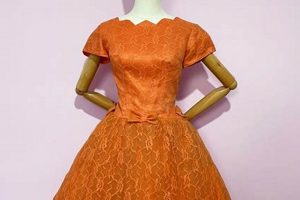
This silhouette, characterized by a defined waist and a voluminous skirt, was prevalent in the post-World War II era. It emphasized femininity and reflected the optimism of the period. Examples include dresses with nipped-in waists achieved through darting or boning, paired with gathered or pleated skirts that often extended to mid-calf length. This silhouette was particularly popular for both casual and dressy occasions, reflecting a sense of formality and refinement.
- The Shirtwaist Dress (1950s-1960s)
The shirtwaist dress, featuring a button-down bodice and a skirt that could range from full to relatively straight, offered a more practical and versatile option. It often incorporated Western-inspired details such as pointed collars, decorative yokes, and contrasting piping. This silhouette appealed to women seeking a comfortable yet stylish garment suitable for various activities, from housework to social gatherings. Its popularity reflected a shift towards more casual lifestyles.
- The Empire Waist and A-Line (1960s-1970s)
The empire waist, with its high waistline just below the bust, created a flowing and youthful silhouette. The A-line shape, widening gradually from the shoulders to the hem, offered a modern and streamlined aesthetic. These silhouettes often appeared in dresses with minimal Western detailing, reflecting a broader trend towards simpler and more geometric designs. Their adoption marked a departure from the more structured silhouettes of previous decades and mirrored the changing social landscape.
- The Maxi Dress (1970s)
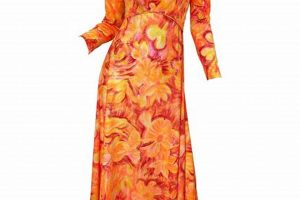
The maxi dress, with its floor-length hemline, offered a bohemian and free-spirited alternative to shorter styles. In the context of Western-inspired fashion, maxi dresses often featured floral prints, fringe accents, and peasant-style sleeves. This silhouette reflected a growing interest in natural fabrics, ethnic influences, and a rejection of traditional norms. The maxi dress became a symbol of the counterculture movement and its emphasis on individuality and self-expression.
The evolution of silhouette in garments associated with women in the American West showcases the dynamic interplay between fashion trends and cultural values. Each silhouette reflects a specific moment in time, capturing the prevailing aesthetic ideals and societal expectations of its era. Understanding these variations in silhouette is essential for accurately dating and interpreting vintage apparel, adding depth to the appreciation of their historical significance.
5. Era
The historical period in which a garment was created significantly influences its design, materials, and construction, thus imbuing each “vintage cowgirl dress” with a unique character reflective of its era of origin. Understanding the temporal context is crucial for authenticating and appreciating these garments.
- 1940s: Post-War Austerity and Practicality
Garments from this period frequently exhibit a utilitarian aesthetic due to wartime fabric rationing and a focus on practicality. Examples include dresses made from durable cotton or rayon blends with minimal embellishments. Silhouettes often featured a fitted bodice and a relatively straight skirt to conserve fabric. These pieces offer insights into the economic constraints and societal values of the post-war era.
- 1950s: The Rise of Femininity and Consumerism
This decade saw a resurgence of overtly feminine styles, characterized by full skirts, nipped-in waists, and an abundance of embellishments. Garments reflecting the aesthetic of women in the American West from this period might feature vibrant embroidery, contrasting yokes, and pearl snaps. The increased availability of synthetic fabrics like rayon allowed for more affordable and accessible versions of these glamorous styles. Such garments exemplify the post-war economic boom and the emphasis on idealized femininity.
- 1960s: Mod Influences and Shifting Silhouettes
The influence of the Mod era brought about a shift towards simpler, more streamlined silhouettes. A-line dresses and shifts in shorter lengths became popular, often incorporating bold geometric prints or minimalist Western-inspired details. Fabrics like polyester became increasingly common, offering ease of care and durability. These garments reflect the youth culture and the rejection of traditional norms that characterized the 1960s.
- 1970s: Bohemian Sensibilities and Natural Fibers
The 1970s saw a resurgence of interest in natural fibers and a bohemian aesthetic. Maxi dresses in flowing silhouettes with floral prints and fringe accents were characteristic of this period. Garments reflecting the aesthetic of women in the American West might incorporate elements of Native American design or feature handcrafted embellishments. This era exemplifies a focus on individuality, self-expression, and a connection to nature.
These era-specific details collectively contribute to the unique narrative of each “vintage cowgirl dress.” Recognizing the nuances of design, materials, and construction techniques associated with different periods enhances the appreciation of these garments as historical artifacts and cultural symbols.
6. Construction

The manner in which garments are assembled offers critical insights into their origin, intended use, and historical context. In examining “vintage cowgirl dresses,” the techniques and materials employed in their construction reveal valuable information regarding manufacturing capabilities, economic conditions, and prevailing fashion trends of the era.
- Seam Finishes and Stitching Techniques
The types of seam finishes used, such as serged edges, bound seams, or pinked seams, provide clues about the garment’s manufacturing process and intended durability. Chain stitching, lock stitching, and other distinct stitching techniques indicate specific periods or production methods. For instance, garments with hand-finished seams suggest a higher level of craftsmanship or a smaller-scale production environment, while serged edges are indicative of mass production techniques adopted later in the 20th century. These details inform about the level of industrialization present during the garment’s creation and the emphasis placed on longevity versus cost-effectiveness.
- Fastener Types and Placement
The choice of fasteners, including snaps, zippers, buttons, and hooks, influences both the functionality and the aesthetic of the garment. The materials used in these fasteners, such as metal, plastic, or pearl, provide insights into the available resources and the intended style. Placement of zippers, whether in the side seam, back seam, or front of the garment, reflects prevailing fashion trends and construction methods. The presence of branded hardware, such as snaps bearing the manufacturer’s logo, can assist in identifying the garment’s origin and production period. These seemingly minor details offer valuable information about the era in which the garment was made and the preferences of its designers.
- Interfacing and Lining Materials
The presence and type of interfacing and lining materials contribute to the garment’s structure, drape, and overall quality. Interfacing, used to stiffen or support certain areas, such as collars and cuffs, can be made from various materials, including buckram, muslin, or synthetic fabrics. Lining, used to conceal raw edges and provide a smoother fit, can be made from cotton, rayon, silk, or synthetic fabrics. The choice of these materials influences the garment’s comfort, durability, and aesthetic appeal. Analysis of interfacing and lining materials can reveal insights into the garment’s intended level of formality and the designer’s attention to detail.
- Pattern Cutting and Assembly
The way pattern pieces are cut and assembled influences the garment’s fit and silhouette. Examining the grain of the fabric, the placement of darts and seams, and the overall shaping of the garment reveals the skill and precision of the pattern maker and the sewing technician. Garments with carefully matched plaids or stripes, for example, demonstrate a higher level of craftsmanship and attention to detail. The use of specific pattern-making techniques, such as bias cutting or draping, reflects prevailing fashion trends and construction methods. Analyzing these details provides insights into the expertise and resources available during the garment’s production.
The nuances of construction provide valuable data for assessing authenticity, dating garments, and understanding their historical significance. By carefully examining the seams, fasteners, interfacing, and pattern cutting techniques, a deeper appreciation of the craftsmanship and cultural context of these enduring examples of American Western style is achieved.
7. Preservation

The long-term viability of garments reflecting the aesthetic of women in the American West is inextricably linked to diligent preservation practices. Without proactive measures to mitigate deterioration, these artifacts face irreversible damage, diminishing their historical and cultural value. Environmental factors, such as light, humidity, and temperature fluctuations, contribute to fabric degradation, fading of dyes, and weakening of fibers. Improper storage and handling exacerbate these issues, resulting in creasing, staining, and structural damage. The cumulative effect of these factors accelerates the aging process, ultimately leading to the loss of irreplaceable historical evidence. For example, a “vintage cowgirl dress” stored in direct sunlight might exhibit significant fading of its original colors within a relatively short period, rendering it less representative of its original appearance and diminishing its usefulness for study or display.
Effective preservation necessitates a multi-faceted approach encompassing preventive care, appropriate storage, and, when necessary, professional conservation treatment. Preventive care involves minimizing exposure to harmful environmental factors, using acid-free storage materials, and implementing gentle handling techniques. For instance, storing a delicate rayon dress in a buffered acid-free box lined with unbleached muslin protects it from light, dust, and pollutants. Conservation treatment addresses existing damage through specialized cleaning, stabilization, and repair methods. A qualified textile conservator can carefully mend tears, remove stains, and reinforce weakened areas, prolonging the garment’s lifespan. Prioritization of these practices safeguards these artifacts from further degradation, ensuring their continued availability for future generations.
The principles of preservation are essential to maintain the cultural heritage embodied in garments reflecting the aesthetic of women in the American West. Implementing and adhering to these practices not only extends the physical lifespan of the garments, but also their value. Continued attention to detail and commitment to conservation principles enables the study and appreciation of these tangible artifacts, ensuring their place in our understanding of fashion and culture is secure.
Frequently Asked Questions About Garments Reflecting the Aesthetic of Women in the American West
This section addresses common inquiries and clarifies misconceptions surrounding the acquisition, authentication, and preservation of garments echoing the style of women in the American West, particularly those produced during the mid-20th century.
Question 1: How does one differentiate between a genuinely “vintage” example and a contemporary garment designed to emulate the style?
Distinguishing between a genuine vintage garment and a modern replica necessitates a meticulous examination of construction techniques, materials, and hardware. Period-appropriate construction methods, such as hand-finished seams or the absence of serged edges, suggest a vintage origin. The presence of natural fibers like cotton or rayon, as opposed to synthetic materials like polyester, is another indicator. Authentic vintage garments often exhibit wear patterns consistent with age, while replicas typically lack these subtle imperfections.
Question 2: What are the primary factors influencing the monetary value of these garments?
Several factors contribute to the monetary value. Authenticity is paramount; a verifiable provenance significantly enhances value. Condition plays a crucial role; garments in excellent condition with minimal damage command higher prices. Rarity, determined by factors such as limited production runs or unique design elements, also increases value. Finally, historical significance, tied to notable designers or cultural events, further elevates the garment’s market price.
Question 3: What are the most common types of damage encountered in these garments and how can they be prevented?
Common types of damage include fabric degradation due to light exposure, staining from spills or improper cleaning, and structural damage from improper storage. Prevention strategies involve storing garments in a cool, dark, and dry environment, using acid-free storage materials, and handling them with care. Regular inspection for signs of pest infestation is also recommended.
Question 4: Is professional cleaning always necessary or are there circumstances under which home cleaning is acceptable?
Professional cleaning is generally recommended for delicate or heavily soiled garments. However, gentle hand-washing may be appropriate for certain items made from durable fabrics and exhibiting only minor soiling. It is imperative to test a small, inconspicuous area of the garment before proceeding with any cleaning method. Harsh chemicals and aggressive agitation should be avoided at all costs.
Question 5: How should garments be stored to minimize the risk of damage?
Proper storage involves using padded hangers for structured garments and folding delicate items with acid-free tissue paper in buffered storage boxes. Garments should be stored in a cool, dark, and dry environment away from direct sunlight and sources of heat. Avoid storing garments in plastic bags, as they can trap moisture and promote mildew growth.
Question 6: What resources are available for individuals seeking to learn more about these garments?
Numerous resources exist for those seeking further knowledge. Museum collections, specializing in costume and textiles, offer opportunities for close examination and scholarly research. Reputable vintage dealers and auction houses provide expertise in authentication and valuation. Online databases and historical catalogs offer valuable information about design trends and manufacturing techniques. Academic publications and specialized books offer in-depth analyses of Western-inspired fashion.
These answers provide a foundation for the informed acquisition, care, and appreciation of these historical garments. Continued learning and diligent application of these principles will ensure their preservation for future generations.
The following section will examine the designers known for their unique approach in this category of garments.
Conclusion
The preceding analysis has explored various facets of “vintage cowgirl dresses,” emphasizing their significance as tangible artifacts reflecting design trends, material culture, and societal values of the mid-20th century American West. Key elements discussed include authenticity, materials, embellishments, silhouette, historical period, construction techniques, and preservation methods. These components collectively contribute to the garments’ historical and cultural value.
The study of “vintage cowgirl dresses” extends beyond mere appreciation of aesthetics. It provides valuable insights into the evolution of fashion, manufacturing practices, and the cultural landscape of a bygone era. Continued research, responsible acquisition, and diligent preservation efforts are crucial to ensure these artifacts remain accessible for future study and enjoyment. The preservation of the material record allows generations to engage with tangible items from the past.