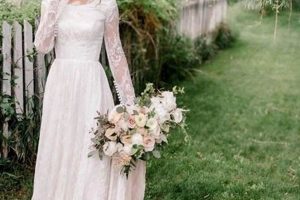
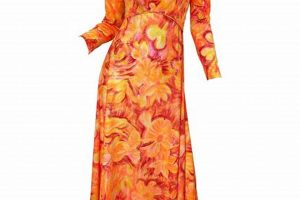
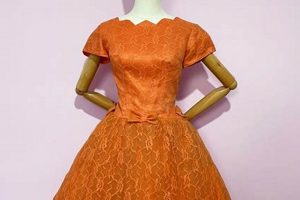
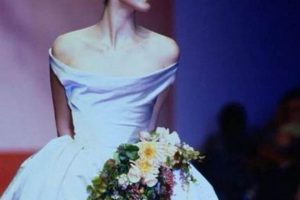
The garments in question represent a specific era of bridal fashion. Originating from a decade characterized by economic hardship and evolving social norms, these gowns reflect a departure from the extravagant styles of the preceding era, embracing instead elegance and understated sophistication. Elements like bias-cut satin, longer hemlines, and delicate embellishments are hallmarks of these sought-after bridal styles.
Their significance lies in their embodiment of a particular historical moment and aesthetic ideal. They offer a tangible link to the past, appealing to individuals seeking unique and timeless beauty. The benefits of acquiring such a piece extend beyond its aesthetic value, providing a connection to sartorial history and a sustainable alternative to contemporary designs. Their enduring appeal showcases the power of design to transcend time and cultural shifts.
To understand the enduring allure, several key aspects warrant exploration. These include the defining characteristics of the silhouette, the prevalent materials used, and the influence of Hollywood glamour on bridal trends. Further discussion will also address the challenges of sourcing and preserving such delicate artifacts.
Tips for Acquiring and Maintaining Garments from the 1930s Bridal Era
Considerations for those interested in acquiring bridal wear from this period involve careful assessment and preservation techniques to ensure longevity and maintain historical accuracy.
Tip 1: Thoroughly Inspect Condition: Examine the garment meticulously for signs of damage such as tears, stains, or weakening of the fabric. Pay particular attention to areas prone to stress, such as seams and closures. Minor imperfections may be repairable, but extensive damage can significantly impact value and wearability.
Tip 2: Verify Authenticity: Research common construction techniques and materials used during the era. Authentic gowns typically feature hand-stitched details, bias-cut construction, and materials like silk satin or rayon. Be wary of modern reproductions marketed as original pieces.
Tip 3: Prioritize Proper Storage: Store gowns flat or on padded hangers in acid-free tissue paper within a breathable garment bag. Avoid direct sunlight and extreme temperature fluctuations, which can degrade delicate fabrics.
Tip 4: Exercise Caution in Cleaning: Professional cleaning by a specialist experienced in vintage textiles is strongly recommended. Avoid harsh chemicals and machine washing, as these can irreparably damage fragile materials. Spot cleaning should be performed with extreme care using gentle, pH-neutral solutions.
Tip 5: Consider Alterations Wisely: Alterations should be approached with caution and performed by a skilled seamstress familiar with vintage garment construction. Avoid irreversible changes that compromise the integrity of the original design.
Tip 6: Research Provenance: When possible, seek information regarding the gown’s history and previous ownership. Provenance can enhance its value and provide insights into its care and use.
Tip 7: Factor in Restoration Costs: Be prepared to invest in necessary repairs or restoration work. Budget for professional cleaning, seam repairs, and replacement of missing embellishments to preserve the gown’s beauty and structural integrity.
Adhering to these guidelines increases the likelihood of acquiring a genuine, well-preserved garment and ensures its continued enjoyment for years to come. Careful consideration of these factors protects not only the garment but also its inherent historical value.
Following these suggestions will lead to a greater appreciation and longevity of historically significant bridal wear, offering a unique and lasting connection to the past.
1. Bias-cut silhouette

The bias-cut silhouette is inextricably linked to the aesthetic of the wedding dresses originating from the 1930s. This construction technique, involving cutting fabric at a 45-degree angle to the grain, resulted in garments that draped and flowed gracefully, accentuating the wearer’s figure in a manner unprecedented in earlier bridal fashion. The adoption of this technique was a direct response to changing social norms and advancements in textile production, which allowed for the creation of more fluid and body-conscious designs. Designers like Madeleine Vionnet pioneered this method, influencing bridal wear through its inherent elegance and flattering fit.
The importance of the bias-cut in defining garments from this era lies in its ability to transform relatively simple materials into sophisticated and visually striking creations. For example, a satin gown cut on the bias could achieve a liquid-like appearance, reflecting light in a way that enhanced its luxuriousness. This technique also allowed for greater freedom of movement, a departure from the more structured and restrictive gowns of previous decades. Furthermore, the bias-cut contributed to the longevity of these garments, as the fabric’s natural stretch allowed it to conform to the wearer’s body, adapting to slight changes in size over time.
Understanding the influence of the bias-cut on bridal attire from the 1930s is essential for both collectors and those seeking to replicate the era’s aesthetic. It allows for informed decisions regarding sourcing, preservation, and reproduction. However, challenges exist in maintaining garments constructed using this technique, as the bias-cut makes them prone to stretching and distortion. Proper storage and handling are crucial to preserving their original form and elegance, ensuring they remain a testament to the enduring appeal of 1930s bridal style.
2. Satin and Rayon

The prevalence of satin and rayon in bridal attire from the 1930s is a direct consequence of both aesthetic preferences and economic realities. Satin, with its inherent sheen and luxurious drape, embodied the era’s desire for elegance and sophistication. The bias-cut silhouette, characteristic of these gowns, was ideally suited to the fluid qualities of satin, enhancing its visual impact. However, the economic hardships of the Great Depression necessitated more affordable alternatives, leading to the widespread adoption of rayon. Rayon, a semi-synthetic fabric, possessed a similar drape and luster to satin but at a significantly lower cost, making it accessible to a wider range of brides. The interplay between satin and rayon, therefore, defined the materials palette of bridal wear during this period. For instance, a bride seeking a more opulent look might choose a full satin gown, while another, constrained by budget, could opt for a rayon dress, often embellished to mimic the appearance of genuine silk.
The understanding of material composition holds significant practical implications for the preservation and restoration of vintage bridal garments. Satin, typically woven from silk, is susceptible to damage from moisture, sunlight, and improper handling. Rayon, on the other hand, while more resilient to some forms of damage, can be weakened by harsh chemicals and high temperatures. Therefore, identification of the fabric type is critical for determining appropriate cleaning and storage methods. Conservators rely on microscopic analysis and burn tests to differentiate between satin and rayon, enabling them to tailor their treatment strategies accordingly. For example, a stain removal technique suitable for silk satin could irreparably damage a rayon gown, underscoring the importance of accurate material identification.
In summary, the connection between satin, rayon, and bridal fashion from the 1930s is multifaceted, encompassing aesthetic ideals, economic constraints, and preservation considerations. These materials were not merely substitutes but rather coexisted, shaping the visual landscape of bridal wear during a transformative decade. Recognition of their individual properties and the nuances of their usage is essential for appreciating the artistry and historical context of these garments, as well as ensuring their continued survival for future generations. The challenges of preservation necessitate specialized knowledge and careful handling to mitigate the inherent vulnerabilities of these fabrics, ultimately safeguarding their cultural and historical significance.
3. Art Deco influence

The Art Deco movement, characterized by its geometric forms, streamlined designs, and opulent detailing, profoundly influenced various aspects of visual culture during the 1930s, including bridal fashion. The aesthetic principles of Art Deco resonated with the era’s desire for modernity and sophistication, shaping the silhouettes, embellishments, and overall design of wedding dresses.
- Geometric Patterns and Motifs
Art Deco embraced geometric patterns, such as chevrons, zigzags, and stepped designs. These motifs were often incorporated into the embellishments of bridal gowns, appearing in beadwork, embroidery, and lace appliques. For example, a gown might feature a bodice adorned with a stylized floral design rendered in geometric shapes, reflecting the Art Deco emphasis on stylized natural forms. These patterns added a sense of visual interest and modernity to the traditional bridal silhouette.
- Streamlined Silhouettes
In contrast to the elaborate and voluminous gowns of previous eras, Art Deco favored streamlined and elongated silhouettes. This translated into wedding dresses with simpler shapes, often featuring bias-cut construction to enhance the fluidity of the fabric. The focus shifted from overt ornamentation to elegant lines and a more understated aesthetic. A quintessential example would be a sleek satin gown with minimal embellishments, relying on its shape and the drape of the fabric to create a sophisticated look.
- Luxurious Materials and Embellishments
While embracing simplicity in form, Art Deco celebrated luxurious materials and intricate embellishments. Wedding dresses often featured high-quality fabrics such as satin, silk, and velvet, along with opulent details like pearl accents, crystal beading, and metallic threads. These embellishments were meticulously applied to create a sense of glamour and sophistication. An example would be a gown adorned with delicate pearl embroidery along the neckline and sleeves, adding a touch of understated elegance.
- Influence on Accessories
The Art Deco influence extended beyond the gowns themselves to bridal accessories. Headpieces, such as jeweled combs and cloche hats, often featured geometric designs and luxurious materials. Veils were typically shorter and less elaborate than those of previous eras, reflecting the streamlined aesthetic. Similarly, bridal jewelry incorporated Art Deco motifs, with geometric shapes and bold designs predominating. An ensemble might include a gown paired with a jeweled headpiece featuring a stepped design, completing the Art Deco-inspired bridal look.
The integration of Art Deco elements into bridal attire during the 1930s represents a significant shift in wedding fashion. These details contributed to a sense of modernity, sophistication, and understated glamour, defining the aesthetic of the era. The incorporation of geometric patterns, streamlined silhouettes, luxurious materials, and complementary accessories created bridal looks that embodied the Art Deco spirit, marking a departure from previous styles and setting the stage for future trends in bridal design.
4. Long, flowing lines

The prevalence of long, flowing lines in bridal gowns of the 1930s represents a significant departure from the more structured and restrictive silhouettes of previous decades. This design element, facilitated by the bias-cut and the use of fabrics like satin and rayon, contributed to the characteristic elegance and sophistication associated with this era of bridal fashion.
- Emphasis on Verticality
Long, flowing lines served to elongate the figure, creating a sense of grace and refinement. This vertical emphasis was achieved through the use of floor-length gowns, often devoid of excessive embellishments that might interrupt the smooth, uninterrupted flow of the fabric. For example, a simple satin gown with minimal detailing would rely on its length and the way it draped to create a visually striking effect.
- Fluidity and Movement
The long, flowing lines allowed for greater freedom of movement, enabling the bride to glide gracefully. This sense of fluidity was enhanced by the bias-cut, which caused the fabric to drape and move in a more dynamic manner. Imagine a bride walking down the aisle in a gown that gently swayed with each step, creating an ethereal and captivating visual. Garments from previous decades, characterized by their rigid structures, lacked this fluidity.
- Understated Elegance
The emphasis on long, flowing lines contributed to the overall understated elegance of garments from this era. Rather than relying on elaborate ornamentation, designers focused on the quality of the fabric and the way it fell on the body. This approach reflected a shift in social attitudes, favoring a more refined and subtle expression of luxury. A gown featuring clean lines and minimal embellishments exemplified this understated elegance.
- Adaptability to Embellishment
While long, flowing lines often signified simplicity, they also provided a versatile canvas for subtle embellishments. Delicate lace appliques, beadwork, or embroidery could be strategically placed to enhance the gown’s visual appeal without disrupting its overall flow. An example might be a gown with a subtle train adorned with delicate floral embroidery, adding a touch of detail without compromising the garment’s streamlined silhouette.
The long, flowing lines found in vintage 1930s wedding dresses are indicative of the design principles and social values of the time. They reflect a shift towards greater freedom of movement, understated elegance, and a focus on the quality of materials and craftsmanship. The versatility and timeless appeal of these lines continue to influence contemporary bridal design. Gowns from this decade represent an enduring aesthetic ideal within bridal fashion history.
5. Delicate embellishments

The subtle application of decorative elements characterized the bridal gowns of the 1930s. Restraint and refinement defined the approach to ornamentation, contrasting with the more overt displays of embellishment found in earlier eras.
- Lace Appliqus
Fine lace, often sourced from France or Belgium, was meticulously applied to bodices, sleeves, and trains. These appliqus frequently featured floral or geometric patterns, mirroring Art Deco motifs. For example, a Chantilly lace trim might cascade down the back of a satin gown, adding a touch of romanticism without overwhelming the overall design. These details added textural richness and visual interest while maintaining the gown’s streamlined silhouette.
- Beadwork and Sequins
Delicate beadwork and sequin detailing were employed to catch the light and add subtle shimmer. Seed beads, pearls, and iridescent sequins were often sewn onto gowns in intricate patterns, creating a sense of understated glamour. A gown might feature a bodice adorned with a scattering of seed beads arranged in a floral design, providing a subtle sparkle without detracting from the gown’s overall elegance. These embellishments introduced a tactile element that enhanced the gown’s visual appeal.
- Embroidery
Fine embroidery, executed with silk or metallic threads, was another common form of embellishment. Floral motifs, geometric designs, and abstract patterns were rendered with meticulous detail, adding a personalized touch to the gowns. A gown might showcase a hand-embroidered border along the hemline, featuring a delicate floral vine pattern. These intricate details demonstrated the skill of the artisans involved in creating these garments.
- Fabric Manipulation
Techniques such as pleating, ruching, and draping were utilized to create subtle textural variations and visual interest. These fabric manipulations added depth and dimension to the gowns without relying on applied embellishments. A gown might feature a bodice with subtle pleats radiating from the center, creating a flattering shape and adding a touch of sophistication. These fabric manipulation methods allowed designers to create visually interesting gowns with minimal additional ornamentation.
The emphasis on delicate embellishments reflects the broader aesthetic sensibilities of the 1930s, which favored understated elegance and refined details over overt displays of opulence. These subtle decorative elements enhanced the beauty of the gowns without overwhelming their streamlined silhouettes. The delicate embellishments contributed to the enduring appeal of vintage bridal gowns, offering a glimpse into the craftsmanship and design principles of the era.
6. Hollywood glamour

Hollywood glamour exerted a considerable influence on bridal fashion during the 1930s, shaping aesthetic ideals and inspiring design trends. The silver screen served as a primary source of inspiration for brides seeking to emulate the sophistication and elegance of their favorite actresses. This influence manifested in several key aspects of garments from this era.
- Satin Gowns and the Silver Screen
The widespread adoption of satin as a primary fabric for bridal gowns can be directly attributed to its prominence in Hollywood films. Actresses frequently donned satin gowns that showcased the fabric’s luxurious sheen and flattering drape. Brides sought to replicate this visual impact, leading to an increased demand for satin and similar fabrics, such as rayon, which offered a more affordable alternative. For example, Jean Harlow’s iconic satin gowns significantly contributed to the material’s popularity in both film and bridal wear.
- Bias-Cut and Figure-Hugging Silhouettes
The bias-cut, a technique that allowed fabric to drape fluidly and accentuate the figure, was another hallmark of Hollywood glamour adopted into bridal fashion. Actresses like Carole Lombard frequently wore bias-cut gowns that showcased their figures, influencing brides to seek similar silhouettes. This construction method allowed for a more form-fitting design that highlighted the wearer’s curves, departing from the more structured gowns of previous eras.
- Embellishments and Accessories
The understated elegance characteristic of the 1930s bridal wear was often punctuated by subtle embellishments and accessories inspired by Hollywood trends. Delicate beadwork, lace appliqus, and jeweled headpieces added a touch of glamour without overwhelming the overall design. Actresses such as Marlene Dietrich influenced the use of minimalist accessories that complemented the streamlined silhouettes of the gowns, enhancing their sophistication.
- Influence on Hairstyle and Makeup
The influence of Hollywood extended beyond the garments themselves to hairstyles and makeup. Brides often emulated the hairstyles of their favorite actresses, opting for sleek waves and sophisticated updos. Makeup trends, such as defined eyebrows and red lipstick, were also adopted to complete the glamorous bridal look. These complementary elements contributed to a cohesive aesthetic that reflected the broader influence of Hollywood on the wedding day.
In summary, the influence of Hollywood glamour on bridal wear during the 1930s was pervasive, shaping the materials, silhouettes, embellishments, and overall aesthetic of these garments. The silver screen served as a powerful source of inspiration, influencing brides to emulate the sophistication and elegance of their favorite actresses. This enduring connection between Hollywood and bridal fashion highlights the cultural significance of the era and its lasting impact on design trends.
7. Subtle elegance
The defining characteristic of garments from this era is the principle of subtle elegance. This attribute represents a conscious departure from prior ostentatious displays, reflecting economic constraints and a shifting social landscape. Embellishments were restrained, silhouettes prioritized graceful lines over volume, and the overall effect conveyed a sense of understated sophistication. This focus results from the convergence of economic realities and evolving societal values. The Great Depression curtailed extravagant spending, encouraging designers to prioritize quality craftsmanship and enduring style. For example, a silk satin gown, devoid of excessive beading but expertly cut on the bias, exemplifies this approach.
The importance of subtle elegance as a component of bridal wear from the 1930s extends beyond mere aesthetics. It speaks to a broader cultural shift toward valuing inner grace and refined taste. Dresses of this time are frequently showcased in museum exhibits and vintage fashion shows, where their simple silhouettes and elegant lines speak to the power of understated sophistication. This understanding has practical significance for those seeking to replicate or preserve this era’s style. For instance, recognizing that less is more allows for informed choices when selecting vintage pieces or designing reproductions, ensuring adherence to the authentic aesthetic.
Subtle elegance represents more than a design choice; it encapsulates a specific historical moment and its values. This understanding informs preservation efforts, guiding the restoration of garments with a sensitivity to the original intent. The challenge lies in discerning genuine subtle elegance from mere plainness, requiring careful consideration of materials, cut, and construction techniques. Ultimately, the emphasis on nuanced details contributes to the enduring appeal, ensuring these gowns continue to embody a timeless ideal.
Frequently Asked Questions
The following addresses common inquiries regarding authentic bridal attire from the specified decade, providing clarity on identification, preservation, and wearability.
Question 1: How can an authentic gown from the 1930s be distinguished from a modern reproduction?
Examination of construction techniques and materials is crucial. Authentic gowns typically feature hand-stitched seams, bias-cut construction (though not exclusively), and materials like silk satin or rayon. Modern reproductions may employ machine stitching and contemporary fabrics. Close inspection of details and knowledge of historical sewing methods are essential.
Question 2: What are the primary challenges in preserving a bridal gown from this era?
The fragility of the fabrics is a primary concern. Silk and rayon are susceptible to damage from light, moisture, and improper storage. Bias-cut construction can lead to stretching and distortion over time. Preservation requires careful handling, appropriate storage in acid-free materials, and professional cleaning by specialists experienced in vintage textiles.
Question 3: Is it advisable to wear a vintage gown from the 1930s for a contemporary wedding?
While possible, doing so requires careful consideration. The gown’s condition must be assessed to ensure it can withstand wear. Reinforcements to seams or delicate areas may be necessary. Alterations should be approached with caution to avoid compromising the gown’s integrity. The decision ultimately depends on the gown’s structural soundness and the wearer’s commitment to its preservation.
Question 4: What impact did the Great Depression have on the design of bridal attire during this period?
The economic hardships influenced a shift towards simpler, more streamlined designs. Extravagant embellishments were scaled back, and more affordable materials like rayon were used in place of silk. However, the desire for elegance persisted, resulting in understated yet sophisticated gowns that reflected the era’s constraints.
Question 5: How did Hollywood glamour influence the style and trends in bridal fashion during this era?
The silver screen exerted a strong influence, shaping aesthetic ideals and inspiring design trends. Actresses often wore satin gowns with bias-cut construction, influencing brides to seek similar styles. Hollywood trends also impacted hairstyles, makeup, and accessories, contributing to a cohesive, glamorous bridal look.
Question 6: What are the key design elements that define bridal gowns from the 1930s?
Essential aspects include the bias-cut silhouette, the use of satin and rayon fabrics, Art Deco-inspired detailing, long flowing lines, delicate embellishments, and the overall aesthetic of subtle elegance. These elements collectively distinguish gowns from this period, reflecting the design principles and social values of the time.
Careful acquisition, mindful preservation, and an understanding of the historical context are paramount for appreciating garments from this significant era in bridal fashion.
The subsequent section will explore the enduring appeal and contemporary relevance of 1930s-inspired bridal designs.
Conclusion
The examination of vintage 1930s wedding dresses reveals an intersection of historical circumstance, aesthetic preference, and technical innovation. The defining characteristics, from the bias-cut silhouette to the subtle embellishments, reflect both the economic realities of the Great Depression and the pervasive influence of Hollywood glamour. These garments represent a unique moment in bridal fashion, characterized by understated elegance and refined sophistication.
The enduring appeal and historical significance of vintage 1930s wedding dresses warrant continued appreciation and careful preservation. Their enduring design principles offer valuable lessons for contemporary designers and underscore the timeless allure of understated beauty. Further research into textile conservation and historical fashion analysis is encouraged to safeguard these delicate artifacts for future generations.