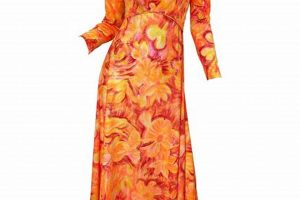
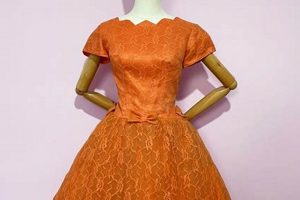
A garment from the Italian fashion house, established by Emilio Pucci, Marquise of Barsento, often characterized by bold, kaleidoscopic prints and vibrant color palettes, produced in a prior era. These items represent a specific period of the brand’s design history, reflecting the aesthetic sensibilities and manufacturing techniques prevalent at the time of production.
These articles of clothing hold significant cultural and financial value due to their rarity, historical relevance, and association with a renowned designer. They offer insights into the evolution of fashion trends and textile technology. Owning or collecting these items can be seen as an investment, a statement of personal style, or a way to preserve sartorial heritage. The brand’s innovative use of geometric patterns and figure-flattering silhouettes revolutionized resort wear and continues to influence contemporary design.
The subsequent sections will delve into specific aspects of these coveted pieces, including identification, care, and preservation techniques. We will also explore the impact of the brand’s signature aesthetics on the broader fashion landscape and the factors that contribute to their desirability in the current market.
Guidance on Acquiring Pieces from the Emilio Pucci Archive
The following guidance assists in navigating the complexities of purchasing garments from the Emilio Pucci archive, ensuring authenticity, assessing condition, and making informed decisions.
Tip 1: Verify Authenticity. Thoroughly examine the label. Original items typically feature specific font styles and labeling formats that evolved over time. Consult reputable vintage resources or authentication services to confirm legitimacy.
Tip 2: Assess Fabric and Construction. Authentic pieces are frequently crafted from high-quality silk jersey or cotton. Examine the seams, stitching, and overall construction for signs of quality craftsmanship. Inconsistencies may indicate reproduction.
Tip 3: Scrutinize Print Quality. The brand is renowned for its vibrant and meticulously executed prints. Inspect the clarity, color saturation, and alignment of the patterns. Faded or poorly rendered prints may suggest a lower-quality reproduction or significant wear.
Tip 4: Evaluate Condition. Carefully assess the garment for damage, including stains, tears, fading, or alterations. Factor the condition into the valuation, as restoration can be costly and may impact the item’s integrity.
Tip 5: Understand the Era. Familiarize yourself with the brand’s design evolution across different decades. This knowledge will aid in identifying the garment’s approximate age and assessing its historical significance.
Tip 6: Seek Expert Opinion. Consult with vintage clothing specialists or auction houses with expertise in designer garments. Their insights can provide valuable information regarding authenticity, provenance, and market value.
Tip 7: Compare Prices. Research comparable sales to gauge a fair market price. Consider factors such as condition, rarity, and provenance when assessing value. Be wary of prices that seem too good to be true.
Adherence to these principles enables the acquisition of authentic pieces in acceptable condition at a justifiable price.
The subsequent section will address preservation strategies to safeguard these investments.
1. Iconic Geometric Patterns
The integration of distinctive geometric motifs is a hallmark of vintage Emilio Pucci dress design, inextricably linking the brand’s identity to a specific visual vocabulary. These patterns are not merely decorative elements, but rather integral components that contribute to the garment’s overall aesthetic appeal and historical significance.
- Kaleidoscopic Compositions
The brand frequently employed kaleidoscopic arrangements of geometric shapes, creating visually dynamic and captivating surfaces. These patterns often incorporated a diverse range of forms, from simple polygons to complex curvilinear elements, resulting in a sense of movement and visual complexity. An example includes the “Etruschi” print, where interlocking geometric forms generate a sense of optical illusion and vibrant energy. The implications are that each piece becomes a wearable work of art.
- Bold Color Palettes
The geometric patterns are invariably paired with intense and vibrant color combinations. The juxtaposition of contrasting hues amplifies the visual impact of the geometric forms, enhancing their dimensionality and drawing the eye. The “Vivara” print exemplifies this through its bold use of turquoise, fuchsia, and lemon yellow, creating a visually arresting effect. The effect is a bold and daring statement, emblematic of the era’s fashion sensibilities.
- Asymmetrical Arrangements
While symmetry can be observed in certain designs, the brand often favored asymmetrical compositions, introducing an element of visual surprise and dynamism. Off-center placements and irregular repetitions of geometric motifs contribute to a sense of spontaneity and individuality. An example is found in many of the foulard-inspired dresses, where geometric borders and central motifs are deliberately offset to create visual interest. This showcases a break from traditional design constraints.
- Abstraction of Natural Forms
Although abstract, the geometric patterns often allude to natural forms, such as flowers, landscapes, or celestial bodies. These subtle references enrich the patterns’ meaning and add layers of interpretation. The use of concentric circles and radiating lines, suggestive of sunbursts or blooming flowers, is a recurring theme. It offers a nod to the natural world while retaining a distinctly modern aesthetic.
In summation, the strategic deployment of iconic geometric patterns is central to the enduring appeal and recognizability of these garments. These patterns, in combination with the brand’s signature color palettes and design principles, solidify its place in the annals of fashion history, making examples highly sought after by collectors and enthusiasts alike.
2. Luxurious Silk Jersey

The prevalence of luxurious silk jersey is a defining characteristic of vintage Emilio Pucci dress, significantly contributing to the garments’ distinctive drape, comfort, and overall aesthetic. Its selection as a primary material reflects a conscious decision to prioritize both visual elegance and tactile pleasure.
- Fluid Drape and Silhouette
Silk jersey’s inherent fluidity allows it to drape gracefully against the body, creating a flattering and elongated silhouette. This characteristic was particularly advantageous in the designs, which often emphasized a flowing, unrestrained aesthetic. The fabric’s natural movement enhanced the dynamism of the prints, creating a sense of visual motion. This allowed for a comfortable and stylish fit, liberating women from more structured garments.
- Enhanced Print Vibrancy
The smooth, lustrous surface of silk jersey provides an ideal canvas for showcasing the brand’s signature vibrant prints. The fabric’s ability to absorb dyes evenly ensures that the colors appear saturated and true to the original design. This contributed to the garments’ visual impact, making them instantly recognizable and highly desirable. The result is a riot of color, essential to the label’s DNA.
- Comfort and Breathability
Despite its luxurious appearance, silk jersey offers exceptional comfort and breathability, making it suitable for a range of climates and occasions. The fabric’s lightweight nature allows for air circulation, preventing overheating and ensuring wearer comfort. This combination of luxury and practicality was particularly appealing to the brand’s clientele, who sought garments that were both stylish and comfortable. This was particularly useful in resort wear, a specialty of the designer.
- Durability and Longevity (with proper care)
While delicate, silk jersey, when properly cared for, can exhibit surprising durability and longevity. With gentle handling, appropriate cleaning methods, and careful storage, vintage pieces constructed from this material can withstand the test of time. This characteristic contributes to their collectibility and enduring value, allowing them to be appreciated for generations to come. Proper maintenance is essential for preserving the fabric’s integrity and vibrancy, preventing degradation and ensuring its continued beauty.
The inherent qualities of silk jersey its drape, its ability to showcase prints, its comfort, and its potential for longevity were integral to the success of Emilio Pucci’s designs. These characteristics elevated the garments beyond mere articles of clothing, transforming them into wearable works of art that continue to be cherished for their beauty and historical significance. The synergy between design and materials is key to understanding the enduring appeal of examples from the archive.
3. Flattering Silhouette

The creation of a flattering silhouette is a defining feature of garments created by Emilio Pucci. The designs were purposefully structured to enhance the wearer’s figure, contributing significantly to the clothing’s desirability and iconic status. This focus on silhouette, achieved through strategic cuts and fabric manipulation, became a key component of the brand’s aesthetic identity. The effect is often achieved by using fabrics like silk jersey that drape well and follow the body’s lines, as well as strategic placement of geometric patterns to draw the eye and create visual illusions.
The brand often employed techniques such as empire waistlines, A-line skirts, and carefully placed darting to achieve a slimming and elongating effect. The prints, though bold, were also strategically utilized to contour the body and emphasize desirable features. For example, a dress from the 1960s might feature a darker color or smaller print around the waistline to create the illusion of a smaller waist. These deliberate design choices had a direct impact on how the garment was perceived and experienced by the wearer, contributing to the brand’s reputation for creating clothes that made women feel confident and attractive. This translated to wide appeal and commercial success during the brand’s golden era.
Understanding the importance of flattering silhouette is crucial for appreciating the enduring appeal of designs. It also helps in authenticating garments, as reproductions often lack the precise tailoring and attention to detail that characterized the originals. The strategic construction contributes to the item’s investment potential by emphasizing the historical and artistic importance of these clothes. These designs demonstrate a commitment to both aesthetic innovation and practical considerations of fit and form, making them valuable examples of mid-century fashion.
4. Historical Significance

Garments produced by Emilio Pucci in previous decades represent a tangible link to pivotal moments in fashion and social history. Their design and production reflect prevailing cultural attitudes, technological advancements, and aesthetic sensibilities, thereby positioning them as artifacts worthy of scholarly examination and preservation.
- Revolution in Resort Wear
The brand fundamentally altered the landscape of resort wear, moving away from traditionally conservative styles towards bold, vibrant prints and comfortable, unrestrictive silhouettes. This shift reflected a growing desire for leisure and self-expression in the post-war era. Its influence can be seen in the designs adopted by elite travel destinations and the wardrobes of influential figures, such as Jacqueline Kennedy Onassis. The implications are that the garments are more than mere fashion items; they are embodiments of a changing societal approach to leisure and luxury.
- Pioneering Print Technology
Emilio Pucci was at the forefront of textile innovation, experimenting with new printing techniques and synthetic fabrics that allowed for greater color saturation and durability. These advancements enabled the creation of complex geometric patterns and vibrant color palettes that became synonymous with the brand. The use of these techniques in items produced during the 1960s and 1970s demonstrates a commitment to technological progress and a willingness to push the boundaries of textile design. This establishes the brand as an important figure in the development of textile printing.
- Association with Jet-Set Culture
The brand became closely associated with the jet-set culture of the mid-20th century, adorning celebrities, socialites, and royalty who embodied a lifestyle of international travel and effortless glamour. Garments were frequently photographed in exotic locales, further reinforcing their association with exclusivity and sophistication. The brand’s popularity among these influential figures cemented its place in popular culture and contributed to its enduring appeal. Garments from this period function as symbolic representations of this specific cultural phenomenon.
- Influence on Subsequent Designers
The brand’s design principles, particularly its innovative use of color and pattern, have had a lasting influence on subsequent generations of designers. The use of bold color combinations, geometric patterns, and fluid silhouettes continues to inspire contemporary fashion trends, demonstrating the brand’s enduring legacy. Many modern designers credit its founder as a key influence, underscoring the brand’s importance in the evolution of fashion aesthetics. Garments from this house demonstrate an enduring legacy.
These facets collectively underscore the historical importance of these garments, highlighting their role in shaping fashion trends, technological innovation, and cultural identity. They are more than clothes; they are cultural and artistic artifacts representing a specific era.
5. Investment Potential
The intersection of rarity, historical significance, and enduring aesthetic appeal positions garments from Emilio Pucci’s past as potentially valuable investments. Several factors contribute to this potential, requiring careful consideration for prospective collectors and investors.
- Rarity and Condition
The availability of garments in excellent condition is a primary driver of value. Limited production runs and the natural degradation of textiles over time contribute to scarcity. Examples from specific collections or collaborations, particularly those in pristine or near-mint condition, command premium prices. For example, dresses from the early 1960s in unworn condition are highly prized due to their scarcity. The implication is that diligent assessment of condition is paramount to determining potential return on investment.
- Provenance and Documentation
Establishing a clear history of ownership, or provenance, can significantly enhance an item’s value. Documentation such as original receipts, photographs of the garment being worn by notable individuals, or inclusion in museum exhibitions adds to its desirability and authenticity. Garments once owned by prominent figures or featured in significant fashion publications are typically more valuable. This means that meticulous record-keeping and research are essential for maximizing the investment potential of the garment.
- Market Trends and Demand
Fluctuations in market trends and consumer demand directly impact the prices realized at auction or in private sales. Increased interest in vintage fashion, coupled with a resurgence of appreciation for specific eras or designers, can drive up values. Monitoring auction results, tracking fashion industry trends, and engaging with vintage clothing communities provide valuable insights into market dynamics. An increased awareness of sustainable fashion may drive the demand even higher in the future.
- Design and Aesthetic Significance
The inherent artistic merit and innovative design elements contribute to an item’s investment value. Unique prints, novel silhouettes, and the use of high-quality materials enhance its desirability among collectors. Garments that represent a significant departure from prevailing fashion trends or demonstrate a particularly influential design concept are often more sought after. This reinforces the importance of understanding the historical context of each piece and its contribution to the evolution of fashion.
The convergence of these factors shapes the investment potential. While not a guarantee of financial return, the strategic acquisition and diligent preservation of these pieces, coupled with a comprehensive understanding of market dynamics and design history, can yield significant appreciation over time. These pieces become stores of value for the informed collector.
Frequently Asked Questions
The following section addresses frequently encountered queries regarding identification, valuation, care, and preservation of garments from the Emilio Pucci archive. The information presented aims to provide clarity and guidance for collectors, enthusiasts, and prospective buyers.
Question 1: How can the authenticity of a purported piece be determined?
Authentication requires a multi-faceted approach. Scrutinize the label for font consistency and labeling format, compare the print quality to known authentic examples, assess the fabric and construction for signs of quality craftsmanship, and consult reputable vintage authentication services.
Question 2: What factors influence the valuation of a garment from Emilio Pucci’s past?
Valuation is determined by a confluence of factors, including condition, rarity, provenance (documented ownership history), market trends, and the intrinsic artistic merit of the design. Pristine examples with documented provenance command higher prices.
Question 3: What are the recommended care and cleaning protocols for delicate silk jersey?
Professional dry cleaning by a specialist experienced in handling vintage textiles is generally recommended. Avoid harsh chemicals, excessive heat, and direct sunlight. Store the garment flat, ideally wrapped in acid-free tissue paper, to prevent stretching or creasing.
Question 4: How should storage for these garments be properly managed to avoid degradation?
Store garments in a cool, dry, dark environment, away from direct sunlight and humidity. Use padded hangers to prevent stretching, or store them flat in acid-free boxes or garment bags. Avoid storing them in plastic, as it can trap moisture and contribute to fabric deterioration.
Question 5: What are common types of damage found on these pieces, and are they repairable?
Common damages include staining, fading, tears, seam separations, and moth damage. The feasibility of repair depends on the severity of the damage and the expertise of the restoration specialist. Significant damage can diminish the value of the garment.
Question 6: How does print variation affect a garment’s potential value?
Slight print variations are inherent in vintage textiles due to the manual nature of early printing processes. However, significant print flaws or inconsistencies may diminish the value, particularly if they detract from the overall aesthetic appeal. Unique or rare print variations, conversely, may enhance value.
In summary, careful consideration of these factors is essential for responsible ownership and preservation of these culturally significant garments. Diligence and informed decision-making are key to maximizing their longevity and value.
The subsequent section explores case studies of notable pieces and their impact on fashion history.
Conclusion
The preceding analysis has illuminated the multifaceted nature of the keyword phrase, extending beyond a mere description of attire to encompass historical significance, artistic innovation, and investment potential. Authentication methodologies, valuation factors, care protocols, and frequently encountered issues have been addressed, providing a comprehensive understanding of the subject matter.
Ongoing research and diligent stewardship are crucial for preserving and appreciating these artifacts of fashion history. Continued engagement with experts, collectors, and archival resources will ensure that the legacy of these garments endures for future generations, enriching our understanding of design evolution and cultural trends.