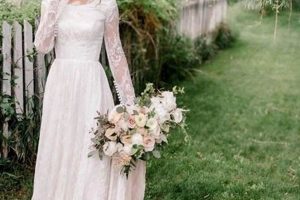
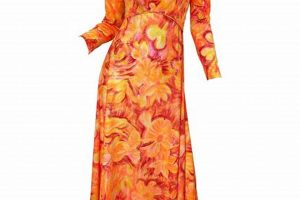
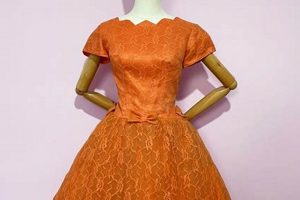
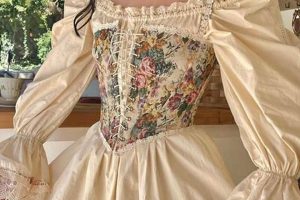
Garments of ethereal beauty, constructed from fine netting, originating from past eras, have enduring appeal. These items often feature multiple layers of delicate fabric, creating a voluminous and romantic silhouette. An example would be a 1950s prom gown with a fitted bodice and a full, swirling skirt made of many layers of the gossamer material.
The inherent lightness and graceful drape of these historic textiles contribute to a sense of timeless elegance, making them desirable for special occasions and collectors alike. They evoke a sense of nostalgia and craftsmanship, often reflecting the design aesthetics and social mores of their respective periods. Furthermore, the durability of the weave, when properly cared for, allows these pieces to be preserved and appreciated for generations.
The subsequent sections will delve into the characteristics that define authentic examples, provide guidance on their preservation, and explore their influence on contemporary fashion design.
Guidance for Acquiring and Maintaining Garments of Delicate Netting from Previous Eras
The following recommendations offer practical advice for those seeking to acquire or preserve historic garments made of fine netting. Proper handling and storage are crucial to ensuring the longevity of these delicate textiles.
Tip 1: Authentication: Prior to purchase, examine the construction techniques and material composition. Authentic items typically display meticulous hand-stitching and may exhibit signs of wear consistent with their age. Consult with experts if necessary.
Tip 2: Gentle Cleaning: Avoid harsh chemicals and machine washing. Hand-washing with a pH-neutral detergent in cool water is recommended. Alternatively, professional cleaning by a specialist experienced in handling delicate historic textiles is advisable.
Tip 3: Proper Storage: Store flat in acid-free tissue paper, away from direct sunlight and heat. Avoid hanging, as this can stretch and distort the delicate netting over time. Padded hangers may be used for short-term storage, provided they offer adequate support.
Tip 4: Careful Handling: Exercise caution when handling garments of this type. Avoid snagging the netting on jewelry or other sharp objects. Wear cotton gloves to prevent the transfer of oils and dirt from the hands.
Tip 5: Repairs and Restoration: Address any damage promptly. Minor tears can be repaired using fine, matching thread and a needle. For significant damage, seek the assistance of a professional textile conservator.
Tip 6: Humidity Control: Maintain a stable humidity level in the storage environment. Excessive humidity can promote mold growth, while overly dry conditions can cause the netting to become brittle.
Adhering to these guidelines will contribute significantly to the preservation and enjoyment of these delicate and historically significant garments. Careful attention to detail and proactive maintenance are key to their long-term survival.
The subsequent section will explore the stylistic evolution and enduring allure of these creations throughout different historical periods.
1. Fabric's Fineness

The inherent characteristics of the netting significantly influence the overall appearance, durability, and perceived value of historical garments. The weave density, fiber type, and processing techniques collectively determine its visual and tactile qualities, which directly impact the final form and lifespan of the piece.
- Weave Density and Drape
A finer weave generally results in a more fluid drape and a softer feel. Examples include early 20th-century bridal gowns crafted from extremely delicate silk netting, which create a flowing, ethereal silhouette. Conversely, coarser weaves can produce a stiffer, more structured appearance, as seen in some mid-century cocktail dresses. The density dictates the garment’s ability to conform to the body and the level of inherent sheerness.
- Fiber Type and Luster
The fiber composition significantly affects the texture and visual appeal. Silk, known for its luxurious sheen, imparts a rich, luminous quality, often preferred for high-end garments. Cotton, while less lustrous, offers greater durability and breathability. Synthetic fibers, introduced later, provide cost-effectiveness and varied textures. Each fiber impacts the overall aesthetic and longevity of the historical garment.
- Construction and Durability
Finer fabrics require specialized construction techniques to prevent tearing and distortion. Delicate seaming, reinforced stitching, and strategic layering are essential for ensuring the garment’s structural integrity. The susceptibility to damage, such as snags or runs, is directly proportional to the weave’s delicacy. Careful handling and preservation are crucial to maintaining the garment’s original condition.
- Dye Absorption and Color Depth
The fineness of the fibers influences the way a textile absorbs dye, affecting the richness and depth of color. Finer weaves often exhibit a greater capacity for absorbing dyes evenly, resulting in vibrant and saturated colors. The ability to hold color over time contributes to the garment’s lasting beauty and historical accuracy. Uneven dye absorption can indicate either lower quality fabric or degradation over time, influencing its perceived value.
The interplay between weave density, fiber type, construction methods, and dye absorption collectively determines the lasting appeal and historical significance of dresses created from delicate netting. These elements underscore the importance of recognizing and appreciating the inherent qualities of the materials used in their creation, and the lasting impact on the elegance and value of these items.
2. Silhouette's Era

The silhouette of a historic garment crafted from fine netting is inextricably linked to the period in which it was created. Fashion trends and societal norms of the time heavily influenced the design, construction, and overall appearance of these items. Examining the silhouette provides valuable insight into the historical context and cultural values associated with a given garment.
- The Edwardian Era: The S-Bend Silhouette
Early 20th-century garments often featured a distinctive “S-bend” silhouette, characterized by a puffed-out chest and a narrow waist achieved through corsetry. Dresses from this era might incorporate netting to create voluminous sleeves or layered skirts that enhanced the dramatic curves. These forms reflected the opulence and formality of the Edwardian period, prioritizing an idealized feminine form.
- The Roaring Twenties: The Flapper Silhouette
The 1920s saw a dramatic shift towards a more androgynous, streamlined silhouette. The flapper dress, often crafted from lightweight fabrics like netting, featured a loose, straight shape that de-emphasized the waist and allowed for greater freedom of movement. This silhouette symbolized the era’s rejection of traditional gender roles and embraced a spirit of modernity and rebellion.
- The Post-War Era: The New Look Silhouette
Christian Dior’s “New Look” of the late 1940s and 1950s brought back a more feminine silhouette with a cinched waist and a full, swirling skirt. Garments made of delicate netting were often used to create the voluminous skirts characteristic of this era. These styles epitomized post-war optimism and a renewed emphasis on traditional femininity.
- The Late Twentieth Century: Deconstructed Silhouettes
Later decades saw experimentation with a range of silhouettes, from the flowing bohemian styles of the 1970s to the oversized, power-dressing looks of the 1980s. Garments of delicate netting reflected this diversity, ranging from ethereal, romantic designs to edgier, deconstructed forms. The silhouette became a tool for individual expression and a reflection of evolving social values.
The evolution of the garment’s silhouette across different eras underscores its role as a cultural artifact, reflecting the changing tastes, values, and social dynamics of its time. By examining the silhouette, one can gain a deeper understanding of the historical context in which the garment was created and worn, thereby appreciating its enduring significance.
3. Embellishment Details

The embellishments adorning historic garments of delicate netting significantly contribute to their aesthetic appeal, historical value, and overall uniqueness. These details, often handcrafted with meticulous precision, reflect the artistic trends and social customs prevalent during the garment’s era of origin.
- Hand-Sewn Beadwork
Intricate beadwork, frequently executed by hand, adorns many examples. Glass beads, sequins, or pearls are meticulously applied to create patterns or highlight specific areas of the dress. A 1920s flapper dress, for instance, might feature elaborate geometric designs formed from tiny glass beads, reflecting the Art Deco movement. The presence of intact, high-quality beadwork enhances the value and desirability of the garment.
- Lace Appliqus
The application of lace, either machine-made or handcrafted, adds a layer of refinement to vintage dresses of this material. Lace appliqus may be strategically positioned to accentuate the neckline, sleeves, or hemline. Examples include the use of delicate Alenon lace on an Edwardian-era gown, or the incorporation of Chantilly lace on a 1950s cocktail dress. The type, quality, and placement of lace appliqus are indicators of the garment’s craftsmanship and period.
- Embroidery and Needlework
Elaborate embroidery, executed with silk or cotton threads, provides a distinctive decorative element. Floral motifs, geometric patterns, or stylized designs are often meticulously stitched onto the netting, creating a textured and visually appealing surface. A 1930s evening gown, for instance, might showcase intricate floral embroidery cascading down the skirt. The skill and complexity of the embroidery directly impact the garment’s aesthetic and historical significance.
- Ribbon and Bow Accents
The strategic use of ribbons and bows can enhance the garment’s silhouette and add a touch of femininity. Silk ribbons, often in contrasting colors, may be used to define the waistline, adorn the sleeves, or create decorative bows at the neckline. A 1950s prom dress, for example, might feature a wide satin ribbon cinching the waist and forming a large bow at the back. The choice of ribbon material, color, and placement contribute to the garment’s overall aesthetic and historical context.
The embellishment details found on historic garments made of fine netting serve as tangible representations of the era’s artistic sensibilities and craftsmanship. These elements, ranging from intricate beadwork to delicate lace appliqus, contribute significantly to the garment’s visual appeal, historical value, and overall desirability, underscoring the importance of preserving these intricate features for future generations.
4. Construction Quality

The longevity and value of a garment of delicate netting from a previous era are intrinsically linked to the quality of its construction. Superior construction techniques not only contribute to the garment’s structural integrity but also influence its aesthetic appeal and overall condition over time. The choice of materials, the precision of stitching, and the reinforcement of stress points are critical factors that determine the garment’s ability to withstand wear and tear, as well as environmental stressors. For example, a 1930s evening gown with meticulously hand-sewn seams and reinforced bodice is far more likely to retain its shape and structure than a similar garment with poorly executed stitching. A close inspection of the construction reveals the level of care and skill invested in its creation, directly impacting its desirability and collectibility.
Further analysis reveals that garments exhibiting superior construction techniques often require less restoration and conservation. The use of high-quality threads that resist degradation, along with carefully finished seams that prevent fraying, minimizes the need for extensive repairs. Moreover, a well-constructed foundation, such as a properly fitted lining or understructure, provides support and prevents the delicate netting from stretching or distorting. In practical terms, understanding the elements of quality construction enables collectors and enthusiasts to identify authentic examples and make informed decisions regarding purchase and preservation. Prioritizing garments with evidence of superior craftsmanship ensures a longer lifespan and minimizes the long-term costs associated with maintenance and restoration.
In conclusion, the construction quality of a garment constructed from fine netting is a paramount factor in determining its historical value, aesthetic appeal, and long-term durability. Identifying and appreciating superior construction techniques enables informed decisions regarding acquisition and preservation. While challenges may arise in assessing garments with obscured or damaged construction, the investment in expert evaluation and careful examination yields significant rewards in terms of preserving these delicate and historically significant items for future generations.
5. Preservation State
The condition of a historic garment crafted from delicate netting significantly influences its value, desirability, and suitability for study or display. Garment’s preservation state reflects the care it has received over time and the extent to which it has been shielded from environmental factors and physical damage. As such, it constitutes a critical factor in assessing its authenticity and historical significance.
- Fiber Degradation
Over time, the fibers that compose the netting can weaken and break down due to exposure to light, moisture, pollutants, and improper storage. Silk, for example, becomes brittle with age and is susceptible to damage from acidic environments. The extent of fiber degradation directly impacts the fabric’s strength and appearance, potentially leading to tears, discoloration, and loss of structural integrity. A garment exhibiting extensive fiber degradation has diminished value and requires specialized conservation efforts.
- Staining and Discoloration
The accumulation of dirt, oils, and dyes can result in staining and discoloration, altering the garment’s original appearance. Stains from spills, perspiration, or cosmetics can be particularly challenging to remove without further damaging the delicate netting. Exposure to light can also cause fading or yellowing of the fabric. The presence of significant staining or discoloration detracts from the garment’s aesthetic appeal and may indicate improper storage conditions.
- Structural Damage
Tears, holes, and seam separation constitute structural damage that compromises the garment’s integrity. These damages can arise from physical stress, insect infestation, or improper handling. Tears in the netting are particularly problematic, as they can easily spread and cause further damage. The extent of structural damage directly affects the garment’s ability to be worn or displayed and may necessitate extensive repairs or restoration.
- Alterations and Repairs
Previous alterations and repairs, while sometimes necessary to extend the garment’s lifespan, can also impact its authenticity and value. Poorly executed repairs or alterations that deviate significantly from the original design can detract from the garment’s historical accuracy. However, skillful and historically sensitive repairs can enhance the garment’s stability and aesthetic appeal, preserving it for future generations.
The overall preservation state of dresses from the past crafted from fine netting is a multifaceted consideration that encompasses fiber integrity, staining, structural damage, and alterations. Recognizing these factors allows collectors, historians, and curators to make informed decisions regarding acquisition, conservation, and display. Prioritizing garments in excellent condition ensures that these delicate and historically significant items endure as valuable artifacts of fashion and cultural heritage.
6. Historical Context

The history embedded within a vintage tulle dress enhances its significance, imparting layers of meaning beyond its aesthetic attributes. The garment reflects the social, economic, and artistic currents of its era, serving as a tangible representation of past ideals and practices. Understanding this context is essential for appreciating the garment’s full value and historical relevance.
- Socio-Economic Influences on Material and Design
Economic conditions and social structures directly influenced the materials used and the design aesthetic. For instance, the austerity of the war years resulted in simpler designs and the use of more readily available, less expensive materials. Conversely, periods of prosperity saw an increase in elaborate embellishments and the use of luxurious fabrics like silk netting. Social events, such as debutante balls and theatrical productions, also shaped the styles, with the design serving the purpose of showcasing status and elegance.
- Technological Advancements in Textile Production
Technological innovations in textile manufacturing significantly impacted the production and availability of fine netting. The invention of automated looms allowed for mass production, making garments crafted from netting more accessible to a wider segment of the population. The development of synthetic fibers also introduced new possibilities in texture, durability, and cost. These technological shifts shaped the styles of each successive period, influencing both the complexity and the affordability of such dresses.
- Fashion Trends and Cultural Movements
Prevailing fashion trends and cultural movements are palpably expressed in vintage tulle dress design. The flapper dresses of the 1920s embody the eras liberated spirit, while the full-skirted gowns of the 1950s reflect a return to more traditional femininity. Cultural events, such as the rise of Hollywood glamour and the influence of European couture, also contributed to these garments aesthetic evolution. Understanding the key fashion trends and cultural movements ensures a more complete appreciation of its design and historical relevance.
- The Garment as a Reflection of Personal and Collective Identity
The garment can offer insight into the wearer’s social status, personal values, and place in society. A meticulously crafted dress from the 19th century might signify membership in a particular social class. Examining design, embellishments, and condition, offers clues about their lives and experiences. Also these dresses also serve as historical markers, indicating the aspirations and ideals of past generations.
These elements of socio-economic influence, technological advancement, shifting fashion trends, and personal reflections each converge to enrich the narrative of garments crafted from netting. By considering these threads of history, the dress transcends its material form to become a powerful artifact, offering insights into the world and the lives of those who wore them. The study of historic garments contributes to our understanding of the past.
7. Rarity Value

The rarity of a historic garment crafted from delicate netting contributes significantly to its value, desirability, and appeal to collectors and institutions. Factors determining rarity encompass limited production runs, unique design features, historical associations, and survival rates over time. As rarity increases, so does the garment’s intrinsic worth, transforming it from a mere piece of clothing into a valuable cultural artifact.
- Limited Production Runs and Designer Pieces
Garments produced in limited quantities, particularly those designed by renowned couturiers or fashion houses, command higher prices due to their exclusivity. Examples include a 1930s Schiaparelli gown with unique embellishments or a Dior dress with a distinct silhouette. These are often not accessible to the general public. The scarcity created by limited production elevates their status and makes them highly sought after by collectors.
- Unique Design Elements and Embellishments
Garments featuring distinctive design elements or elaborate hand-crafted embellishments are often considered rare due to the skill and time required for their creation. This might include a 1920s flapper dress with intricate beadwork or a Victorian-era gown with handmade lace appliques. Pieces exhibiting innovative or unconventional designs for their era may also be highly prized. The presence of these unique features enhances their rarity and contributes to their historical significance.
- Historical Associations and Provenance
Garments with verifiable historical associations, such as those owned or worn by notable figures, possess significant rarity value. A dress worn by a celebrity or a historical figure becomes a tangible link to the past, increasing its collectibility. Documented provenance, including ownership history and verifiable authentication, is essential for establishing the garment’s historical significance and rarity.
- Survival Rate and Condition
The number of garments that have survived from a particular era, and their condition, influence their rarity. Garments that were produced in limited quantities or were subjected to harsh wear and tear are less likely to have survived in good condition. Therefore, a 19th-century gown from fine netting that has been preserved in excellent condition is a rarity. The lower the survival rate and the higher the condition the more it influences the rarity.
In summation, rarity is a multifaceted attribute that significantly influences the value and desirability of vintage tulle dresses. Limited production, unique designs, historical associations, and survival rates all contribute to a garment’s scarcity, making it a prized possession for collectors and institutions alike. Understanding these factors allows for a deeper appreciation of the historical and cultural significance of these delicate and valuable artifacts.
Frequently Asked Questions
The subsequent section addresses prevalent inquiries concerning historic garments constructed from fine netting, intending to provide concise and authoritative responses.
Question 1: How can one distinguish a genuine “vintage tulle dress” from a modern reproduction?
Authentic examples typically exhibit construction techniques and materials characteristic of their era. Hand-stitching, period-appropriate linings, and unique embellishments are often indicative of originality. Modern reproductions often lack these details, displaying machine-made elements and contemporary fabrics. Consultation with a textile expert is advisable for definitive authentication.
Question 2: What are the primary factors influencing the valuation of a “vintage tulle dress?”
Several elements influence the garment’s worth, including its age, design, condition, designer (if known), historical significance, and provenance. Garments in excellent condition, featuring rare designs, or possessing documented provenance command higher prices. Market demand and collector interest also play a crucial role.
Question 3: How should a “vintage tulle dress” be properly stored to prevent damage?
Optimal storage involves wrapping the garment in acid-free tissue paper and placing it in a breathable, archival-quality garment bag. Store flat, away from direct sunlight, heat, and humidity. Avoid hanging, as this can stretch and distort the delicate netting over time. Temperature and humidity-controlled environments are ideal for long-term preservation.
Question 4: Is it possible to clean a “vintage tulle dress” safely?
Cleaning should be approached with extreme caution. Hand-washing with a pH-neutral detergent in cool water is a viable option for some garments. However, professional cleaning by a specialist experienced in handling delicate historic textiles is generally recommended. Harsh chemicals and machine washing are strictly prohibited.
Question 5: What types of repairs are appropriate for a damaged “vintage tulle dress?”
Repairs should be executed with materials and techniques consistent with the garment’s original construction. Minor tears can be mended with fine, matching thread. Extensive damage necessitates the expertise of a professional textile conservator. Avoid using adhesives or non-reversible alterations that compromise the garment’s integrity.
Question 6: How does one determine the historical period of a “vintage tulle dress?”
Silhouette, embellishments, construction techniques, and available documentation provide clues to the garment’s era. Consulting fashion history resources and comparing the garment to known examples can assist in accurate dating. Textile experts and historians offer professional assessments when necessary.
In essence, discerning the authenticity, value, care, and historical context associated with garments crafted from fine netting requires specialized knowledge. Pursuing expert consultation is recommended for informed decision-making.
The following section will explore the contemporary adaptations and interpretations of this timeless textile within modern fashion design.
Conclusion
This exploration has examined the multifaceted nature of garments of delicate netting originating from previous eras, considering factors from construction techniques and embellishment details to historical context and rarity. The aim was to provide a comprehensive understanding of the enduring appeal and significance of these sartorial artifacts, emphasizing their value as both aesthetic objects and historical documents.
Continued study and preservation efforts are essential to ensuring that these delicate remnants of the past remain accessible for future generations. Recognizing their historical and artistic merit fosters a deeper appreciation for the craftsmanship and cultural values they represent, contributing to a broader understanding of fashion history and its connection to societal evolution. The call to action is to preserve “vintage tulle dress”.