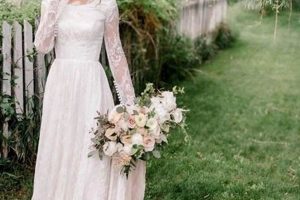
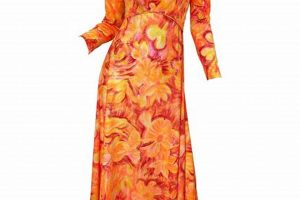
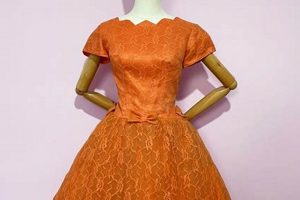
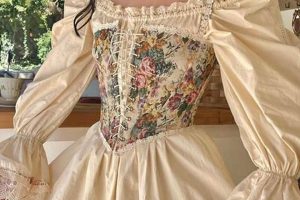
Attire from a specific era, characterized by intricate beadwork, sequins, and silhouettes reminiscent of the 1920s and onward, often carries a distinct aesthetic. These garments frequently feature drop-waist designs, shimmering embellishments, and luxurious fabrics, exemplifying a period of glamour and elegance. A gown with such features, particularly if manufactured during that timeframe, represents an example of this distinct fashion.
Such fashion pieces hold significance due to their historical relevance, craftsmanship, and unique style. They connect wearers to a bygone era, offering a tangible link to past social trends and artistic movements. The meticulous detail and quality construction inherent in these older garments often surpass contemporary mass-produced items, contributing to their enduring appeal and value.
The enduring allure prompts examination of the history, construction techniques, and impact on contemporary fashion. Exploring specific designers, characteristic features, and preservation methods further illuminates the continued importance and appreciation of such classic styles.
Guidance on Acquiring and Maintaining Vintage Attire
Considerations for identifying, purchasing, and preserving delicate and historically significant apparel require careful attention. Prioritizing condition, authenticity, and appropriate storage will ensure longevity and value retention.
Tip 1: Assess Garment Condition: Thoroughly examine the item for damage, including tears, stains, missing beads, and weakened seams. Minor imperfections may be acceptable depending on the rarity and age; however, extensive damage significantly impacts value and wearability.
Tip 2: Verify Authenticity: Research labels, construction techniques, and prevalent styles of the era to determine if the garment is genuinely from the purported period. Consult with experts or reputable vintage dealers if uncertain.
Tip 3: Prioritize Proper Fit: Vintage sizing often differs from contemporary standards. Consult size charts and measurements carefully. Consider alterations by a skilled tailor specializing in vintage clothing for a customized fit, ensuring the garment’s integrity is maintained.
Tip 4: Implement Gentle Cleaning Methods: Avoid harsh chemicals and machine washing. Hand-washing with a mild detergent specifically designed for delicate fabrics or professional dry cleaning by a specialist experienced with vintage textiles is recommended.
Tip 5: Employ Acid-Free Storage: Store apparel in acid-free garment bags or boxes to prevent discoloration and degradation. Avoid direct sunlight and extreme temperatures, which can damage fibers over time.
Tip 6: Rotate Wardrobe Regularly: Prevent prolonged stress on specific areas of the garment by rotating pieces. This allows fabrics to rest and minimizes wear and tear.
Tip 7: Document Provenance and Care: Maintain records of purchase information, alterations, cleaning, and repairs. This documentation enhances the item’s value and provides a detailed history for future owners.
Adhering to these guidelines ensures the preservation and appreciation of classic sartorial pieces. Careful consideration of these factors contributes to the long-term enjoyment and value of vintage clothing collections.
These considerations provide a foundation for understanding the acquisition and care involved with vintage clothing, facilitating a deeper appreciation for the artistry and history embodied within these garments.
1. Era-specific designs

Era-specific designs constitute a defining element, reflecting the prevailing aesthetic sensibilities and socio-cultural influences of the time period in which a garment was created. Within the realm of classic attire, these designs are particularly significant as they provide valuable insights into the historical context and artistic movements that shaped fashion trends.
- Silhouette and Cut
The overall shape and cut of the garment directly correlate with the era’s fashion ideals. For example, the drop-waist silhouette of the 1920s, a hallmark of flapper dresses, contrasts sharply with the more structured and fitted styles of the 1940s. This variation in silhouette offers a clear indication of the garment’s origin and the body image ideals prevalent during that period. The presence of bias-cut construction, prevalent in the 1930s, further underscores the era-specific tailoring techniques employed.
- Embellishment and Ornamentation
The type, style, and extent of embellishments are indicative of the era. Beadwork, sequins, and fringe were characteristic of the 1920s, while simpler ornamentation and restrained elegance defined the wartime styles of the 1940s. Examination of the materials and techniques used in the embellishments provides clues about the garment’s age and origin. Consider the shift from geometric art deco beading in the 1920s to floral appliques in the 1950s as a demonstration.
- Fabric and Materials
The types of fabrics and materials used reflect both the technological advancements and the economic conditions of the era. Silk, rayon, and velvet were popular choices for evening wear in the early 20th century, while synthetics like nylon and polyester gained prominence in later decades. Analysis of the fabric composition, weave, and texture can assist in dating the garment and determining its authenticity. The scarcity of silk during wartime periods is one such example that impacts fabrication.
- Closure and Fastening Mechanisms
The methods used to close and fasten a garment evolved over time. Hooks and eyes, snaps, and zippers each have their period of prominence. The type of zipper used, for instance, can provide valuable information about the garment’s age. Early metal zippers differ significantly from later nylon or plastic varieties. Button styles and placement also reflect the prevailing fashion trends and technological capabilities of the time. Each facet can contribute to the validation.
These era-specific designs serve as markers of the time in which they were created, offering a window into the past and providing valuable insights for collectors, historians, and fashion enthusiasts alike. The study of these characteristics allows for a deeper appreciation of the craftsmanship, artistry, and cultural significance of such attire.
2. Embellishment techniques

The artistry and craftsmanship displayed through embellishment techniques constitute a defining characteristic, significantly contributing to the visual appeal and historical value of older attire. These techniques, which range from intricate beadwork to delicate embroidery, reflect the aesthetic preferences and technological capabilities of their respective eras, providing insight into the social and cultural context in which these garments were created.
- Beadwork and Sequins
The application of beads and sequins represents a prevalent embellishment method. Glass beads, often meticulously hand-sewn, adorned garments creating shimmering surfaces and intricate patterns. Sequins, typically made of metal or gelatin in earlier eras, added further texture and light reflection. The type, size, and arrangement of beads and sequins directly correlate with the period in which the attire was produced. Example, the geometric patterns of beadwork characteristic of 1920s attire serve as a distinct identifier.
- Embroidery and Needlework
Embroidery, encompassing a wide range of stitches and thread types, provided a means of adding intricate designs and personalized details to clothing. Hand-embroidered motifs, from floral patterns to abstract designs, demonstrated the skill and artistry of the embroiderer. The materials used, such as silk thread or metallic bullion, and the specific stitches employed offer insights into the garment’s origin and intended purpose. The chain stitch work of the 1930s presents a specific use case.
- Lace and Appliqu
The incorporation of lace, either as trimming or as the primary fabric, enhanced the elegance. The type of lace, whether handmade or machine-made, provides clues about the garment’s quality and era. Appliqu, involving the attachment of fabric pieces to the base garment, offered another avenue for adding texture and visual interest. The style and materials used in the appliqu often reflect the artistic trends of the time. Consider the use of metallic lace in Art Deco dresses.
- Fringe and Tassels
Fringe and tassels, often made of silk, rayon, or metallic threads, added movement and visual drama to garments. These embellishments were particularly popular during the 1920s, where they accentuated the flowing lines of flapper dresses. The length, density, and material of the fringe provide valuable information about the garment’s style and period. The utilization of tiered fringe demonstrates a characteristic element.
The study of embellishment techniques facilitates a deeper appreciation of the craftsmanship and artistic expression inherent in these older garments. Through careful examination of the materials, methods, and designs, one can gain a richer understanding of the historical context and cultural significance of each piece. Consideration of these factors contributes to the preservation and appreciation of these textile artifacts.
3. Fabric composition
Fabric composition is a critical determinant of the characteristics, longevity, and care requirements of attire from past eras. Materials employed in their construction directly influence drape, texture, and susceptibility to degradation. Understanding the specific fibers and weaves utilized provides essential insights into age, origin, and appropriate preservation methods. For instance, the prevalence of silk and rayon in many garments from the 1920s and 1930s, including beaded gowns and elegant evening wear, dictates specialized cleaning techniques due to the delicate nature of these materials. Damage caused by improper handling or storage can compromise the structural integrity and aesthetic appeal, thus underlining the importance of meticulous preservation. The composition, therefore, serves as a primary indicator of a gown’s inherent qualities and vulnerabilities.
Analyzing fabric composition involves identifying the type of fiber, whether natural (e.g., silk, cotton, wool), manufactured (e.g., rayon, acetate), or synthetic (e.g., nylon, polyester). Fiber content affects durability, wrinkle resistance, and reaction to cleaning agents. Furthermore, weave structures influence drape, texture, and overall aesthetic. Examples include silk charmeuse and crepe de chine, which were frequently employed for their luxurious sheen and fluidity. A knowledge of these materials allows the correct methods of storage and care to be applied. A 1930s rayon garment requires storage away from direct light, as UV exposure causes rayon to weaken and degrade over time. Understanding composition helps avoid irreversible damage.
The understanding of fabric composition extends beyond conservation. Knowing the material properties assists in authentication and value assessment. The presence of synthetic fibers, not commercially available until later decades, immediately disqualifies a claim that a garment is from an earlier period. Further, the relative rarity and cost of certain fabrics, such as hand-woven silk brocade, enhances the value of garments featuring these materials. Thus, awareness of fabric composition is essential for collectors, historians, and anyone seeking to appreciate or preserve these artifacts of fashion history. Fabric composition serves as both a guide to preservation and a key to unlocking the garment’s story, ensuring its continued survival for future generations.
4. Rarity determination
The valuation and historical significance of classic garments are intrinsically linked to their scarcity. For examples, a beaded gown from the 1920s may seem commonplace; however, genuine specimens in excellent condition, retaining original embellishments and exhibiting minimal wear, represent a small fraction of the total produced. Several factors contribute to the difficulty in finding these garments in pristine condition. Limited production runs, combined with the delicate nature of the materials and construction techniques, increase rarity. Garments constructed with fragile fabrics such as silk or rayon are more prone to damage. The presence of unique or custom-made features further enhances its status.
Determining a particular item’s degree of scarcity necessitates rigorous examination. Factors considered include the designer, original production numbers, the survival rate of similar pieces, and the condition of the garment. Documentation, such as original sales receipts or period photographs, adds to a gown’s provenance and value. Identifying specific characteristics also helps. An example might be an elaborate design featuring hand-applied sequins or a unique color combination. The garment’s scarcity impacts its market value. Understanding the interplay between these variables is crucial for collectors, historians, and dealers.
The assessment of vintage clothing requires a blend of historical knowledge, connoisseurship, and meticulous attention to detail. Accurately determining a garment’s rarity ensures its preservation, proper valuation, and contributes to a deeper understanding of the fashion history. The preservation of such artifacts depends on this careful assessment. The complexities surrounding the determination of scarcity underscore the need for expert guidance and thorough research. It also highlights the value of these garments as tangible links to a bygone era.
5. Preservation methods

The longevity of delicate attire, particularly beaded or sequined garments evocative of the early 20th century, hinges directly on appropriate preservation methods. Garments from this era, characterized by fragile fabrics and intricate embellishments, are inherently susceptible to damage from light exposure, improper handling, and inadequate storage. The failure to implement suitable preservation strategies invariably results in irreversible deterioration, diminished aesthetic appeal, and significant loss of historical value. An example is the fading of dyes in a silk chiffon gown exposed to sunlight or the disintegration of cellulose-based rayon fibers stored in humid conditions. The employment of conservation techniques represents a fundamental element in ensuring the survival of these valuable artifacts.
Proper preservation involves a multi-faceted approach encompassing careful cleaning, appropriate storage, and controlled environmental conditions. Cleaning protocols necessitate gentle hand-washing with pH-neutral detergents or professional dry cleaning by specialists experienced in the treatment of classic textiles. Storage requires the use of acid-free materials, such as archival-quality boxes or garment bags, to prevent chemical degradation. Furthermore, maintaining stable temperature and humidity levels, along with shielding garments from direct sunlight and pests, is crucial for minimizing deterioration. Consider the case of a beaded flapper dress stored flat in an acid-free box, layered with acid-free tissue paper to prevent bead friction, as an example of optimal storage practice. Such preventative measures mitigate the effects of time and environmental factors.
The implementation of meticulous preservation methods is paramount for safeguarding delicate garments for future generations. The understanding of materials, degradation processes, and appropriate conservation techniques is essential for collectors, historians, and institutions entrusted with preserving the sartorial heritage. Addressing the challenges associated with the long-term care of fragile apparel, ensuring its continued accessibility for study, and appreciation are linked to the preservation methods. The careful execution of these methods underscores the commitment to preserving tangible links to the past, guaranteeing these artifacts. It also ensures that artifacts are available for the benefit of those studying them.
Frequently Asked Questions Regarding “Scala Dresses Vintage”
The following questions address prevalent inquiries concerning the identification, acquisition, and preservation of vintage attire, often characterized by intricate beadwork and designs reminiscent of a specific era.
Question 1: What are the defining characteristics?
Defining characteristics typically encompass designs and stylistic elements representative of a particular period, often featuring elaborate beadwork, sequins, or unique fabric choices. The silhouette and detailing serve as indicators of the garment’s origin.
Question 2: How can authenticity be verified?
Verification of authenticity involves a comprehensive evaluation of construction techniques, fabric composition, labels (if present), and overall style, in comparison to documented fashion trends from the purported era. Consulting with experts in textile history can provide additional validation.
Question 3: What is the best way to store?
Optimal storage practices include using acid-free garment bags or boxes in a cool, dry environment away from direct sunlight. Padding delicate areas with acid-free tissue paper minimizes stress and prevents damage.
Question 4: How should vintage attire be cleaned?
Cleaning should be approached cautiously. Hand-washing with a mild detergent designed for delicate fabrics or professional dry cleaning by a specialist experienced with handling vintage textiles is recommended. Harsh chemicals and machine washing should be avoided.
Question 5: What factors influence its value?
Value is influenced by a combination of factors, including rarity, condition, designer (if known), historical significance, and overall aesthetic appeal. Garments in excellent condition with documented provenance command higher prices.
Question 6: Where can reputable examples be acquired?
Reputable sources include established vintage boutiques, reputable online marketplaces specializing in vintage clothing, and auction houses with expertise in historical textiles. Thoroughly research sellers before making a purchase.
Understanding these key aspects promotes informed decisions. This ensures the responsible ownership and preservation of these garments.
These are guidelines for addressing these frequent inquiries, assisting enthusiasts. It aims to promote the knowledgeable appreciation of historic fashions.
A Concluding Perspective on Classic Dresses
The preceding analysis has explored characteristics, construction techniques, and preservation strategies. Factors influencing valuation, acquisition considerations, and frequently asked questions have been addressed. These discussions provide a comprehensive overview. This is intended to inform those engaged in the collection, preservation, and study of historical fashions.
Continued examination of historic textiles remains essential. The ongoing pursuit of knowledge ensures the responsible stewardship. Further, the preservation of these cultural artifacts for future generations is imperative. It facilitates their understanding and appreciation.