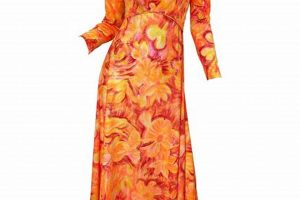
Apparel from the Finnish design house, Marimekko, produced in prior decades, exemplifies a unique blend of bold patterns and functional design. Garments of this type are characterized by their distinctive prints, often featuring large-scale floral or geometric motifs, and their durable construction intended for everyday wear. A classic example would be a knee-length shift dress with a vibrant, oversized Unikko poppy print dating from the 1960s or 1970s.
These items represent a significant intersection of fashion history, textile art, and cultural expression. Their enduring appeal lies in their optimistic aesthetic and association with a period of design innovation. Owning such a piece offers a connection to a specific era and an appreciation for the craftsmanship and artistic vision of Marimekko’s designers. The scarcity and collectibility of these garments further contribute to their value.
The following discussion will delve into the specific characteristics, identifying features, and care considerations associated with these desirable finds, as well as providing guidance on where to locate authentic examples and how to assess their condition and value.
Tips for Acquiring and Maintaining Vintage Marimekko Dresses
Successfully integrating vintage Marimekko dresses into a wardrobe requires careful consideration of authenticity, condition, and preservation. The following guidelines provide essential insights for both novice and experienced collectors.
Tip 1: Verify Authenticity. Closely examine the garment for Marimekko’s signature label, which evolved over time. Research the label styles corresponding to different decades to ensure the tag aligns with the supposed age of the dress. Additionally, scrutinize the print quality; genuine Marimekko fabrics exhibit sharp, vibrant colors and precise pattern registration.
Tip 2: Assess Fabric Condition. Vintage textiles are susceptible to wear and tear. Thoroughly inspect the dress for signs of fading, staining, or fabric degradation. Pay particular attention to areas prone to stress, such as seams, armholes, and hemlines. Minor imperfections may be acceptable, but significant damage can compromise the garment’s structural integrity and value.
Tip 3: Note Print Design. Marimekko’s iconic prints are a key element of their appeal. Familiarize yourself with the popular designs and colorways from different eras. Variations in print placement or subtle differences in color can indicate reproductions or unauthorized copies.
Tip 4: Evaluate Construction Quality. Examine the stitching, seam finishes, and overall construction of the dress. Well-made vintage garments exhibit meticulous attention to detail and durable craftsmanship. Look for reinforced seams and clean, even stitching as indicators of quality construction.
Tip 5: Proper Storage Techniques. To preserve the integrity of vintage Marimekko dresses, store them in a cool, dry environment away from direct sunlight. Use padded hangers to prevent stretching or distortion. Consider storing delicate garments in acid-free tissue paper to protect them from dust and abrasion.
Tip 6: Gentle Cleaning Procedures. Vintage textiles require specialized cleaning techniques. Avoid harsh detergents or machine washing, which can damage delicate fibers. Opt for hand washing with a mild soap specifically formulated for vintage fabrics, or entrust the garment to a professional dry cleaner specializing in vintage textiles.
Tip 7: Understand Valuation Factors. The value of a vintage Marimekko dress is influenced by several factors, including its rarity, design, condition, and provenance. Research comparable sales to establish a fair market value. Consider consulting with a vintage clothing appraiser for an expert opinion on the garment’s worth.
Following these tips facilitates informed acquisition decisions and ensures the longevity of these unique pieces. Investing in the preservation of these garments safeguards both their aesthetic and historical value.
The subsequent sections will address specific style considerations, offering guidance on incorporating these distinctive designs into contemporary wardrobes.
1. Iconic Prints

The enduring appeal and recognizability of vintage Marimekko dresses are intrinsically linked to the distinctive and often bold prints that adorn them. These prints are not mere decorative elements; they are integral to the brand’s identity and historical significance, defining the visual language of Marimekko and contributing substantially to the value of vintage pieces.
- Unikko’s Enduring Legacy
The Unikko (poppy) print, designed by Maija Isola in 1964, stands as perhaps the most recognizable of Marimekko’s creations. Its large-scale floral motif, often rendered in vibrant color combinations, became a symbol of the brand’s optimistic and unconventional design philosophy. A vintage dress featuring a well-preserved Unikko print is highly sought after by collectors, signifying a connection to a specific era of design innovation and bold aesthetic choices. The presence and condition of an original Unikko print significantly impact the value and desirability of a vintage Marimekko dress.
- Graphic Geometry and the Impact of Vuokko Eskolin-Nurmesniemi
Designer Vuokko Eskolin-Nurmesniemi contributed significantly to Marimekko’s repertoire of iconic prints, often employing geometric patterns and bold stripes. Her designs, such as the Piccolo (small) pattern featuring evenly spaced vertical stripes, offered a more structured and minimalist aesthetic compared to Isola’s floral designs. Vintage Marimekko dresses showcasing these geometric prints represent a different facet of the brand’s design history, appealing to those who appreciate clean lines and understated elegance. The authenticity and condition of these prints are critical factors in assessing the value of vintage dresses from this era.
- Color Palette and its Historical Significance
The color palettes employed in Marimekko prints are as distinctive as the designs themselves. The brand frequently utilized bold, saturated colors and unexpected combinations, contributing to the overall vibrancy and impact of their garments. A vintage Marimekko dress featuring an original colorway from the 1960s or 1970s, such as a combination of bright orange, hot pink, and lime green, represents a specific period of design experimentation and color sensibility. The vibrancy and accuracy of the colors are key indicators of the dress’s authenticity and condition, influencing its collectibility.
- The Role of Print Placement and Scale
The placement and scale of the print on a vintage Marimekko dress are deliberate design choices that contribute to the overall aesthetic. Large-scale prints are often strategically positioned to maximize their impact and create a visually striking effect. The way the print interacts with the garment’s silhouette and design lines is a defining characteristic of Marimekko’s approach to textile design. When evaluating a vintage dress, consider how the print is integrated into the garment’s construction and whether the placement is consistent with original Marimekko designs. This attention to detail is crucial in determining the authenticity and design integrity of the piece.
These iconic prints, in conjunction with the garment’s design, fabric, and construction, constitute the defining characteristics of vintage Marimekko dresses. The preservation of these prints, both in terms of color vibrancy and design integrity, is essential for maintaining the value and historical significance of these collectible pieces.
2. Era Identification

Era identification is critical to understanding and valuing a vintage Marimekko dress. The design aesthetics, textile compositions, and label characteristics varied across decades, directly affecting a garment’s authenticity and collectibility. For example, a shift dress featuring a bold Unikko print and a specific care label style can be traced to the 1960s or 1970s. Recognizing these era-specific elements is fundamental in distinguishing a genuine vintage piece from a reproduction or a later adaptation. The importance of era identification lies in its ability to provide historical context, confirm authenticity, and influence the dress’s market value.
Further, variations in fabric and print techniques serve as indicators of a garment’s age. Early Marimekko dresses often utilized heavier cotton fabrics with screen-printed designs. Later decades might showcase lighter-weight materials or different printing processes. For instance, a dress exhibiting signs of hand-screen printing and using a particular weight of cotton suggests an earlier production era, possibly increasing its desirability. Therefore, meticulous examination of the fabric composition and printing method, aligned with the era, gives practical information.
In conclusion, accurate era identification is paramount for assessing the value, historical relevance, and authenticity of a vintage Marimekko dress. Understanding the nuances of label designs, textile use, and printing techniques, specific to certain periods, allows collectors and enthusiasts to make informed decisions, preventing misidentification and ensuring the preservation of genuine vintage pieces. Misinterpreting era identification could lead to inaccurate valuation and compromise the historical narrative associated with each garment.
3. Fabric Quality

Fabric quality is a fundamental determinant of the condition, longevity, and value of a vintage Marimekko dress. The materials used in these garments, typically cotton or linen, directly influence their ability to withstand the passage of time and maintain their original appearance. Higher-quality fabrics, characterized by a tighter weave and greater durability, tend to resist wear and tear, fading, and degradation more effectively than lower-quality alternatives. For instance, a vintage Marimekko dress constructed from a thick, tightly woven cotton canvas is likely to exhibit fewer signs of damage and retain its color vibrancy compared to one made from a thinner, more loosely woven fabric. The choice of fabric, therefore, has a direct cause-and-effect relationship with the garment’s overall condition and potential for preservation. Fabric quality defines the intrinsic material make up of the dress.
The practical significance of understanding fabric quality extends to both the acquisition and care of vintage Marimekko dresses. When evaluating a potential purchase, a careful assessment of the fabric’s condition is essential. Examine the garment closely for signs of fading, staining, or weakening of the fibers. Feel the fabric’s texture to assess its strength and resilience. Discoloration, thin patches, or brittle areas indicate that the fabric has deteriorated, potentially diminishing the dress’s value and lifespan. Furthermore, proper care techniques, such as gentle hand washing or professional cleaning, are crucial for preserving the integrity of the fabric. Harsh detergents or aggressive cleaning methods can damage delicate fibers, leading to irreversible damage and diminishing the garment’s historical value. Preservation techniques ensure long term fabric state.
In conclusion, fabric quality is an indispensable consideration when assessing a vintage Marimekko dress. It not only determines the garment’s physical condition and longevity but also significantly influences its market value and historical significance. Recognizing the characteristics of high-quality fabrics, understanding their susceptibility to degradation, and implementing appropriate care practices are essential for preserving these pieces of textile history. The challenges associated with fabric preservation often involve balancing the desire to restore a garment to its original appearance with the need to protect its delicate fibers from further damage. An educated approach to fabric assessment and care ensures lasting value and proper maintenance.
4. Design Authenticity

Design authenticity is a critical factor in determining the value and collectibility of a vintage Marimekko dress. Verifying that a garment’s design aligns with the established patterns and styles of the Marimekko design house is crucial for confirming its provenance and historical significance.
- Print Verification
Marimekko is renowned for its distinctive prints, and verifying the print against known designs is a primary method of confirming authenticity. Databases of Marimekko prints, historical catalogs, and expert consultation can aid in confirming that the design was officially produced by Marimekko during the purported era. For example, the Unikko poppy print underwent variations over time; identifying the specific iteration and colorway helps establish authenticity and narrow down the production period. Any deviations from established prints raise questions about a garment’s origin.
- Label Analysis
The labels used by Marimekko evolved over time. Examining the labels design, font, and language provides valuable clues regarding the garment’s age and authenticity. Researching historical label styles allows for comparison with the label present on the dress. Discrepancies in the labels appearance or the presence of inconsistencies, such as incorrect spelling or mismatched fonts, indicate potential issues with the garment’s authenticity. Label analysis is a vital step in design verification.
- Construction Techniques
Analyzing the construction techniques employed in a vintage Marimekko dress can offer further insights into its authenticity. Marimekko garments were typically manufactured with attention to detail and quality. Examining the stitching, seam finishes, and overall construction can reveal whether the garment aligns with Marimekko’s established standards. Poorly executed seams, uneven stitching, or the use of non-original components raise concerns about the garment’s legitimacy. Authentic construction adds to the value.
- Designer Attribution
Certain Marimekko prints and designs are associated with specific designers, such as Maija Isola or Vuokko Eskolin-Nurmesniemi. Identifying the designer responsible for the print or overall design adds another layer of authentication. Knowledge of each designer’s signature style and common motifs helps to verify that the garment is consistent with their body of work. Attribution to a specific designer enhances the historical significance and value of the vintage Marimekko dress.
The combination of print verification, label analysis, construction techniques, and designer attribution provides a comprehensive assessment of a vintage Marimekko dress’s design authenticity. Successfully confirming these aspects ensures that the garment is a genuine representation of Marimekko’s design legacy and enhances its value in the vintage market. Careful attention to design authenticity protects collectors and enthusiasts from purchasing reproductions or misrepresented items.
5. Construction Integrity

Construction integrity, referring to the soundness and durability of a garment’s assembly, is a paramount consideration when evaluating a vintage Marimekko dress. It directly influences the garment’s longevity, wearability, and overall value. Careful assessment of the stitching, seams, and structural elements is crucial to determining the dress’s authenticity and its ability to withstand continued use.
- Seam Construction and Reinforcement
The integrity of a garment’s seams is fundamental to its structural stability. Vintage Marimekko dresses should exhibit clean, even stitching, with secure seam finishes that prevent fraying or unraveling. Reinforced seams, particularly in high-stress areas such as armholes and waistlines, indicate a higher level of construction quality. For instance, a dress with serged or overlocked seam finishes demonstrates attention to detail and a commitment to durability. Conversely, loose or uneven stitching, frayed seam edges, or signs of seam slippage suggest compromised construction integrity and potential future wear issues.
- Fabric Grain Alignment
Proper fabric grain alignment is essential for ensuring that a garment hangs correctly and retains its shape over time. In a well-constructed vintage Marimekko dress, the lengthwise grain of the fabric should run parallel to the center front and back, as well as down the sleeves. Misaligned fabric grain can lead to twisting, puckering, or uneven stretching, negatively affecting the garment’s appearance and structural integrity. For example, if the fabric grain is noticeably skewed on one side of the dress, it indicates a construction flaw that compromises the garment’s balance and visual appeal.
- Fastener Security and Functionality
The security and functionality of fasteners, such as zippers, buttons, and snaps, are critical aspects of a vintage Marimekko dress’s construction integrity. Zippers should operate smoothly and securely, without any signs of snagging or separation. Buttons should be firmly attached, with no loose threads or signs of damage to the buttonholes. Snaps should engage securely and remain in place under stress. A dress with faulty or damaged fasteners is not only less functional but also indicates a lack of attention to detail during the original construction process. Replacement of fasteners with contemporary substitutes should also be noted as this alters the original construction.
- Lining and Interfacing Quality
The presence and quality of linings and interfacings contribute significantly to a vintage Marimekko dress’s structure and drape. Linings provide a smooth, comfortable interior finish and protect the outer fabric from wear and tear. Interfacings add stiffness and support to areas such as collars, cuffs, and waistbands, helping to maintain their shape. Higher-quality linings and interfacings are typically made from durable, long-lasting materials that resist shrinking or warping. The absence of lining or the use of inferior materials impacts the garment’s structure.
Assessing these construction elements collectively provides a comprehensive understanding of a vintage Marimekko dress’s structural integrity. Garments exhibiting sound construction practices are more likely to withstand the test of time and retain their value as collectible pieces. Conversely, dresses with compromised construction integrity are more susceptible to damage and may require extensive repairs to restore their wearability and historical significance.
6. Collectibility Value
The collectibility value of a vintage Marimekko dress is a multifaceted concept, driven by a confluence of factors that elevate these garments beyond mere articles of clothing. The prints, era of production, fabric quality, design authenticity, and construction integrity each contribute to a garment’s appeal to collectors and enthusiasts. Limited availability, iconic designs, and association with a specific period in fashion history directly influence desirability. The effect of these attributes manifests in the prices realized at auction, in vintage clothing stores, and through private sales, reflecting the perceived rarity and aesthetic merit of each piece. A prime example is a pristine 1960s Unikko print dress in a rare colorway; its collectibility value stems from its iconic design, limited production run, and excellent condition, commanding a premium price due to these factors.
The importance of understanding collectibility value extends to various aspects of vintage Marimekko dress ownership, from acquisition to preservation. Collectors use this knowledge to make informed purchasing decisions, weighing factors such as condition, rarity, and historical significance against the asking price. Appraising a garment’s collectibility value also informs appropriate preservation strategies. For instance, a dress deemed highly collectible warrants meticulous care, including specialized cleaning, archival storage, and protection from environmental damage. Understanding collectibility value therefore ensures long-term maintenance of the garments condition and inherent worth. Moreover, knowledge informs insurance appraisals. Knowing market values allows individuals to seek appropriate insurance coverage for vintage items.
In summary, the collectibility value represents a garment’s cultural, historical, and aesthetic importance, dictating its desirability among collectors and enthusiasts. Key challenges in assessing this value include fluctuating market trends, the subjectivity of aesthetic preferences, and the need for specialized expertise in vintage clothing. Despite these challenges, understanding collectibility value remains crucial for anyone seeking to acquire, preserve, or appreciate vintage Marimekko dresses, linking directly to the broader theme of informed consumption and responsible stewardship of textile history.
Frequently Asked Questions
The following questions and answers address common inquiries and concerns regarding vintage Marimekko dresses, providing clarity for collectors and enthusiasts.
Question 1: How can a genuine vintage Marimekko dress be distinguished from a reproduction?
Authentication involves a multi-faceted approach. Examination of the label style, print registration, fabric quality, and construction techniques is crucial. Consulting historical Marimekko catalogs and seeking expert opinions are also recommended. Discrepancies in any of these areas may indicate a reproduction.
Question 2: What are the key factors that influence the valuation of a vintage Marimekko dress?
Valuation depends on several factors, including the rarity of the print, the garment’s condition, the era of production, the presence of original labels, and any provenance or historical associations. Demand for specific designs also impacts value.
Question 3: What are the most effective methods for preserving vintage Marimekko textiles?
Preservation necessitates gentle handling, appropriate storage, and specialized cleaning techniques. Avoid direct sunlight and harsh chemicals. Hand washing with pH-neutral detergents or professional dry cleaning by a specialist in vintage textiles is advised. Archival-quality storage materials, such as acid-free tissue paper, are essential.
Question 4: Where are authentic vintage Marimekko dresses typically found?
Authentic examples are located through reputable vintage clothing stores, online auction sites specializing in vintage fashion, estate sales, and private collections. Diligence is required to ensure the seller’s credibility and the garment’s authenticity.
Question 5: What are the most common types of damage encountered in vintage Marimekko dresses, and how can these be addressed?
Common damage includes fabric fading, staining, seam stress, and fastener malfunction. Conservation measures include gentle stain removal, seam reinforcement, and fastener replacement with period-appropriate substitutes. Extensive damage may necessitate professional restoration.
Question 6: What are the ethical considerations involved in collecting vintage Marimekko dresses?
Ethical considerations involve respecting the garment’s history, supporting fair labor practices, and avoiding the purchase of items that may have been acquired illegally or unethically. Responsible collecting ensures the preservation of textile heritage for future generations.
In summary, careful research, diligent evaluation, and responsible stewardship are essential for navigating the world of vintage Marimekko dresses. Preserving the cultural and historical significance of these garments requires informed decisions and a commitment to ethical collecting practices.
The following section will explore the stylistic integration of these garments into contemporary wardrobes, providing guidance on creating modern and timeless looks.
Conclusion
The preceding discussion has elucidated the defining characteristics of vintage Marimekko dresses, underscoring the significance of print authenticity, era identification, fabric integrity, construction quality, and collectibility value. Recognizing these elements allows for informed appraisal, acquisition, and preservation of these historically significant garments. The unique intersection of art, design, and cultural expression inherent in each dress necessitates a comprehensive understanding for responsible ownership.
As appreciation for vintage textiles continues to grow, maintaining the integrity of these Marimekko pieces becomes increasingly crucial. Responsible collecting practices, informed by a deep understanding of design history and textile conservation, ensure that these garments continue to inspire and inform future generations. A commitment to preservation safeguards a tangible link to the past, enriching the present and informing the future of textile design.