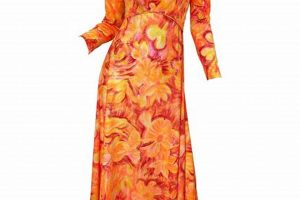
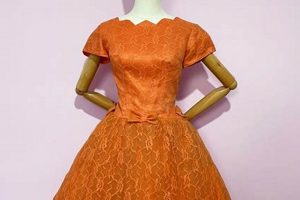
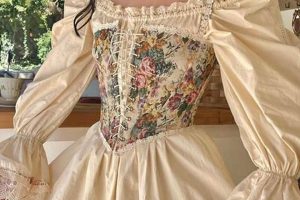
Traditional garments originating from Alpine regions, particularly Bavaria and Austria, often feature a distinctive design. These garments are characterized by a fitted bodice, a full skirt, and an apron, frequently adorned with intricate embroidery and detailing. Fabrics employed in their construction range from linen and cotton to silk and velvet, depending on the occasion and region. Such apparel is historically significant and continues to be worn for festive events and celebrations.
These garments represent more than just clothing; they embody cultural heritage and tradition. The construction techniques, materials, and embellishments used reflect the history and regional identity of the areas where they originated. Their enduring popularity stems from their classic aesthetic, comfortable fit, and the sense of connection they provide to a rich cultural past. They are sought after for their unique style and as tangible links to historical customs.
The following sections will delve into specific aspects of these traditional ensembles, exploring variations in design, the significance of specific embellishments, and the enduring appeal of these garments in contemporary fashion. Details regarding construction techniques, material choices, and regional variations will also be examined.
Guidance on Acquiring Traditional Alpine Attire
The following guidelines offer insights into the acquisition and care of traditional Alpine dresses, ensuring authenticity and longevity.
Tip 1: Prioritize Fabric Quality: Examine the material composition. Authentic garments frequently utilize natural fibers such as linen, cotton, or wool. Synthetic fabrics may indicate a more recent or less traditional construction.
Tip 2: Assess Construction Techniques: Inspect the stitching and seam finishing. Hand-stitched details and reinforced seams are indicative of higher quality and adherence to traditional methods.
Tip 3: Evaluate Embellishments: Scrutinize the embroidery, trim, and closures. Hand-embroidered details, metal clasps, and genuine horn buttons signify a more authentic and potentially valuable example.
Tip 4: Research Regional Variations: Understand that styles vary by region. Familiarize yourself with the specific characteristics associated with different areas, such as Bavaria, Austria, or Tyrol, to ensure accuracy.
Tip 5: Examine the Bodice Fit: The bodice should provide a snug yet comfortable fit, accentuating the waistline. Incorrect sizing can detract from the garment’s intended silhouette.
Tip 6: Consider the Apron’s Significance: The apron is an integral part of the ensemble. Its color, fabric, and ties often hold symbolic meaning related to the wearer’s status or origin.
Tip 7: Verify Garment Condition: Thoroughly inspect the dress for any signs of damage, such as stains, tears, or fading. Restoration may be necessary to preserve its integrity.
Adhering to these suggestions promotes informed selection and preservation, allowing for the appreciation of these garments as cultural artifacts.
The subsequent section will provide a comprehensive overview of the history and evolution of these distinctive garments.
1. Authenticity

Authenticity, in the context of traditional Alpine attire, represents the degree to which a garment adheres to historical construction methods, material usage, and regional design conventions. The presence of authentic characteristics directly affects the garment’s value, both as a historical artifact and as a representation of cultural heritage. For example, a dress constructed with hand-loomed linen, utilizing traditional stitching techniques, and featuring regionally specific embroidery patterns holds demonstrably higher value and significance than a modern imitation made with synthetic fabrics and machine-produced embellishments. The cause-and-effect relationship is clear: authentic materials and construction directly result in a more historically accurate and culturally significant item.
Furthermore, the practical significance of understanding authenticity lies in the ability to properly assess and preserve these garments. Museums, collectors, and individuals seeking to acquire authentic pieces rely on the identification of verifiable characteristics to ensure the garment’s historical accuracy. The absence of these authentic traits diminishes the garment’s ability to serve as a reliable historical representation. Examining period photographs, studying historical texts detailing regional variations, and consulting with textile experts are crucial steps in confirming the authenticity of a purported garment. For instance, the presence of specific metal closures or the precise shade of indigo dye used in a particular region provides evidence supporting its origins and age.
In conclusion, authenticity serves as the cornerstone of appreciating these garments. While precise duplication is impossible, aiming for garments with the features that make these dress unique and represent the history can only enhance its value. Appreciating these garments hinges on discerning verifiable historical details, thereby preserving their cultural legacy. The challenge lies in differentiating genuine historical pieces from modern interpretations, underscoring the critical need for informed assessment.
2. Fabric

The selection of fabric fundamentally defines a vintage Alpine dress, directly influencing its durability, aesthetic appeal, and historical accuracy. The inherent qualities of the chosen material determine its suitability for the garment’s intended purpose, be it everyday wear, festive occasions, or regional representation. For instance, a dress intended for daily use in agricultural settings would typically be constructed from robust linen or cotton, capable of withstanding strenuous activity and frequent washing. Conversely, a dress designed for formal events might incorporate finer wool or silk, offering a more luxurious texture and drape. Therefore, the fabric serves as both a practical and symbolic element, reflecting the wearer’s social standing and the garment’s function.
The composition and texture of the fabric also hold significant historical importance. Prior to the advent of synthetic materials, these dresses relied heavily on locally sourced natural fibers. The availability of specific fibers varied geographically, leading to distinct regional styles. For example, certain areas known for flax cultivation would prominently feature linen in their garments, while regions with thriving sheep farming industries would utilize wool. Consequently, analyzing the fabric composition provides valuable insights into the garment’s origin and the historical context in which it was created. Moreover, the dyeing techniques employed on these fabrics contribute to their unique character. Natural dyes, derived from plants and minerals, imparted subtle variations in color and texture, adding to the garment’s individual charm.
In conclusion, fabric is an inextricable element. The choice of fabric dictates its longevity, suitability for specific activities or occasions, and historical significance. Recognizing the interplay between fabric type, regional availability, and dyeing techniques enhances the appreciation and understanding of these garments as tangible expressions of cultural heritage. The meticulous assessment of fabric composition enables the discerning collector or historian to more accurately evaluate and preserve these valuable artifacts.
3. Construction

The method of construction is a determining factor in evaluating vintage Alpine dresses, directly affecting its structural integrity, aesthetic qualities, and historical authenticity. The techniques employed in assembling the garmentfrom the cutting and shaping of the fabric to the stitching and finishing of seamsreveal valuable information about its origin, age, and craftsmanship. For example, hand-stitched seams, often utilizing intricate patterns and reinforced stitching, are indicative of earlier production methods and a higher degree of skill. Conversely, machine-sewn seams, while potentially more uniform, suggest a later date of manufacture and a shift towards mass production. The cause-and-effect relationship is evident: meticulous hand-construction results in a garment of exceptional durability and aesthetic detail, while mechanized construction prioritizes efficiency over artisanal quality.
The importance of construction techniques extends to the garment’s overall fit and silhouette. Traditional patterns were often based on precise measurements and individual adaptations, ensuring a close and flattering fit. The bodice, in particular, required careful shaping and boning to provide support and accentuate the waistline. The skirt, typically gathered or pleated, demanded precise calculations to achieve the desired fullness and drape. The application of lining, interlining, and other structural components further contributed to the garment’s shape and longevity. An examination of these construction details allows for a thorough assessment of the garment’s structural soundness and its adherence to historical standards. The presence of reinforced stress points, carefully concealed seam allowances, and meticulously applied trim speaks to the dedication and expertise of the original maker.
In conclusion, the construction methods employed represent a crucial lens through which to analyze a vintage Alpine dress. The presence of hand-stitched details, precisely fitted components, and reinforced structural elements signifies a garment of superior quality and historical value. Conversely, the prevalence of machine-sewn seams and mass-produced embellishments may indicate a more recent or less authentic example. The meticulous study of construction techniques provides invaluable insights into the garment’s origin, age, and craftsmanship, enabling a more informed appreciation of its cultural and historical significance.
4. Region

The geographical region exerts a defining influence on the design and characteristics of vintage Alpine dresses. Distinctive regional variations are observable in fabric selection, color palettes, embroidery motifs, and apron styles. These variations reflect local resources, cultural traditions, and historical influences. For example, the dresses from the Salzburg region of Austria often feature lighter fabrics and pastel colors, while those from Bavaria tend to incorporate darker, richer hues and heavier materials. The cause-and-effect relationship is straightforward: regional availability of resources and prevailing cultural norms directly shape the aesthetic and practical attributes of the garment.
The significance of region as a component of the garments is multifaceted. It not only denotes the garment’s origin but also indicates the social and economic context in which it was created. Specific embroidery patterns, such as edelweiss or gentian, may be associated with particular mountain villages or valleys. The style of apron ties, the length of the skirt, and the type of bodice closure can all vary significantly from one region to another. These variations serve as visual markers of identity, communicating information about the wearer’s origin and affiliation. An understanding of these regional nuances is crucial for accurately dating and authenticating garments, as well as for interpreting their cultural significance. Examining historical records, museum collections, and ethnographic studies provides valuable insights into the specific characteristics associated with different regions.
In conclusion, the regional dimension is inextricably linked to the understanding and appreciation of vintage Alpine dresses. Geographical origin dictates the availability of materials, influences design aesthetics, and serves as a marker of cultural identity. Recognizing and interpreting these regional variations is essential for accurately authenticating, dating, and preserving these garments, ensuring that their historical and cultural significance is not lost. The challenge lies in the complexity of regional variations and the potential for overlap and influence between neighboring areas, necessitating a careful and nuanced approach to their study.
5. Embellishments
Embellishments are integral to the aesthetic and cultural significance of traditional Alpine dresses. These decorative elements, including embroidery, trim, buttons, and clasps, enhance visual appeal and convey information about the garment’s origin, status, and occasion of use. The type, quality, and placement of embellishments directly impact the perceived value and authenticity of the dress. For instance, hand-embroidered floral motifs, utilizing silk or metallic threads, demonstrate a higher level of craftsmanship and expense than machine-stitched alternatives. The cause-and-effect relationship is clear: intricate embellishments enhance the aesthetic value and cultural importance of the dress, signifying elevated status and occasion.
The importance of embellishments extends beyond mere decoration. They often serve as visual markers of regional identity and social standing. Specific embroidery patterns, such as edelweiss, gentian, or oak leaves, are associated with particular geographic areas or family traditions. Metal clasps, often made of silver or pewter, may feature intricate designs indicative of the wearer’s social status or profession. The type of trim, whether lace, velvet ribbon, or braided cord, also contributes to the overall impression of the garment. The number and complexity of embellishments typically increase with the formality of the occasion. A dress intended for everyday wear may feature minimal embellishments, while one designed for a wedding or festival would be adorned with elaborate embroidery and opulent trim. Understanding the symbolic meaning and regional variations of these embellishments is crucial for accurately interpreting the historical and cultural significance of the dress. Analysis of period photographs and museum collections can provide valuable insights into the specific types of embellishments prevalent in different regions and time periods. For example, the presence of specific silver filigree clasps can trace the origin back to a specific region or maker.
In conclusion, embellishments are more than mere ornamentation; they are a vital component of traditional Alpine dresses, conveying cultural meaning and reflecting regional identity. Their quality, type, and placement contribute to the overall aesthetic appeal and historical significance of the garment. Recognizing and interpreting these embellishments is essential for accurately assessing and appreciating these dresses, preserving their cultural legacy. The challenge lies in deciphering the complex symbolic language of embellishments and accurately tracing their origins, requiring careful examination and a deep understanding of regional traditions.
6. Condition

The physical condition of a garment significantly influences its value and historical relevance. Degradation from age, wear, and improper storage directly impacts its structural integrity and aesthetic presentation. Tears, stains, fading, and weakened fibers diminish the dress’s ability to accurately represent its original form and cultural context. A meticulously preserved example, retaining its original color, fabric strength, and embellishment details, provides a far more authentic and informative representation of its era. Conversely, a severely damaged or altered example may offer limited insight into its original characteristics and historical significance. The causal link between condition and historical representation is unmistakable: better condition equates to a more reliable and insightful representation.
Assessing the condition involves a systematic examination of fabric, seams, embellishments, and closures. Signs of wear, such as fraying edges or weakened stitching, indicate areas of stress and potential future damage. Stains and discoloration, if untreated, can permanently alter the fabric’s appearance and accelerate its degradation. The presence of repairs or alterations, while sometimes necessary for preservation, can also impact the garment’s authenticity and value. A detailed condition report, documenting all observed damages and alterations, is essential for determining the garment’s overall state and informing appropriate preservation strategies. For example, a dress with significant moth damage to the wool skirt requires specialized conservation treatment to stabilize the remaining fibers and prevent further deterioration. The practical application of this understanding lies in informing responsible acquisition, preservation, and display practices.
In conclusion, the condition of is a critical factor in its valuation and historical interpretation. While imperfections may be unavoidable in aged textiles, understanding the extent and nature of damage is crucial for responsible preservation and accurate historical analysis. Recognizing the impact of condition on a garment’s authenticity and value enables informed decision-making regarding acquisition, conservation, and display, ensuring the preservation of these tangible artifacts for future generations. The challenge lies in balancing the desire to preserve historical integrity with the practical need to stabilize and protect delicate textiles from further deterioration.
7. Silhouette

The distinctive form of a historical garment is fundamental to its identity and cultural context. The close-fitting bodice, cinched waist, full skirt, and often the presence of an apron, contribute to a silhouette immediately recognizable. This shape is not merely aesthetic; it reflects historical fashion trends, social norms, and construction techniques of the time. For example, the higher waistlines and fuller skirts are typical of earlier renditions, while later variations may feature a more streamlined shape and different skirt lengths. The intentional shaping of the bodice, often achieved through boning or precise darting, emphasizes the waist, creating a visual distinction between the upper and lower body. This cinched waist, combined with the voluminous skirt, contributes to an hourglass silhouette, a prevailing ideal in many periods when these dresses were popular. Thus, the silhouette functions as a key indicator of the garment’s era and stylistic origins, influencing how it is perceived and interpreted.
Understanding the silhouette is crucial for identifying and dating these dresses accurately. Subtle variations in the shape of the bodice, the fullness of the skirt, and the placement of the waistline can provide valuable clues about its origin and the period in which it was made. An examination of fashion plates, historical photographs, and extant examples in museum collections allows for comparative analysis, revealing the evolution of the silhouette over time. Moreover, the silhouette influences how the garment fits and drapes on the body. A well-preserved silhouette ensures that the dress retains its intended shape and presents a faithful representation of its historical design. Alterations to the silhouette, such as a shortened skirt or a widened bodice, can compromise its authenticity and diminish its value. This knowledge is particularly important for collectors, historians, and costume designers, who rely on accurate representations of historical garments for research, preservation, and creative endeavors. A collector could, for instance, use knowledge of the shape to distinguish between styles from different regions or periods.
In conclusion, the silhouette is a defining feature, encapsulating historical fashion trends, construction methods, and cultural ideals. Analyzing the shape of the bodice, skirt, and overall proportions reveals valuable insights into the garment’s origins, its intended use, and its place within a broader cultural context. Preserving the original silhouette is essential for maintaining the garment’s authenticity and historical significance. The primary challenge lies in accurately interpreting subtle variations in silhouette and distinguishing between original design elements and later alterations, necessitating careful observation and a deep understanding of historical fashion trends.
Frequently Asked Questions
The following section addresses common inquiries regarding the identification, care, and historical context of authentic traditional Alpine dresses.
Question 1: How can one differentiate between a genuine antique and a modern reproduction?
Examination of fabric composition, construction techniques, and embellishments is essential. Authentic garments typically utilize natural fibers, hand-stitched seams, and regionally specific decorative motifs. Synthetic fabrics, machine stitching, and generic embellishments are indicative of modern reproductions.
Question 2: What constitutes proper storage to preserve the integrity of a vintage dress?
Acid-free tissue paper is recommended for stuffing the bodice and sleeves to maintain shape. The garment should be stored in a breathable, acid-free garment bag in a cool, dry, and dark environment. Avoid direct sunlight and fluctuations in temperature and humidity.
Question 3: How should a vintage dress be cleaned, considering its delicate nature?
Professional cleaning by a textile conservator is highly recommended. Avoid harsh chemicals, excessive heat, and aggressive cleaning methods. Spot cleaning with gentle, pH-neutral solutions may be appropriate for minor stains, but should be tested in an inconspicuous area first.
Question 4: What are the key characteristics that define regional variations in the design?
Regional variations are manifested in fabric choices, color palettes, embroidery patterns, and apron styles. Specific regions are associated with particular motifs, such as edelweiss in alpine areas or specific floral patterns in others. Consult historical resources and museum collections to identify regional characteristics.
Question 5: What factors influence the monetary value of a vintage Alpine dress?
Authenticity, condition, rarity, historical significance, and regional origin all contribute to the garment’s monetary value. Garments with verifiable provenance, exceptional condition, and unique design features command higher prices.
Question 6: How can one research the history and origins of a particular vintage dress?
Examine labels, tags, and any accompanying documentation. Consult local historical societies, textile museums, and genealogy resources. Research the history of the region associated with the garment and the families who may have owned it.
Accurate assessment, careful preservation, and informed research are paramount for appreciating the historical and cultural significance of these garments.
The subsequent section will provide a comprehensive guide on maintaining and restoring these heritage ensembles.
Conclusion
This exploration of the subject has underscored its multifaceted nature and enduring significance. Key aspects such as authenticity, fabric composition, construction techniques, regional variations, embellishments, condition, and silhouette contribute to a comprehensive understanding of the garment’s historical and cultural value. Careful consideration of these elements is essential for accurate identification, preservation, and appreciation. The intent has been to address the inherent complexities associated with these garments.
The continued study and preservation of such traditional attire ensures the legacy of Alpine heritage for future generations. It is a responsibility for us to protect these pieces. Further research and responsible handling will continue to contribute to the appreciation of this unique form of cultural expression.