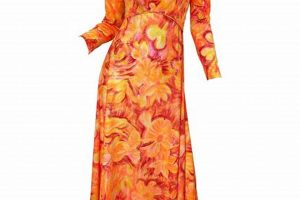
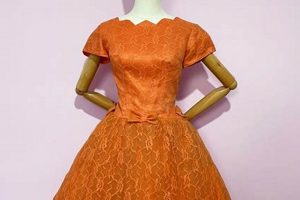
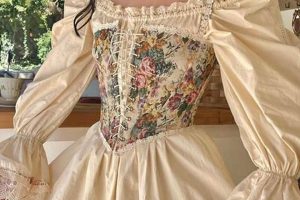
Garments produced by the House of Chanel, predating contemporary collections, represent a segment of the apparel market characterized by enduring design and historical significance. These items, often sought after for their craftsmanship and iconic status, offer a tangible link to the brand’s legacy.
Acquiring these garments provides access to pieces reflecting specific eras in fashion history, often crafted with superior materials and construction techniques compared to contemporary mass-produced items. This contributes to a sustainable consumption model by extending the lifespan of high-quality goods and appreciating the artistry of previous decades. Furthermore, ownership can be considered an investment, as the value of certain designs may appreciate over time due to rarity and historical relevance.
The following sections will delve into the key aspects of identifying, sourcing, and caring for these garments, allowing individuals to make informed decisions when participating in this specialized market.
Essential Considerations for Acquiring Chanel Vintage Dresses
The acquisition of apparel from Chanel’s past necessitates careful evaluation to ensure authenticity, condition, and adherence to personal preferences.
Tip 1: Authentication is Paramount: Prior to purchase, subject any potential acquisition to rigorous authentication. Utilize reputable authentication services specializing in luxury goods, and scrutinize hallmarks, serial numbers, and construction details. Discrepancies in these areas are indicative of counterfeit items.
Tip 2: Condition Assessment is Critical: Thoroughly inspect the garment for signs of wear, damage, or alteration. Pay close attention to areas prone to stress, such as seams, closures, and embellishments. Factor restoration costs into the overall acquisition budget, if necessary.
Tip 3: Fabric Composition Analysis: Verify the fabric composition aligns with the era in which the piece was purportedly produced. Chanel utilized specific textiles during different periods, and deviations may suggest inauthenticity or later alterations.
Tip 4: Silhouette and Construction Examination: Analyze the cut and construction techniques employed. Vintage garments reflect the prevailing styles and manufacturing standards of their respective eras. Deviations from established norms warrant further investigation.
Tip 5: Understanding Rarity and Value: Research the market value of comparable pieces to determine a fair price. Limited edition designs and garments with documented provenance command higher premiums. Scarcity, condition, and historical significance influence value significantly.
Tip 6: Source from Reputable Vendors: Prioritize transactions with established vintage retailers, auction houses, or consignment shops specializing in high-end fashion. These vendors typically offer guarantees of authenticity and condition.
Tip 7: Measurement Accuracy is Essential: Obtain precise measurements of the garment, as sizing standards have evolved over time. Compare these measurements to personal dimensions to ensure a proper fit. Alterations can compromise the integrity of the garment.
These considerations are essential for making informed decisions. Thorough due diligence enhances the likelihood of acquiring authentic and well-preserved apparel that aligns with expectations and investment objectives.
The subsequent sections will address the appropriate care and preservation techniques to maintain the integrity of these valuable pieces.
1. Authenticity verification

The verification of authenticity is a critical process in the acquisition and valuation of apparel produced by Chanel in previous decades. Given the brand’s prestige and the potential for counterfeiting, rigorous examination is essential to confirm the provenance and inherent value of any item marketed as such.
- Serial Numbers and Date Codes
Internal labels, often featuring serial numbers or date codes, provide a primary means of verification. Chanel began implementing these codes in the 1980s, offering a chronological indicator of the garment’s production period. Cross-referencing these codes with established databases and Chanel’s production records assists in determining legitimacy. Absence or inconsistencies in these identifiers can be indicative of a counterfeit.
- Hallmarks and Logos
Distinctive hallmarks and logos, such as the interlocking CC emblem, are integral elements of Chanel branding. Scrutinizing the font, spacing, and placement of these logos is crucial. Counterfeit items often exhibit subtle discrepancies in these details. Furthermore, the quality of the hardware bearing the logobuttons, zippers, claspsshould align with Chanel’s established standards of craftsmanship.
- Construction Details
A thorough examination of construction techniques reveals valuable insights into a garment’s authenticity. Chanel employs specific stitching patterns, seam finishes, and lining materials characteristic of its production methods. Deviations from these established standards, such as uneven stitching or inferior lining fabrics, raise concerns about the garment’s legitimacy.
- Fabric and Material Analysis
The fabrics and materials used in genuine garments align with the periods in which the item was purportedly produced. Chanel has historically favored specific textiles, such as boucl wool, silk crepe, and jersey knit, each with distinct textures and characteristics. Authenticating a vintage piece involves assessing whether the fabric composition and quality correspond to the expected standards of the era. Moreover, examining the quality of embellishments, such as buttons, sequins, and embroidery, provides additional validation.
In conclusion, authenticity verification encompasses a multi-faceted approach, encompassing the examination of serial numbers, hallmarks, construction details, and material analysis. The absence of any of these facets can affect the integrity or the valuation of vintage clothing designed and produced by Chanel
2. Fabric composition

The fabric composition of apparel produced by Chanel is a key determinant of its vintage status, authenticity, and value. The textile choices reflect the technological advancements, material availability, and stylistic preferences of specific eras. Therefore, scrutinizing the fabrics used provides crucial insights into a garment’s origin and its adherence to established Chanel standards. Inauthentic items often deviate in fabric composition due to cost considerations or lack of access to the original materials.
For example, designs from the 1920s and 1930s frequently utilized silk jersey and lightweight wools, reflecting the era’s focus on comfort and practicality. Later decades saw the introduction of synthetic blends and heavier textiles, mirroring shifts in manufacturing processes and fashion trends. Understanding these historical correlations is essential for identifying garments that authentically represent a particular period. Comparing the fabric composition to known examples of authentic Chanel pieces from the same era can reveal inconsistencies indicative of a counterfeit. Chanel’s use of tweed became iconic, and the specific weave, fiber content, and color palettes employed changed over time. Analyzing these variations is another practical application of fabric composition analysis.
In summary, fabric composition serves as a critical marker for establishing authenticity. A comprehensive understanding of the textiles utilized by Chanel throughout its history is essential for assessing the provenance of any item. Challenges include variations within the same era and alterations that may have replaced the original fabrics. Therefore, this analysis forms an integral part of the broader authentication process, ensuring that apparel produced by the fashion house aligns with its legacy of quality and design.
3. Construction techniques

The construction techniques employed in Chanel’s garments are intrinsically linked to their vintage status, serving as tangible markers of authenticity and craftsmanship. Deviations from established methods can signal inauthenticity or later alterations, thereby diminishing value. The meticulousness of stitching, the precision of seam finishes, and the selection of interfacing materials are all critical factors. For example, hand-rolled hems, prevalent in earlier garments, represent a time-intensive technique rarely replicated in contemporary mass production. Therefore, the presence of such detailing serves as a powerful indicator of age and origin. Similarly, the type of interlining used to maintain the garment’s structure can be indicative of the era in which it was created; horsehair canvas, for instance, was frequently used in bespoke tailoring during specific periods.
Examining the interior construction of the garment reveals critical information often overlooked in cursory inspections. The presence of couture techniques, such as hand-basted linings or meticulously placed darts, distinguishes authentic pieces from mass-produced imitations. The choice of thread, the density of stitches per inch, and the consistency of seam allowances all contribute to the overall quality and durability of the garment. These subtle details, while not immediately apparent, are essential for verifying the piece’s provenance. Garments from the mid-20th century often exhibit specific tailoring methods that are absent in later designs, illustrating the evolution of manufacturing processes and the impact of technological advancements.
In summary, a detailed analysis of construction techniques provides critical insight into the authenticity, age, and value of vintage pieces. This encompasses assessing both exterior and interior construction details. The consistency and precision of construction, the appropriate use of materials for the given era, all serve as markers of legitimacy. Collectors and enthusiasts must, therefore, prioritize a thorough examination of these elements to make informed decisions. Overlooking these construction techniques may lead to the acquisition of counterfeit garments.
4. Era identification

Era identification, in the context of Chanel garments, is a crucial step in establishing authenticity, determining market value, and appreciating historical context. A dress produced by Chanel in the 1960s, for instance, embodies different design characteristics, fabric choices, and construction techniques than one from the 1980s. The ability to accurately identify the era of production directly influences the garment’s desirability among collectors and its assessment as a genuine article. For example, a shift dress with minimalist lines and A-line silhouette points towards the mid-1960s, while a design incorporating power-dressing elements such as padded shoulders and bolder embellishments aligns with the 1980s. These elements serve as tangible evidence of the garment’s historical period.
Accurate era identification allows a prospective buyer to verify claims about a garment’s provenance and to cross-reference its features with established fashion trends. Examining stylistic elements such as hemlines, collar styles, and sleeve designs reveals the garment’s alignment with prominent trends of its respective decade. A well-documented example of this is the introduction of the mini-skirt in the mid-1960s; the presence of a significantly shortened hemline on a Chanel dress suggests a potential production date within this specific timeframe. Beyond its impact on market value, understanding the era also provides insight into the societal and cultural influences that shaped the garment’s design. Chanels designs reflect the shifting roles of women, economic conditions, and artistic movements of the time.
In conclusion, era identification constitutes a foundational aspect of understanding apparel from the house of Chanel. Its impact extends beyond mere historical curiosity, influencing valuation and authentication processes. Challenges in accurate identification arise from the potential for alterations, the cyclical nature of fashion trends, and the variations within the same decade. This knowledge allows collectors and enthusiasts to make informed decisions and appreciate the historical significance of each garment. Moreover, it allows for the avoidance of misrepresentation and contributes to responsible practices within the vintage fashion market.
5. Condition assessment

Condition assessment is paramount in the acquisition of apparel from the House of Chanel, directly impacting valuation, longevity, and overall collectibility. The evaluation process demands a systematic approach to identify existing damage and potential structural weaknesses. A thorough inspection can reveal factors affecting the garment’s integrity and desirability.
- Fabric Integrity
The fabric’s structural integrity is central to condition assessment. Inspection reveals signs of wear such as fading, discoloration, staining, or threadbare areas. For example, silk garments may exhibit shattering due to age and degradation of fibers, rendering them fragile and impacting their aesthetic appeal. Tweed, another common material, is susceptible to moth damage, resulting in irreversible holes and weakened areas. Identifying these issues is paramount for evaluating the garment’s overall state.
- Seam and Structural Stability
Seams, particularly those under stress (e.g., armholes, closures), necessitate close examination. Weakened or broken seams undermine the garment’s structural integrity, potentially leading to further damage during wear or handling. Stretched or misshapen areas also suggest compromised structure. The garment’s overall drape and fit may be affected. Examples include split seams at the waist or underarms, indicating structural failure.
- Embellishment Security
Garments often incorporate embellishments such as beads, sequins, buttons, or embroidery, contributing to their aesthetic appeal and value. Assess the security of each embellishment, noting any missing, loose, or damaged components. Loss of embellishments diminishes aesthetic appeal and may indicate past wear or improper storage. The degree of embellishment loss impacts value, requiring specialized restoration.
- Lining Condition
The lining protects the outer fabric and contributes to the garment’s shape and comfort. Inspect the lining for staining, tears, or deterioration. Discoloration from perspiration or other fluids is commonplace in vintage garments. Rips or tears in the lining can snag on clothing worn beneath the garment, impacting wearability. The lining’s condition contributes to a comprehensive assessment of the garment’s overall state.
The condition assessment is a crucial step in the acquisition of Chanel apparel, directly influencing its preservation, use, and perceived value. A comprehensive assessment, covering various facets, reveals existing issues and potential vulnerabilities. Proper care and restoration can mitigate damage, extending the garment’s lifespan and preserving its value for future generations.
6. Rarity & Valuation
The valuation of apparel produced by Chanel is inextricably linked to its scarcity. A demonstrable correlation exists: items of limited production or those exhibiting unique features command higher prices in the secondary market. This relationship stems from basic economic principles of supply and demand, where reduced availability amplifies desirability among collectors and enthusiasts. For example, a gown designed by Karl Lagerfeld for a specific runway collection, of which only a handful were produced, will command a significantly higher valuation than a commercially available item from the same season. This differential reflects the gown’s exclusivity and its embodiment of the designer’s creative vision during a particular period. The cause-and-effect is directly observed: limited supply (rarity) causes an increase in perceived and actual market price (valuation).
Beyond limited production, other factors contribute to the perceived scarcity and, consequently, increased valuation. These include exceptional condition, demonstrable provenance, and historical significance. A garment owned by a prominent figure or featured in a significant cultural event adds a layer of value beyond its inherent design and construction. Documented ownership history provides authentication and enhances desirability. A dress worn by a notable actress at a film premiere, complete with supporting documentation, becomes a tangible piece of cultural history and a collector’s item. The scarcity of such documented and historically significant pieces amplifies their value, distinguishing them from similar garments lacking demonstrable provenance. Conversely, items with significant damage or missing components experience decreased valuation.
Understanding the intricate relationship between scarcity and valuation is crucial for those engaging with the apparel produced by Chanel. It guides acquisition strategies, informs investment decisions, and enables the appreciation of these garments as both fashion artifacts and tangible assets. The challenge lies in accurately assessing the degree of scarcity and verifying claims of provenance, necessitating diligence and expertise. Therefore, recognizing the interplay between rarity and valuation enables collectors and enthusiasts to approach this specific sector of the fashion market with informed judgment, aligning their acquisitions with their collecting goals.
Frequently Asked Questions
This section addresses common inquiries regarding apparel produced by Chanel, providing clarity on aspects ranging from authentication to care.
Question 1: How does one determine the authenticity of apparel produced by Chanel?
Authenticity verification requires a multifaceted approach. Examination of serial numbers, hallmarks, construction techniques, and fabric composition is crucial. Independent authentication services specializing in luxury goods can provide expert assessments.
Question 2: What factors contribute to the valuation of a garment produced by Chanel?
Valuation is influenced by rarity, condition, era, and provenance. Limited edition designs, pieces in excellent condition, garments from significant periods, and those with documented ownership histories command higher prices.
Question 3: What are the most common condition issues encountered in Chanel dresses?
Common condition issues include fabric degradation (fading, staining, shattering), weakened seams, missing embellishments, and lining deterioration. Pre-purchase inspection is essential to identify and address these concerns.
Question 4: How should a Chanel vintage dress be properly stored?
Proper storage involves using padded hangers, storing garments in acid-free garment bags, and maintaining a stable temperature and humidity level. Avoid direct sunlight and prolonged exposure to harsh chemicals.
Question 5: What are the key differences between garment production techniques used in different eras?
Earlier Chanel garments often feature hand-rolled hems and meticulous hand-stitching, reflecting a greater emphasis on couture techniques. Later garments may exhibit machine stitching and more streamlined production methods.
Question 6: Is professional cleaning recommended for Chanel vintage dresses?
Professional cleaning by a specialist experienced in handling delicate fabrics is strongly recommended. Avoid harsh chemicals and aggressive cleaning methods that can damage fragile textiles.
The insights shared above provides a basic understanding to the acquisition, the authentication and general care. The key concepts outlined above highlights critical factors that influence decision-making processes. Proper due diligence remains paramount.
The subsequent section will delve into resources available for further exploration of apparel produced by Chanel.
chanel vintage dresses
The preceding exploration has illuminated the multifaceted considerations essential to engaging with apparel produced by Chanel in prior decades. From authentication and condition assessment to era identification and valuation, each aspect plays a crucial role in ensuring informed acquisition and responsible ownership. The emphasis has been placed on due diligence, encouraging a thorough examination of each garment to verify its provenance and assess its long-term viability.
As the market for collectible fashion continues to evolve, a commitment to authenticity, preservation, and historical awareness remains paramount. Further research and engagement with established experts in the field will enhance both understanding and appreciation for these enduring pieces of sartorial history, fostering a responsible and informed approach to collecting.