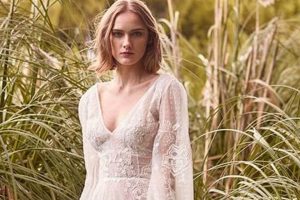
The category encompasses garments designed with stylistic influences from past eras, adapted to fit and flatter fuller figures. These items often feature design elements evocative of specific decades, such as the 1950s swing dresses or the 1970s maxi styles, but are produced in larger sizes to accommodate a wider range of body types. Availability extends to various retailers, from specialized boutiques to online marketplaces.
The enduring appeal of such apparel lies in its ability to offer both distinctive aesthetics and inclusivity. These garments allow individuals to express personal style while celebrating diverse body shapes. Historically, the fashion industry has often marginalized those outside of standard sizing; the increased availability of these garments represents a positive shift towards greater representation and accessibility within the clothing market.
This article will further explore the key characteristics of these garments, examining factors to consider when selecting the appropriate style, where to find them, and how to care for them to ensure longevity. The information will provide a practical guide for individuals seeking to incorporate these timeless pieces into their wardrobe.
Tips for Selecting Vintage-Inspired Apparel in Extended Sizes
Selecting garments that combine retro aesthetics with inclusive sizing requires careful consideration. The following guidelines aim to provide practical advice for navigating the market and choosing pieces that offer both style and a flattering fit.
Tip 1: Prioritize Accurate Measurements: Consult size charts provided by the vendor. Body measurements, particularly bust, waist, and hip circumference, should be compared directly to the chart to ensure an optimal fit. Garments from different eras and manufacturers may vary significantly in sizing conventions.
Tip 2: Consider Fabric Composition: Natural fibers, such as cotton and linen, offer breathability and comfort. Synthetic blends may provide greater stretch and wrinkle resistance. Fabric weight and drape should be evaluated based on the intended use and desired silhouette.
Tip 3: Examine Construction Quality: Seams should be securely stitched and finished to prevent fraying. Closures, such as zippers and buttons, should be durable and functional. High-quality construction contributes to the garment’s longevity and overall appearance.
Tip 4: Evaluate Silhouette and Design Details: Select styles that complement individual body shapes. A-line skirts can create a balanced silhouette, while empire waistlines can accentuate the bust. Pay attention to design details, such as neckline, sleeve length, and embellishments, to ensure they align with personal preferences.
Tip 5: Research Vendor Reputation: Before making a purchase, research the vendor’s reputation for accurate product descriptions, reliable sizing, and responsive customer service. Online reviews and ratings can provide valuable insights into the vendor’s credibility.
Tip 6: Understand Care Instructions: Different fabrics and embellishments require specific care instructions. Adhering to the recommended washing and drying methods will help preserve the garment’s condition and prevent damage.
Tip 7: Inspect Return Policies: Familiarize yourself with the vendor’s return policy before completing a purchase. Ensure that returns are accepted within a reasonable timeframe if the garment does not fit properly or meet expectations.
By carefully considering these tips, individuals can confidently select flattering garments that combine retro charm with contemporary sizing standards, resulting in a wardrobe that is both stylish and representative of their unique personal expression.
The subsequent sections will delve into specific style options and maintenance techniques to further enhance the experience of incorporating these timeless garments into one’s personal collection.
1. Era Authenticity

Era authenticity in vintage-inspired apparel refers to the degree to which a garment accurately reflects the stylistic characteristics of a specific historical period. For extended sizes, this aspect becomes particularly important. Cause and effect are directly linked: a greater degree of authenticity contributes to a more convincing and aesthetically pleasing retro look. The importance of this component stems from the inherent desire to capture the essence of a bygone era, and to distinguish a faithful reproduction from a generic, merely ‘vintage-looking’ item. For example, a plus-size 1950s dress should ideally incorporate details such as a full, circle skirt, a fitted bodice, and appropriate neckline and sleeve styles consistent with the period. The practical significance lies in the garment’s ability to effectively communicate the intended style, enhancing the wearer’s confidence and overall appearance. Without era authenticity, such apparel loses its defining characteristic and becomes simply a larger-sized contemporary garment with minimal historical reference.
Furthermore, the availability of era-authentic garments in extended sizes addresses a historical disparity. The fashion industry has often excluded plus-size individuals from participating in vintage trends. As a consequence, finding garments that accurately reflect historical styles in larger sizes can be challenging. Reproductions sometimes prioritize contemporary fit over historical accuracy. However, dedicated manufacturers and retailers are increasingly focusing on replicating patterns and construction techniques that align with specific periods, while adapting the sizing to accommodate diverse body types. This involves meticulous research into historical dressmaking practices, fabric choices, and embellishment styles.
In summary, era authenticity is a crucial element for successfully translating vintage aesthetics into plus-size apparel. Challenges remain in sourcing accurate reproductions and adapting historical patterns for contemporary bodies. However, the ongoing efforts to preserve and accurately represent historical styles within the plus-size market contribute to a more inclusive and historically informed fashion landscape. This focus on accuracy ultimately enhances the wearer’s ability to embody the spirit of a chosen era, providing a richer and more satisfying fashion experience.
2. Fabric Quality

Fabric quality is a paramount consideration when selecting vintage-inspired attire in extended sizes. The choice of material directly impacts the garment’s drape, durability, and overall aesthetic, ultimately influencing the wearer’s comfort and the longevity of the piece. In this context, a thorough understanding of fabric characteristics is essential for discerning value and ensuring satisfaction.
- Durability and Longevity
Higher-quality fabrics, such as tightly woven cotton blends or heavier-weight synthetics, exhibit greater resistance to wear and tear. This is particularly relevant for plus-size garments, which may experience more stress due to the larger surface area and potential for friction. A durable fabric ensures the garment maintains its shape and appearance over time, reducing the likelihood of premature damage or degradation. Conversely, inferior fabrics may stretch, fade, or pill easily, compromising the garment’s integrity and diminishing its value.
- Drape and Silhouette
The way a fabric hangs and flows significantly impacts the overall silhouette of a garment. A well-draped fabric can enhance the wearer’s figure, creating a flattering and visually appealing shape. For instance, a structured fabric like brocade may provide support and definition, while a fluid fabric like rayon can create a softer, more graceful look. The choice of fabric should align with the intended style and silhouette of the garment, ensuring it complements the wearer’s body type. In vintage-inspired styles, the fabric’s drape is often crucial for accurately replicating the characteristic shapes of specific eras.
- Comfort and Breathability
Fabric composition directly affects the garment’s breathability and comfort level. Natural fibers, such as cotton, linen, and silk, tend to be more breathable and allow for better air circulation, reducing the likelihood of overheating or discomfort. Synthetic fabrics, while often more affordable, may trap heat and moisture, leading to a less pleasant wearing experience. For plus-size garments, comfort is especially important, as ill-fitting or uncomfortable clothing can exacerbate feelings of self-consciousness. The selection of breathable, comfortable fabrics can significantly enhance the wearer’s overall satisfaction and confidence.
- Colorfastness and Appearance
The ability of a fabric to retain its color and appearance over time is a crucial indicator of quality. High-quality fabrics are less prone to fading, bleeding, or discoloration, even after repeated washing or exposure to sunlight. This is particularly important for vintage-inspired garments, where vibrant colors and intricate patterns are often a defining characteristic. Faded or discolored fabrics can detract from the garment’s aesthetic appeal and make it appear worn or outdated. Choosing fabrics with good colorfastness ensures the garment maintains its visual appeal and retains its value over time.
In conclusion, fabric quality is an indispensable factor when evaluating vintage-inspired apparel in extended sizes. Its influence extends beyond mere aesthetics, impacting durability, drape, comfort, and overall longevity. By prioritizing high-quality fabrics, individuals can ensure their garments not only look stylish but also provide a comfortable and enduring sartorial experience. The understanding of these properties serves as a cornerstone for informed purchasing decisions, resulting in greater satisfaction and a more sustainable approach to fashion consumption.
3. Size Accuracy

Size accuracy represents a critical determinant of satisfaction when purchasing vintage-inspired garments in extended sizes. The inherent variability in historical sizing standards, coupled with the lack of uniform sizing conventions across contemporary manufacturers, introduces a significant risk of misfits. A discrepancy between labeled size and actual garment dimensions can lead to discomfort, an unflattering silhouette, and ultimately, a diminished aesthetic appeal. For instance, a plus-size individual ordering a dress labeled as a ‘vintage size 18’ might discover the garment more closely resembles a contemporary size 14 due to shifting size norms over time. This mismatch compromises the garment’s intended design and the wearer’s ability to confidently embrace the retro aesthetic. Therefore, accurate sizing is not merely a matter of comfort; it is integral to realizing the stylistic vision of a vintage-inspired garment.
The practical implications of size inaccuracy extend beyond individual disappointment. Frequent returns due to sizing issues contribute to increased shipping costs for both consumers and retailers, adding to the environmental impact of online commerce. Retailers specializing in these garments address this challenge by providing detailed measurement charts and encouraging customers to compare their body measurements against these charts before ordering. Some offer virtual fitting services or consultations to further mitigate the risk of sizing errors. Furthermore, an understanding of vintage sizing systems can empower consumers to make more informed purchasing decisions when acquiring authentic vintage pieces, which often lack contemporary size labels altogether. These strategies underscore the proactive measures required to overcome the inherent complexities of size within the realm of retro-inspired fashion.
In summary, size accuracy stands as a pivotal factor influencing the successful integration of vintage-inspired apparel into a modern wardrobe. The challenges presented by inconsistent sizing standards demand a heightened level of attentiveness from both consumers and retailers. Initiatives aimed at providing comprehensive sizing information, coupled with a consumer’s diligence in self-measurement, are essential for navigating the complexities of the market and ensuring the garment provides the intended fit and aesthetic. Ultimately, the pursuit of size accuracy translates to a more satisfying shopping experience, a more flattering silhouette, and a greater appreciation for the timeless appeal of these garments.
4. Body Flattering
In the realm of vintage-inspired apparel for extended sizes, “body flattering” transcends mere aesthetics. It encompasses the strategic manipulation of design elements to accentuate positive features, minimize less desirable ones, and create a balanced, harmonious silhouette. The successful application of these techniques transforms a garment into a tool for self-expression and confidence enhancement.
- Silhouette Shaping
The strategic use of silhouette plays a crucial role in achieving a flattering fit. A-line skirts, for instance, gently flare from the waist, skimming over the hips and creating a balanced proportion. Empire waistlines draw attention upwards, accentuating the bust and creating a lengthening effect. Conversely, poorly chosen silhouettes, such as overly tight or shapeless designs, can amplify perceived flaws. The skillful selection of a silhouette appropriate for an individual’s body shape is paramount to achieving a visually pleasing outcome.
- Strategic Use of Embellishments and Detailing
Carefully placed embellishments and detailing can redirect visual focus and create illusions of proportion. Vertical stripes, for example, elongate the torso, while strategically placed ruching can create curves or camouflage problem areas. Conversely, poorly placed embellishments, such as large prints across the bust or hips, can draw unwanted attention to those areas. Thoughtful design choices in detailing can significantly enhance the overall flattering effect of a garment.
- Fabric Choice and Drape
The fabric’s drape and texture influence how a garment falls on the body. Fabrics with good drape, such as rayon or silk, flow smoothly over curves, creating a soft and flattering silhouette. Stiffer fabrics, such as brocade or heavy cotton, can provide structure and support, but may also create a more boxy appearance if not carefully tailored. The selection of appropriate fabric is crucial for achieving a flattering fit that complements the wearer’s body shape.
- Color and Pattern Considerations
Color and pattern choices can significantly impact the perceived shape and size of the wearer. Darker colors tend to minimize, while lighter colors can amplify. Smaller, denser patterns can be more flattering than large, bold prints. Strategic color blocking can also be used to create illusions of shape and proportion. Thoughtful color and pattern selection is essential for optimizing the flattering effect of any garment.
These elements, when harmoniously combined, contribute to a garment that not only fits well but also enhances the wearer’s confidence and self-perception. The focus on “body flattering” within the niche of vintage-inspired garments for extended sizes underscores the importance of inclusivity and empowering individuals to embrace their unique beauty through carefully designed apparel. This contrasts sharply with historical trends that often marginalized plus-size individuals, highlighting the progress in contemporary fashion towards greater representation and body positivity.
5. Design Details

In the context of garments that combine retro aesthetics with extended sizing, design details assume a heightened level of significance. These elements, ranging from subtle embellishments to structural features, contribute significantly to the overall aesthetic appeal and the garment’s ability to flatter a fuller figure. A careful consideration of these nuances is paramount for achieving a truly authentic and visually harmonious vintage-inspired look.
- Neckline Styles
Neckline styles exert a substantial influence on the perceived proportions of the upper body. A sweetheart neckline, for example, can create a softer, more feminine silhouette, while a bateau neckline may broaden the shoulders. Vintage-inspired garments frequently incorporate specific neckline shapes characteristic of different eras, such as the high necklines of the Victorian era or the plunging necklines of the 1930s. The selection of an appropriate neckline can enhance the wearer’s features and contribute to the overall authenticity of the garment.
- Sleeve Length and Style
Sleeve length and style are critical for balancing the overall silhouette. Three-quarter sleeves can be particularly flattering, drawing attention to the narrowest part of the arm. Cap sleeves may accentuate the shoulders, while long sleeves can provide coverage and warmth. Puff sleeves, characteristic of certain vintage eras, can add volume to the upper body. The choice of sleeve style should complement the overall design of the dress and the wearer’s body shape.
- Waistline Placement and Definition
The placement and definition of the waistline are crucial for creating a flattering shape. An empire waistline, positioned high under the bust, can create a lengthening effect and draw attention upwards. A natural waistline, positioned at the narrowest part of the torso, accentuates the curves. A dropped waistline, popular in the 1920s, can create a more streamlined silhouette. The waistline’s design should align with the intended style of the dress and the wearer’s individual proportions.
- Embellishments and Trims
Embellishments and trims, such as lace, buttons, and embroidery, add visual interest and enhance the garment’s overall aesthetic appeal. These details can be strategically placed to draw attention to specific areas or to create a sense of vintage authenticity. For example, delicate lace trim around the neckline or hemline can add a touch of elegance, while vintage-inspired buttons can enhance the garment’s historical accuracy. The judicious use of embellishments and trims can elevate a garment from simple to striking, enhancing its overall visual impact.
These design elements, when thoughtfully integrated, contribute to the successful execution of vintage-inspired attire in extended sizes. A keen awareness of these nuances empowers individuals to select garments that not only reflect a particular historical period but also complement their individual body shape and personal style. The careful consideration of these details transforms a garment into a wearable work of art, celebrating both the timeless elegance of the past and the diversity of the present.
6. Comfort Level

In garments that blend historical aesthetics with extended sizing, “Comfort Level” transcends a mere subjective preference. It is a critical element that directly influences the wearability and overall satisfaction with such attire. The interplay between historical design elements and the need for accommodating fit necessitates a careful consideration of factors impacting physical ease and unrestricted movement.
- Fabric Breathability and Weight
The choice of fabric significantly affects the wearer’s experience. Natural fibers, such as cotton and linen, offer superior breathability, reducing the risk of overheating and discomfort, particularly in warmer climates. Heavier fabrics, while potentially offering better structure and drape, can restrict movement and contribute to a sensation of confinement. The selection of fabric must balance aesthetic considerations with practical concerns related to thermal regulation and physical ease.
- Seam Construction and Placement
The construction of seams, particularly their placement and finishing, plays a crucial role in preventing chafing and irritation. Poorly constructed seams, or those positioned in areas of high friction, can cause discomfort, especially for individuals with sensitive skin. The use of flatlock seams or the addition of seam tape can minimize these issues, enhancing the garment’s overall comfort level. Seam placement should also consider the garment’s design, ensuring it does not impede movement or create unsightly bulges.
- Lining and Understructure
The presence and composition of lining and understructure, such as boning or shapewear elements, can significantly impact comfort. While lining can enhance the garment’s drape and opacity, poorly chosen linings can trap heat and moisture, leading to discomfort. Similarly, understructure, while providing shaping and support, must be carefully designed to avoid restricting movement or causing pressure points. The balance between aesthetic enhancement and physical ease is crucial in the selection and integration of these elements.
- Range of Motion and Fit
The garment’s design must allow for a full range of motion without restriction. Tight sleeves, a constricting bodice, or a skirt that inhibits walking can severely compromise comfort, rendering the garment impractical for everyday wear. The fit should accommodate the wearer’s body shape, allowing for ease of movement and preventing undue stress on seams and closures. A comfortable garment should move with the wearer, rather than against them.
These facets collectively contribute to the overall “Comfort Level” of garments combining vintage aesthetics with extended sizing. Addressing these factors ensures that such attire is not only visually appealing but also physically comfortable and practical for daily wear. The careful consideration of these elements reflects a commitment to inclusivity and the creation of garments that empower individuals to embrace their personal style without sacrificing physical well-being.
Frequently Asked Questions
The following section addresses common inquiries and clarifies misconceptions surrounding the acquisition, care, and styling of garments designed to evoke historical aesthetics while accommodating extended sizes. The information presented aims to provide a comprehensive resource for individuals seeking to incorporate such attire into their wardrobe.
Question 1: Where can authentically designed apparel be reliably sourced?
Authentically designed garments are obtainable from specialized vintage boutiques, online retailers with established reputations for accurate reproductions, and independent designers focusing on historical accuracy in extended sizes. Prior to purchase, scrutinize vendor reviews, examine detailed product descriptions, and verify size charts to ensure the garment aligns with desired specifications.
Question 2: What distinguishes a true vintage garment from a vintage-inspired reproduction?
A true vintage garment is an original piece from a past era, possessing characteristics indicative of its age, such as unique construction techniques, period-specific fabrics, and potential imperfections. Vintage-inspired reproductions, conversely, are newly manufactured garments designed to emulate the style of a particular era, often incorporating modern fabrics and construction methods.
Question 3: How should the garment be appropriately sized for optimal fit and comfort?
Accurate sizing requires precise body measurements, including bust, waist, and hip circumference. Compare these measurements against the vendor’s size chart, paying particular attention to variations in sizing conventions across different eras and manufacturers. Consider the garment’s silhouette and intended fit, opting for styles that complement individual body shapes and allow for comfortable movement.
Question 4: What are the recommended care instructions for preserving the fabric and design integrity?
Adhere strictly to the care instructions provided by the manufacturer. Hand washing or gentle machine washing with cold water is often recommended for delicate fabrics. Avoid harsh detergents, bleach, and high-heat drying. Professional cleaning may be necessary for garments with intricate embellishments or delicate materials.
Question 5: How can the garment be styled to create a cohesive and authentic vintage-inspired look?
Styling involves incorporating accessories and complementary garments that align with the chosen era. Consider vintage-inspired jewelry, footwear, and hairstyles to complete the look. Research historical fashion trends to ensure the ensemble accurately reflects the intended period. Avoid mixing elements from disparate eras, as this can detract from the overall authenticity.
Question 6: What factors should be considered when assessing the garment’s overall quality and durability?
Assess the fabric’s weight, weave, and fiber content, opting for durable materials that resist wear and tear. Examine seam construction, ensuring seams are securely stitched and finished. Inspect closures, such as zippers and buttons, for functionality and durability. Consider the garment’s overall construction and design, evaluating its ability to withstand repeated wear and cleaning.
In summation, navigating the realm of vintage-inspired apparel in extended sizes necessitates informed decision-making. This involves discerning authentic designs, ensuring accurate sizing, adhering to proper care protocols, and cultivating a cohesive stylistic approach.
The subsequent sections will delve into practical considerations for maintaining these garments and integrating them into a sustainable wardrobe.
Conclusion
The preceding exploration of vintage retro dresses plus size has illuminated the multifaceted considerations involved in selecting, maintaining, and styling garments within this category. Key points include the importance of era authenticity, fabric quality, size accuracy, body-flattering design, detail evaluation, and comfort level. Addressing these elements ensures a satisfying experience for the consumer.
As the demand for inclusive and historically inspired fashion continues to grow, it is imperative that both manufacturers and consumers prioritize informed choices and ethical practices. A commitment to accurate representations, durable construction, and responsible consumption will contribute to a more sustainable and aesthetically enriching sartorial landscape.
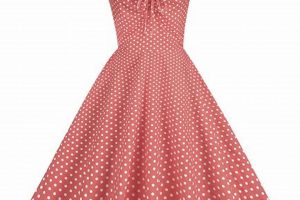
![Shop Adorable Vintage Newborn Dresses - [Era] Styles! | Vintage Treasures: Discover Rare Antiques, Collectibles & Retro Finds](https://roopevintage.com/wp-content/uploads/2026/04/th-540-300x200.jpg "Shop Adorable Vintage Newborn Dresses - [Era] Styles! Vintage Treasures: Discover Rare Antiques, Collectibles & Retro Finds")