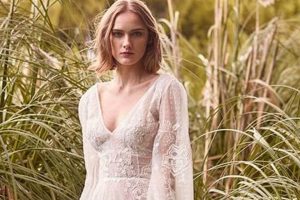
Formal attire from past eras, typically from the 1920s to the 1980s, designed for evening events represents a distinct category of apparel. These garments often showcase unique design elements, fabrics, and construction techniques characteristic of their respective periods. A beaded flapper dress from the Roaring Twenties or a sleek, minimalist sheath from the 1960s exemplify this type of apparel.
Such garments offer a tangible connection to sartorial history and a more sustainable approach to fashion consumption. They provide opportunities for self-expression through distinctive styling and can be more durable and well-made than contemporary fast-fashion alternatives. Their historical significance and unique aesthetics contribute to their desirability and enduring appeal.
The subsequent sections will delve into the defining characteristics of various eras, providing a guide to identifying authentic pieces, and offering advice on proper care and styling to ensure the longevity and continued enjoyment of these timeless garments.
Acquiring and maintaining formal garments from previous decades requires careful consideration. The following guidelines are intended to assist in the selection, preservation, and presentation of these unique pieces.
Tip 1: Authenticate the Era: Research the design hallmarks, fabrics, and construction techniques associated with the purported era of the garment. Consult reputable sources such as museum archives, fashion history texts, and knowledgeable dealers to verify its origins. Inspect labels and closures for consistency with the stated period.
Tip 2: Assess Condition Methodically: Carefully examine the item for signs of wear, including discoloration, tears, loose seams, and missing embellishments. Note any pre-existing damage and factor repair costs into the overall valuation. Prioritize garments in the best possible condition, recognizing that restoration can be a costly and time-consuming undertaking.
Tip 3: Prioritize Fit Over Fashion: Alterations to garments from previous eras may be limited by the fabric and construction. Seek pieces that closely align with current measurements. Consider the ease of making necessary adjustments without compromising the original design and construction.
Tip 4: Employ Gentle Cleaning Practices: Avoid harsh chemicals and machine washing. Consult a professional cleaner specializing in vintage textiles for delicate items. Spot clean stains carefully using appropriate cleaning solutions and testing in an inconspicuous area first. Store items flat or hung on padded hangers in a cool, dry, dark environment.
Tip 5: Style with Sensitivity: Integrate the acquired garment into a contemporary wardrobe in a way that respects its history. Avoid overly trendy accessories that may detract from the garment’s inherent elegance. Consider the original styling of the piece and adapt it to suit the current occasion and personal aesthetic.
Tip 6: Insure Valuable Acquisitions: Once obtained, especially more valuable pieces, document with photos and obtain insurance to protect the investment. Consult with specialized insurance companies for appraisal to value the garments at today’s market.
Tip 7: Protect From Pests: Consider investing in cedar closets or moth balls to protect the delicate garments. Ensure to wrap the garments individually in order to prevent the smell from attaching to the piece.
By adhering to these guidelines, collectors and enthusiasts can ensure the preservation and continued enjoyment of elegant apparel from bygone eras, thereby contributing to the appreciation of sartorial history.
The following sections will offer insights into selecting appropriate accessories and exploring specific styles from various decades.
1. Era Identification

Era identification constitutes a critical component in the appreciation, valuation, and preservation of vintage evening apparel. Accurate determination of a garment’s origin directly influences its perceived worth, informs appropriate conservation methods, and guides historically sensitive styling. Failure to correctly identify the period of a particular dress can lead to misrepresentation, improper care, and a diminished understanding of its cultural significance.
The distinctive design elements characteristic of each era serve as primary indicators. For instance, bias-cut silk gowns with Art Deco embellishments signify the 1930s, while full-skirted, cinched-waist silhouettes represent the 1950s. Fabric composition, construction techniques, and the presence of specific closures (e.g., metal zippers versus earlier hook-and-eye closures) further aid in dating. A dress purported to be from the 1920s, but constructed with synthetic fibers unavailable until the mid-20th century, would immediately raise authenticity concerns. The repercussions of misidentification are not limited to inaccurate representation; improper cleaning techniques applied due to a faulty era diagnosis could cause irreparable damage to delicate fabrics.
Therefore, thorough research and a keen understanding of fashion history are essential skills for collectors, dealers, and anyone seeking to engage with dresses from past decades. A commitment to accurate era identification ensures the preservation of these garments as valuable artifacts of cultural and sartorial history. The ability to discern the specific era of a piece is paramount, influencing its care, value, and appreciation.
2. Fabric Composition

The constituent materials of formal attire from bygone eras exert a profound influence on their appearance, durability, and appropriate care protocols. The textile used dictates the drape and silhouette of the garment, and its inherent properties determine its susceptibility to damage from light, moisture, and pests. Understanding the fiber content of a dress is therefore essential for its preservation and continued usability. For example, silk charmeuse, prevalent in the 1930s, imparts a fluid and luxurious quality but requires specialized cleaning to prevent shrinkage and loss of luster. Conversely, synthetic fabrics such as rayon or acetate, while more resilient, may be prone to creasing and degradation over time.
The evolution of textile technology throughout the 20th century is reflected in the fabrics found in formal wear from different periods. Early examples often feature natural fibers such as silk, cotton, or wool, while later decades saw the introduction of manufactured materials like nylon, polyester, and various blends. The presence of these synthetic fibers can be a key indicator of the garment’s age and, consequently, informs decisions regarding appropriate cleaning and storage methods. Ignoring the specific fabric composition can lead to irreversible damage, such as color fading, fiber weakening, or complete disintegration. A 1950s taffeta gown, for instance, might require specialized treatment to prevent the stiff fabric from cracking or splitting along stress points.
In summary, a comprehensive understanding of fabric composition is indispensable for anyone seeking to acquire, maintain, or appreciate vintage evening attire. Identifying the specific fibers used in a dress enables informed decisions regarding cleaning, storage, and restoration, ultimately contributing to the preservation of these valuable artifacts of sartorial history. The careful consideration of textile properties ensures that these garments can be enjoyed for generations to come, serving as tangible links to the past.
3. Design Hallmarks

The distinctive stylistic elements inherent in garments from previous eras serve as key identifiers, enabling categorization and authentication of items within the realm of vintage evening apparel. These “Design Hallmarks,” reflective of prevailing aesthetic sensibilities and technological capabilities, provide invaluable insights into the socio-cultural context of their creation and impact their contemporary valuation and preservation.
- Silhouette and Form
The overall shape and structure of a garment are primary indicators of its era. The tubular, unstructured silhouette of 1920s flapper dresses contrasts sharply with the cinched waists and voluminous skirts of the 1950s. Similarly, the minimalist, body-conscious designs of the 1960s differ significantly from the opulent, often embellished styles of the 1980s. Analyzing the silhouette allows for an initial categorization, guiding further investigation into other design elements. Consider, for example, a dropped waistline as a near-exclusive element of the 1920s, while a more tailored and form fitting dress often points to the 1930s and beyond.
- Embellishments and Detailing
The nature and extent of ornamentation applied to dresses offer further clues to their provenance. Hand-beading, sequin work, and intricate lace were prominent features of earlier decades, reflecting the labor-intensive production methods of the time. Later periods saw the rise of machine-made trims and embellishments, resulting in designs that were more cost-effective and widely accessible. Furthermore, the specific motifs and patterns employed in these embellishmentsgeometric Art Deco designs versus floral or abstract patterns, for examplecan further refine the dating process. For instance, hand-stitched beadwork could be a defining factor of a 1920s gown, whereas rhinestones and sequins are more common in later eras.
- Fabrics and Materials
The types of textiles used in dresses reflect the available technology and prevailing fashions of each era. Natural fibers such as silk, cotton, and wool were prevalent in earlier periods, while synthetic fabrics like rayon, nylon, and polyester gained prominence in the mid-20th century and beyond. The weight, texture, and drape of a fabric can also be indicative of its age and quality. For example, heavy crepe fabrics may suggest a dress from the 1930s, whereas lighter, more flowing materials could point to the 1960s or 1970s. Understanding the properties of different fabrics is crucial for proper care and preservation, as some materials are more susceptible to damage from light, moisture, or pests.
- Construction Techniques
The methods used to construct a garment offer valuable insights into its origin and craftsmanship. Hand-sewing, intricate seam finishes, and the use of boning or other structural elements were common in earlier periods, reflecting the skills of trained seamstresses. The advent of industrial sewing machines and mass-production techniques led to simpler, more efficient construction methods in later decades. Examining the stitching, closures (e.g., zippers versus buttons or hooks and eyes), and internal lining can reveal important information about a dress’s age and quality. Also, the way in which the fabrics are cut can indicate era. For instance, the bias cut became popular in the 1930s and has been used to create flowing shapes since then.
These interconnected facets of designsilhouette, embellishment, fabric, and constructioncollectively contribute to the identity of garments from previous eras. A comprehensive understanding of these hallmarks is essential for anyone seeking to acquire, study, or preserve vintage evening apparel, ensuring that these valuable artifacts of fashion history are appreciated and maintained for generations to come.
4. Condition Assessment

Evaluating the physical state of formal attire from previous eras constitutes a critical step in the acquisition and preservation process. The condition of a garment directly impacts its value, wearability, and potential longevity. A comprehensive assessment considers various factors that can affect the integrity and appearance of these items.
- Fabric Integrity
The strength and stability of the textile itself must be evaluated. Damage such as tears, holes, weakened fibers, or color fading significantly diminishes the value and wearability of the garment. Light exposure, improper storage, and age can all contribute to fabric degradation. For example, a silk dress from the 1930s may exhibit shattering, where the silk fibers have become brittle and prone to tearing with minimal stress, rendering it fragile and difficult to restore.
- Embellishment Security
Beading, sequins, lace, and other decorative elements are frequently found on dresses from previous eras. The condition and security of these embellishments are vital to the overall appearance and value of the piece. Missing or loose beads, damaged sequins, or detached lace reduce the aesthetic appeal and may indicate a need for extensive restoration. A beaded flapper dress, for instance, with significant bead loss along the hemline would require painstaking repair to restore its original appearance.
- Seam and Closure Functionality
The integrity of seams and closures is essential for ensuring the garment fits properly and functions as intended. Stressed seams, broken zippers, missing buttons, or weakened hook-and-eye closures compromise the structural integrity and wearability of the dress. A 1950s gown with a broken zipper, for example, would be unwearable until the zipper is replaced or repaired, a process that may require specialized skills.
- Stains and Discoloration
The presence of stains and discoloration can significantly impact the garment’s appeal. Old stains can be difficult or impossible to remove without damaging the fabric, and overall discoloration may indicate improper storage or exposure to light. Yellowing of white or light-colored fabrics is a common issue with vintage textiles. The discoloration can come from perspiration, other liquids or age of the textiles.
A thorough condition assessment, addressing fabric integrity, embellishment security, seam functionality, and the presence of stains, provides a comprehensive understanding of the garment’s current state. This assessment informs decisions regarding purchase, restoration, and ongoing care, ensuring that these items can be enjoyed for years to come. Recognizing the extent of any damage before acquiring the dresses could save resources.
5. Styling Context
The appropriate styling of garments from previous eras necessitates an understanding of the original cultural and fashion milieu in which those pieces were designed and worn. Styling context is not merely an aesthetic consideration; it influences how vintage garments are perceived, appreciated, and integrated into a contemporary wardrobe. Ignoring the historical and social underpinnings of a dress can lead to anachronistic or even disrespectful interpretations that diminish its inherent value and distort its historical significance. For instance, pairing a heavily beaded 1920s flapper dress with overtly modern, minimalist accessories may detract from its Art Deco elegance and disrupt the visual narrative it conveys. The intent is not to mimic the past precisely but rather to engage in a dialogue between historical reference and contemporary expression.
Effective incorporation requires an awareness of the original accessories, hairstyles, and makeup styles typically associated with a particular era. For example, a 1950s cocktail dress characterized by its full skirt and cinched waist is best complemented by classic pumps, gloves, and perhaps a subtle cat-eye makeup application. This approach not only enhances the visual appeal of the garment but also demonstrates a respect for its historical origins. Conversely, attempting to modernize such a dress with overly trendy or casual elements may result in a jarring juxtaposition that undermines its inherent charm and elegance. Furthermore, styling choices should be sensitive to the social and cultural norms of the period, avoiding interpretations that might be considered insensitive or appropriative.
Ultimately, the application of astute styling context transforms vintage evening attire from mere articles of clothing into curated expressions of sartorial history. Challenges remain in striking a balance between authenticity and contemporary relevance, requiring careful consideration and informed decision-making. However, a thoughtful approach that acknowledges and respects the origins of these garments ensures their continued appreciation and relevance within the broader landscape of fashion and culture, offering a tangible connection to the past while remaining engaging and relevant in the present.
Frequently Asked Questions
This section addresses common inquiries and concerns regarding the acquisition, care, and preservation of formal garments from past eras. The information provided is intended to guide enthusiasts and collectors in maintaining the integrity and extending the lifespan of these valuable pieces.
Question 1: How can the age of a garment be determined with certainty?
Precise dating requires a multifaceted approach. Analysis of construction techniques, fabric composition, embellishments, and the presence of labels or identifying marks are essential. Consultation with textile historians or appraisers may be necessary for definitive authentication.
Question 2: What cleaning methods are appropriate for delicate fabrics such as silk or velvet?
Professional cleaning by a specialist in vintage textiles is strongly recommended. Avoid harsh chemicals, machine washing, and dry cleaning processes that may damage delicate fibers. Spot cleaning with gentle solutions is permissible for minor stains, but testing in an inconspicuous area is crucial.
Question 3: How should these items be stored to prevent damage from pests or environmental factors?
Storage in a cool, dry, dark environment is paramount. Garments should be protected from direct sunlight and humidity. Acid-free tissue paper can be used to pad folds and prevent creasing. Cedar closets or moth-repellent products can deter pests, but direct contact with fabrics should be avoided.
Question 4: Can alterations be made to vintage garments to improve fit or accommodate contemporary styles?
Alterations should be approached with caution. Significant modifications can compromise the historical integrity and value of the garment. Minor adjustments may be permissible, but consulting with a skilled tailor experienced in working with vintage fabrics is essential. Original seams and hems should be preserved whenever possible.
Question 5: How can the value of a vintage evening dress be assessed accurately?
Valuation depends on several factors, including age, condition, rarity, designer provenance, and historical significance. Appraisals by qualified experts are recommended to determine fair market value for insurance or sale purposes. Documentation, such as photographs and provenance records, can enhance the garment’s value and desirability.
Question 6: What are the ethical considerations when acquiring such items?
Responsible acquisition involves verifying the garment’s provenance and ensuring it was not obtained through unethical or exploitative means. Supporting reputable dealers and avoiding the purchase of items that may have been illegally sourced or improperly conserved promotes ethical practices within the vintage fashion market.
Adherence to these guidelines will assist in preserving and appreciating formal attire from bygone eras, ensuring its continued elegance and historical significance. The acquisition and appreciation of garments from past eras necessitates a commitment to research, ethical sourcing, and proper maintenance. A considered approach to the collection and wearing of formal garments can ensure that history is not only remembered but also celebrated.
The subsequent sections will delve into specific decades, showcasing exemplary styles and providing further insights into their unique characteristics.
Concluding Remarks on Garments of Bygone Eras
This examination of formal attire from past decades has underscored the importance of understanding their historical context, fabric composition, design hallmarks, and appropriate care techniques. Accurate identification, meticulous condition assessment, and sensitive styling are critical for preserving the integrity and extending the lifespan of these items.
The ongoing appreciation and responsible stewardship of attire from bygone eras ensures the preservation of sartorial heritage. By embracing informed practices, enthusiasts and collectors contribute to the recognition of design and construction from the past, safeguarding these tangible artifacts for future generations and preserving the elegance that defined these garments.
![Shop Adorable Vintage Newborn Dresses - [Era] Styles! | Vintage Treasures: Discover Rare Antiques, Collectibles & Retro Finds](https://roopevintage.com/wp-content/uploads/2026/04/th-540-300x200.jpg "Shop Adorable Vintage Newborn Dresses - [Era] Styles! Vintage Treasures: Discover Rare Antiques, Collectibles & Retro Finds")