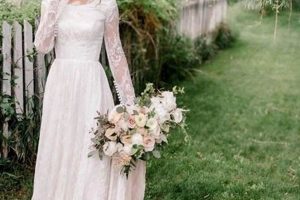
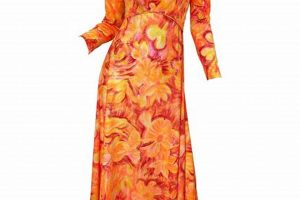
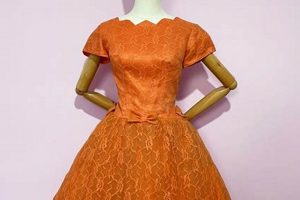
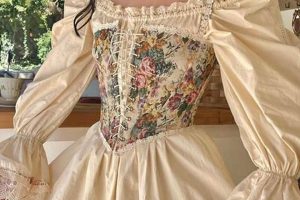
Garments from a prior era, tailored to fit a smaller frame, represent a niche within the broader vintage clothing market. These articles of clothing offer a connection to past styles and silhouettes, adapted for individuals of shorter stature. For example, a 1950s A-line skirt and fitted bodice, designed to flatter a height under 5’4″, exemplifies this category.
The appeal of these garments stems from a desire for unique style, sustainable fashion practices, and appreciation for the craftsmanship of bygone eras. They offer a curated aesthetic not readily available in contemporary retail, providing an alternative to mass-produced clothing. Historically, such garments reflected the social and fashion norms of their time, offering insights into past trends and manufacturing techniques.
The subsequent discussion will delve into the sourcing of such garments, considerations for alterations and repairs, and styling suggestions to create modern and cohesive looks, ensuring the longevity and continued enjoyment of these special pieces.
Essential Considerations for Acquiring Garments
The following provides essential guidance for identifying and maintaining these garments, ensuring longevity and satisfaction.
Tip 1: Authenticate the Era: Scrutinize construction techniques, labels, and materials to verify the garment’s stated age. Consult vintage fashion resources to compare details and identify potential discrepancies.
Tip 2: Assess the Fit Precisely: Vintage sizing often differs significantly from modern standards. Obtain accurate measurements of the garment and compare them to personal measurements. Prioritize shoulder and bust fit, as these are the most difficult areas to alter successfully.
Tip 3: Inspect for Damage Thoroughly: Examine seams, closures, and fabric for wear, staining, or damage. Factor in the cost and feasibility of necessary repairs before purchase. Note that some damage may be irreparable.
Tip 4: Prioritize Fabric Quality: Opt for natural fibers like cotton, silk, and wool, which are generally more durable and comfortable than synthetic alternatives common in later vintage pieces. Assess the fabric’s condition, noting any weakening or degradation.
Tip 5: Consider Alteration Needs: Evaluate the potential for alterations to achieve a better fit. Simpler alterations, such as hem adjustments, are generally more cost-effective than complex restructuring.
Tip 6: Understand Cleaning Requirements: Research appropriate cleaning methods for the garment’s fabric and construction. Some pieces may require professional cleaning or specialized care.
Tip 7: Store Properly to Preserve: Store garments in a cool, dry place away from direct sunlight. Use padded hangers to maintain shape and prevent stretching. Consider using garment bags for protection.
Adhering to these guidelines increases the likelihood of acquiring suitable garments and maintaining their integrity over time.
The succeeding sections will address styling strategies and offer further resources for information on historical fashion and vintage garment care.
1. Era identification

Era identification is a foundational component in the selection and appreciation of vintage garments designed for a smaller frame. Correct attribution of age directly impacts the garment’s perceived value, authenticity, and appropriate care requirements. Misidentification can lead to improper cleaning methods that damage delicate fabrics or inaccurate sizing expectations. For example, a garment mistakenly labeled as 1950s, when it is actually from the 1970s, may be subjected to inappropriate washing techniques that compromise its structural integrity due to differences in fabric composition and dye stability between the two eras. Similarly, sizing discrepancies can arise if a 1940s item is treated as a modern petite size, leading to disappointment and potentially irreversible alterations.
Furthermore, the historical context associated with a specific period influences how the garment is styled and worn. A wearers understanding of the era allows them to create historically appropriate and aesthetically pleasing ensembles. For instance, a 1930s tea frock benefits from being styled with accessories and shoes characteristic of that decade, resulting in a more authentic and visually coherent look. Conversely, pairing it with overtly modern elements could diminish its inherent charm and historical significance. Authentication also allows the owner to respect the design details that make pieces of that era special.
In conclusion, accurate era identification is not merely an academic exercise but a practical necessity for anyone seeking to acquire, maintain, and enjoy vintage clothing. It guides proper care, informs styling choices, and ultimately ensures the garments preservation as a tangible piece of fashion history. Without it, garments can be improperly taken care of and misrepresented.
2. Size accuracy
Size accuracy is paramount when acquiring vintage garments designed for a petite frame, owing to significant discrepancies between historical and contemporary sizing standards. Failure to account for these differences frequently results in ill-fitting purchases, necessitating costly alterations or rendering the garment unwearable. For instance, a vintage garment labeled as a “size 8” may correspond to a modern size 4 or even smaller, due to variations in body ideals and manufacturing practices across different eras. This necessitates careful measurement comparison and a reliance on actual garment dimensions rather than labeled sizes to ensure a satisfactory fit.
The implications of inaccurate sizing extend beyond mere inconvenience. Structural components, such as shoulder seams and bust points, may be disproportionate if a vintage garment is not appropriately sized, impacting overall silhouette and comfort. A petite individual attempting to wear a garment that is too large, even with alterations, may find that these critical structural elements remain misaligned, resulting in an unflattering or uncomfortable fit. Conversely, attempting to fit into a garment that is too small can strain seams and fabrics, leading to damage and shortening the garment’s lifespan. Furthermore, returns may not always be possible with vintage purchases, reinforcing the importance of accurate sizing prior to acquisition.
In summary, size accuracy is not merely a matter of preference but a prerequisite for successful integration of vintage clothing into a petite wardrobe. It directly impacts fit, comfort, garment longevity, and overall aesthetic. Prospective buyers must prioritize accurate measurement and comparison, thereby mitigating the risks associated with historical sizing variations and ensuring a positive and sustainable vintage clothing experience.
3. Fabric integrity

Fabric integrity is a critical determinant of the viability and longevity of petite vintage dresses. The delicate nature of aged textiles, often weakened by environmental factors, cleaning processes, or inherent material properties, necessitates careful evaluation prior to acquisition and diligent maintenance thereafter. Compromised fabric integrity directly affects the garment’s structural soundness, impacting its ability to withstand wear and potential alterations. For example, silk charmeuse from the 1930s, known for its luxurious drape, can become brittle and prone to tearing with age, particularly if exposed to sunlight or improper storage. Similarly, cotton fabrics from the mid-20th century may exhibit discoloration or fiber degradation due to prolonged exposure to humidity or repeated laundering. The practical significance of understanding fabric integrity lies in the ability to assess potential restoration needs, prevent further damage, and implement appropriate storage and cleaning protocols.
Furthermore, the type of fiber significantly influences a vintage garment’s resilience and maintenance requirements. Natural fibers like linen, wool, and cotton possess varying degrees of durability and resistance to environmental stressors. Wool, while generally robust, is susceptible to moth damage and shrinkage if not properly stored and cleaned. Linen, known for its strength, can become brittle with repeated creasing and require careful ironing. Synthetic fibers, introduced later in the vintage timeline, present their own set of challenges, including potential degradation due to exposure to heat or chemicals. The selection of appropriate cleaning agents and storage methods must be tailored to the specific fiber composition to prevent irreversible damage. For instance, dry cleaning solvents, while effective for removing stains, can weaken certain synthetic blends, necessitating alternative cleaning approaches.
In conclusion, fabric integrity stands as a foundational consideration in the appreciation and preservation of petite vintage dresses. The interplay between fiber type, age-related degradation, and environmental factors dictates the garment’s overall condition and its capacity to withstand the rigors of wear and maintenance. A thorough understanding of these dynamics empowers collectors and enthusiasts to make informed purchasing decisions, implement effective preservation strategies, and ensure the enduring beauty and historical value of these unique garments. Overlooking fabric integrity can lead to rapid deterioration and ultimately the loss of irreplaceable pieces of fashion history.
4. Alteration potential

The modification capacity of vintage garments, particularly those designed for a smaller stature, represents a critical factor in their successful integration into a modern wardrobe. Adaptability ensures proper fit and aesthetic alignment with contemporary styles, addressing inherent limitations of fixed sizing and evolving fashion sensibilities.
- Structural Integrity Limits
The original construction and fabric condition dictates the extent to which modifications are feasible. Intricate detailing, delicate fabrics, or extensive embellishments can restrict alterations, rendering significant changes impractical due to the risk of damage. For example, reducing the shoulders on a beaded 1920s gown may compromise the integrity of the beadwork, leading to irreversible losses. Conversely, simpler garments constructed from durable fabrics offer greater flexibility for adjustments.
- Proportionality and Silhouette
Alterations must maintain the original design’s proportions to avoid distorting the intended silhouette. Adjusting the hemline of a 1950s circle skirt, for instance, can drastically alter its volume and drape, diminishing its inherent charm. Similarly, taking in the waist of an A-line style must be done carefully to preserve the intended flare and balance. Strategic alterations that complement, rather than contradict, the original design are paramount.
- Cost-Benefit Analysis
The expense associated with alterations should be weighed against the garment’s intrinsic value and potential wearability. Extensive modifications can quickly exceed the garment’s initial cost, rendering the purchase economically unsound. A thorough assessment of required alterations and associated costs is crucial before committing to a purchase. Furthermore, the availability of skilled tailors specializing in vintage garment alterations should be considered, as specialized expertise is often necessary to preserve the garment’s integrity.
- Preservation vs. Modernization
A fundamental tension exists between preserving the garment’s historical accuracy and adapting it to contemporary preferences. While some alterations may enhance wearability, others can detract from the garment’s historical significance. For example, replacing original closures with modern zippers may improve functionality but diminish the garment’s vintage appeal. A thoughtful approach that balances functionality with historical preservation is essential to maximize the garment’s long-term value and enjoyment.
The successful integration of vintage dresses into a smaller-framed individual’s wardrobe hinges on a nuanced understanding of alteration potential. Each facet must be carefully evaluated to ensure that modifications enhance, rather than detract from, the garment’s inherent value and wearability.
5. Styling versatility

The capacity to adapt a vintage garment designed for a smaller frame across varied contexts constitutes a crucial element of its enduring appeal. This adaptability transcends mere aesthetic considerations, encompassing functional adjustments and the seamless integration of historical pieces into contemporary wardrobes.
- Accessory Integration
The strategic selection of accessories facilitates the adaptation of vintage dresses for diverse occasions. A 1960s sheath, for example, can transition from daytime professional wear with the addition of structured blazers and sensible footwear to evening attire through the incorporation of statement jewelry and heeled sandals. The choice of accessories serves as a modifier, aligning the garment with prevailing stylistic norms.
- Layering Techniques
The application of layering techniques expands the seasonal usability and stylistic range of these garments. A lightweight summer dress, when paired with a cardigan or tailored jacket, becomes appropriate for cooler temperatures or more formal settings. The addition of tights or leggings extends the garment’s wearability during colder months, while slip dresses can be worn under sheer vintage pieces for added modesty and warmth.
- Modern Silhouette Juxtaposition
The juxtaposition of vintage silhouettes with contemporary garments creates visual interest and modernizes the overall aesthetic. Pairing a structured 1940s dress with oversized outerwear introduces a deliberate contrast in shape and texture, highlighting the wearer’s understanding of stylistic balance. Similarly, combining a delicate lace top with high-waisted, wide-leg trousers creates a harmonious blend of vintage charm and modern sophistication.
- Alteration for Adaptability
Subtle alterations, when ethically and skillfully executed, can enhance a garment’s adaptability without compromising its inherent character. Adjusting the hemline or neckline to align with contemporary trends can improve wearability, while the addition of discreet darts or seams can refine the fit to complement modern body shapes. Alterations of this nature increase versatility while preserving the garment’s historical integrity.
The adaptability of the clothes rests on the thoughtful manipulation of accessories, layers, and silhouettes. These strategies empower wearers to integrate antique dresses into diverse scenarios while preserving their historical essence.
Frequently Asked Questions Regarding Petite Vintage Dresses
The following addresses prevalent inquiries concerning the acquisition, maintenance, and styling of vintage garments tailored for smaller frames.
Question 1: How does one determine the authenticity of a vintage garment?
Authenticity verification requires scrutiny of construction techniques, fabric composition, labels, and design elements characteristic of specific eras. Consult reputable vintage fashion guides and resources for comparative analysis.
Question 2: What factors should be considered when assessing the condition of a pre-owned article?
A comprehensive inspection must encompass seams, closures, fabric integrity, and presence of stains or damage. Account for potential repair costs and the feasibility of restoration before purchase.
Question 3: How do historical sizing conventions differ from contemporary standards?
Significant discrepancies exist between past and present sizing systems. Reliance on labeled sizes is discouraged; accurate garment measurements must be compared to personal measurements.
Question 4: What cleaning methods are appropriate for delicate, aged textiles?
Cleaning protocols should align with the garment’s fiber composition and construction. Professional dry cleaning or specialized hand-washing techniques are frequently necessary to prevent damage.
Question 5: What storage practices are recommended to ensure longevity?
Optimal storage entails a cool, dry environment, protection from direct sunlight, and the use of padded hangers or garment bags to maintain shape and prevent fabric degradation.
Question 6: How can a vintage garment be seamlessly integrated into a modern wardrobe?
Integration involves strategic accessory selection, layering techniques, and, when ethically viable, subtle alterations to align the garment with contemporary stylistic preferences.
The information presented above underscores the importance of informed decision-making in the realm of these garments. Thorough assessment, appropriate care, and thoughtful styling are crucial to ensuring the enduring value and wearability.
The subsequent sections will explore case studies of successful transformations, providing actionable examples of how to breathe new life into these timeless pieces.
petite vintage dresses
The preceding discourse has illuminated the multifaceted considerations inherent in the acquisition, maintenance, and stylistic adaptation of vintage garments tailored for smaller frames. Key among these are the verification of authenticity, meticulous condition assessment, understanding of historical sizing discrepancies, appropriate cleaning methodologies, proper storage protocols, and the strategic integration of antique pieces into contemporary wardrobes.
The enduring appeal of garments resides not merely in their aesthetic allure, but also in their embodiment of historical narratives and sustainable fashion practices. A thoughtful approach to their selection and preservation ensures their continued relevance and contribution to a more nuanced and environmentally conscious approach to personal style. Future exploration should focus on expanding access to educational resources and promoting ethical sourcing practices within the vintage clothing market.