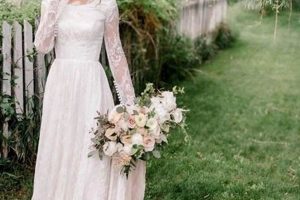
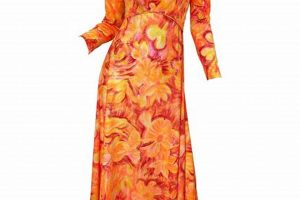
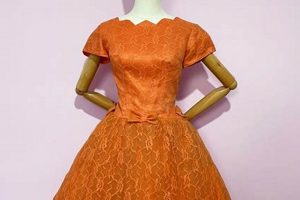
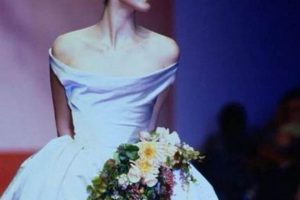
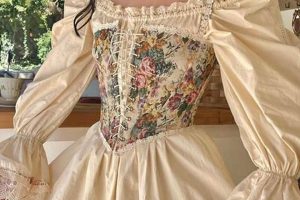
Garments evocative of the 1950s era, typically women’s attire, characterized by distinct silhouettes such as full skirts achieved with petticoats, pencil skirts emphasizing a streamlined figure, and often featuring fitted bodices. Examples include swing dresses, wiggle dresses, and shirtwaist dresses, often adorned with floral prints, polka dots, or solid colors like pastel shades. These articles of clothing represent a specific period of fashion history.
These garments hold significant historical and cultural value, representing a pivotal era in fashion history and reflecting the societal norms and ideals of the time. They offer a tangible connection to the past and provide insights into the design aesthetics, manufacturing techniques, and social trends of the 1950s. Furthermore, these pieces can be appreciated for their inherent beauty, craftsmanship, and enduring style, making them desirable collectibles and sources of inspiration for contemporary designs.
The subsequent sections will delve into the defining characteristics of these garments, examining popular styles, fabrics, embellishments, and the factors that contribute to their enduring appeal. An exploration of care and preservation techniques will also be provided to ensure the longevity of these valuable pieces.
Guidance on Acquiring and Maintaining Fifties-Era Garments
The following recommendations aim to assist in the informed selection and preservation of dresses originating from the 1950s. Adherence to these guidelines can contribute to the longevity and value retention of these vintage items.
Tip 1: Authenticate the Garment. Scrutinize labels for manufacturers common to the period. Examine construction techniques and materials; mass-produced synthetics were less prevalent in the early 1950s.
Tip 2: Assess Condition Rigorously. Carefully inspect for stains, tears, and fading. Consider the cost of restoration versus the inherent value of the item. Heavily damaged articles may require specialized repair.
Tip 3: Verify Sizing Accurately. Vintage sizes often differ significantly from contemporary standards. Measure the garment, paying particular attention to bust, waist, and hip dimensions, and compare these measurements to personal measurements.
Tip 4: Prioritize Fabric Care. Determine the fabric composition and implement appropriate cleaning protocols. Silk and rayon often require professional dry cleaning, while cotton may tolerate gentle hand washing. Store garments in breathable cotton bags to prevent damage.
Tip 5: Store Properly. Use padded hangers to maintain shape and prevent stress on seams. Protect garments from prolonged exposure to direct sunlight to mitigate fading.
Tip 6: Be Mindful of Alterations. Avoid irreversible alterations that compromise the garment’s original design and historical integrity. Consult with a professional experienced in vintage clothing alterations.
Tip 7: Research Market Value. Before making a purchase, investigate comparable items to understand fair market pricing. Factors such as condition, rarity, and designer influence value.
These insights facilitate informed decisions regarding the acquisition and preservation of clothing from the specified era. The careful consideration of authentication, condition, sizing, care, and storage contributes significantly to the appreciation and longevity of these pieces.
The subsequent analysis will provide a detailed examination of the styles, materials, and construction methods characteristic of this distinct fashion period.
1. Silhouette

Silhouette is a defining element of garments from the 1950s. These dresses exhibit distinct shapes that encapsulate the era’s fashion ideals and societal norms. Understanding these silhouettes is essential to appreciate the garments’ historical significance and aesthetic appeal.
- Full Skirt (The “New Look”)
The full skirt, epitomized by Christian Dior’s “New Look,” emphasized a cinched waist and voluminous skirt. This was achieved through layered petticoats, creating a bell-like shape. Examples include swing dresses and circle skirts, often adorned with floral prints or polka dots. This silhouette represented a departure from the austerity of wartime fashion, celebrating femininity and glamour.
- Pencil Skirt (Wiggle Dress)
The pencil skirt presented a contrasting silhouette, hugging the body from waist to knees. This form-fitting design, often seen in “wiggle dresses,” accentuated the wearer’s curves and conveyed a sense of sophistication. Materials like rayon or gabardine were commonly used to achieve the desired streamlined effect. This style reflected a growing acceptance of more figure-hugging garments.
- Shirtwaist Dress
The shirtwaist dress offered a more casual yet structured silhouette. Featuring a button-down bodice similar to a blouse and a skirt that could range from full to A-line, this style was versatile and practical. Fabric choices varied, including cotton, linen, and blends. The shirtwaist dress appealed to a wider range of women due to its comfort and suitability for various occasions.
- Sheath Dress
The sheath dress presented a straight, fitted silhouette that skimmed the body. This style, often knee-length, was characterized by its simplicity and elegance. Fabrics such as crepe or wool were commonly employed. The sheath dress offered a sophisticated option for both day and evening wear, easily accessorized for different occasions.
These silhouettes represent a diverse range of styles that were prevalent in the 1950s. The “New Look” embodied post-war optimism and luxury, while the pencil skirt showcased a more modern and daring aesthetic. The shirtwaist and sheath dresses provided practical yet stylish options for everyday wear. Each silhouette reflects the evolving fashion landscape and societal attitudes of the era.
2. Fabrics

The selection of fabrics significantly influenced the design, construction, and overall aesthetic of 1950s era garments. These materials not only dictated the drape and silhouette of the clothing but also reflected the technological advancements and economic conditions of the time. Understanding the fabrics prevalent during this period is crucial to assessing the authenticity, care requirements, and historical significance of garments from this era.
- Cotton
Cotton was a widely used fabric for dresses in the 1950s due to its affordability, breathability, and versatility. It was frequently employed in creating day dresses, casual wear, and summer attire. Common cotton weaves included broadcloth, poplin, and gingham, often adorned with printed patterns such as florals, polka dots, and geometric designs. The availability and ease of care made cotton a practical choice for everyday wear.
- Rayon
Rayon, a semi-synthetic fabric, provided a silk-like texture and drape at a lower cost. It was popular for dresses intended for more formal occasions or evening wear. Rayon challis and crepe were frequently used, offering a fluid and elegant appearance. However, rayon required more delicate care than cotton, often necessitating dry cleaning. The use of rayon allowed for more sophisticated designs to be accessible to a broader audience.
- Nylon and other Synthetics
The 1950s witnessed the rise of synthetic fabrics such as nylon, acetate, and early forms of polyester. These materials offered wrinkle resistance, durability, and new textures. Nylon was often used in undergarments and linings, while acetate provided a lustrous finish. The introduction of synthetics expanded design possibilities and contributed to the development of easy-care garments. Although not as prevalent as natural fibers, synthetics marked a significant shift in textile technology.
- Wool
Wool, primarily used for dresses intended for cooler weather, offered warmth and structure. Wool crepe and gabardine were common choices, providing a smooth and tailored appearance. Wool dresses were often favored for professional attire or formal occasions during the fall and winter seasons. The use of wool reflected a preference for durable and sophisticated fabrics suitable for a range of climates.
The fabrics used in constructing garments from the 1950s era reveal a balance between practicality, affordability, and aesthetic appeal. Cotton provided everyday comfort, rayon offered elegance, synthetics introduced innovation, and wool ensured warmth and durability. These materials collectively shaped the look and feel of the era’s fashion, contributing to the lasting appeal and historical significance of these vintage pieces.
3. Embellishments

Ornamentation constitutes a significant facet of the aesthetic characteristics found in garments of the 1950s. These decorative elements enhanced the visual appeal of the dresses and reflected the cultural values and stylistic preferences of the era. The strategic application of these details contributed to the distinctive charm and collectibility of items from this period.
- Belts
Belts served as both functional and decorative features. Often crafted from matching fabric, leather, or patent leather, belts cinched the waist, accentuating the hourglass silhouette popular during the decade. Buckles ranged from simple to ornate, with self-covered buckles being a common choice. For example, a cotton sundress might feature a narrow, self-fabric belt with a circular buckle, while a more formal rayon dress could have a wider leather belt with a decorative clasp. The belt’s design often complemented the dress’s overall style, enhancing its visual appeal.
- Collars and Necklines
Distinctive collar and neckline designs added visual interest and emphasized the upper body. Peter Pan collars, Sabrina necklines (boat necks), and sweetheart necklines were frequently incorporated. Collars might be trimmed with lace, piping, or contrasting fabric. A wool sheath dress, for instance, could feature a simple Sabrina neckline for a sophisticated look, while a cotton dress might have a Peter Pan collar edged with delicate lace. These details framed the face and contributed to the dress’s overall design.
- Buttons and Closures
Buttons served as functional closures and decorative accents. Materials varied from simple plastic to pearlized or fabric-covered options. Placement and design were carefully considered. A shirtwaist dress, for example, would typically feature a row of buttons down the front, while a back-zippered dress might have decorative buttons at the neckline or cuffs. The choice of buttons and their arrangement added to the garment’s aesthetic character.
- Appliqus and Embroidery
Hand-applied appliqus and embroidery provided individualized embellishments, often reflecting floral motifs, geometric patterns, or abstract designs. These details added a touch of artistry and craftsmanship. A cotton dress might feature embroidered flowers along the hemline, while a rayon dress could incorporate appliqud felt shapes. The level of detail and artistry in these embellishments contributed to the dress’s uniqueness and value.
These embellishments, while seemingly minor, collectively contribute to the overall design and aesthetic of garments dating from the 1950s. The careful selection and application of belts, collars, buttons, and embroidery reflected the era’s emphasis on femininity, elegance, and attention to detail. These elements enhance the historical and aesthetic significance, making them valuable examples of mid-century fashion.
4. Construction

Construction methods are integral to understanding garments of the 1950s. The techniques employed reflect the era’s manufacturing capabilities, material availability, and design aesthetics. An examination of these elements reveals insights into the garment’s durability, fit, and overall quality. For instance, the precise tailoring of a fitted bodice, often supported by internal boning or interfacing, ensured the desired hourglass silhouette. The careful setting of sleeves, whether a set-in or modified dolman style, impacted both the garment’s comfort and appearance. These specific construction choices distinguish the garments from other eras.
Further consideration involves examining seam finishes, which range from simple pinked edges in less expensive garments to meticulously serged or bound seams in higher-end pieces. The type of closure, whether a metal zipper (common in the earlier part of the decade) or later nylon zipper, also offers clues about the garment’s age and quality. Hem treatments, from simple turned-up hems to more elaborate blind-stitched or faced hems, contribute to the garment’s overall finish and durability. For example, a dress with a full circle skirt would require a more substantial hem to ensure proper drape and prevent stretching. The presence of hand-finishing, such as hand-picked zippers or hand-sewn linings, indicates a higher level of craftsmanship. The choice of interfacing, whether made of buckram, horsehair, or cotton, significantly affected the garment’s structure and shape retention. The presence of these details indicates construction techniques.
In summary, the construction techniques used in dresses of the 1950s are not merely incidental; they are intrinsic to the garment’s design, durability, and historical value. Understanding these construction methods allows for a more informed appreciation of these garments and aids in their preservation. Assessing these features assists those aiming to restore, replicate, or simply appreciate these historical pieces. The study of construction connects directly to the garment’s longevity and provides tangible evidence of historical manufacturing processes.
5. Designers

Designers played a pivotal role in shaping the aesthetic landscape and defining the stylistic trends. Their creations, particularly within the context of vintage dresses, represent tangible manifestations of the era’s fashion ideals and societal aspirations. Examination of designers offers insights into both individual contributions and the broader evolution of fashion during this period.
- Christian Dior and the “New Look”
Christian Dior’s “New Look,” introduced in 1947, profoundly impacted garments. Characterized by a cinched waist and a full, voluminous skirt, this silhouette defined feminine elegance in the post-war era. Dresses reflecting this influence typically employed luxurious fabrics and meticulous tailoring to achieve the desired shape. The enduring popularity of this aesthetic is evident in the continued demand for dresses emulating the “New Look,” making them highly sought-after collectibles.
- Coco Chanel and the Evolution of Simplicity
Though primarily active in earlier decades, Coco Chanel’s influence extended into the fifties. While not strictly defined by this era, the principles of simplicity, comfort, and functionality that Chanel championed resonated. Dresses incorporating these elements, such as understated sheath dresses or tailored skirt suits, represent a counterpoint to the more overtly feminine styles, showcasing a different facet of the era’s fashion landscape.
- Claire McCardell and American Sportswear
Claire McCardell pioneered American sportswear, emphasizing practicality and comfort. Her designs, often featuring simple shapes and functional details, appealed to modern women seeking ease of movement and wearability. Dresses reflecting McCardell’s influence prioritize comfort without sacrificing style. Examples include cotton dresses with simple, clean lines and practical closures, reflecting a shift towards more relaxed and functional garments.
- Hubert de Givenchy and Elegant Refinement
Hubert de Givenchy, known for his refined and elegant designs, catered to a clientele seeking sophistication and understated glamour. His creations, often characterized by clean lines, luxurious fabrics, and meticulous attention to detail, epitomized timeless elegance. Dresses reflecting Givenchy’s influence often featured simple silhouettes, impeccable tailoring, and subtle embellishments, appealing to those valuing understated refinement.
The impact of these designers, along with numerous others, shaped the sartorial landscape. Their design philosophies and aesthetic preferences continue to resonate, influencing contemporary fashion and inspiring a deep appreciation. Recognizing the contributions allows for a more nuanced understanding of the historical and cultural significance and offers critical insight into the value of these garments.
6. Condition

The physical state of garments is a paramount determinant of value, desirability, and historical significance. Deterioration impacts authenticity, wearability, and the ability to accurately represent the era’s aesthetic. Therefore, a comprehensive assessment is crucial for collectors, historians, and prospective buyers.
- Fabric Integrity
The structural soundness of the fabric is a primary indicator. Degradation from light exposure, environmental factors, or improper storage manifests as fading, discoloration, embrittlement, or fiber damage. Garments exhibiting extensive fabric damage possess diminished value and historical accuracy. For instance, a cotton dress with significant sun fading or dry rot is less desirable than one with intact fibers and vibrant color.
- Seam and Stitching Stability
The integrity of seams and stitching is essential for maintaining the garment’s structure. Stressed or weakened seams, loose threads, and broken stitches compromise wearability and visual appeal. Examine areas subject to stress, such as armholes, waistlines, and closures. A dress with meticulously maintained seams indicates careful preservation, while one with numerous repairs or failing stitches suggests significant wear or neglect.
- Embellishment Preservation
The state of embellishments, including buttons, zippers, beads, lace, and embroidery, contributes to the overall condition and value. Missing, damaged, or replaced embellishments detract from the garment’s authenticity and aesthetic integrity. Assess the security and condition of each embellishment, noting any inconsistencies or deviations from the original design. Original, intact embellishments enhance the value and historical significance.
- Stain and Discoloration Assessment
The presence of stains or discoloration significantly impacts a garment’s desirability. Stains can result from various sources, including food, beverages, perspiration, or environmental contaminants. The type, severity, and location of stains influence the extent of restoration required and the potential for successful remediation. Garments with minimal staining or discoloration command higher prices than those with extensive or irremovable blemishes.
These elements collectively define the condition of vintage dresses and influence decisions regarding acquisition, preservation, and restoration. Diligent assessment allows for informed evaluations and ensures the continued appreciation and preservation of these tangible artifacts. The interplay between these facets directly determines the item’s standing within the vintage market and its contribution to historical understanding.
7. Collectibility

The appeal to collectors stems from a combination of factors, including historical significance, aesthetic merit, and relative scarcity. These garments represent a tangible connection to a specific period, encapsulating the styles, values, and cultural context of the era. Understanding the elements that contribute to collectibility is essential for both seasoned collectors and individuals new to the vintage market.
- Rarity and Availability
The scarcity of a specific style or design significantly influences its collectibility. Dresses produced in limited quantities, those designed by renowned couturiers, or those featuring unique embellishments command higher prices due to their exclusivity. For example, a dress from a limited-edition collection or one crafted from a rare fabric would be more desirable than a mass-produced garment. The assessment of availability requires research into historical production records and market trends.
- Designer Influence and Provenance
Garments designed by prominent figures, particularly those associated with iconic styles, possess enhanced value. Dresses bearing the label of Christian Dior, Coco Chanel (albeit indirectly), or Claire McCardell, for instance, attract collectors seeking pieces with historical and artistic merit. Provenance, or the documented history of ownership, can further elevate a garment’s value, particularly if associated with a notable individual or event. Documentation might include original sales receipts, photographs, or letters.
- Condition and Preservation
The physical state of a vintage dress is a crucial determinant of its collectibility. Garments in excellent condition, free from significant damage, stains, or alterations, command higher prices. Proper preservation techniques, including appropriate storage and cleaning methods, contribute to the long-term value of collectible dresses. Pieces retaining original embellishments and unaltered silhouettes are especially prized.
- Representativeness of Era
Dresses that embody the key characteristics of the 1950s fashion are highly sought after. Styles featuring full skirts (“New Look”), pencil silhouettes, or shirtwaist designs, constructed from fabrics such as cotton, rayon, or early synthetics, and adorned with typical embellishments like belts, Peter Pan collars, or floral prints, represent the era’s aesthetic. Garments accurately reflecting these elements resonate with collectors seeking authentic examples of the period’s fashion.
The intersection of rarity, designer influence, condition, and representativeness defines the collectibility. Collectors carefully evaluate these factors when acquiring garments. The most valued dresses represent not only stylistic achievements but also tangible links to the past, preserved through careful stewardship. These factors drive appreciation and ensure their continuing legacy within the realm of fashion history.
Frequently Asked Questions Regarding Garments Originating from the 1950s Era
The following addresses common inquiries and clarifies aspects related to vintage attire from the 1950s. The information presented is intended to provide clarity and understanding for collectors, researchers, and individuals with an interest in this specific area of fashion history.
Question 1: How can one distinguish an authentic garment from the 1950s from a reproduction?
Authentication involves scrutiny of several factors. Examine labels for manufacturers prevalent during the period. Assess construction techniques; garments mass-produced with synthetics were less common in the early 1950s. Verify the presence of a union label (ILGWU after 1955). Finally, compare construction and materials to documented examples.
Question 2: What are the primary silhouettes characteristic of garments dating from the 1950s?
Key silhouettes include the full skirt (often associated with Christian Dior’s “New Look”), the pencil skirt or wiggle dress, the shirtwaist dress, and the sheath dress. These styles reflect diverse fashion trends, from post-war opulence to more streamlined and practical designs.
Question 3: Which fabrics were most commonly utilized in the construction of clothing from this era?
Common fabrics encompassed cotton, rayon, and wool. The decade also marked the emergence of synthetic fabrics like nylon and acetate, although their use was less pervasive than natural fibers, particularly in the early part of the era.
Question 4: What constitutes appropriate care and preservation techniques for garments of this vintage?
Care depends on fabric composition. Silk and rayon typically require professional dry cleaning, while cotton might tolerate gentle hand washing. Store garments in breathable cotton bags, using padded hangers to maintain shape and prevent stress on seams. Avoid prolonged exposure to direct sunlight to mitigate fading.
Question 5: How does the physical condition of a garment influence its value and desirability?
The condition is a critical determinant. Garments in excellent condition, free from significant damage, stains, or alterations, command higher prices. Deterioration diminishes value and historical accuracy. Original embellishments and unaltered silhouettes are especially prized.
Question 6: What are the key elements that contribute to the collectibility of attire dating from this era?
Collectibility stems from rarity, designer influence, provenance, condition, and the garment’s representativeness of the 1950s aesthetic. The most valued pieces combine these factors, offering both historical significance and aesthetic merit.
In summary, thorough assessment and informed decision-making are crucial when engaging with vintage garments from the 1950s. Considerations of authenticity, care, condition, and collectibility ensure the preservation and appreciation of these tangible artifacts.
The subsequent section will address resources for further investigation.
Conclusion
This exposition has detailed the multifaceted nature of “vintage fifties dresses,” encompassing their defining silhouettes, fabric compositions, embellishments, construction techniques, and the influence of prominent designers. The significance of condition and the elements that contribute to their collectibility within the vintage market have also been addressed. The intent has been to provide a comprehensive understanding of these garments as both historical artifacts and objects of aesthetic merit.
Further research and diligent stewardship are essential for preserving these tangible representations of a transformative era in fashion history. The continued appreciation and study of “vintage fifties dresses” will ensure that their legacy endures, informing future generations of the cultural and artistic values of the mid-20th century. Their preservation requires the dedication of collectors, historians, and enthusiasts alike.