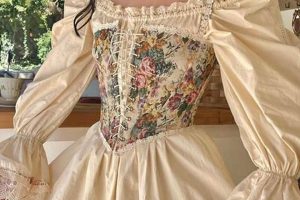
Garments from this era, specifically those designed for formal occasions, represent a significant period in fashion history. These items are characterized by distinctive silhouettes, luxurious fabrics, and meticulous detailing, reflecting the post-war optimism and societal shifts of the time. For instance, a full-skirted gown made of silk taffeta with intricate beadwork would be a prime example.
The enduring appeal of these garments lies in their timeless elegance and the quality of their construction. They offer a connection to a bygone era, providing wearers with a sense of sophistication and individuality not readily found in contemporary mass-produced clothing. Moreover, acquiring and preserving these items supports sustainable practices by extending the lifespan of well-made apparel and reducing textile waste. Their historical context also provides valuable insight into the social and cultural norms of the mid-20th century.
The following sections will delve into the defining characteristics of these special occasion garments, examine the key designers and fashion houses that shaped their aesthetic, and offer guidance on how to identify, care for, and incorporate them into a modern wardrobe.
Essential Insights for Acquiring and Maintaining 1950’s Vintage Evening Dresses
The following guidance aims to provide practical information for individuals interested in acquiring or preserving garments from this distinct period in fashion. Adherence to these recommendations will help ensure the longevity and value of such pieces.
Tip 1: Authenticate the Garment: Thoroughly examine the construction, fabric, and labeling. Original labels and tags are valuable indicators, though their absence does not automatically disqualify an item. Research common manufacturing techniques and materials used during the 1950s to verify authenticity.
Tip 2: Assess Condition Carefully: Look for signs of wear and tear, including stains, tears, fading, and moth damage. Understand that minor imperfections are common in vintage clothing, but extensive damage can significantly impact value and restorability.
Tip 3: Prioritize Proper Storage: Store delicate fabrics in acid-free garment bags to protect them from dust, light, and pests. Avoid overcrowding closets, which can cause creasing and damage. Consider professional archival storage for valuable or irreplaceable pieces.
Tip 4: Employ Gentle Cleaning Methods: Avoid harsh chemicals and machine washing. For delicate fabrics, consider professional dry cleaning by a specialist experienced in vintage clothing. Spot-clean minor stains with gentle, pH-neutral solutions.
Tip 5: Understand Fabric Sensitivity: Many textiles from this era are susceptible to damage from heat and moisture. Use a cool iron with a protective cloth when pressing. Avoid wearing these garments in humid conditions.
Tip 6: Account for Sizing Discrepancies: Clothing sizes varied significantly in the mid-20th century compared to contemporary standards. Rely on actual measurements rather than labeled size when determining fit. Be prepared for potential alterations to achieve the desired silhouette.
Tip 7: Document Provenance Where Possible: Maintain records of purchase, alterations, and cleaning. If the garment has a known history or prior ownership, document this information to enhance its historical significance and value.
Following these guidelines will maximize the enjoyment and preserve the integrity of garments of this kind. By taking a methodical approach to selection and care, it is possible to ensure that these pieces retain their beauty and historical value for years to come.
The article will now transition to exploring the broader cultural impact of this design trend and the factors influencing its lasting appeal.
1. Full-skirted silhouettes

The full-skirted silhouette is a defining characteristic of formal wear from the 1950s, deeply intertwined with the aesthetic and cultural values of the era. Its prominence in evening dresses reflects a departure from the more utilitarian styles of the war years and signals a return to opulence and femininity.
- The New Look Influence
Christian Dior’s “New Look,” introduced in 1947, played a pivotal role in popularizing the full-skirted silhouette. This design emphasized a small waist and voluminous skirt, often achieved through layers of petticoats or crinolines. The adoption of the “New Look” by American designers quickly translated into widespread production of dresses featuring this distinctive shape, directly impacting the style of evening wear available to consumers.
- Fabric and Construction
The creation of full skirts required significant amounts of fabric, often luxurious materials such as silk, taffeta, or organdy. Stiffened petticoats or crinolines made of tulle or nylon were essential to maintain the skirt’s shape. The construction involved intricate pattern-making and precise tailoring to ensure the skirt flared gracefully from the fitted bodice. Techniques such as gathering, pleating, and circular cutting were employed to maximize volume and create visual interest.
- Cultural Significance
The full-skirted silhouette represented a return to traditional notions of femininity and domesticity. It symbolized post-war prosperity and optimism, reflecting a desire for elegance and refinement after years of austerity. The silhouette emphasized an hourglass figure, which was considered the ideal body shape at the time. Evening dresses with full skirts were often worn to formal dances, social gatherings, and special occasions, reinforcing their association with glamour and status.
- Variations in Style
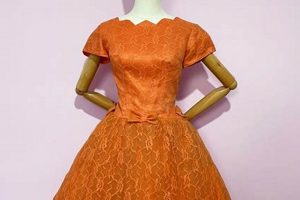
While the basic principle of a full skirt remained consistent, variations existed in terms of length, volume, and embellishment. Some skirts were ankle-length or tea-length, while others extended to the floor. The degree of fullness could range from a gentle flare to a dramatic bell shape. Embellishments such as embroidery, beading, or lace were often added to enhance the visual appeal of the skirt. Some dresses featured contrasting fabrics or colors in the skirt, further emphasizing its shape.
The widespread adoption of the full-skirted silhouette in 1950s formal wear reflects a convergence of design innovation, material availability, and cultural aspirations. These dresses represent a significant chapter in fashion history, embodying the era’s emphasis on femininity, elegance, and post-war optimism.
2. Luxurious fabric choices

The association between high-end materials and garments from the 1950s is central to their perceived elegance and value. The selection of fabrics directly influenced the drape, structure, and overall aesthetic of these dresses. Post-war prosperity allowed for increased availability of previously scarce materials, enabling designers to create garments that reflected a sense of optimism and affluence. For example, silk taffeta, with its crisp texture and sheen, was frequently used for full-skirted gowns to enhance their volume and visual impact. The very choice of such materials elevated these dresses beyond mere functionality, transforming them into symbols of status and refinement.
The application of materials such as silk satin exemplifies the craftsmanship prevalent at the time. Satin’s smooth surface allowed for intricate draping and embellishments, while its inherent luster added to the overall luxurious feel. Velvet, often chosen for evening dresses worn during cooler months, offered a rich texture and depth of color. Organza, a sheer and lightweight fabric, was commonly used as an overlay to add dimension and subtle shimmer. The use of these specific materials was not arbitrary; each fabric was carefully chosen to complement the design and intended silhouette, demonstrating a keen understanding of fabric properties and their impact on the final product. This meticulous attention to material selection distinguishes them from later mass-produced items.
In summary, the emphasis on high-quality fabrics in these garments was a deliberate choice that directly contributed to their iconic status. This is significant because it showcases the values of the era: craftsmanship, quality, and elegance. While identifying and preserving these delicate materials presents challenges, a thorough understanding of their characteristics is essential for authenticating and maintaining these historically significant pieces. These choices reflect the craftsmanship that defined this era in fashion.
3. Defined waistlines

The pronounced emphasis on a defined waistline is a fundamental element of evening dresses from the 1950s. This design choice was not merely aesthetic; it was integral to achieving the era’s idealized feminine silhouette, directly influenced by Christian Dior’s “New Look.” The tightly cinched waist served as a visual anchor, accentuating the bust and hips, thereby creating the coveted hourglass figure. Examples include dresses by designers such as Norman Norell and Charles James, whose creations consistently featured structured bodices and carefully fitted waistlines to achieve this effect. Without this defining characteristic, the dramatic contrast between the fitted upper body and the full skirt would be lost, diminishing the overall impact of the design.
The construction of these dresses often involved boning, corsetry, or carefully placed darts and seams to maintain the defined waistline. Belts, either self-fabric or contrasting, were also commonly used to further emphasize this feature. Furthermore, the strategic use of color and fabric could enhance the illusion of a smaller waist. For instance, darker fabrics were frequently used in the bodice area to visually minimize the waist, while lighter or more vibrant colors were reserved for the skirt. Understanding the importance of this design element is crucial when assessing the authenticity and condition of a garment. Damage or alterations to the waistline can significantly impact the overall appearance and value of the piece.
In summary, the defined waistline was a critical component of 1950s evening dresses, contributing significantly to their distinctive silhouette and overall aesthetic appeal. Its importance extends beyond mere style; it reflects the era’s social and cultural ideals concerning femininity and beauty. Preserving this feature is essential when caring for and restoring these garments, as it represents a fundamental aspect of their historical and artistic significance. Identifying and appreciating the defined waistline contributes to a more profound understanding of the craftsmanship and design sensibilities of the era.
4. Elaborate Embellishments

Elaborate embellishments constitute a defining characteristic of formal garments from the 1950s. These decorative elements served not merely as ornamentation but as integral components of the overall design, reflecting the era’s emphasis on refinement and meticulous craftsmanship.
- Beadwork and Sequins
The application of beadwork and sequins was a prevalent technique, often involving intricate patterns meticulously hand-sewn onto bodices and skirts. These embellishments provided texture, shimmer, and visual depth, transforming simple fabrics into luxurious creations. Examples include gowns featuring cascading strands of pearls or intricate floral motifs rendered in shimmering sequins, often found on dresses by designers like Oleg Cassini.
- Lace Appliqus and Embroidery
Lace appliqus, either machine-made or handcrafted, were frequently used to add delicate detail to necklines, sleeves, and hemlines. Embroidery, often executed in silk or metallic threads, provided opportunities for further personalization and artistic expression. These techniques allowed designers to incorporate intricate patterns and textures that enhanced the overall elegance of the garment, often seen in dresses from houses such as Balmain.
- Rhinestones and Crystals
Rhinestones and crystals, often strategically placed to catch the light, imparted a sense of glamour and sophistication. These embellishments were frequently used to accent necklines, waistlines, or other key design elements. Highlighting the areas that were decorated with the rhinestones and crystals create an elevated look.
- Ribbonwork and Bows
Ribbonwork, involving the creation of delicate floral motifs or geometric patterns using silk or satin ribbons, added a touch of romanticism and femininity. Bows, ranging in size from subtle accents to dramatic focal points, were frequently used to adorn waistlines, shoulders, or backs of dresses. These elements contributed to the overall sense of grace and elegance, exemplified in garments from Givenchy.
The careful consideration and execution of elaborate embellishments were paramount in the creation of formal garments from the 1950s. These decorative elements not only enhanced the visual appeal of the dresses but also reflected the era’s emphasis on craftsmanship, refinement, and the pursuit of beauty in design. Their presence distinguishes these garments as significant artifacts of fashion history.
5. Formal occasions
Formal occasions during the 1950s provided the primary context for the design, production, and consumption of garments intended for evening wear. Social events dictated specific dress codes and expectations, shaping the aesthetic and construction of such attire.
- Social Etiquette and Dress Codes
Strict social etiquette governed attire for events such as debutante balls, formal dances, and upscale dinner parties. These rules influenced the length, silhouette, and embellishments of evening dresses. The prevailing expectation was for women to present an image of refined elegance, which was directly reflected in the design choices of these garments.
- Influence of Hollywood Glamour
Hollywood films and actresses exerted significant influence on fashion trends. Red carpet events and movie premieres showcased elaborate gowns that set aspirational standards for women attending formal occasions. Designers often drew inspiration from these cinematic portrayals of glamour, incorporating elements such as luxurious fabrics, intricate beadwork, and dramatic silhouettes into their creations.
- Post-War Prosperity and Consumerism
The economic prosperity of the post-World War II era fueled consumerism, allowing a wider segment of the population to afford elaborate evening wear. The increased availability of materials and manufacturing capabilities enabled designers to produce a greater variety of styles and price points, catering to diverse social and economic backgrounds. Formal occasions served as a venue for displaying this newfound affluence.
- Cultural Significance of Dance and Music
Formal dances, particularly those featuring swing and ballroom music, were a central element of social life. The design of evening dresses often considered the practical requirements of dancing, such as ease of movement and freedom of expression. Full skirts, for example, were not only fashionable but also facilitated graceful twirling and other dance maneuvers.
The interconnectedness of formal occasions and the creation of elegant garments is evident. These social events provided not only the setting, but also the inspiration, for the clothing produced during this period, reflecting a unique intersection of social norms, artistic expression, and economic factors.
6. Iconic designers

The aesthetic of formal garments from the 1950s was significantly shaped by the vision and expertise of various designers. These individuals, through their innovative designs and meticulous craftsmanship, elevated the standards of elegance and sophistication during this era.
- Christian Dior: The “New Look” Pioneer
Christian Dior’s influence on 1950s fashion cannot be overstated. His “New Look,” introduced in 1947, revolutionized the silhouette of women’s clothing. The emphasis on a fitted bodice, cinched waist, and full skirt became a defining characteristic of evening dresses throughout the decade. Dior’s designs, often featuring luxurious fabrics and intricate embellishments, set a standard for elegance that many other designers emulated. Dresses bearing the Dior label from this era are highly sought after by collectors and represent a pinnacle of 1950s fashion.
- Cristbal Balenciaga: The Architect of Couture
Cristbal Balenciaga was renowned for his architectural approach to design and his mastery of tailoring. His evening dresses often featured innovative shapes and unconventional construction techniques. Balenciaga’s designs were characterized by their clean lines, impeccable fit, and subtle yet impactful details. While perhaps less overtly feminine than Dior’s creations, Balenciaga’s evening wear exuded a refined sophistication that appealed to a discerning clientele. Garments from Balenciaga display an unmatched attention to detail.
- Hubert de Givenchy: Elegance and Simplicity
Hubert de Givenchy established his fashion house in 1952 and quickly became known for his elegant and understated designs. His close relationship with Audrey Hepburn further solidified his reputation for creating timeless and sophisticated clothing. Givenchy’s evening dresses often featured clean lines, simple silhouettes, and minimal embellishments, emphasizing the quality of the fabric and the impeccable fit. His designs reflected a more modern and streamlined aesthetic compared to some of his contemporaries.
- Norman Norell: American Glamour
Norman Norell was a leading American designer known for his sophisticated and glamorous evening wear. His designs often featured streamlined silhouettes, luxurious fabrics, and meticulous attention to detail. Norell was particularly known for his sequined cocktail dresses, which became a staple of American high society. His designs reflected a distinctly American sensibility, emphasizing practicality and wearability alongside elegance and style. Norell became known as the “Dean of American Fashion” during this time.
The contributions of these iconic designers significantly shaped the aesthetic and cultural significance of garments produced during the 1950s. Their innovative designs, meticulous craftsmanship, and unwavering commitment to elegance continue to inspire contemporary fashion and captivate collectors worldwide. This legacy positions these garments as not merely clothing, but as artifacts of artistic and historical value.
7. Elegance and sophistication

The concepts of elegance and sophistication are intrinsically linked to the perception and design of formal garments from the 1950s. These attributes were deliberately cultivated and reflected in the materials, silhouettes, and embellishments chosen for these garments, representing a departure from wartime austerity and an embrace of refined aesthetics.
- Refined Silhouettes and Proportions
The hourglass figure, achieved through fitted bodices and full skirts, was a key element of the 1950s aesthetic. This silhouette conveyed an image of feminine grace and poise, aligning with societal expectations of women during the era. The deliberate tailoring and attention to proportion enhanced the overall sense of elegance. For example, a silk gown with a nipped-in waist and a flowing skirt, meticulously crafted to flatter the wearer’s figure, exemplifies this focus on refined silhouettes.
- Luxurious Materials and Textures
The choice of high-quality fabrics, such as silk, satin, velvet, and chiffon, contributed significantly to the perceived elegance of these garments. These materials possessed inherent qualities of drape, texture, and sheen that elevated the overall aesthetic. The use of lace, embroidery, and beadwork further enhanced the sense of luxury and sophistication. A velvet dress adorned with intricate beadwork, for instance, conveyed a sense of opulence and refinement that was highly valued during the period.
- Restrained Embellishments and Details
While embellishments were common, their application was often restrained and deliberate, reflecting a sense of understated elegance. Details such as delicate lace trims, subtle embroidery, and strategically placed rhinestones added visual interest without overwhelming the overall design. The emphasis was on quality and craftsmanship rather than ostentatious display. Consider a chiffon gown with subtle floral embroidery along the neckline and hem, a testament to the era’s focus on refined details.
- Formal Etiquette and Social Context
The association of these garments with formal occasions, such as debutante balls and upscale dinner parties, further reinforced their image of elegance and sophistication. These events demanded adherence to specific dress codes and social norms, which shaped the design and style of evening wear. The act of wearing these garments became a performance of social grace and refinement, contributing to their overall cultural significance. An individual attending a formal gala in a full-skirted gown, complete with gloves and elegant accessories, exemplified the era’s emphasis on proper etiquette and sophisticated presentation.
In summary, the enduring appeal of formal garments from the 1950s stems from their deliberate embodiment of elegance and sophistication. Through carefully chosen silhouettes, luxurious materials, restrained embellishments, and their association with formal social occasions, these garments represent a specific moment in fashion history when refinement and grace were highly valued ideals.
Frequently Asked Questions
The following addresses common inquiries regarding garments of this type, providing guidance on identification, care, and preservation.
Question 1: How does one determine the authenticity of such a garment?
Authenticating these pieces involves examining construction techniques, fabric composition, and the presence of original labels. Researching known manufacturers and designers of the period is also advisable.
Question 2: What are the primary fabrics used in garments of this type?
Common materials include silk, satin, taffeta, velvet, and chiffon. These fabrics often indicate higher-quality construction and attention to detail.
Question 3: How should these delicate garments be properly stored?
Ideal storage involves using acid-free garment bags in a cool, dark, and dry environment to prevent damage from light, pests, and humidity.
Question 4: What are the best methods for cleaning these vintage dresses?
Professional dry cleaning by a specialist experienced in vintage clothing is generally recommended. Spot cleaning with pH-neutral solutions may be suitable for minor stains.
Question 5: How can alterations be approached while preserving the garment’s integrity?
Any alterations should be performed by a skilled tailor experienced in vintage clothing. Prioritize preserving original seams and fabric whenever possible.
Question 6: What factors influence the value of garments of this type?
Value is influenced by factors such as condition, rarity, designer, provenance, and the presence of original embellishments or labels.
Proper identification, careful storage, and appropriate cleaning methods are crucial for maintaining the integrity and value of these historically significant garments.
The article will now transition to explore the maintenance and restoration of the fabric and embellishments of the garments.
Conclusion
The preceding discussion has explored the defining characteristics, cultural context, and practical considerations surrounding 1950’s vintage evening dresses. From the influence of iconic designers and the significance of formal occasions to the careful selection of luxurious fabrics and elaborate embellishments, these garments represent a distinct and influential period in fashion history. The analysis has also emphasized the importance of proper authentication, care, and preservation to ensure the longevity of these artifacts.
Given their historical and aesthetic value, continued research and responsible stewardship of these garments are essential. Recognizing the social and cultural factors shaping their creation and appreciating the meticulous craftsmanship involved contributes to a deeper understanding of both fashion history and the enduring allure of timeless elegance. The legacy of 1950’s vintage evening dresses merits continued study and appreciation.